
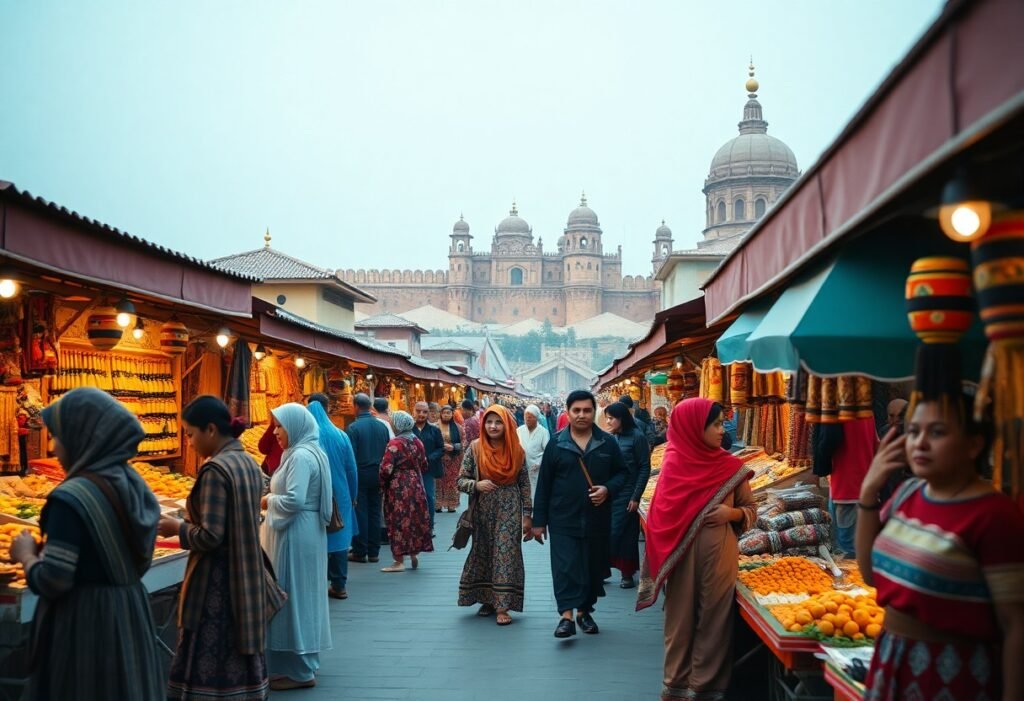
Heritage is woven into the fabric of traditional clothing, serving as a powerful symbol of your culture and history. By embracing these garments, you actively participate in preserving local traditions that might otherwise fade away. Wearing traditional attire not only enhances your social identity but also fosters community connections and respect for your ancestors. In a rapidly globalizing world, protecting these unique expressions of your cultural identity can prevent the erosion of important customs and beliefs, allowing future generations to appreciate their rich lineage.
Key Takeaways:
- Traditional clothing serves as a visual representation of cultural identity, fostering a sense of belonging and community among local populations.
- Wearing traditional attire helps pass down knowledge, stories, and values from one generation to another, reinforcing cultural heritage.
- The preservation of traditional clothing contributes to economic opportunities through tourism and cultural festivals, promoting local artisanship and craftsmanship.
The Cultural Significance of Traditional Attire
Traditional attire embodies rich histories, beliefs, and values, serving as a vibrant expression of cultural heritage. Each garment tells a story, representing the identity of its wearers while preserving unique customs and artistry. By donning these clothes, you participate in a living tradition that connects generations and reinforces community bonds, making every occasion a celebration of cultural pride and continuity.
Expressing Identity Through Fabric
Your choice of traditional clothing acts as a powerful statement of identity, often reflecting personal and communal narratives. Specific colors, patterns, and styles can signify ethnic backgrounds, social status, or regional affiliations. When you wear authentic garments, you showcase not only your heritage but also your connection to a larger cultural story, emphasizing pride and belonging.
How Clothing Reflects Local Histories
Traditional clothing serves as a canvas for local histories, incorporating symbols, motifs, and techniques passed down through generations. Specific textiles or designs reveal insights into historical events, environmental influences, and trade relationships that shape a community’s identity.
For instance, the intricately woven textiles from the Andes often showcase patterns that reflect ancient agricultural practices and beliefs. The vibrant colors observed in West African kente cloth reveal social status and historical narratives intertwined with daily life. By understanding these details, you recognize how traditional attire encapsulates moments in history and celebrates the resilience of cultural expressions. This deep connection between clothing and history enriches your appreciation and fuels the importance of preserving these traditions for future generations.
The Role of Traditional Garments in Celebrations
Traditional garments often serve as a vibrant expression of culture during celebrations, allowing communities to display their heritage. Wearing these outfits fosters a sense of belonging and pride among participants, as colors, patterns, and techniques often tell stories of ancestry and regional identity. Observing how families and friends don these garments during festivities enhances the atmosphere, reinforcing cultural ties and shared history.
Rituals and Ceremonies: A Living Heritage
Traditional attire plays a vital role in rituals and ceremonies, acting as a direct link to your ancestors and their practices. These garments often carry symbolic meanings, representing life stages such as birth, marriage, or mourning. Wearing them during significant life events reinforces the cultural narrative, ensuring that customs are not merely remembered but actively lived.
Festivals as a Showcase of Craftsmanship
Festivals present an incredible opportunity for artisans to display their craftsmanship through traditional garments, highlighting techniques passed down through generations. You can witness the intricate handwoven fabrics, vibrant dyeing methods, and unique embellishments that reflect local artistry and skill. Celebrated events, such as the Gion Matsuri in Japan and India’s Diwali, showcase these garments, transforming public spaces into vibrant tapestries of culture and creativity.
Attending festivals allows you to engage directly with the craftsmanship behind traditional garments. Artisans often demonstrate their techniques, providing insights into the labor-intensive processes involved. For instance, during the Gion Matsuri, you can see how Nishijin-ori textiles are painstakingly created, using methods that have remained unchanged for centuries. These occasions not only entertain but also educate you about the deep-rooted significance and artistry embedded within each garment, reinforcing your appreciation for local traditions and the stories they convey.
The Economic Impact of Preserving Traditional Clothing
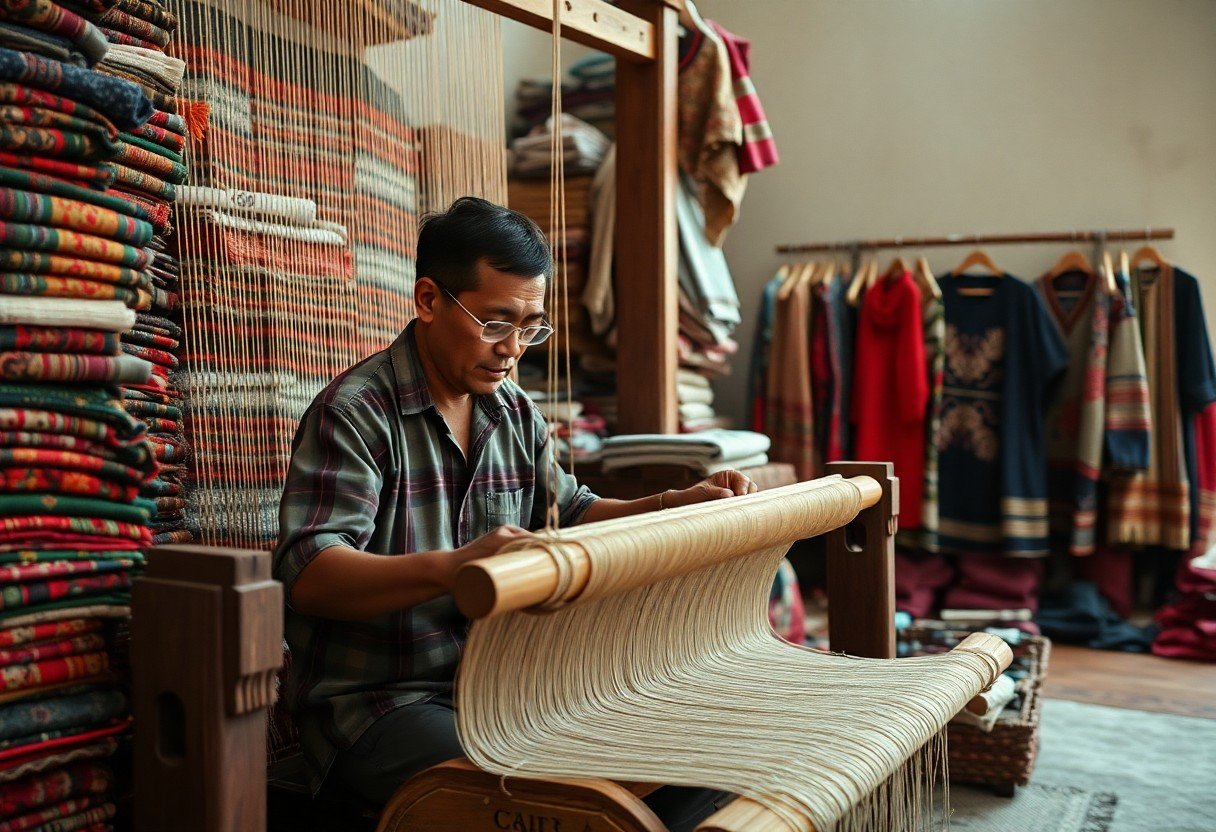
Preserving traditional clothing significantly boosts local economies by sustaining cultural heritage and creating job opportunities. By maintaining these practices, communities can tap into niche markets where traditional garments are valued, leading to increased income for artisans. The global market for ethnic and sustainable clothing has seen a surge, with consumers increasingly prioritizing authenticity and ethical sourcing.
Supporting Local Artisans and Economies
Your support of traditional clothing directly influences local artisans who dedicate their lives to these crafts. It fosters skill-sharing and economic resilience, allowing artisans to thrive in their communities. By purchasing handmade garments, you help sustain livelihoods and encourage the continuation of these vital cultural practices that might otherwise be lost.
Tourism: Attracting Visitors through Authenticity
Your interest in authentic, culturally rich experiences enhances local tourism, drawing visitors eager to engage with traditional clothing. Events like festivals often showcase these garments, inviting tourists to participate in workshops or purchase unique items. This exposure leads to increased revenue for local businesses and ensures the longevity of these traditions.
Tourism thrives on the allure of authenticity, and traditional clothing acts as a powerful draw for visitors seeking genuine cultural experiences. For instance, regions hosting annual cultural fairs often see visitor numbers spike as tourists flock to see traditional dress showcases. These events not only promote local heritage but also stimulate the economy by encouraging spending in craft markets, restaurants, and hotels. The unique stories woven into each garment captivate travelers, offering them a tangible connection to the local culture while fostering appreciation and support for artisan communities.
The Challenge of Modernization: Balancing Innovation and Tradition
Modernization poses a significant challenge in maintaining the delicate equilibrium between traditional clothing and contemporary fashion. As new technologies and trends emerge, the risk of overshadowing time-honored practices increases. You might find that while innovation can enhance creativity, it often leads to a departure from cultural authenticity, making it increasingly vital for artisans and designers to embrace both worlds. Striking a balance allows you to celebrate heritage while appealing to modern sensibilities.
The Risk of Losing Cultural Heritage
The rapid pace of globalization threatens to dilute distinct cultural identities, leaving traditional clothing at risk of becoming mere relics. As you witness shifting consumer preferences toward fast fashion, the unique craftsmanship and storytelling embedded in traditional garments are frequently overlooked. This erosion not only impacts artisans and their livelihoods but also jeopardizes the preservation of rich histories and community ties that these garments embody.
Strategies for Integration in Contemporary Fashion
Innovative integration strategies can allow you to incorporate traditional garments into contemporary fashion without undermining their cultural significance. Collaborations between local artisans and modern designers promote creativity while preserving authenticity. Incorporating traditional motifs in everyday wear or utilizing sustainable materials not only revives interest in cultural clothing but also aligns with current trends, creating products that resonate with a broader audience.
For example, you can see successful collaborations, like those between designers in Africa and local textile producers, which blend custom fabrics with modern silhouettes. These partnerships result in unique collections that celebrate cultural heritage while meeting contemporary consumers’ preferences. Additionally, adopting social media platforms enables artisans to share their stories, showcasing the rich heritage behind each piece, making them appealing and relevant to today’s market. This dual approach supports sustainable practices while ensuring that cultural narratives remain vibrant and accessible.
Educational Value: Teaching Future Generations
Traditional clothing serves as a profound educational tool, helping you convey the values, skills, and narratives of your culture to younger generations. By engaging children in the art and significance behind these garments, you foster a deeper understanding of their heritage and instill pride in their identity. This educational journey can encompass history lessons, craftsmanship techniques, and discussions around the symbolism woven into each piece.
Workshops and Community Initiatives
Participating in workshops and community initiatives allows you to gain hands-on experience in traditional clothing techniques, enhancing your understanding of cultural practices. These collaborative spaces often bring together artisans and learners, fostering mentorship while preserving ancient skills. Through practical involvement, you actively contribute to the continuity of traditions within your community.
The Importance of Storytelling in Clothing
Every traditional garment carries a story that reflects the history and values of its people. You can connect with the past through the tales behind the patterns, colors, and styles, each narrating the experiences of ancestors. This storytelling aspect not only enriches your appreciation of the clothing but also provides context for its significance in various ceremonies or daily life.
Storytelling in clothing captivates attention and forms a bridge between generations. You discover how specific patterns may represent local folklore or historical events, such as a garment adorned with symbols of resilience during times of adversity. These narratives transform clothing from mere fabric into vessels of cultural identity, ensuring that the meanings, lessons, and pride attached to them are preserved and passed on. In this way, garments become living histories, enriching your understanding of your heritage and deepening your connection to it.
Conclusion
Hence, traditional clothing plays a vital role in preserving local traditions, offering you a tangible link to your cultural heritage. By embracing these garments, you actively participate in the continuity of your community’s identity and values. Wearing traditional attire allows you to showcase your history and fosters appreciation for the craftsmanship and stories behind each piece. This connection not only enriches your understanding of your roots but also encourages future generations to honor and celebrate their unique cultural narratives.
