
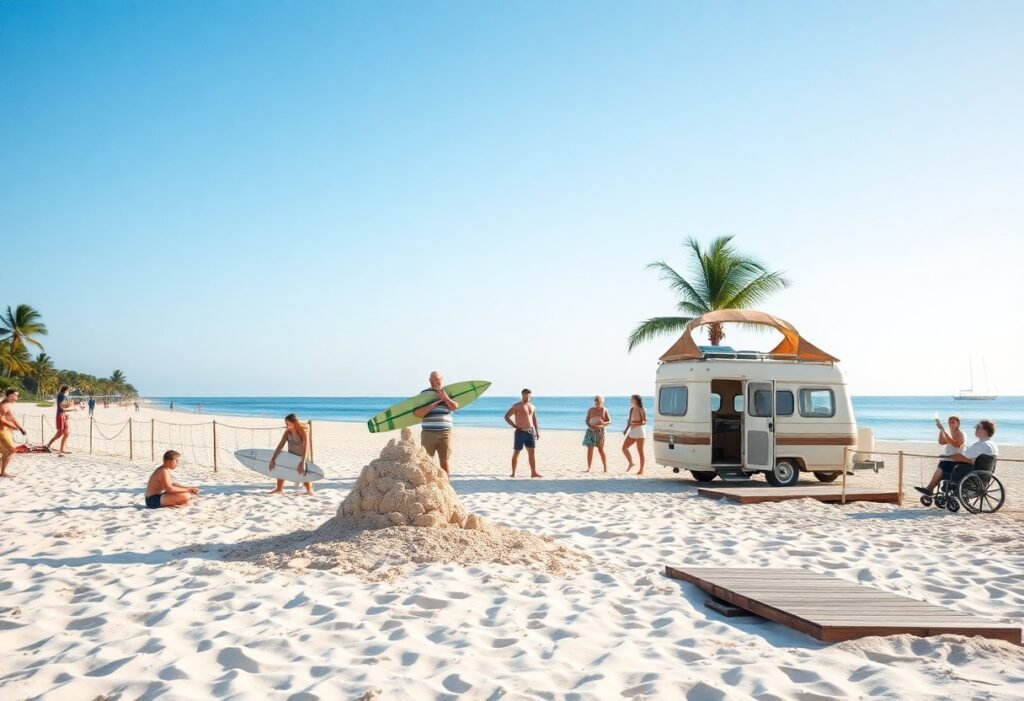
Many beach escapes await you; this concise guide helps you pick the ideal shore based on your pace, tastes and budget, advising how to avoid rip currents and severe sunburn, while highlighting breathtaking sunsets and tranquil spots for true relaxation – explore curated options in 9 of the Best Beach Getaways for Every Type of Traveller.
Key Takeaways:
- Match the beach to your travel style: secluded coves and private islands for solitude, family-friendly resort beaches with shallow waters and kids’ programs, or lively surf spots and marine parks for active travelers.
- Plan around season and activities-choose peak months for festivals and calm seasons for snorkeling, and pack appropriate gear like reef-safe sunscreen, water shoes, and a light rain jacket.
- Balance comfort with local flavor by selecting accommodations that offer easy beach access plus opportunities for authentic dining, cultural excursions, and sustainable tours.
Family-Friendly Beach Destinations
You’ll favor beaches with gentle slopes, warm shallow water and plenty of shade-think Clearwater Beach (Florida) for soft sand and daily dolphin tours, Maui’s Kaanapali for calm swimming and family resorts, Algarve’s Albufeira for playgrounds and tide pools, or Guanacaste in Costa Rica for sheltered bays and wildlife hikes. Prioritize locations with lifeguards on duty, easy parking, and nearby family dining so your days stay relaxed and manageable.
Kid-Focused Activities
Bring bucket and spade crucials and book a sandcastle workshop or junior surf lesson (many start at age 6); explore tide pools with a park ranger to spot hermit crabs and starfish, take a glass‑bottom boat trip for reef viewing, or join an organized beach treasure hunt. Facilities like touch-tank marine centers and supervised splash parks keep younger kids engaged while you rotate supervision.
Safety Considerations
Prioritize swimming between flags, keep children within arm’s reach of non-swimmers, and insist on Coast Guard‑approved life jackets for weak swimmers. Apply SPF 30+ every two hours and after swimming, watch for changing weather, and avoid areas with visible rip currents-these account for roughly 80% of beach rescues-so choose guarded beaches whenever possible.
Check flag warnings: green = safe, yellow = caution, red = high hazard, and double red means the beach is closed. Verify local tide charts and swell forecasts before heading out, pack at least 1 liter of water per person every two hours in hot sun, and learn basic CPR; having the local emergency number saved and a charged phone can make a decisive difference in an incident.
Romantic Beach Getaways
You’ll discover private atoll resorts, cliffside villas and secluded bays-think Maldives overwater bungalows, Santorini caldera views or Maui’s Hana coast-where private dinners and sunset cruises are standard; book 3-6 months ahead for peak dates. Choose accommodations with on-site dining and transfer services, and consult curated lists like Island & Beach Trip Ideas to align pace, price and travel time.
Secluded Spots for Couples
You can escape to Rodrigues, Little Palm Island (Florida) or Culebra (Puerto Rico) where boat or seaplane access keeps crowds low; expect high privacy but limited services-nearest hospital can be hours away. Prioritize villas with private beaches or plunge pools and verify transfer windows, luggage limits and seasonal ferry schedules; reserve logistics at least 4-8 weeks before travel to avoid surprises.
Romantic Activities to Enjoy
You should prioritize shared experiences: a 60-90 minute sunset cruise, private beach dinner (often 60-120 minutes), guided snorkeling with sea turtles, or a couples’ spa session. Pick activities that match fitness levels-gentle kayak tours or 5-10 km horseback rides suit most travelers-and always check operator safety records before booking.
For budgeting and planning, expect sunset cruises to run about $50-$150 per person and private dinners from $150-$500 per couple; specialty options like manta-ray night swims or private charters often require advance permits and add 20-40% to costs. Verify operator licenses, guide-to-guest ratios and local marine-protection rules-violations can incur fines or harm reefs.
Adventure-Seeker’s Paradise
Chasing adrenaline? Head to spots where surf, wind and cliffs converge: Maui’s north shore sees winter swells that create waves over 20 feet, Tarifa delivers steady 20-35 knot winds for kiteboarding, and the Great Barrier Reef supports world-class diving with organized trips to protected sites. You should book lessons for high-skill sports, check local forecasts, and prioritize life jackets and guides when conditions look rough.
Watersports and Activities
For water-based thrills, try surfing, kitesurfing, sea-kayaking and scuba; a PADI Open Water course typically takes 3-4 days and certifies you to 18 meters (60 ft). You can rent SUPs or kayaks for a day, join guided wreck dives, or book surf lessons in Bali or Portugal. Always check wind and swell reports, and wear a personal flotation device when conditions get choppy.
Exploring Coastal Trails
If hiking suits you, coastal paths offer dramatic views and short or multi-day options: Italy’s Sentiero Azzurro links five villages across about 12 km, while Portugal’s Rota Vicentina includes the 120 km Fishermen’s Trail. Expect rocky terrain, occasional 200-500 m climbs, and sections exposed to wind. You should wear grippy shoes, carry tide charts for beach cut-throughs, and plan stages based on daylight.
Bring at least 1 liter of water per 2 hours, layered clothing, sun protection and sturdy boots; download offline maps via AllTrails or Komoot and check park advisories-Big Sur often closes sections after landslides. Time your walk with tide tables for coves, carry a whistle and headlamp for emergencies, and treat exposed cliff edges as hazardous-turn back rather than risk unstable rock.
Luxury Beach Escapes
If you crave total indulgence, private‑island resorts and ultra‑luxe hotels deliver-Soneva Jani’s overwater retreats, Amanpulo casitas and St. Regis Bora Bora villas feature private pools, 24‑hour butler service and helicopter transfers. You’ll find bespoke wellness programs and curated excursions, with nightly rates often starting in the high hundreds to thousands. Plan with curated itineraries like 25 Bucket List Holidays From Around The World. High cost and limited availability are the trade-offs for unmatched seclusion.
High-End Resorts
Top properties such as Four Seasons Landaa Giraavaru, One&Only Reethi Rah and Rosewood Mayakoba combine overwater and beachfront villas with private chefs, in‑villa pools and resident marine biologists you can meet. You can add yacht charters, bespoke diving itineraries and spa rituals; peak‑season rates can double, so you should book 6-12 months ahead to secure signature accommodations and experiences.
Fine Dining Options
Resort dining spans beachfront ceviche huts to multi‑course tasting menus by Michelin‑trained chefs-many offer 8-12 course degustations, wine pairings and private beach suppers. You should expect prix‑fixe menus commonly between $120-$350 per person and specialty sommelier services at top properties. Exceptional cuisine and exclusive wine lists often define the luxury stay.
Check sourcing and sustainability: numerous resorts operate organic gardens and partner with local fishers for seasonal menus, and you can request bespoke menus or private‑chef experiences for celebrations. Reserve special dining 2-4 weeks in advance, confirm allergy accommodations and note that last‑minute cancellations can carry steep fees; advance planning protects both the meal and your budget.
Sustainable Beach Holidays
To shrink your footprint while enjoying sun and surf, favor destinations that enforce carrying-capacity limits, ban single-use plastics and support local stewardship; more than 8 million metric tons of plastic enter oceans yearly, so you reduce harm by using refillables and reef-safe sunscreen. You should also time visits outside peak wildlife seasons-many turtle nesting windows run June-September-so you avoid disturbing nests and help conservation efforts thrive.
Eco-Friendly Accommodations
When booking, prioritize hotels and villas with EarthCheck, Green Globe or LEED certification and on-site sustainability measures-solar arrays, rainwater harvesting, waste-diversion rates above 70%-and ask if they employ local staff and fund community projects; for example, several Costa Rica ecolodges run on 100% renewable energy and funnel guest fees into nearby marine reserves.
Conservation Activities
You can join beach cleanups, citizen-science plastic audits or coral-nursery work through groups like Surfrider Foundation or Reef-World; volunteers commonly grow thousands of coral fragments in nurseries before transplanting, and you must never touch or stand on coral or use bright lights near nesting turtles because such actions can kill fragile wildlife.
Expect options from single-day cleanups to multi-week restoration courses: typical tasks include debris sorting and data entry, nursery maintenance, GPS mapping and post-planting monitoring for 1-3 years; many reputable programs charge modest admin fees (often $50-$200/day) to cover training and local wages-choose programs that publish monitoring results and share benefits with local communities.
Budget Beach Travel Tips
Prioritize shoulder seasons like May-June or September when prices often fall 20-40% and beaches are quieter; midweek flights booked on Tuesdays or Wednesdays can cut fares by roughly 15-30%. Book domestic trips about 6-8 weeks out and international trips 2-3 months ahead for the best inventory and rates. This pairing of off-season timing, midweek flights and early booking consistently lowers your overall trip cost.
- Off-season travel for lower rates
- Midweek flights to save on airfare
- Hostels and vacation rentals for cheaper stays
- Flexible dates and alerts to catch flash sales
Affordable Destinations
You’ll find great value in places like Nicaragua’s San Juan del Sur or Albania’s Riviera where rooms can drop below $50/night in shoulder months; Southeast Asia (Krabi, Koh Lanta) often has hostel beds for $7-25/night outside peak season. Consider Mexico’s Yucatán towns for sub-$60 nightly rentals in low season, but avoid hurricane season (Sep-Nov) for safety and reliability of services.
Saving on Accommodations
Use a mix of hostels, guesthouses and weekly vacation rentals to cut lodging costs: a week-long rental often saves 20-40% versus nightly hotel rates, and hostels in many beach towns average $10-35/night. Leverage loyalty points, price-match guarantees and flexible check-in/out to lock lower rates when availability rises.
When you compare options, run nightly vs. weekly math: a two-bedroom Airbnb for four travelers at $120/night equals $30 per person, often beating two hotel rooms priced $80-120 each. Book refundable rates during sales windows (flash sales can drop prices 25%+), and use kitchen access to trim meal expenses by 30-50%, turning saved food costs into extra beach days.
Final Words
Hence you can tailor a dreamy beach holiday to your tastes by balancing activities, relaxation, and logistics; prioritize season, accommodation, and local experiences, then curate a mix of guided outings and free time so your trip feels restorative, adventurous, or family-focused.
