
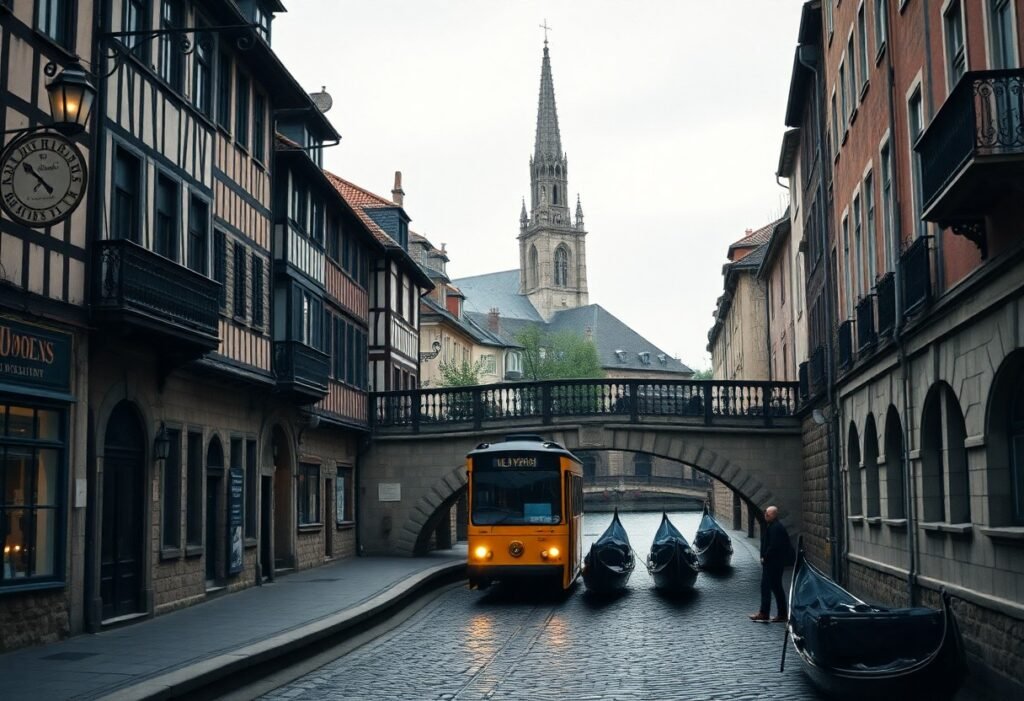
Over centuries you will trace layers of history across cobbled streets and grand squares; rich architectural heritage and living traditions guide your itinerary, while you must watch for pickpockets and uneven cobblestones in busy districts; sample regional cuisine, museums, and local festivals to appreciate the enduring cultural vitality, and consult reliable travel guides like Explore ancient cities of Europe and the Middle East to plan safe, rewarding routes that match your interests.
Key Takeaways:
- Historic architecture and layered urban planning reveal centuries of political, religious, and artistic change.
- Compact, walkable city centers link major monuments, museums, and markets, making on-foot exploration highly rewarding.
- Distinct local cuisines and seasonal festivals provide immersive cultural experiences that vary significantly across regions.
The Charm of Paris
Wandering the arrondissements, you trace layers from medieval Île de la Cité to Belle Époque boulevards; Paris has 20 arrondissements and a rhythm that changes block by block. You’ll notice the Seine’s quays, café terraces, and museum-packed blocks – expect concentrated history around the 1st, 4th and 7th. Plan time: the city’s best moments come when you stroll between landmarks rather than rushing to tick boxes.
Iconic Landmarks
From the Eiffel Tower (330 m; ~7 million annual visitors) to the Louvre (home to the Mona Lisa, 9.6 million visitors in 2019), you confront world-class sites that define Paris. You should book timed tickets for the Louvre and Eiffel to avoid hours-long queues, visit the Arc de Triomphe (about 50 m high) at sunset, and note that Notre-Dame has been under restoration since the April 15, 2019 fire, limiting interior access.
Hidden Gems
Seek quieter pleasures: the Canal Saint‑Martin (about 4.5 km) for picnic culture, Passage des Panoramas and Galerie Vivienne for 19th‑century shopping arcades, and Rue Crémieux’s pastel facades in the 12th. You’ll find fewer tourists and better photo light, but watch for pickpockets on crowded quays and metro connections around these charm spots.
More specifically, you can start the Canal Saint‑Martin walk in the 10th at Bassin de la Villette and follow iron footbridges toward the Seine; the Promenade Plantée (~4.7 km) rises near Bastille and offers elevated greenery; Musée Jacquemart‑André on Boulevard Haussmann showcases Italian masters and salon interiors, while Passage Jouffroy houses antique shops and the Musée Grévin nearby-all excellent for midday detours when you want local texture without the major crowds.
Rome: The Eternal City
Wandering through Rome, you encounter monuments from 70-80 AD like the Colosseum, which once held about 50,000 spectators, and modern life threaded around them; you can buy a combined Colosseum-Forum-Palatine ticket (standard ~€16) to save time, and watching sunset from the Capitoline gives unmatched views of rooftops and domes. Stay alert in crowded areas-pickpocketing is common-and prioritize early mornings to explore with fewer tourists and softer light.
Ancient Ruins
At the Roman Forum and Palatine Hill you trace layers dating back to the 8th century BC, spotting the Temple of Saturn, the Arch of Titus, and the Colosseum’s hypogeum remains; guided archaeological tours often include detailed stratigraphy explanations and cost around €20-30. Wear sturdy shoes because uneven stones and loose steps can be hazardous, and aim for the first opening hour to photograph monuments without crowds and to access restricted areas more easily.
Culinary Delights
Sampling Roman cuisine, you’ll chase dishes like cacio e pepe, carbonara, and amatriciana in trattorias across Testaccio and Trastevere, while the Jewish Ghetto serves carciofi alla giudia; espresso typically runs €1-1.50 and gelato €2-3 per scoop. Avoid menus that list inflated tourist prices-beware of inflated tourist prices-and favor places where locals crowd the counter for supplì or a late-afternoon aperitivo.
For deeper tasting, visit Mercato Testaccio for butchers and fresh produce or Campo de’ Fiori’s morning stalls, and reserve tables at spots like Da Enzo al 29 (Trastevere) or Felice a Testaccio-book ahead, especially on weekends. You should try street snacks such as supplì and sample aperitivo between 18:00-20:00 to discover seasonal Roman specialties while avoiding peak dinner waits that usually start after 20:00.
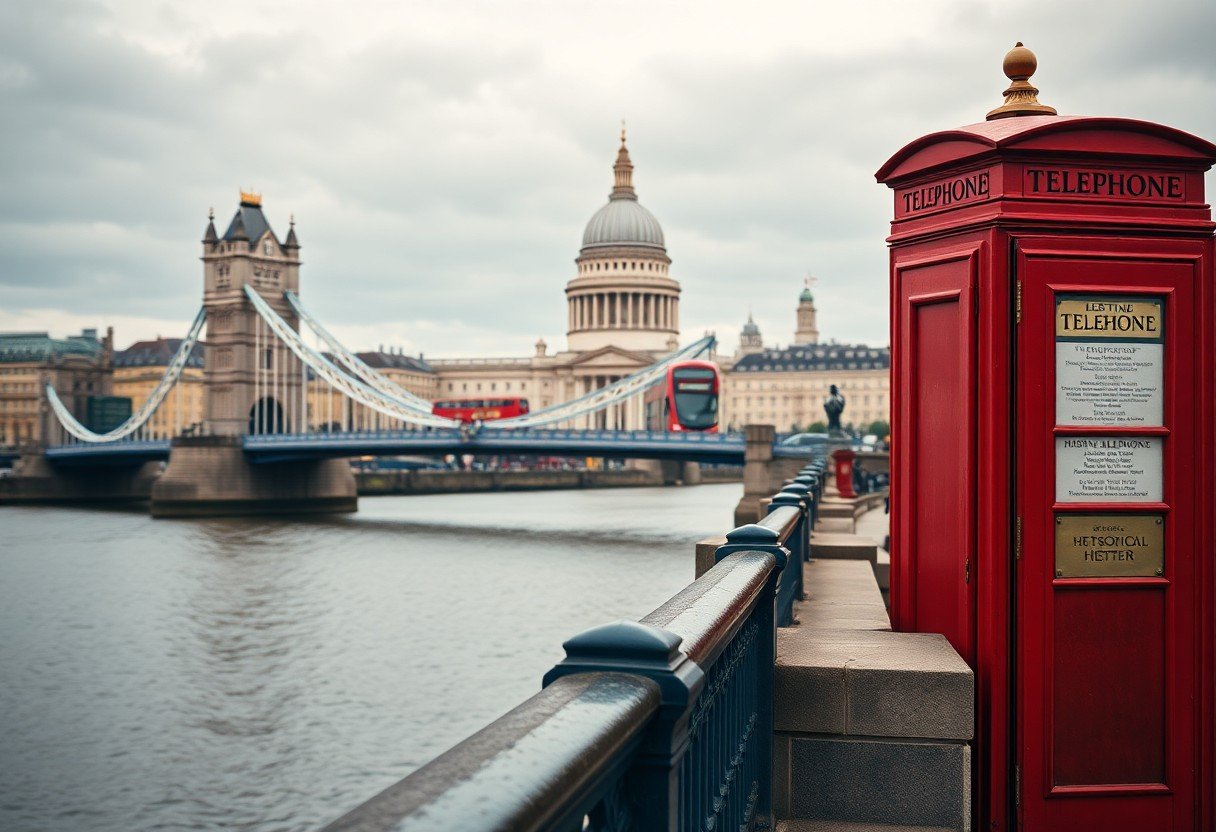
Exploring London’s Rich History
Wandering the capital, you pass layers from Roman Londinium (founded c. 43 AD) to modern landmarks. William the Conqueror’s Tower of London (White Tower begun 1078) holds the Crown Jewels, while the Great Fire of 1666 reshaped the City and led Sir Christopher Wren to rebuild St Paul’s between 1675-1711. The London Underground, opened in 1863, still threads centuries together as you move between eras.
Historic Sites
Begin at the Tower for guided Yeoman Warder tours and the Crown Jewels, then cross to Westminster Abbey (consecrated 1065) where coronations and royal funerals take place. You can glimpse the Elizabeth Tower’s clockface (Big Ben’s bell first rang in 1859) and walk the Mall to Buckingham Palace, the monarch’s main London residence since 1837; many sites offer timed entry to avoid crowds, and beware of pickpockets in busy tourist areas.
Cultural Experiences
You’ll find world-class museums-the British Museum (over 8 million objects, free entry) and the Tate Modern in a converted power station-alongside the West End’s roughly 40 theatres. Shakespeare’s Globe, rebuilt in 1997, stages open‑air performances linked to the original 1599 playhouse, while Borough Market and Southbank festivals supply food and street culture year-round.
For deeper immersion, book timed tours: at the British Museum you can see the Rosetta Stone (acquired 1802) and Parthenon sculptures, and the Tate Modern’s Turbine Hall commissions draw millions annually. You should reserve West End or Globe tickets in advance for peak months, and explore historic pubs near Fleet Street and Covent Garden to trace literary and theatrical history firsthand.
The Enchantment of Prague
Crossing the Vltava, you encounter a city where spires and bridges narrate centuries: Charles Bridge (begun 1357) links Old Town to the castle district, while Prague Castle, the world’s largest ancient castle complex (≈70,000 m²) overlooks the city; the Astronomical Clock (installed 1410) still draws hourly crowds in Old Town Square, and narrow lanes reveal Gothic, Baroque and Art Nouveau layers at every turn.
Architecture and Art
In St. Vitus Cathedral you feel Gothic vaults rise above royal tombs, then swing to the Municipal House (opened 1912) for Art Nouveau interiors and Alfons Mucha’s influence; you can study Cubist architecture at the House of the Black Madonna (1912) and find National Gallery holdings that range from medieval panel paintings to Mucha’s large-scale cycles, offering clear examples of how Prague fused styles across centuries.
Local Traditions
You’ll notice traditions in flavors and festivities: Old Town’s Christmas markets and Easter fairs display hand-painted kraslice, while the city’s beer culture – with Czechs drinking around 140 liters per person annually – leads you to long-established pubs; be aware of tourist-priced trdelník stalls on main squares and seek local bakeries for authenticity.
You can trace folk customs beyond markets: Masopust carnivals bring masks and processions before Lent, and breweries like U Fleků (est. 1499) still serve dark lager in historic halls; attending a small-kostum festival or visiting a neighborhood hosťovna gives you hands-on insight into living traditions rather than staged performances.
The Allure of Barcelona
Stepping into Barcelona, you feel the collision of medieval alleys and Catalan Modernisme: Sagrada Família towers over Eixample while the Mediterranean beach sits minutes away. You can spend mornings in colorful markets like La Boqueria with over 200 stalls, afternoons at Park Güell, and evenings sampling tapas in El Born. Pay attention to transport times-many attractions cluster within a 2-3 km radius-so you’ll maximize visits on foot or short metro rides.
Gaudí’s Masterpieces
Explore Gaudí’s legacy across seven UNESCO-listed sites: Sagrada Família (construction began 1882; Gaudí took over in 1883), Park Güell (1900-1914), Casa Batlló (1904-1906) and Casa Milà/La Pedrera (1906-1912). You’ll note organic forms, colorful mosaics and structural innovation; join a guided tour to understand his use of ruled surfaces and load-bearing solutions. Expect long lines-book tickets in advance, especially if you want to visit the towers; completion aims target 2026.
Vibrant Neighborhoods
In the Barri Gòtic, you wander Roman columns and the Cathedral; in El Born the Picasso Museum houses over 4,000 works from his formative years beside Santa Maria del Mar. You’ll find La Rambla packed with street performers and La Boqueria‘s stalls, but beware of pickpockets on crowded promenades and metros. For beaches, head to Barceloneta or Port Olímpic within 20 minutes from the Gothic Quarter.
Venture into Eixample to see Ildefons Cerdà’s 1859 grid and Passeig de Gràcia’s designer façades-Gaudí’s houses sit amid flagship stores-while Sant Antoni market, renovated in 2018, offers weekend book and food markets. You can climb to Bunkers del Carmel for sweeping views at sunrise; at night, stick to well-lit streets in Raval and El Born, as petty crime increases after midnight, but daytime exploration rewards you with cafés, hidden squares and exceptional Modernist detail.
Amsterdam’s Unique Heritage
Wandering Amsterdam’s 17th-century canal ring, you encounter a city whose UNESCO-listed waterways (added in 2010) span over 100 km and about 165 canals; roughly as many bikes as residents thread narrow streets. You can visit the Anne Frank House and the Van Gogh Museum, which holds a collection of over 200 works. Local life and spots often feature on lists like 25 Iconic European Cities to Explore, so expect crowds.
Canals and Museums
Glide past gabled merchants’ houses on a canal cruise and you’ll spot the Rijksmuseum’s centerpiece, Rembrandt’s Night Watch (1642), amid galleries that display thousands of Dutch Golden Age works. Anne Frank House limits daily entries to manage queues-book months ahead. Numerous houseboat communities and over 1,200 bridges create intimate viewpoints; you should time visits for early morning light to photograph reflections and avoid busy afternoons.
Cultural Festivals
King’s Day on April 27 turns canals into floating markets and streets into orange-clad celebrations, drawing hundreds of thousands who trade goods on vrijmarkts. Amsterdam Dance Event in October brings approximately 400,000 visitors and thousands of artists across clubs and venues. During Pride’s Canal Parade, you’ll see around 80 decorated boats and packed quaysides; plan for closures and crowded transport.
For deeper planning, target King’s Day neighborhoods like Jordaan and Oud-West for lively markets, and reserve ADE events in advance-some talks and concerts sell out. Winter’s Amsterdam Light Festival (November-January) offers mapped walks and boat tours. Expect amplified street noise and very crowded trams; protect your wallet and watch for cyclists when navigating pack-filled streets. If you want calmer experiences, attend weekday museum nights or smaller neighborhood festivals in De Pijp.
Final Words
To wrap up, your tour of Europe’s historic cities deepens understanding of how layers of empire, trade, and art shaped modern life; you can use guidebooks, local archives, and walking routes to deepen your insight. For further reading consult The History of Europe’s Cities: A Reading List to expand your perspective and plan informed visits.
