
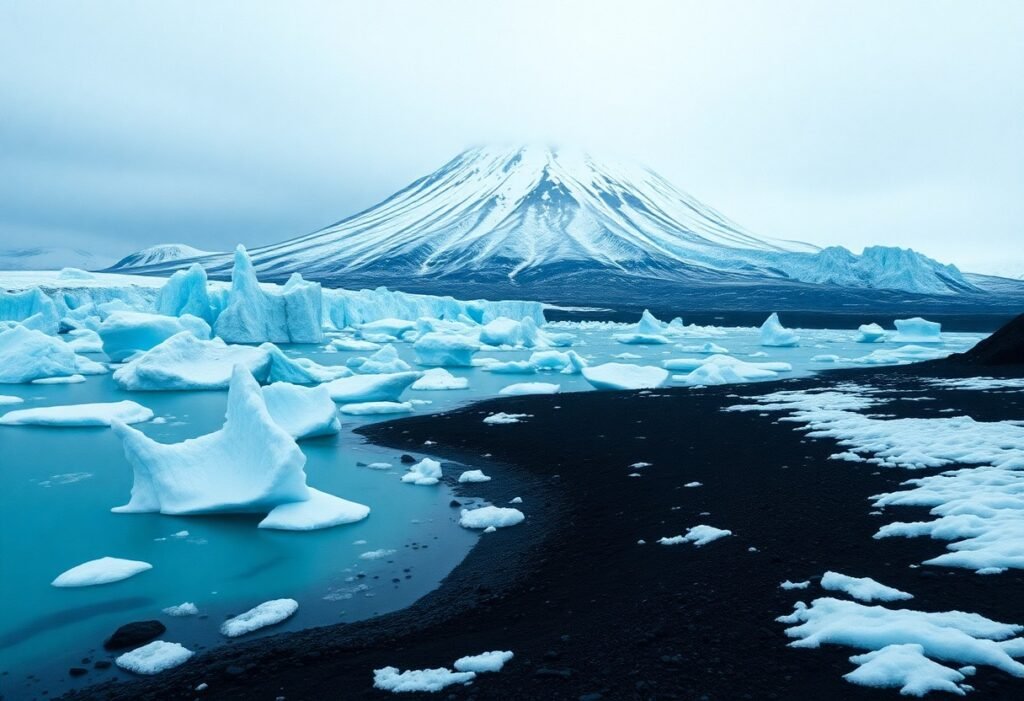
Travel to top snowy destinations where you should prepare for bitter cold and avalanche risk, while enjoying stunning alpine views and world-class winter activities across Norway, Japan, Canada and Switzerland.
Key Takeaways:
- Japan (Hokkaido) delivers consistent dry powder, world-class ski resorts, and unique winter festivals.
- Switzerland combines high alpine peaks, efficient mountain transport, and snow-covered villages ideal for scenic travel.
- Norway and Iceland offer dramatic fjords, Arctic light for aurora viewing, and accessible routes for winter hiking and dog sledding.
Switzerland: The Alpine Gold Standard
Switzerland’s dramatic slopes and efficient trains give you direct access to pristine snow, offering world-class skiing, charming villages, and endless photo opportunities; be aware of avalanche risk in remote terrain and hire guides for backcountry routes.
The Iconic Peaks of the Jungfrau Region
Jungfrau Region offers towering peaks and cogwheel trains that take you to high viewpoints for panoramic vistas; prepare for biting cold and slippery ice on exposed trails, so pack proper gear.
Luxury and Tradition in St. Moritz and Zermatt
St. Moritz’s glamour and Zermatt’s car-free charm give you luxury hotels, gourmet dining, and immediate slope access; expect premium prices alongside exceptional safety standards and professional mountain services.
Zermatt blends historic streets with the Matterhorn’s silhouette; you can ski glaciers year-round, book heli-skiing, or hire certified guides for steep, exposed terrain. St. Moritz delivers high-altitude pistes, exclusive events, and renowned spas. Expect elevated prices, potential altitude sickness above 3,000 m, and strict avalanche protocols-secure guides and travel insurance before arrival.
Japan: The Phenomenon of “Japow”
Japan’s “Japow” delivers dry, deep powder you chase through tight trees and open bowls; you should prepare for heavy snowfall, whiteouts, and potential avalanche risk.
Hokkaido’s Record-Breaking Snowfall
Hokkaido produces meter-deep snow and relentless storms; you will ski famed Niseko slopes, but plan for road closures and heed avalanche warnings.
Cultural Immersion in the Japanese Alps
Alpine villages offer steaming onsens, cozy ryokan stays, and local festivals; you can absorb culture while watching snow-clad shrines, yet stay cautious on icy walkways.
Experience staying in a ryokan to learn onsen etiquette, sample regional winter dishes, and join snow festivals; you must pack traction devices, check avalanche advisories, and allow extra travel time for storm delays to avoid serious hazards.
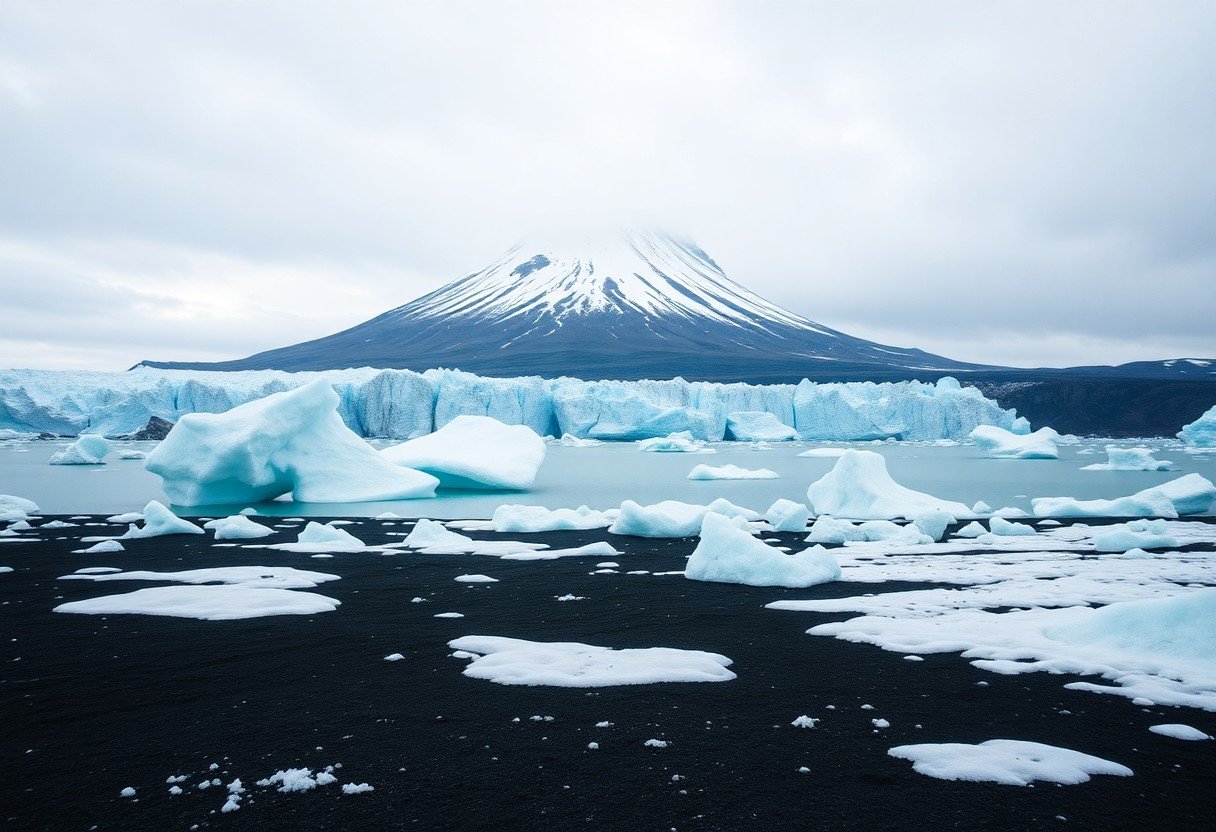
Iceland: A Land of Fire, Ice, and Glaciers
Arrive prepared for contrast: you cross steaming geothermal fields and towering glaciers, where hidden crevasses and sudden storms pose real danger, while aurora-lit nights reward patient travelers.
Exploring Subterranean Ice Caves and Frozen Lagoons
Venture into blue ice caverns with a guide, where slippery passages and falling ice are constant hazards; practice caution and respect restrictions to safely admire surreal formations and crystal-clear lagoons.
The Stark Beauty of the Vatnajökull Wilderness
Traverse expansive ice fields of Vatnajökull, noting roaring glacial rivers and sharp ridges; guided treks protect you from hidden crevasses while offering unmatched vistas and immense glacier views.
Consider timing your visit between late spring and early autumn for safer access; winter yields dramatic ice forms but brings extreme cold, limited daylight, and higher avalanche risk. You should hire experienced glacier guides, carry crampons and rope, and stick to marked routes to witness towering ice caps without risking hazardous terrain.
Essential Considerations for Winter Travel
Pack layers, travel insurance, and updated forecasts so you can handle whiteouts and avalanche areas; carry extra food, a headlamp, and charged power banks to stay operational during delays.
Specialized Gear for Sub-Zero Environments
Choose insulated base and mid layers, a down parka, waterproof boots, and mittens so you avoid hypothermia; include chemical warmers, a reliable stove, and spare batteries to keep equipment and you functioning.
Navigating Remote Landscapes Safely
Carry an avalanche beacon, probe, and shovel, file a trip plan with someone, and bring a satellite communicator to reduce risk from avalanche and isolation.
Plan routes that avoid steep, wind-loaded slopes and consult local avalanche bulletins before departure; bring GPS, paper maps, compass, and a charged satellite messenger. Travel with at least one partner, set conservative turnaround times, practice self-rescue drills, and stash an insulated emergency shelter plus extra fuel to resist hypothermia during unexpected overnighting while maintaining clear communication with your contact.
Summing up
Presently you should prioritize Norway, Japan, Canada, Switzerland and Iceland for consistent snow, varied winter activities and breathtaking alpine views; compare access, season windows and safety to choose the best fit for your skills and preferences.
