
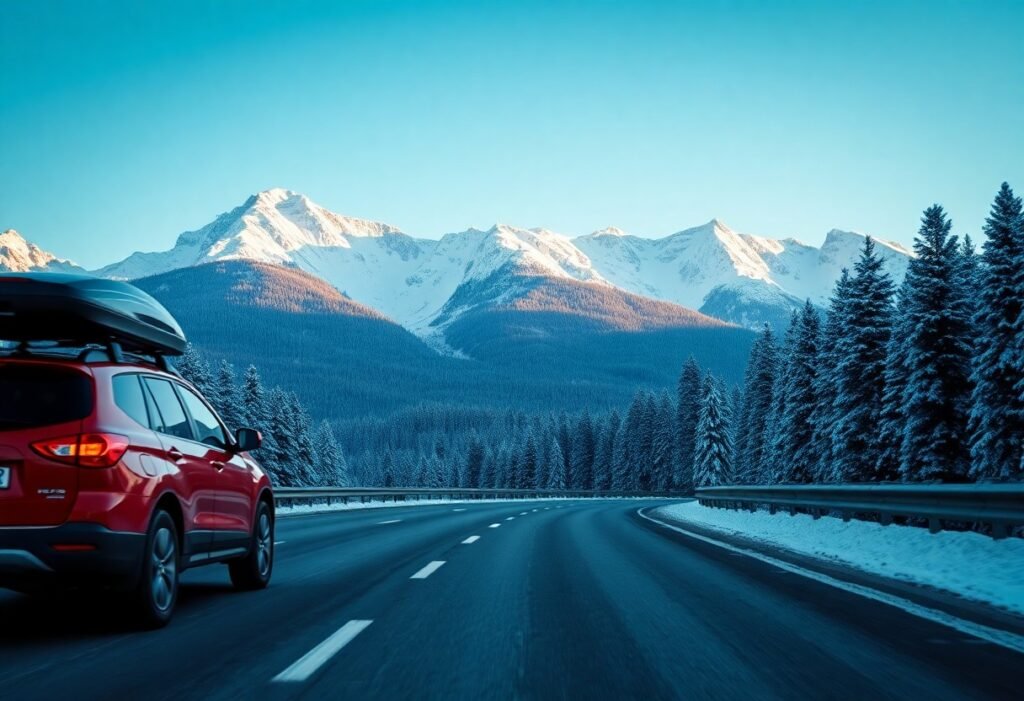
It’s prudent for you to plan routes that showcase breathtaking snowy vistas, check forecasts, and equip your vehicle with chains and emergency supplies to reduce risk from ice-covered passes.
Key Takeaways:
- Plan trips around daylight and short winter weather windows to maximize views of snow-covered scenery and reduce time on icy roads.
- Drivers should equip vehicles with winter tires, an emergency kit (blankets, shovel, jumper cables), and check avalanche warnings and road-closure updates before departure.
- Choose routes with regular pullouts, overlooks, and nearby lodging to keep daily driving short and allow safe stops for photography.
Essential Winter Vehicle Preparation
Preparation includes a full systems check: battery, antifreeze, brakes, heater and wipers; you should pack a shovel and tow straps and consult routes like Best Scenic Winter Drives in the Midwest for seasonal advisories.
Specialized Tires and Traction Requirements
Tires with proper tread and a winter rating give you grip; fit studded or dedicated winter tires where mandated and carry chains, checking pressure often to maintain performance.
Emergency Survival Kits for Sub-Zero Conditions
Pack a kit with warm layers, high-calorie food, water, a flashlight, and a battery-powered heater; include a whistle and signal mirror to stay visible until help arrives.
Carry an insulated sleeping bag rated for sub-zero, hand and foot warmers, spare socks and gloves, a compact shovel, jumper cables, a multi-tool, and a fully charged power bank; you should also add a first-aid kit, local maps, emergency contacts, and high-energy snacks. In severe cold the risk of hypothermia rises quickly, so create shelter, conserve heat, and signal with bright clothing or a reflective triangle while awaiting rescue.
Iceland’s Ring Road in Winter
Iceland’s Ring Road offers epic snowy drives, but you must respect ice-covered roads and fierce winds; plan for short daylight and frequent stops to enjoy geothermal hot springs. See planning tips: If you had 15 days to take a winter road trip at the end of …
Navigating the Arctic Coast Way
Coastal roads require a reliable vehicle; you should use 4×4 with winter tires, monitor weather hourly, and allow extra time for snowdrifts and limited services.
Chasing the Northern Lights Across Glacial Plains
Aurora chases reward patience; you should park off the road, keep a charged heater and emergency kit, and watch clear nights for spectacular displays over glacial plains.
Bring extra layers, a tripod for long exposures, and learn to read cloud cover; you should plan routes to remote viewing spots but avoid stopping on narrow shoulders-use designated pullouts and carry a GPS, shovel, and emergency blanket for ice incidents.
The Swiss Alps Grand Tour
Expect epic alpine driving where you’ll encounter snow-swept passes, quaint villages and glassy glaciers; you must prepare for icy roads and avalanche closures while enjoying unrivaled panoramic views that reward careful planning and proper winter gear.
High-Altitude Mastery of Mountain Passes
Ascend steep passes while you keep winter tires and chains fitted, watch for black ice and frequent closures, and time crossings in daylight; mastering altitude requires cautious speed, steady brakes and respect for sudden weather shifts to avoid slips or stranded vehicles.
Picturesque Villages and Glacial Panoramas
Discover charming timber chalets, steaming cafés and easy-access viewpoints where you can photograph glacial blue ice; plan for narrow roads and occasional snowdrifts, and relish the magical alpine atmosphere between active ski resorts and silent glacier fronts.
Plan visits during quieter weekdays so you can enjoy empty village squares and unobstructed glacier views; confirm local road clearing, rely on shuttle timetables, and heed avalanche advisories before hiking near crevassed ice.
Norway’s Atlantic Ocean Road
Coastal Winter Scenery and Frozen Fjords
Coastal roads wrap around islands where you see ice-choked fjords and glassy water. You should expect gale winds and slick, icy roads; drive slowly with winter tires to enjoy the snowy panoramas safely.
Engineering Marvels Amidst Arctic Storms
Bridges leap between skerries, engineered to withstand arctic storms; you’ll feel exposed crossing wave-swept spans. Carry chains, check forecasts frequently, and heed closures when conditions turn violent.
Expect exposed, low-visibility conditions where you rely on ongoing maintenance crews and heavy-duty designs to keep routes open. You should pack an emergency kit, warm layers, and spare phone battery; fit winter tires and carry chains. Local closures protect you from life-threatening wave surges, so follow advisories and appreciate the bold engineering that endures the sea.
Summing up
To wrap up, you should choose routes that match your driving skills and vehicle preparation, plan for weather and road closures, pack emergency gear, and aim for viewpoints that offer dramatic snowy vistas while respecting local safety rules.
