
Just pack an emergency kit, assess black ice and avalanche risks, and pick plowed routes and warm lodgings so you travel safely and enjoy tailored snowy road trip itineraries.
Key Takeaways:
- Match route and pace to traveler type-scenic slow drives with frequent stops for families, challenging backcountry passes for adventure seekers, and shorter, comfort-focused legs for luxury travelers.
- Prepare vehicle and gear for winter conditions: winter tires, chains if required, a stocked emergency kit, charged phone, and extra warm layers.
- Build a flexible itinerary that allows weather delays, includes indoor alternatives, and secures lodging or permits in advance when roads might close.
Essential Winter Vehicle Preparation
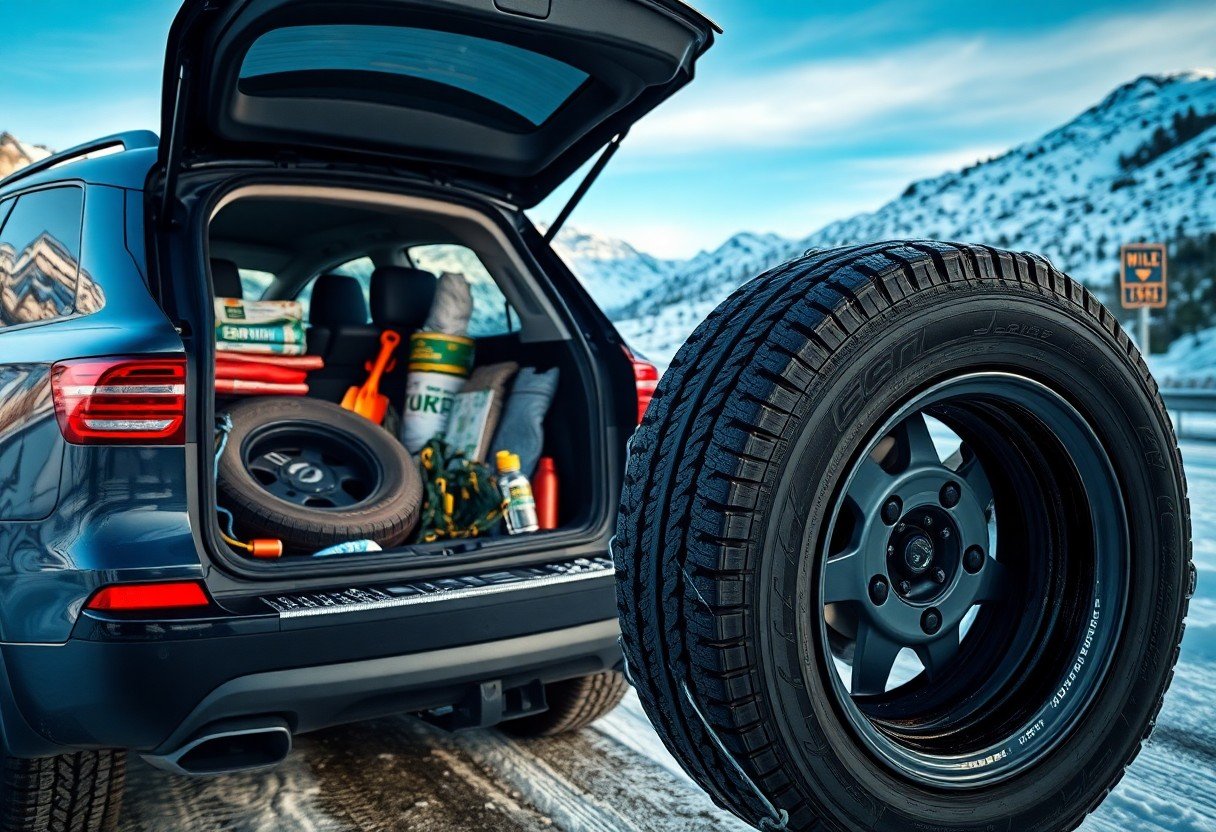
Prepare your vehicle with fluid checks, a full battery test, and working brakes before you go; carry chains and a shovel for deep snow. For route ideas, see the Winter Road Trip Through the Western US for hazard-aware planning.
Survival Kits and Safety Equipment
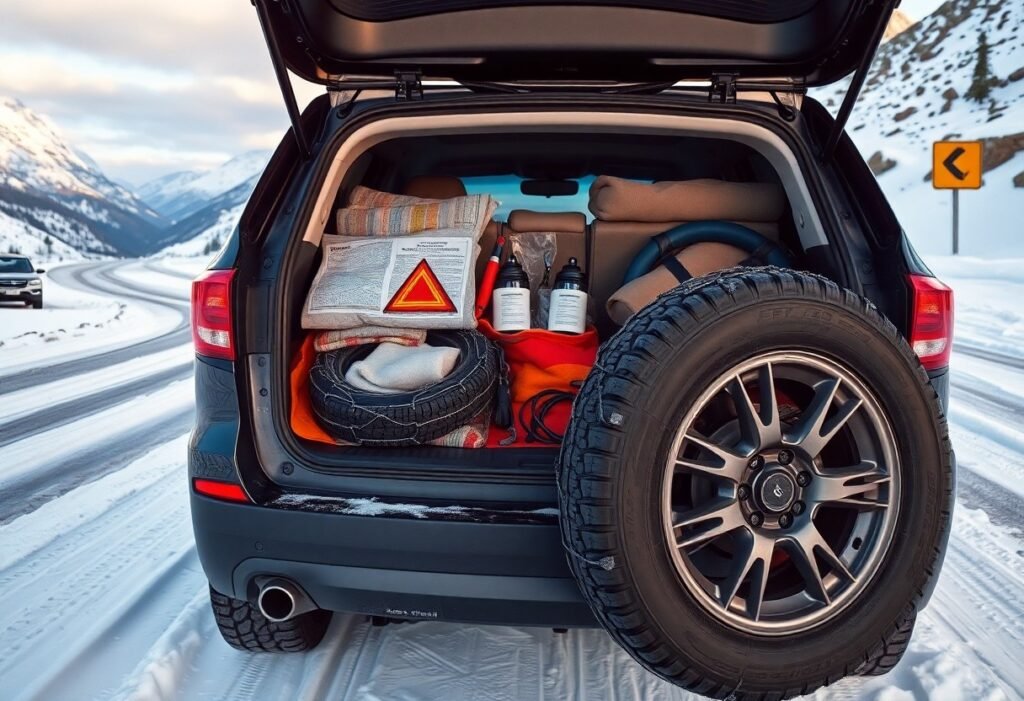
Pack a winter survival kit with blankets, extra warm clothing, food, water, and a flashlight; include a portable charger, first-aid kit, and reflective vest so you can signal for help if stranded.
Tire Selection and Mechanical Checkups
Check tire tread depth, pressure, and consider winter tires or chains for traction; inspect your battery and belts so you avoid breakdowns in freezing conditions.
Consider fitting true winter tires for sustained snow or ice since they offer far better grip than all-seasons; keep cold tire pressures at manufacturer levels, replace tires below 4/32″ tread for snowy roads, and carry chains where required. Have a mechanic verify brakes, charging system, belts, and heater-any failure can create life-threatening risks on remote, icy routes.
The Family Explorer: Magical Winter Wonderlands
Families love snowy village stops; you’ll sled, sip cocoa, and build memories, but plan for short daylight and icy roads. For solo-safety tips that help family prep check Winter Road Trip Alone: 40 Essential Tips for Survival & ….
New England’s Historic Holiday Village Route
Stroll through snowy Main Streets where you can shop local craft fairs, sample pies, and watch parades; expect limited parking and occasional black ice on side roads, so carry chains and patience.
Lapland’s Arctic Circle and Santa’s Workshop
Reach the Arctic Circle to visit Santa’s Workshop, meet reindeer, and hunt the aurora; you should plan for extreme cold and short days, booking guides for snowmobile or husky safaris.
Bring layered down, waterproof boots, goggles, and heater packs; you’ll want a 4×4 or guided transfer because roads get dangerously icy and distances are long. Book family cabins with wake alarms, prearrange guided tours for safety, and monitor local weather and avalanche reports before each drive to stay safe and maximize aurora chances.
The Romantic Couple: Secluded Cabins and Thermal Springs
Couples seeking intimacy will find secluded cabins, wood-burning stoves, and private thermal pools; you should plan for seasonal road closures and pack chains for winter drives.
Iceland’s Ring Road and Geothermal Pools
Ring Road loops present dramatic vistas and geothermal pools for nightly soaks; you should expect icy roads and scarce services in winter, so kit your vehicle and allow extra daylight for detours.
The Pacific Northwest’s Cozy Lodge Trail
Tucked into fir forests, cozy lodges offer private decks and wood-burning fireplaces; you should watch for snowbound passes and confirm 4WD or chains before setting off.
Plan a loop from Leavenworth through Mount Baker to the Olympic foothills, stopping at family-run lodges with private baths and fireplace suites. You should equip your vehicle with chains, check DOT winter advisories for snow closures, and pack extra fuel, food, and warm layers. Many lodges fill fast, so secure reservations for weekend stays.
The Landscape Photographer: Majestic National Park Loops
Photographers like you can follow multi-park loops that prioritize golden-hour access, pullouts, and minimal crowds. You should plan for icy mountain passes, pack traction devices, and allow extra time for stopped traffic to reach safe shooting spots.
Capturing Yellowstone’s Geysers and Wildlife
You can capture steaming geysers and elk at dawn; stay behind park barriers and keep distance from thermal features to avoid severe burns. Carry a long lens, check winter road closures, and time shots for rising steam against low sun.
Yosemite’s Iconic Granite Peaks Under Snow
Snow coats El Capitan and Half Dome, offering crisp compositions; you should scout accessible pullouts, use chains when required, and watch for avalanches in steep gullies.
Granite faces reflect low-angle light, so you should plan sunrise and blue-hour shoots from valley roads and higher viewpoints, carry polarized and wide-angle lenses, and expect slick granite and frozen trailheads. Check park alerts for road closures, bring traction devices, and heed avalanche advisories to protect you and wildlife.
Summing up
Drawing together the route options, you can pick itineraries that match your pace, from family-friendly scenic drives to adventurous backcountry loops, with practical tips on safety, timing, and gear so you travel confidently and make the most of every snowy mile.
