
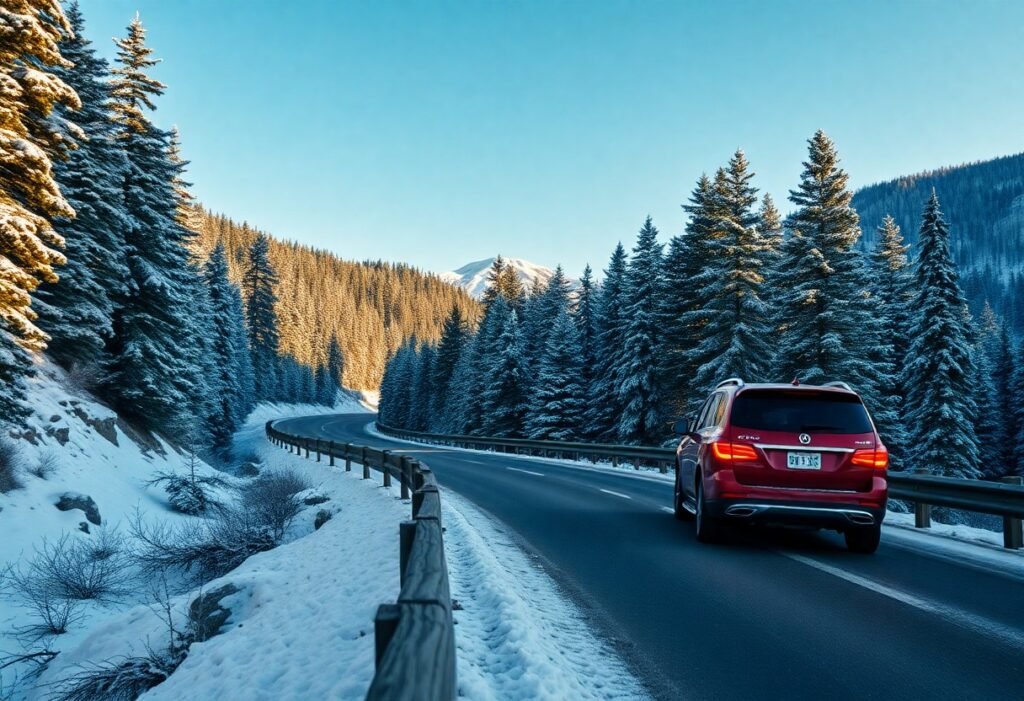
Most winter routes reward you with breathtaking vistas but present icy passes and avalanche-prone sections; you must carry chains, an emergency kit, and check road closures before driving.
Key Takeaways:
- Choose routes with reliable winter maintenance and frequent scenic pullouts-top picks include Icefields Parkway (Canada), San Juan Skyway (Colorado), and Norway’s Atlantic Road-for safer travel and uninterrupted views.
- Plan driving times around daylight hours, local weather forecasts, and road advisories to maximize stops and avoid hazardous conditions.
- Pack winter tires or chains, emergency gear, warm clothing, food, water, and camera equipment, and allow extra time for photo stops and route delays.
Iceland’s Ring Road: A Frozen Volcanic Landscape
Driving Iceland’s Ring Road in winter, you encounter steaming geothermal fields, snowcapped volcanoes and treacherous icy roads; allow extra time, carry chains, and savor unmatched solitude and dramatic views.
The South Coast’s Waterfalls and Black Sand Beaches
Along the South Coast you find thundering waterfalls, basalt cliffs and black sand beaches; heed sneaker waves, icy paths, and short daylight when shooting photos.
Optimal Regions for Chasing the Northern Lights
North and East Iceland offer the darkest skies and frequent aurora sightings; you should prepare for subzero cold, remote roads, and check cloud and geomagnetic forecasts before heading out.
From Akureyri and Lake Mývatn to the East Fjords and Westfjords, you’ll want to hunt auroras away from town lights during September-April; monitor KP index, cloud cover and road reports, carry spare batteries and warm layers, and be ready for black ice and isolated roads that can strand you overnight.
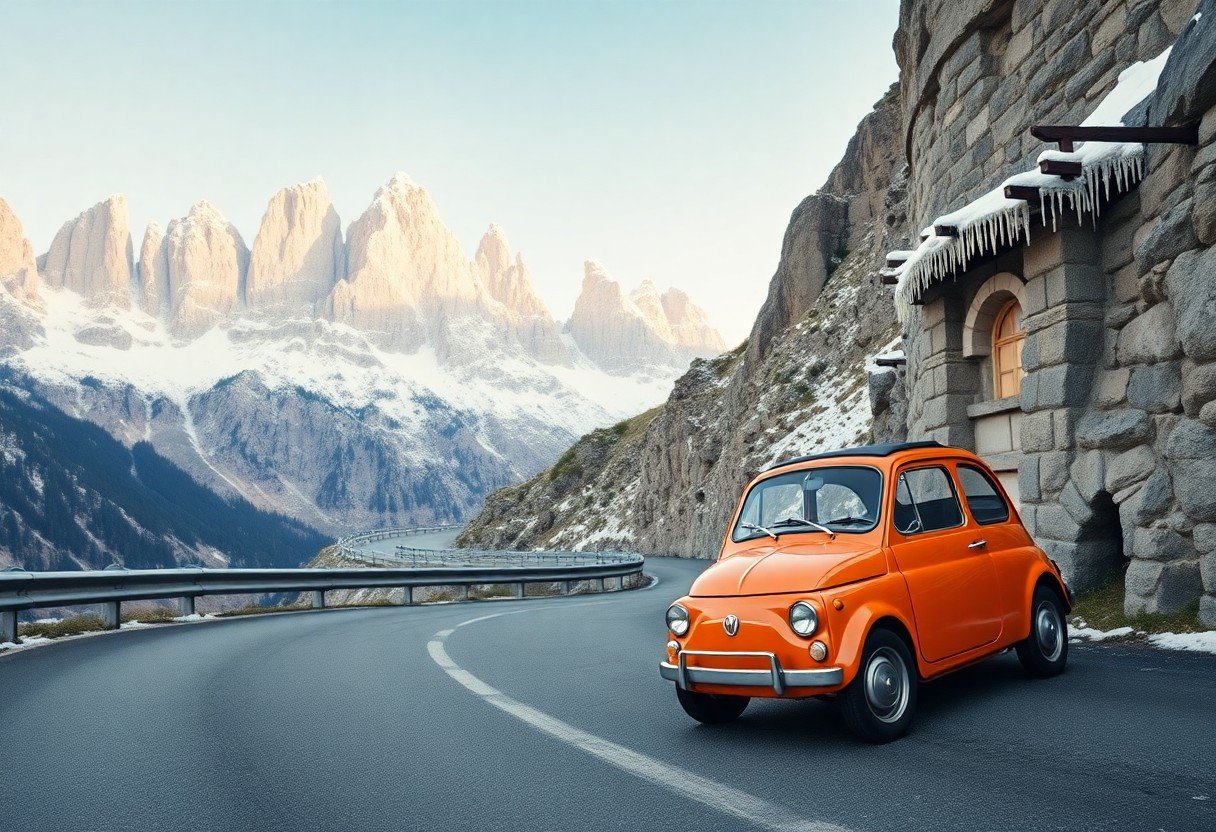
The Great Dolomites Road: Italy’s Alpine Masterpiece
The Great Dolomites Road gives you breathtaking vistas across jagged peaks and hairpin turns; expect icy passes, possible closures, and required chains-plan accordingly. See related tips at Michigan winter scenic drives and attractions.
Iconic Vistas of the Sella and Marmolada Groups
Sella and Marmolada place you amid snow-dusted summits where breathtaking panoramas await; watch for strong winds at exposed viewpoints.
Winter Driving Logistics in High-Altitude Terrain
High-altitude sections force you to carry chains and winter tires; you must heed weather reports since black ice and sudden closures increase danger.
Before your ascent, you should confirm local chain and winter-tire laws, top off fuel, and download offline maps since cell coverage can be patchy. You must practice installing chains in a safe spot, adjust tire pressure for cold, and pack an emergency kit with warm layers, food, shovel, and a flashlight. When descending, use engine braking and avoid abrupt steering; if avalanche warnings exist, follow closures-avalanche risk and black ice are the top hazards. You’ll find well-cleared passes, frequent refuges, and breathtaking rest stops that reward cautious driving.
The Million Dollar Highway: Colorado’s Majestic Peaks
You will encounter narrow, winding roads with steep drop-offs and sweeping views of snow-capped peaks; carry chains, drive cautiously, and allow extra time for winter delays.
Traversing the San Juan Skyway
Expect hairpin turns and high passes offering panoramic views; keep daylight drives to reduce risk and use winter tires or chains for icy patches.
Historic Mining Towns and Winter Hot Springs
Discover quaint mining towns and steaming hot springs where you can relax after a day on icy roads; plan extra time for limited services and watch for black ice on side streets.
Winter visits to towns such as Ouray, Silverton, and Telluride reward you with historic charm and thermal pools; bring supplies, verify open businesses, monitor local avalanche and road reports, and outfit your vehicle for icy passes to reduce hazards.
Technical Preparation for Extreme Winter Conditions
You must gear up for subzero temps, ice, and limited services; consult the Top 100 Winter Road Trips for route choices, and plan for tire chains, full fuel, and emergency shelter.
Essential Vehicle Gear and Emergency Kits
Pack a kit with a shovel, tow strap, tire chains, jumper cables, thermal blankets, and first aid, plus extra fuel, food, water, and a charged power bank to sustain you during long delays.
Monitoring Alpine Weather and Road Closures
Check avalanche forecasts, DOT alerts, and local webcams daily so you avoid whiteouts and sudden closures; set alerts on official apps before you depart.
Track forecasts from national services, regional avalanche centers, and state DOTs, and call highway dispatch when conditions look threatening; use road cams and official social feeds to confirm closures. If you see heavy accumulation, drifting, or posted avalanche danger, delay travel or choose lower-elevation alternatives and carry extra fuel and shelter.
Summing up
To wrap up, you should prioritize safety, scout road conditions, equip your vehicle for cold, and allow extra time so you can relish snowy passes, frozen lakes, and illuminated towns with confidence on every must-visit winter route.
