
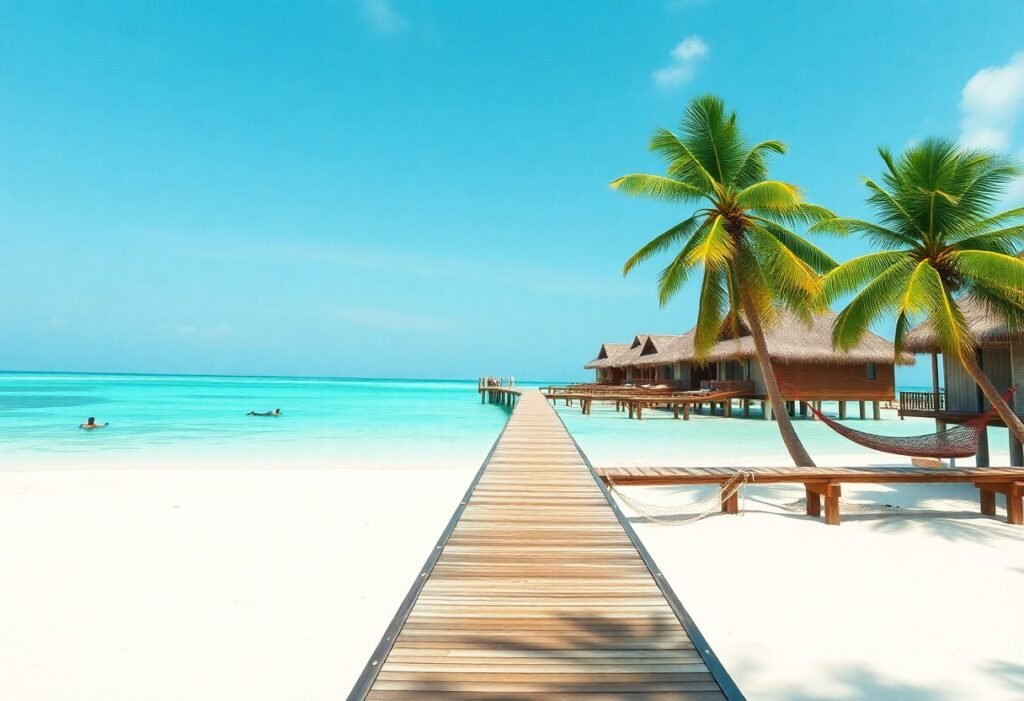
Most beach escapes hinge on planning: you should choose the right season, book beachfront lodging and study local conditions; peak season timing affects crowds, rip currents and sun exposure are dangerous so you must follow warnings, and crystal-clear waters and secluded coves make tropical trips unforgettable. For inspiration and vetted options, consult Top 10 Tropical Beaches – Map My Heart Blog and tailor your itinerary to maximize safety and enjoyment.
Key Takeaways:
- Choose the right beach vibe and activities – tranquil coves for relaxation, surf breaks for adventure, and coral reefs for snorkeling/diving.
- Plan around season and crowds; book accommodations, transfers, and key activities in advance to secure the best options and prices.
- Pack and prepare for safety and sustainability: reef-safe sunscreen, sun protection, basic first-aid, and respect local ecosystems while supporting community businesses.
Popular Tropical Destinations
Across tropical belts you can target island groups that fit your priorities: the Caribbean for easy flights and resort infrastructure, the South Pacific for remote motus, Southeast Asia for budget-friendly variety. For instance, the Caribbean contains about 700 islands, the Maldives about 1,190 coral islands in 26 atolls, Indonesia spans over 17,000 islands, and the Philippines has 7,641 islands; factor in hurricane (Jun-Nov) and monsoon seasons when planning.
Caribbean Islands
In the Caribbean you’ll find graceful beaches like Grace Bay (Turks and Caicos) and diverse vibes from party-focused Aruba to tranquil St. Lucia. The region excels at sailing, family resorts, and reef snorkeling, yet you must plan around hurricane season (June-November) and occasional strong rip currents; charter options, island-hopping ferries, and regional flights make shifting your base easy if weather disrupts plans.
Southeast Asian Paradises
Across Thailand, the Philippines and Indonesia you’ll access world-class dive sites, budget bungalows, and luxury villas-Bali, Palawan, Phuket and Koh Phi Phi are classic picks. Indonesia’s >17,000 islands and the Philippines’ 7,641 offer staggering variety, while places like Raja Ampat boast exceptional coral biodiversity; be mindful of seasonal monsoons and strong currents at popular dive spots.
For more detail, focus on dive hubs: Raja Ampat reportedly holds about 75% of known coral species in the region and supports 1,300+ reef fish species, Palawan offers limestone lagoons and easy access to Puerto Princesa underground river, and Bali mixes surf and culture. You should plan inter-island transport (boats often run on fixed schedules), pack mosquito protection for dengue-prone areas, and book peak-season transfers well in advance.
Activities to Enjoy on Beach Holidays
When you plan your days, mix active and mellow options: snorkel over coral gardens with guided trips lasting 2-3 hours to see parrotfish and hawksbill turtles, hike coastal trails between secluded coves, or book a 90‑minute sunset cruise to spot dolphins. Rent a stand‑up paddleboard for 30-90 minutes or take a 1.5‑hour surf lesson. Check local advisories first-rip currents and sudden squalls are the most dangerous risks to monitor.
Water Sports Adventures
You can chase adrenaline with kitesurfing in Tarifa or windsurfing in Maui; beginner kitesurf courses typically run 3-5 days with daily 2-3 hour on‑water sessions. Scuba diving opens reefs at 10-30 m with PADI‑certified guides; expect two 40-50 minute dives on an introductory boat trip. Always prioritize safety-use certified instructors and inspect weather and equipment before heading out.
Relaxation and Wellness Experiences
You might start with sunrise yoga (30-60 minutes), book a 60-90 minute signature massage, or soak in thalassotherapy pools that use seawater to aid recovery. Many resorts offer 1‑ to 3‑day wellness packages combining spa treatments, guided meditations, and nutritious menus. Verify therapist licenses and guest reviews; sun exposure and dehydration are common pitfalls to manage while you unwind.
Consider a multi‑day retreat: Bali and Phuket resorts commonly run 3‑day programs with daily yoga, detox meals, and two spa treatments; prices typically range from $300-$1,200 depending on inclusions. Try contrast therapy-hot sauna followed by a cool ocean dip-to boost circulation, and schedule treatments in late afternoon to avoid peak UV hours and maximize recovery.
Accommodation Options
If you’re weighing where to stay, factor in distance to the beach, on-site amenities, and cancellation terms; beachfront rooms can cost 20-50% more but save you daily transfers and time. Look for properties with 24-hour reception and lifeguard access if you plan water activities, and scan recent reviews for reports of erosion, flooding or poor drainage-these are common problems in low-lying areas during monsoon season. Aim to book 3-6 months ahead for peak windows.
Luxury Resorts
You’ll find overwater villas, private plunge pools, 24-hour butler service and curated excursions at top resorts like Four Seasons Bora Bora, Soneva Fushi or Amanpulo. Expect rates from $600-$2,500 per night in high season; suites often include direct reef access and complimentary guided snorkeling trips lasting 2-3 hours. If you want uninterrupted luxury, plan for a 4-7 night stay to make long transfers and premium pricing worthwhile.
Budget-Friendly Stays
You can stretch your budget with hostels, guesthouses and family-run bungalows charging about $10-$80 per night in places like the Gili Islands, El Nido or Sri Lanka’s south coast. Shared kitchens, bike rentals and included local breakfasts lower daily spend, while organized day trips often run $20-$50. Check for mosquito protection, safe drinking water and nearby lifeguard coverage-some low-cost properties skimp on those safety basics near surf breaks.
To save more, negotiate weekly rates-many guesthouses offer 20-40% discounts for seven-plus nights-and book through platforms with verified reviews and free cancellation. Factor in transport: a 2-3 hour ferry usually costs $10-$40, whereas short regional flights can exceed $150, so compare total trip costs (accommodation plus transfers) rather than just nightly rates.
Family-Friendly Beach Destinations
Favor sheltered bays and shallow lagoons when you travel with children; you’ll find minimal surf and easy wading at places like Grace Bay (Turks and Caicos), Wailea (Maui) and Clearwater Beach (Florida). Many family resorts provide tidal pools, playgrounds and lifeguards on duty (typically 09:00-17:00), and choosing sandy seabeds over rocky shorelines reduces scraping hazards for first swims.
Activities for Kids
Pack your days with junior snorkel courses for ages 6+, guided tide-pool walks led by marine educators, surf lessons using foam boards, and sandcastle competitions that often include prizes; many resorts run kids’ clubs for ages 3-12 with staff ratios around 1:6-1:8. You can also book short glass-bottom-boat tours or calm-lagoon kayak sessions to keep non-swimmers engaged.
Safety Considerations
Always swim between flagged areas and follow lifeguard instructions; if a rip current grabs you, stay calm and swim parallel to shore until free. For children under 12 use USCG‑approved life jackets instead of inflatable armbands, apply broad‑spectrum SPF 50+ every two hours, and check local advisories for jellyfish, reef hazards or strong tides before entering the water.
Bring a compact first-aid kit, waterproof ID bracelets with your phone number, and confirm local emergency numbers (dial 911 in the U.S., 112 in the EU). Rent properly rated PFDs for boat or paddle activities, avoid swimming during posted stinger seasons-northern Australia’s box jellyfish peak November-May-and set a strict buddy system so you always know where your children are.
Romantic Getaways
For intimate escapes, choose islands like the Maldives, Bora Bora or Seychelles where overwater bungalows and secluded beaches let you unwind; book during the dry season and check resort transfer times to avoid late-night arrivals. Many couples prefer private-villa options with plunge pools and personalized butler service-compare top picks in the 10 Best Tropical Destinations for 2026. Also confirm emergency access and local marine advisories-rip currents and jellyfish are seasonal risks.
Ideal Couples’ Retreats
Choose adults-only resorts or secluded private villas with plunge pools, direct beach access and in-room spa services (60-90 minute massages). Book a 2-hour sunset cruise or a guided snorkeling trip to coral gardens; plan activities early morning or late afternoon for calmer seas. Verify healthcare proximity and transfer times-medical response can be delayed on remote islands, so factor that into your itinerary and travel insurance.
Sunset Dining Experiences
Reserve beachside or overwater dinners 1-2 weeks ahead and aim to arrive 30-45 minutes before sunset to catch the best light; menus often showcase local seafood like grilled lobster or tuna ceviche. Ask about tide schedules and weather backups-rising tides or sudden squalls can force last-minute changes. Expect prix-fixe options typically ranging from $80-$300 per person at luxury resorts and bring a light wrap for breezy shorelines.
For more detail, you should choose settings that match your mood: a private sandbank dinner offers absolute seclusion-expect boat transfers of 10-30 minutes and a typical 90‑minute service-while clifftop restaurants give panoramic views with less marine risk. Sample menus at resorts like Four Seasons Bora Bora or Soneva Fushi feature local tuna tartare, grilled reef fish and coconut panna cotta, often paired with small-batch rum or Champagne. When booking, confirm lighting, mosquito control and a backup indoor option; ask whether the chef can accommodate allergies and note cancellation windows (usually 24-48 hours). For safety, review local marine stinger seasons and request a lifebuoy on sandbank transfers-safety checks and clear pickup times prevent evening logistics from spoiling the experience.
Planning Your Beach Holiday
Best Time to Travel
Time your trip around local seasons: in the Caribbean the dry season runs December-April with calmer seas and higher rates, while the Atlantic hurricane season spans June-November with peaks in August-September; Southeast Asia is best November-February for low rainfall and 25-30°C temperatures. You can avoid crowds by choosing shoulder months like May or October and consult historical rainfall and wind statistics before booking.
Essential Packing Tips
Pack multi-use items: breathable, quick-dry clothing, a high-SPF reef-safe sunscreen (SPF 30-50), a compact first-aid kit, and a waterproof bag for electronics; include closed-toe shoes for rocky shorelines and photocopies of documents. Recognizing airline baggage limits and local baggage fees will help you prioritize crucials and avoid unexpected charges.
- sunscreen – reef-safe, SPF 30-50
- first-aid kit – include antiseptic, blister plasters, pain relief
- waterproof bag – for phone, camera, and documents
- insect repellent – DEET or Picaridin depending on destination
Take destination-specific extras: a well-fitted snorkel mask, a portable battery pack (10,000-20,000 mAh), prescription meds in original containers, and a printed itinerary with local emergency contacts because many islands have limited medical facilities. Recognizing the distance to the nearest hospital and whether clinics accept travel insurance guides what medical supplies you should pack.
- snorkel mask – ensure a good seal to avoid fogging
- portable battery pack – 10,000-20,000 mAh for multi-day use
- prescriptions – originals plus photocopies and generic names
- dry bag – 3L for phone to 30L for day-trip gear
Conclusion
Presently you can choose from diverse beach holiday ideas – from secluded island escapes and family-friendly resorts to adventure-packed surf trips and luxury wellness retreats – to craft your perfect tropical getaway; prioritize season, activities, and accommodation to match your comfort and budget, and you’ll make the most of sun, sea, and local culture.
