
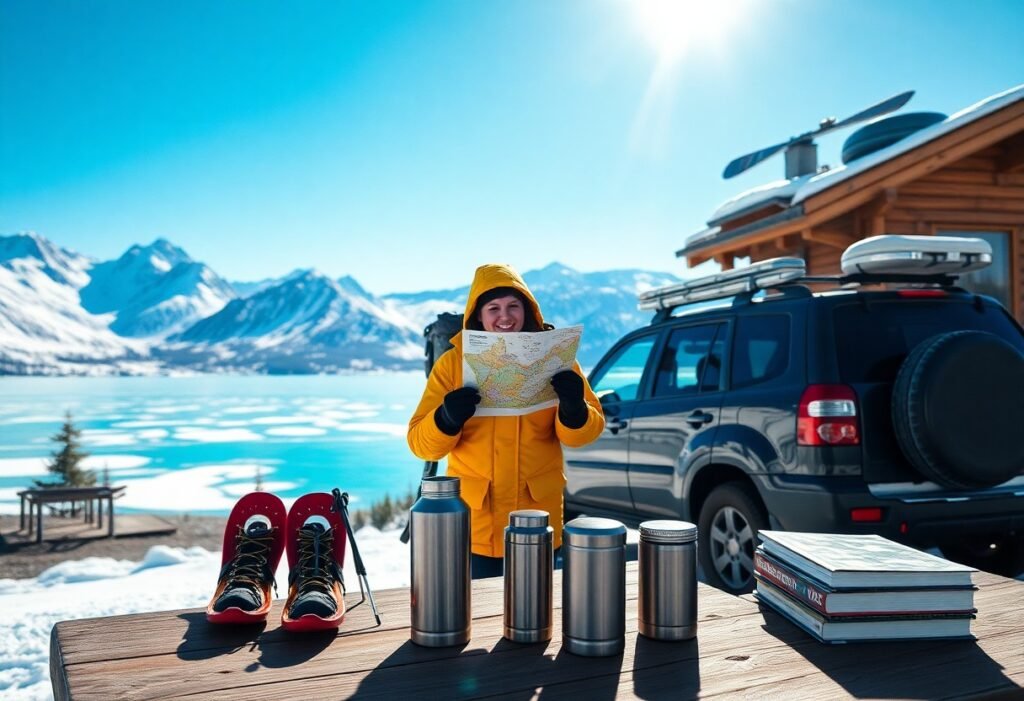
Just pack layered clothing, a charged beacon and spare batteries; pack multiple insulating layers to cut cold, and carry tools to avoid avalanche and hypothermia risks. You will enjoy breathtaking views-see Bucket List-Worthy Winter Vacation Ideas for Every Traveler.
Key Takeaways:
- Layered clothing and quality cold-weather gear keep you warm and comfortable; pack moisture-wicking base layers, insulated mid-layers, a waterproof outer shell, warm hat, gloves, and sturdy snow boots.
- Destination choice should match activity preferences and skill level, from groomed-resort skiing and cozy winter cities to guided backcountry trips and glacier tours; check seasonal conditions and access before booking.
- Weather-related delays and hazards are common in winter; bring an emergency kit (extra warm layers, high-energy snacks, headlamp, portable charger), plan flexible travel days, and buy travel insurance that covers winter-sport incidents.
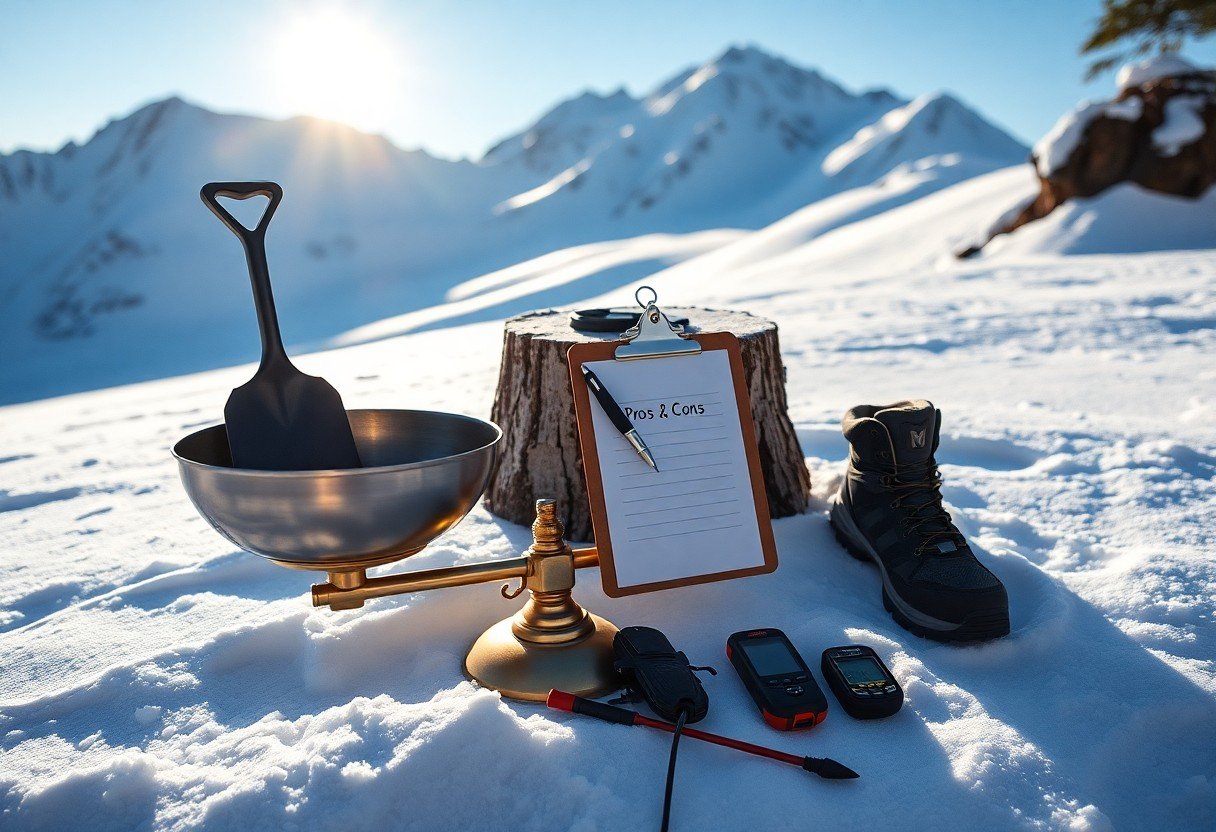
Weighing the Pros and Cons of Winter Exploration
Winter travel forces trade-offs: you enjoy stunning, quiet vistas and off-season perks, yet face cold injuries, unpredictable delays, and extra gear needs; plan for short daylight and weather windows to balance risk and reward.
| Pros | Cons |
|---|---|
| Pristine views | Hypothermia & frostbite risk |
| Lower crowds | Avalanche danger |
| Better photo opportunities | Limited daylight |
| Off-season deals | Road closures & flight cancellations |
| Unique winter activities | Higher gear costs |
| Clear night skies | Icy, technical trails |
| Peace and solitude | Reduced services |
| Wildlife sightings | Cold-related equipment failure |
The Benefits of Pristine Landscapes and Lower Crowds
Snow-blanketed areas give you quiet, unspoiled scenery, superior photo frames, and far fewer people, so you can move at your own pace and often score better deals on lodging and activities.
Managing Cold-Related Risks and Logistical Delays
Cold conditions force you to prepare for hypothermia, frostbite, and travel interruptions; pack redundancy, build time buffers, and keep an emergency plan visible and accessible.
Prepare layered clothing systems, including a warm base, insulating mid-layers, and a waterproof shell, plus insulated gloves and a warm hat. Keep electronics insulated and spares in waterproof bags; store fuel and food that won’t freeze. Check local avalanche forecasts and road reports before departures, share itineraries with someone, and carry an emergency kit with a bivy, headlamp, and hand warmers. Factor extra travel days into your schedule and buy flexible tickets or trip insurance to reduce disruption.
Final Words
Taking this into account, you can plan safe, thrilling winter trips by packing layered gear, checking forecasts, and choosing activities that match your skills; consult Survive And Thrive: How To Make The Most Of Winter Travel for practical tips and route ideas.
