
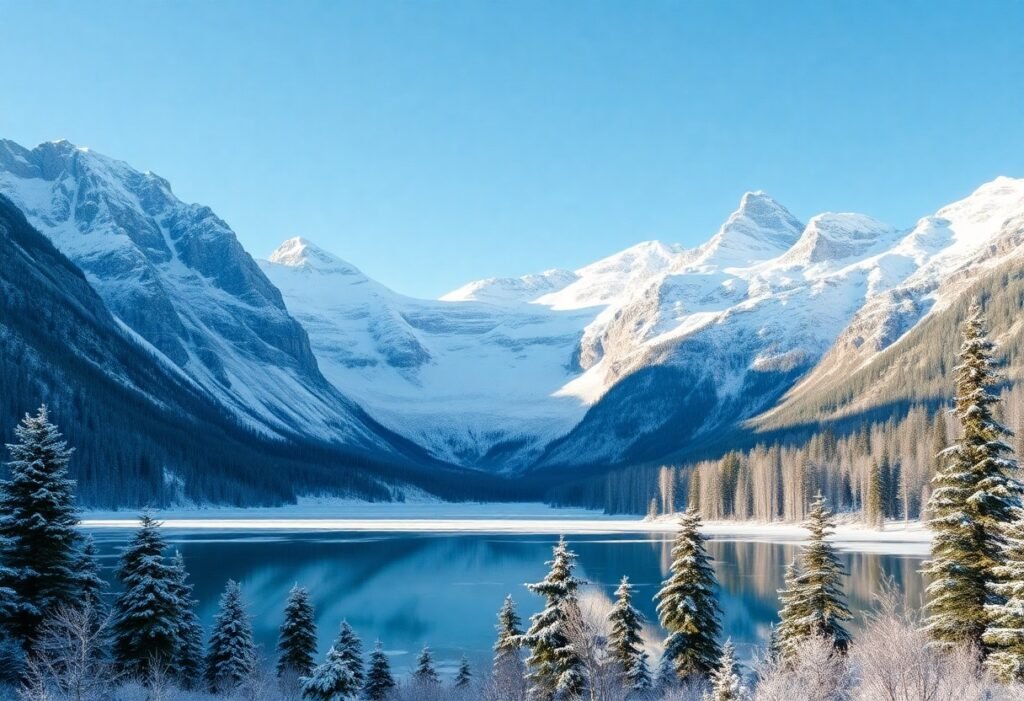
It’s imperative you carry proper gear, heed avalanche risks, and follow local guidance to safely enjoy stunning snowy vistas.
Key Takeaways:
- Global examples include Arctic fjords, alpine peaks, and glacial valleys, each offering distinct scenery and activities such as skiing, ice-trekking, and aurora viewing.
- Best times to visit depend on destination: midwinter delivers deepest snow and night-sky displays, while late winter and early spring offer longer daylight and easier travel; pack layered clothing, sturdy boots, and safety gear.
- Warming temperatures and changing precipitation are shrinking snow cover and retreating glaciers; choose low-impact travel options, hire local guides, and follow leave-no-trace practices.
The Polar Frontiers: Arctic and Antarctic Wonders
Arctic winds and Antarctic silence test you with subzero temperatures and shifting ice; you witness towering glaciers and migrating wildlife while respecting dangerous crevasses and fragile ecosystems.
Svalbard’s Untouched Glacial Valleys
Svalbard’s glacial valleys offer you pristine icefields, close polar bear sightings, and silent fjords, but you must respect unstable ice and extreme cold while trekking.
The Pristine Ice Shelves of Antarctica
Antarctica’s ice shelves present you with vast blue crevasses and towering ice cliffs; you witness slow calving into sea while guarding against hypothermia and falling seracs.
You can approach these shelves via research vessel or aircraft, observing ancient ice that stores climate history while scientists monitor rapid melting and collapsing rifts. Operators require permits and experienced guides because hidden crevasses and sudden storms pose real hazards, yet the scale and stunning blue ice formations offer unparalleled scientific insight and visual reward.
Enchanted Winter Woodlands: Forests of the North
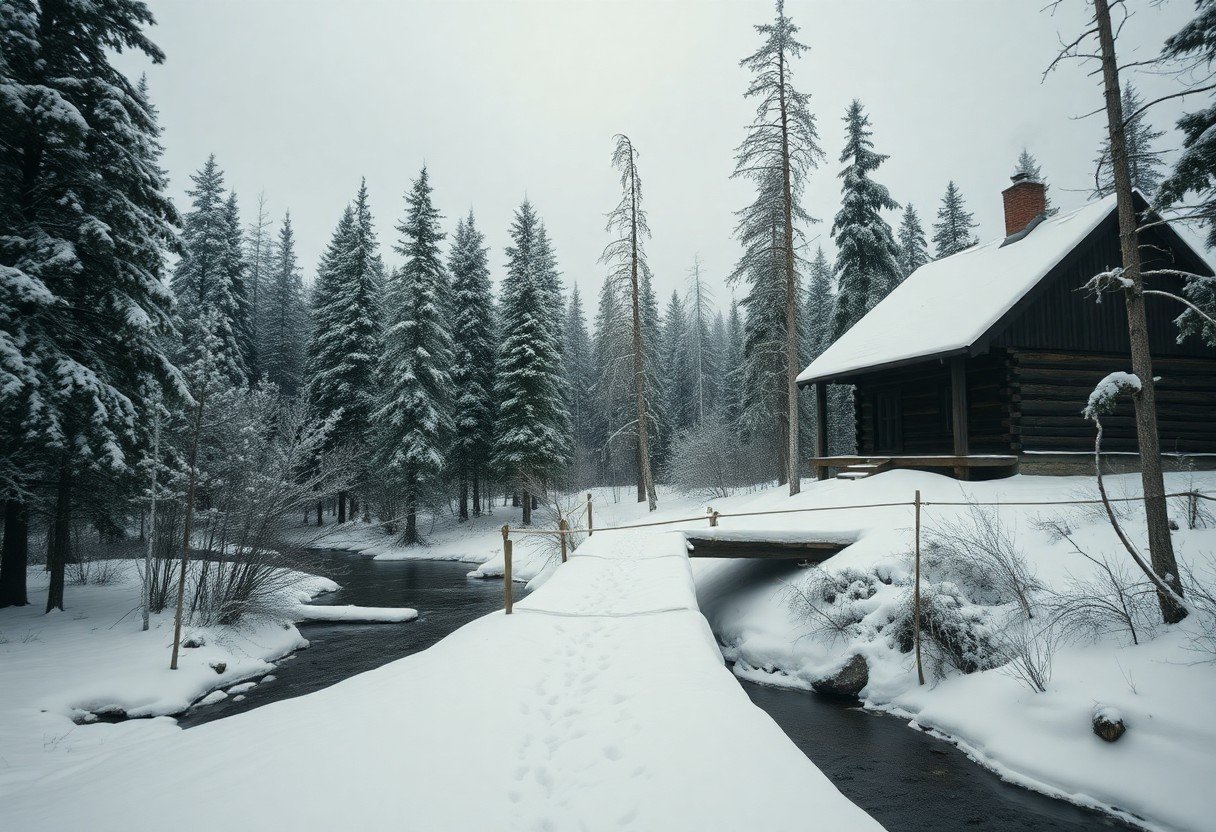
Ancient pines cloak the trails as you tread through a hush of snow; you must watch for hidden ice while enjoying aurora-lit clearings and restful solitude.
Lapland’s Snow-Laden Taiga
Lapland’s taiga wraps you in powder and bitter wind; expect extreme cold and slick surfaces, but find dog-sled rides, reindeer encounters, and endless night-sky displays.
The “Snow Monsters” of Zao, Japan
Zao’s tree sculptures tower around you, formed by rime and wind; take care of avalanche-prone slopes while you photograph the otherworldly, frosted figures.
You can witness these “juhyo” when supercooled water droplets freeze onto conifers during strong winds and heavy snowfall, producing towering, bulbous forms; the prime viewing window is January-February. Ride the ropeway for safe panoramas, but heed avalanche warnings, stick to marked runs, and use crampons or snowshoes if you go off-trail to avoid hidden ice hazards and falls.
Glacial Masterpieces: Ice Caves and Frozen Lagoons
Beneath jagged tongues of ice, you witness towering blue caverns and frozen lagoons, where shifting temperatures and hidden crevasses demand skilled guides and caution.
Exploring Iceland’s Crystal Blue Caves
Inside Iceland’s crystal-blue caves, you glide through otherworldly light while avoiding unstable ceilings and seasonal closures; local guides keep you safe and reveal surreal ice textures.
The Deep Blue Depths of Lake Baikal
Lake Baikal offers you jaw-dropping clarity and the world’s deepest lake vistas, yet walking frozen expanses requires vigilance around ice cracks.
Visiting Baikal, you encounter 1,642-meter depth waters visible through glass-clear winter ice, frozen methane bubbles and sculpted pressure ridges; expect severe cold, remote access and potentially thin or cracked ice, so you must travel with experienced guides and proper equipment.

Cultural Winterscapes: Remote Settlements in the Snow
Settlements tucked beneath persistent snow show how communities thrive; you witness resilience and seasonal rituals, and you can explore remote hamlets using guides listed in 32 Winter Wonderlands Around the World to plan visits and respect local customs.
Traditional Life in the Greenlandic Tundra
Greenlandic families maintain centuries-old hunting and fishing routines; you learn survival skills, face extreme cold, and experience a culture where community bonds are a source of warmth.
Architecture and Light in Norway’s Lofoten Islands
Rugged islands showcase vivid wooden rorbuer and angled light; you photograph the Aurora above fjords while mindful of treacherous winter seas and strong winds.
Explore the Lofoten archipelago to find striking contrasts: red fishermen’s cabins cling to rocky shores, neon-dawn and low winter sun create dramatic light for photography, and you must prepare for sudden storms and icy roads-local guides will keep you safe and point you to secluded coves and active fishing communities.
Practical Considerations for High-Latitude Exploration
Preparation for high-latitude travel demands attention to weather, daylight, and emergency plans; you should pack for extreme cold, test gear, and carry a satellite beacon to reduce risk.
Essential Gear for Extreme Cold
Layering provides core warmth; you should choose a waterproof outer shell, insulating mid-layers, and extreme-cold boots, plus insulated gloves, goggles, a hat, and spare batteries for electronics.
Best Times for Peak Snow Conditions
Timing winter trips around local seasons gives you the highest snow quality; you should aim for mid-winter for deep powder but watch for storm-related hazards and limited daylight.
Consider latitude, altitude, and local weather patterns when choosing dates; near the Arctic, January-March often delivers stable cold and abundant snow, while maritime regions may peak earlier. You should monitor avalanche forecasts, plan for short daylight, and keep flexible bookings to avoid being caught in severe storms that can close routes or strand you.
Final Words
With these considerations you can plan winter trips to witness snowy vistas, choose safe routes, and pack gear for comfort. Visit Grab Your Hot Cocoa and Enjoy These 15 Gorgeous … for curated spots and practical tips to help you savor the season.
