
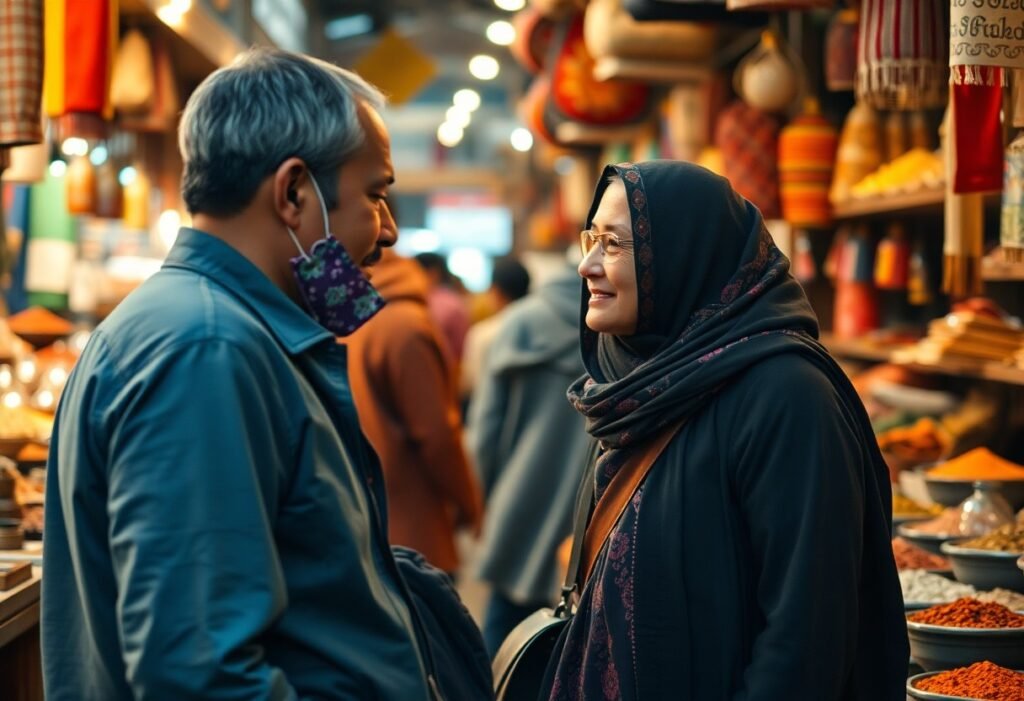
Many travelers seek authentic experiences, but achieving respectful cultural immersion requires thoughtful strategies. You can enhance your journey by understanding local customs, engaging with residents, and supporting local businesses. Avoid imposing your cultural norms and be open to learning; this approach fosters genuine connections. Always practice mindfulness and humility, recognizing that you are a guest in another culture. With these strategies, your travels can become not just an adventure, but a profound exchange that honors and enriches the places you visit.
Key Takeaways:
- Engage with local communities through direct interaction and participation in cultural practices.
- Prioritize sustainable practices that respect local customs and environments.
- Educate yourself about the history and traditions of the places you visit to foster deeper connections.
Prioritizing Local Voices: Engaging with the Community
Engaging with local communities enhances your travel experience and fosters mutual respect. By connecting with residents, you not only gain richer insights into their culture but also support the local economy and its preservation. Seek opportunities to participate in community-led events and workshops, ensuring your interactions are based on genuine interest rather than mere tourism.
The Importance of Local Guides and Resources
Local guides offer unparalleled access to culturally significant experiences that often evade typical tourist paths. By utilizing their expertise, you gain deeper insights into traditions, customs, and history that shape the area. Engaging local resources creates a more authentic narrative, allowing you to appreciate the nuances implicit in daily life.
Creating Authentic Connections Through Conversations
Conversations with locals serve as windows into their everyday realities, enabling you to understand their values, aspirations, and concerns. Approach discussions with curiosity and openness, asking questions that encourage storytelling. Such dialogues often reveal not only cultural beliefs but also personal experiences that reflect broader social contexts.
These authentic connections foster a sense of community and shared understanding. Engage with locals about their favorite spots, challenges they face, or cultural celebrations; this creates a bond that enriches your journey. For instance, asking about local cuisine can lead to insights about agricultural practices or family traditions, turning each interaction into a collaborative cultural exchange. Embrace these moments as opportunities for mutual learning, as each conversation adds a deeper layer to your travel narrative, empowering both you and the locals you meet.
Rules of Cultural Etiquette: Navigating Social Norms
Understanding cultural etiquette can enhance your travel experience significantly. You will navigate social norms more effectively by learning the expected behaviors and customs of the local population. This might include greetings, gestures, and dining customs that vary widely across cultures. Familiarize yourself with the Cultural Immersion: 10 Tips for Deeper Travel Experiences to ensure a more respectful interaction with local communities.
Understanding Traditions and Taboos
Traditions and taboos play necessary roles in shaping cultural identities. You must research the significant customs that dictate social interactions, such as gift-giving practices or religious observances. For instance, in some cultures, showing the soles of your shoes may be considered disrespectful, while in others, removing your shoes before entering a home is mandatory.
Dressing Appropriately: A Visual Language
Your clothing choices often speak volumes about your respect for a culture. In many regions, inappropriate attire can lead to misunderstandings or offense. Adopting local dress codes not only shows respect but also helps you blend in, making interactions more meaningful.
Specific cultures have distinct dress codes that signal respect and understanding. For example, in conservative Muslim countries, women may need to wear hijabs or modest clothing, while Hindu temples often require visitors to cover their shoulders and legs. Learning about local attire can prevent negative first impressions. Observe how locals dress in different contexts—ceremonial events often demand more formal attire, whereas casual settings might allow for relaxed clothing. Ultimately, dressing appropriately helps bridge cultural gaps while enhancing your overall travel experience.
Sustainable Choices: Balancing Tourism and Preservation
Tourism impacts regions profoundly, making sustainable choices imperative for preservation. Engage with local cultures responsibly by prioritizing eco-friendly practices and supporting communities. By opting for services that emphasize sustainability, you can enhance your travel experience while minimizing your footprint. Consider reading more about Cultural Immersion: How to Travel Respectfully and … for deeper insights.
Eco-Friendly Accommodations and Experiences
Selecting accommodations that adhere to sustainable practices reduces your environmental impact. Look for hotels certified by Green Key or similar organizations, which prioritize energy efficiency and waste reduction. Engage in outdoor experiences that promote conservation, such as guided nature walks or eco-tours, ensuring your activities benefit both you and the planet.
Supporting Local Economies Through Ethical Spending
Spending your money ethically while traveling can significantly benefit local communities. Choose to buy handmade products or dine at family-owned restaurants, which often allocate a higher percentage of profits to the community.
Moreover, investing in local businesses not only enriches your travel experience but also fosters economic resilience. Research destinations that focus on fair trade practices, ensuring artisans receive fair wages for their work. Supporting local markets, craft shops, and tour operators contributes to community sustainability while offering you authentic experiences. By making conscious purchasing decisions, you can help alleviate poverty and empower communities to thrive amidst the pressures of mass tourism.
Expanding Horizons: Learning Beyond the Itinerary
Delve deeper into your travel experiences by embracing opportunities for learning beyond your planned itinerary. Engage with local traditions, and broaden your cultural understanding through interactive experiences. For a comprehensive look at this enriching approach, explore Cultural Immersion: The Deepest Way to Experience Travel.
Participating in Workshops and Local Activities
Immersing yourself in workshops or local activities offers unparalleled insights into a community’s way of life. Cooking classes, artisan crafts, or traditional music sessions allow you to develop tangible skills while forging authentic connections with locals. These experiences cultivate a profound appreciation for the culture, often leaving you with lasting friendships and memorable stories to share.
Embracing Spontaneity: The Value of Unplanned Adventures
Unplanned adventures can lead to the most memorable travel encounters. Spontaneity often reveals hidden gems—whether it’s stumbling upon a vibrant street festival or discovering a quaint café tucked away from tourist paths. These moments foster a deeper connection with the culture and its people, allowing you to experience life as a local rather than as a visitor.
Allowing for spontaneity can transform your travel experience into something extraordinary. Consider a time you ventured off the beaten path—perhaps you wandered into a street market or engaged in conversation with a stranger. Such moments can lead to unique insights into customs and lifestyle that no guidebook can provide. Embracing the unexpected not only enriches your journey but also enhances your understanding of the diverse world around you, proving that the best experiences often happen when you let go of strict plans.

Reflecting on Experiences: Integrating Insights Post-Travel
Post-travel reflection allows you to synthesize the lessons learned during your journey. By journaling or discussing your experiences with others, you can distill meaningful insights that contribute to personal growth. This process helps bridge the gap between travel and reality, enabling you to understand how different cultures view life. Engaging in self-reflection facilitates a deeper appreciation of your own beliefs and values in contrast to others, fostering empathy and understanding in everyday interactions.
Maintaining Connections and Continuing the Dialogue
Staying connected with individuals you met during your travels can enrich your understanding of their cultures. Use social media or messaging platforms to share updates, ideas, and resources. These connections foster ongoing dialogue, allowing for a continuous exchange of perspectives that enhances both your personal growth and theirs. Informal chats or virtual meetings can transform acquaintances into lifelong relationships, empowering you to support one another in cultural appreciation and challenge misunderstandings.
Translating Lessons into Everyday Life
Integrating insights from your travels into your daily routine transforms your experiences into lasting change. Adopt practices that resonate with you, whether it’s culinary skills learned from a local chef or community initiatives that inspired you to engage with social issues. These lessons can redefine your priorities, such as emphasizing sustainability in your consumption habits or volunteering locally, echoing the values you encountered abroad. This proactive application reshapes your worldview, making every day a part of your ongoing cultural immersion.
Your travels can lead to tangible changes in how you interact with the world. For example, if a visit to a resource-scarce community highlighted the importance of conservation, you might choose to reduce single-use plastics and support local sustainability efforts at home. Engaging with your local community through volunteer work or cultural events can amplify the impact of your travel lessons, creating a ripple effect that encourages broader societal respect and understanding. By translating these experiences into actionable steps, you foster a culture of appreciation and empathy in your everyday life.
Final Words
To wrap up, engaging in meaningful travel strategies allows you to immerse yourself respectfully in various cultures. By researching local customs, engaging with community members, and supporting local economies, you enhance your travel experience while promoting cultural appreciation. Prioritizing authenticity and open-mindedness ensures that your interactions are enriching and respectful. As you commence on your journeys, let your curiosity drive your exploration, fostering connections that extend beyond mere sightseeing.
