
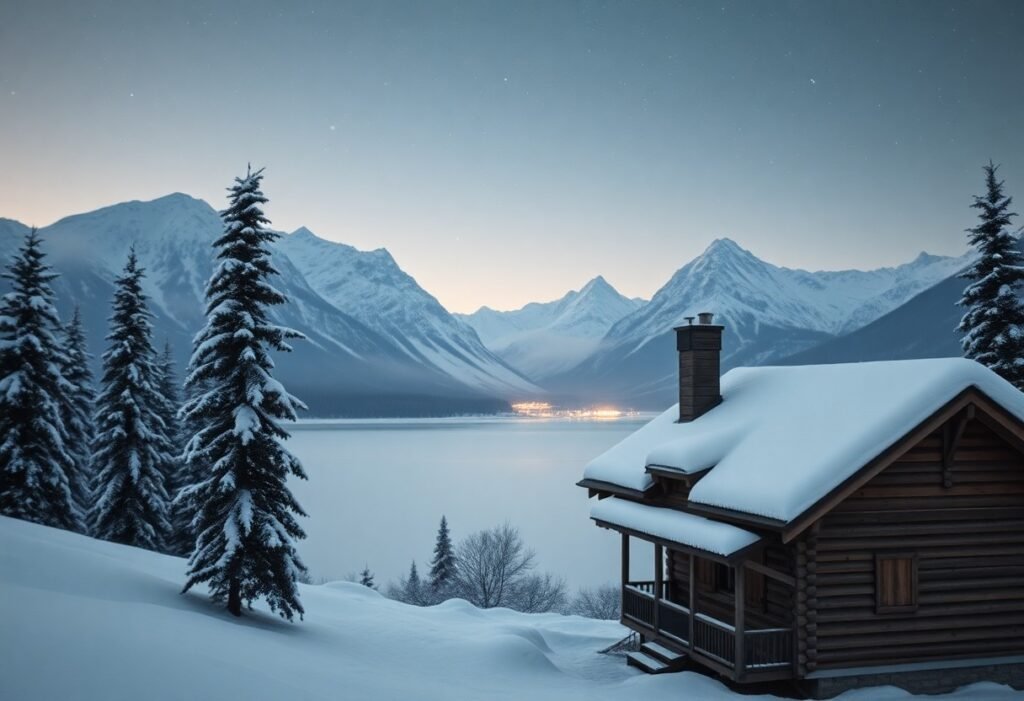
Many snowy destinations reward you with breathtaking views; you should pack warm layers, watch for avalanche risk, and consult guides like World’s most beautiful winter scenes before you go.
Key Takeaways:
- Plan visits for sunrise or late-afternoon light to capture soft-glow snowy scenery; check forecasts, avalanche reports, and road conditions before traveling.
- Pack insulated layers, waterproof boots, traction devices, and a compact emergency kit; keep phone and camera batteries warm to prevent rapid drain in cold.
- Include activities like snowshoeing, ice-skating on cleared lakes, and scenic sled rides to experience varied winter moods; book guided tours for unfamiliar backcountry.
Majestic Alpine Peaks and High-Altitude Retreats
You will encounter towering summits and high-altitude refuges where thin air and steep slopes sharpen your skills while rewarding you with sweeping panoramas and quiet, snowy solitude.
The Swiss Alps: Iconic Slopes of Zermatt
Zermatt’s groomed pistes and glacier runs let you ski beneath the Matterhorn; expect world-class lifts, crowded peaks during peak season, and sudden weather shifts that demand local guidance.
The Dolomites: Italy’s Jagged Winter Skyline
Dolomites’ serrated ridges create sunny contrasts where you can ski the Sellaronda; watch for ice on exposed couloirs and unstable snowpacks on steep faces.
Cortina and Val Gardena offer charming towns, lively après-ski, and access to the Sellaronda circuit you can ski in a day. Routes include sheltered valley runs and exposed high-altitude traverses where cornices, wind slab, and variable snowpack increase avalanche risk; you should carry a transceiver, probe, and shovel and consider hiring a guide. Rifugi serve hearty meals and sunlit terraces, making extended stays especially rewarding.
North America’s Premier Mountain Escapes
Explore sweeping peaks from Banff to Aspen where you can chase powder, icy backcountry, and alpine towns; note avalanche risk and plan with guides while enjoying world-class skiing and cozy lodges.
Banff National Park: Canada’s Turquoise and White Wilderness
Marvel at turquoise lakes framed by snow where you can hike frozen shores, spot elk, and ski nearby; obey park closures to avoid thin ice and icy trails.
Aspen Snowmass: Sophistication in the Colorado Rockies
Ski pristine bowls and groomers, then relax in town with art galleries and fine dining; expect luxury resorts, big crowds, and occasional altitude sickness-pack water and pace yourself.
You can split time across four mountains-Aspen Mountain, Snowmass, Buttermilk, and Aspen Highlands-to access varied terrain for beginners to experts; book lessons for steep gullies, hire guides for off-piste runs, and mind avalanche advisories and sudden storms while enjoying vibrant après-ski and direct ski-in lodging.
East Asian Winter Masterpieces
Explore East Asian winter icons where you can chase powder stashes, admire ice-coated pines, and follow 37 Snow bucket list ideas to find both magical views and icy hazards.
Hokkaido: Japan’s Legendary Powder Snow
Experience Hokkaido where you can ski pristine ultra-dry powder, soak in hot springs, and respect whiteout conditions that require careful planning for safe, unforgettable runs.
The Ethereal Frozen Landscapes of Huangshan
Wander Huangshan’s frosted peaks where you’ll see ice-draped pines and surreal rock formations; watch for slick, steep paths while chasing unforgettable sunrises.
Bring crampons, layered clothing, and a headlamp when you trek Huangshan; you’ll use cable cars to reduce exposure but must still face freezing temperatures, hidden ice, and crowded ridges-hire a guide for safer, richer views.
Remote Polar Frontiers
Venture to polar frontiers where you face whiteout blizzards and surreal ice formations; you must rely on expert guides and strict safety plans. Join the conversation: What are your favorite winter adventures?
Svalbard: High Arctic Tundra
Svalbard challenges you with bone-chilling cold and potential encounters with polar bears; guided snowmobile trips and strict permits keep you safe while you witness extended Arctic light.
Antarctica: The Pristine Silence of the Seventh Continent
Antarctica greets you with stunning ice cathedrals, near-total silence, and extreme isolation; expedition protocols and emergency evacuation plans are non-negotiable for safe travel.
You can expect bucket-list wildlife sightings-penguins, seals, and whales-alongside towering icebergs and fragile sea ice that hides deadly crevasses. Expedition crews enforce strict biosecurity and emergency protocols; evacuation windows are limited, so your fitness and gear matter. Travel with IAATO-affiliated operators during the austral summer for safer shore landings and the best light for photography.
Essential Preparation for Winter Expeditions
Before you set out, check forecasts, pack layers, and plan routes; carry a map, GPS, and emergency shelter. Expect rapid weather shifts and potential frostbite or hypothermia risk-keep extra insulation and high-energy food on hand to stay safe and comfortable.
Advanced Layering and Technical Gear Selection
Layer your system: a moisture-wicking base, insulating mid, and a waterproof breathable shell; choose technical gloves, insulated boots, and a helmet if needed. Prioritize windproof materials and a reliable stove. Carry a repair kit and backup navigation to reduce exposure in avalanche-prone terrain.
- Base: merino or synthetic for moisture control.
- Mid: synthetic or down for compressible warmth.
- Shell & tech: waterproof, breathable, plus helmet and probe if crossing steep slopes.
Quick Gear Guide
| Item | Purpose |
|---|---|
| Base layer | Wicks sweat to prevent chill |
| Insulation | Traps heat during rest and storms |
| Waterproof shell | Blocks wind and moisture |
| Avalanche beacon | Rescue signaling in burial scenarios |
Photography Techniques for Snowy Environments
Aim for manual exposure to avoid blown highlights; use exposure compensation +1 to +2 stops for snow, apply a polarizer to cut glare, and use a lens hood to reduce flares. Protect gear from condensation and keep batteries warm to prevent rapid power loss.
You can refine shots by setting a custom white balance or using a gray card to avoid blue casts, and by reading the histogram to protect highlights. Use a sturdy tripod for long exposures and fast primes for low light, keep spare batteries in an inner pocket to prevent power loss, and dry equipment gradually to avoid condensation damage.
Conclusion
With these considerations, you can prioritize scenic snowy destinations, plan safe travel, pack appropriate gear, and choose experiences that match your comfort and adventure levels so you maximize seasonal beauty and create unforgettable winter memories.
