
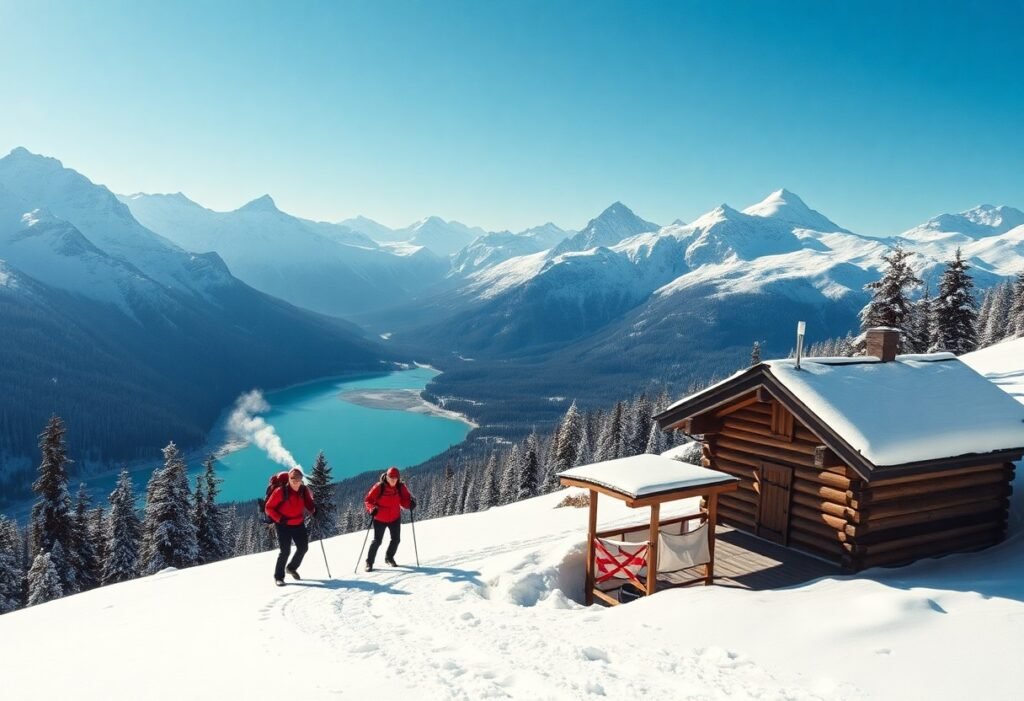
Just pack for alpine conditions and prepare for thrilling routes where avalanche risk demands respect; you should carry proper gear and training to stay safe while enjoying breathtaking vistas and expert-guided trails that reward careful planning.
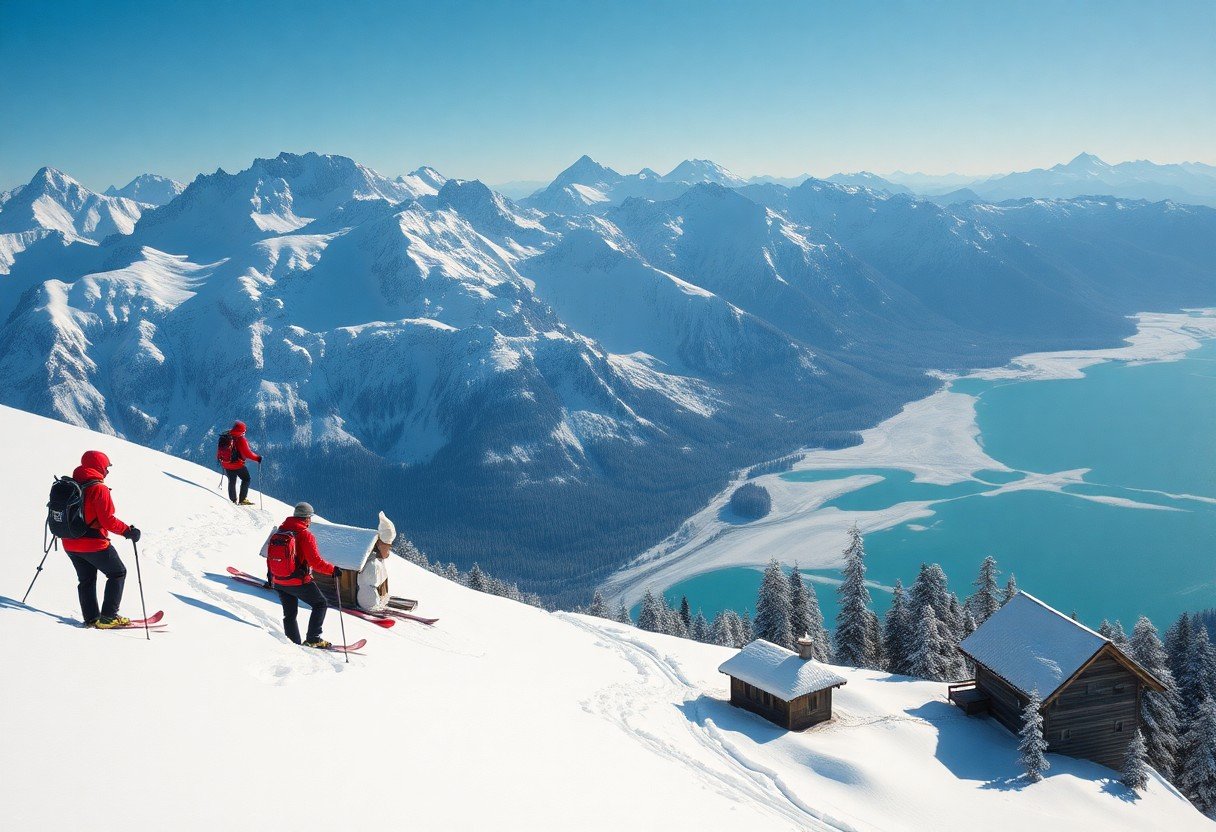
Key Takeaways:
- Travellers should match destinations and activities to skill level and season: options include backcountry skiing, snowmobiling, dog-sledding, ice-caving, and aurora viewing; hire certified guides for avalanche-prone terrain.
- Adventurers should pack technical cold-weather gear: insulated base, mid and outer layers, waterproof shell, mountaineering boots, goggles, spare batteries and hand warmers, plus avalanche beacon, probe and shovel for ungroomed routes.
- Timing, logistics and local rules determine trip success: choose stable winter months for your destination, secure permits and transport in advance, book lodging early, and follow Leave No Trace and local customs.
High-Altitude Thrills: Backcountry Skiing and Snowboarding
You chase ridge lines and fresh lines beyond lifts, trading crowds for untamed powder and pure solitude, while accepting increased exposure to weather, fatigue, and technical hazards that demand skill, route planning, and conservative judgment.
Untouched Powder and Off-Piste Terrain
Soft powder rewards precise turns; you read slope angles, wind crusts, and recent tracks to choose lines, keeping controlled speed, conservative spacing, and fallback routes in case conditions shift.
Essential Safety Protocols and Avalanche Awareness
Safety gear must include beacon, probe, shovel, and a properly fitted avalanche airbag when terrain or conditions raise exposure; you practice beacon searches and trip plans before each outing.
Before outings you study the avalanche bulletin, recent trip reports, and wind history, then pick conservative routes away from steep convexities and known avalanche paths. You perform regular companion-rescue practice, verify beacon and probe function, and carry a reliable airbag with a clear bailout plan. Group communication, an agreed turnaround time, and conservative decision thresholds keep exposure low.
Beyond the Slopes: Dog Sledding and Mushing Expeditions
Adventure off-piste with dog sled tours where you ride or mush through silent forests, trusting a team of huskies. You face sub-zero cold and sweeping views while guides teach etiquette; expect thrilling speed and moments requiring strict safety awareness.
The Heritage and Logistics of Sled Dog Culture
Origins in Indigenous travel and mail routes show you how mushing blends tradition and practicality; logistics include dog care, trail marking, and emergency gear. You learn to prioritize dog welfare and prepare for remote conditions that demand disciplined planning.
Mastering Team Commands and Sled Control
Commands are concise: you use vocal cues, weight shifts, and the brake to steer. You must build trust with the team, feel momentum, and act quickly to avoid hazards. Practice creates rhythm and reliable control, producing smoother, safer runs.
Learning precise timing for calls like “Hike,” “Gee,” and “Haw” converts you from passenger into active musher; you start in short, supervised loops and progress to longer trails. Trainers emphasize clear commands, rapid reaction for emergency stops, and monitoring dogs for fatigue to prevent injuries. Proper gloves, layered clothing, and checking trail ice keep you safer in extreme weather.
Remote Wilderness: Multi-Day Snowshoeing Treks
Snowshoeing remote multi-day treks tests your endurance and rewards you with pristine solitude and sweeping vistas; you must monitor avalanche-prone slopes, route for resupplies, and carry emergency gear to handle extreme cold.
Cold-Weather Survival and Winter Camping Essentials
Pack a four-season tent, insulated sleeping system, spare layers, and a stove; your fuel and shelter choices shape survival in subzero nights, so carry redundant heat sources and means to melt snow for water.
Mapping Trails Through Pristine National Parks
Study topographic maps, recent trip reports, and park notices; you must mark avalanche paths and frozen-stream crossings, secure permits, and set conservative daily distances to avoid getting stranded.
Maps combined with compass and GPS let you read contour lines, slope angles, and wind-loaded ridges so you can avoid avalanche-prone slopes and pick sheltered camps; check current snow and park advisories, note legal access points and permitted campsites, plan bail-out routes, and carry a satellite communicator to reduce risk and stay within park rules.
Arctic Spectacles: Chasing the Northern Lights
Chasing the auroras you seek requires patience, dark skies and mobility; plan for extreme cold and watch for hypothermia. Use remote spots with low light pollution and consult guides like 10 Snowy Adventures for the Perfect Winter Getaway for routes and safety tips.
Optimal Conditions and Locations for Aurora Viewing
Locate high-latitude clear nights, new moon phases and areas with minimal light pollution; remote tundra, frozen fjords and inland plateaus often deliver the strongest displays. You should track auroral forecasts and dress for severe cold.
Photography Techniques for Low-Light Winter Scenes
Use a sturdy tripod, wide aperture and low ISO to minimize noise; prefer long exposures and manual focus. You should carry spare batteries kept warm and test compositions before the aurora peaks to capture vivid motion.
Mastering aurora photography means balancing exposure and safety: you mount your camera on a stable tripod, select aperture between f/2.8-f/4, and choose shutter speeds from 2-30 seconds based on activity to avoid star trails. You set focus manually to infinity, shoot RAW for flexibility, use an intervalometer for sequences, and carry extra batteries you keep warm in inner pockets. Set a conservative ISO to limit noise, check white balance in post, protect gear from condensation, and always watch for slippery ice when composing.
To wrap up
With this in mind, you plan routes, pack proper gear, and select guided trips to meet your winter adventure goals; consult Winter Wanderlust: Top Getaways for Adventure-Seeking … for vetted itineraries and safety guidance.
