
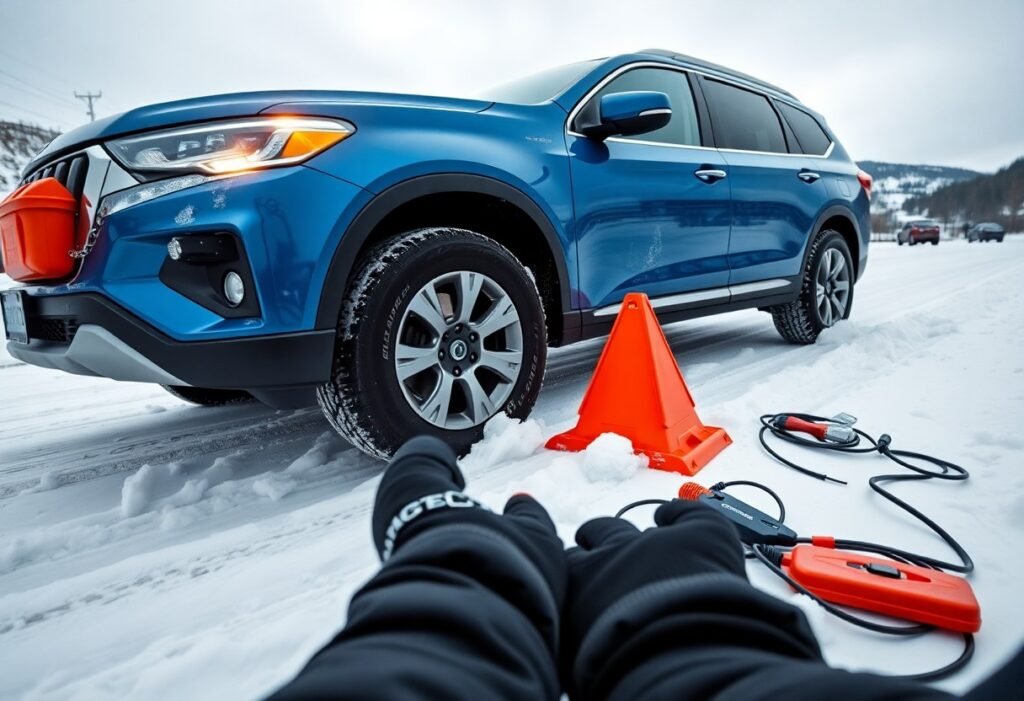
Safety starts when you prepare your vehicle, pack a survival kit, drive slowly on icy roads and keep distance; you should check forecasts and see Winter driving tips to remember!
Key Takeaways:
- Check tires, battery, lights, and coolant; carry chains or winter tires plus an emergency kit with a blanket, food, water, shovel, and ice scraper.
- Adjust driving by reducing speed, increasing following distance, braking gently, and using lower gears on hills to maintain control on icy or snowy roads.
- Plan routes and weather windows before leaving, share your itinerary with someone, and keep your phone charged with a car charger for emergencies.
Comprehensive Vehicle Pre-Trip Inspection
Before you set out, perform a thorough walk-around: check lights, wipers, belts, and undercarriage for ice; verify brakes and headlights operate, fuel is adequate, and snow is cleared from mirrors and roof to prevent dangerous hazards.
Optimizing Tire Traction and Pressure
Check your tires for tread depth and even wear, switch to winter tires when possible, and maintain proper pressure because cold reduces PSI and increases skid risk.
Evaluating Battery Performance and Fluids
Test battery voltage and terminal cleanliness, carry a compact jumper, and check antifreeze and oil levels so you avoid no-start situations in subzero temperatures.
Inspect battery age and, if you doubt performance, get a professional load test; top off coolant with the correct mix and keep freezing-point antifreeze and winter washer fluid on hand to prevent freeze damage and roadside failures.
Assembling a Professional Winter Emergency Kit
Pack a compact, professional emergency kit with warm blankets, a headlamp or high-output flashlight, spare clothing, a power bank, and a fully charged phone charger; add a first-aid kit, hand warmers, and a reflective triangle. Store items in a waterproof container and prioritize insulation and signaling gear.
Essential Survival Gear and Rations
Keep a supply of high-energy, nonperishable food like energy bars, nuts, and dried fruit, a thermal blanket, water bottles, and a small stove or hand warmers; label expiration dates and replace annually. Ensure hydration and calories for prolonged waits.
Recovery Hardware and Communication Tools
Carry a compact shovel, heavy-duty tow strap, traction mats, jumper cables, a portable air compressor, and a reliable satellite messenger or VHF radio; keep a charged spare battery. Store hardware where you can reach it quickly and mark towing points and cable load limits.
Inspect your recovery gear regularly: check straps for frays, verify tow hooks and recovery points, test your radio or satellite messenger, and confirm jumper cables and compressor function. Practice safe recovery techniques off-road, carry gloves and eye protection, and fit soft shackles or dampeners to reduce snap-back hazards.
Essential Tips For Safe Winter Driving Adventures
Facing extreme weather, you should reduce speed, increase following distance, fit winter tires, stash emergency gear, and consult Winter Driving Tips for checklists and protocols.
Strategies for Whiteout Conditions
When whiteouts occur, you must pull completely off the road, keep headlights and hazards on, stay buckled, and wait until visibility improves while monitoring weather updates.
Managing Steep Grades and Mountain Passes
Descend long grades in low gear, avoid heavy braking that can overheat brakes, maintain slow, steady speed, and give large vehicles extra space.
Before tackling passes, you should check weather and chain requirements, test brakes on a safe incline, use engine braking to control speed, avoid stopping on slopes, and carry chains, warm layers, and a charged phone to reduce risk of being stranded.
Strategic Route Planning and Risk Assessment
Plan your route with alternate paths and avoid steep, untreated roads; assess risk by factoring in traffic, daylight, and black ice hotspots, setting turnaround points and realistic time margins for safer decisions.
Utilizing Real-Time Meteorological Data
Check live weather feeds and traffic cameras so you can adjust departure, route, or delay; prioritize alerts for whiteout warnings and freezing precipitation to reduce exposure to hazardous conditions.
Establishing Emergency Contact Protocols
Set emergency contacts and share your ETA, route, vehicle info, and enable location sharing; include a local tow or rescue number so someone can summon help if you become immobilized by snow or ice.
Provide a concise protocol that tells who to contact, when to escalate, and what you should report; list primary and backup contacts, insurance and vehicle ID, and instruct a designated person to alert authorities if you miss a check-in; keep a printed contact list, a charged power bank, and a whistle for signaling; no signal plans save lives.
Roadside Crisis Management
Packing an emergency kit with flashlight, blanket, food, water and a charged phone charger keeps you prepared; stay with your vehicle if stranded and use hazard lights. See Winter Weather Driving Tips: Prepare Your Vehicle for vehicle-specific checks.
Standard Operating Procedures for Breakdowns
When your vehicle breaks down, pull fully off the road, set hazard lights and place warning triangles; call roadside assistance and keep seatbelt on until help arrives.
Preventing Hypothermia and Exposure
Wear insulated layers, a hat, and waterproof boots; stay inside the car if sheltering and run engine only briefly for heat while venting exhaust. Keep extra blankets within reach.
Monitor your breathing and limb warmth; begin layering fabrics that trap heat, avoid cotton, and sip warm (not hot) fluids. If shivering is uncontrollable or confusion appears, seek medical help; move to conserve core body temperature.
Conclusion
To wrap up you should inspect tires and battery, carry an emergency kit, drive slower with increased following distance, use lights in low visibility, check forecasts and plan routes, and stay calm if conditions worsen.
