
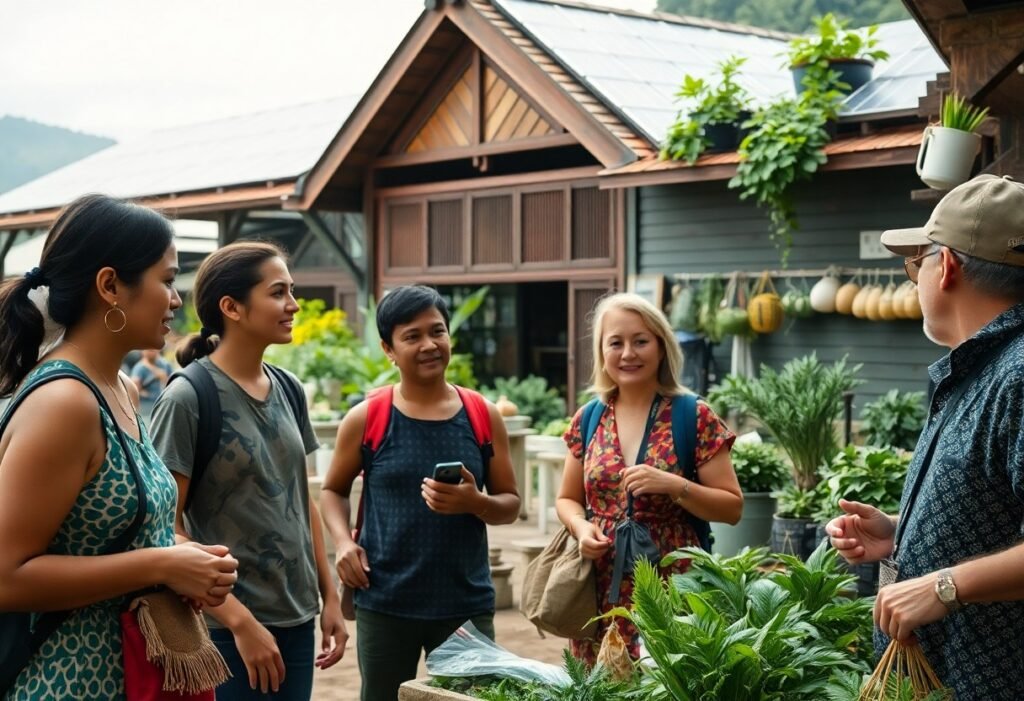
Most travelers seek adventure, culture, and connection, but practicing responsible and authentic travel is key to making a positive impact on the communities you visit. By choosing sustainable practices, respecting local customs, and supporting local businesses, you not only enrich your own experience but also contribute to the well-being of the environment and the people around you. This guide will equip you with actionable strategies to ensure your travels are both enriching and ethical, allowing you to explore the world in a way that is mindful and respectful.
Key Takeaways:
- Engage with local communities to promote cultural exchange and respect local traditions.
- Support sustainable practices by choosing eco-friendly accommodations and local businesses.
- Minimize environmental impact through conscious choices like reducing waste and using public transportation.

Choosing Ethical Accommodations
Finding accommodations that align with your values is central to responsible travel. Look for options that prioritize local communities, fair labor practices, and environmentally friendly initiatives. Seek accommodations that engage with the surrounding culture, offer fair wages to employees, and minimize their carbon footprint. Your choice can directly impact the local economy and promote sustainability.
Evaluating Fair Trade Hotels and Hostels
Fair trade hotels and hostels invest in their communities through ethical practices. They often ensure fair wages for their workers, support local suppliers, and engage in programs that uplift the surrounding area. By opting for these accommodations, you contribute to a travel experience that benefits both you and the local population.
Understanding Sustainable Tourism Certifications
Certification systems help identify responsible businesses in the tourism industry. They evaluate sustainability practices, from managing resources to community involvement. Look for certifications like EarthCheck, Green Key, and Travelife, which signify a commitment to environmental stewardship and community engagement.
Sustainable tourism certifications provide a reliable framework for assessing accommodations. These certifications often require rigorous assessments to ensure adherence to ethical standards, covering energy consumption, waste management, and social responsibility. For example, properties certified by Green Globe demonstrate measurable progress toward sustainability, with a proven track record of reducing their environmental impact. By choosing certified establishments, you align your travel choices with organizations that share your commitment to protecting both people and the planet.
Engaging with Local Economies
Engaging with local economies not only enriches your travel experience but also helps sustain the communities you visit. By directing your spending toward local businesses, you contribute to the economy and promote cultural preservation. This approach fosters authentic connections and creates lasting impacts, ensuring that your travel supports the people and places that make your journey unique.
Supporting Local Artisans and Craftspeople
Supporting local artisans and craftspeople allows you to take home unique souvenirs while uplifting the community. Seek out markets, workshops, or galleries where you can purchase handmade goods that reflect the area’s culture. Investing in local craftsmanship not only ensures fair wages for the creators but also helps preserve traditional arts that may be at risk of fading away.
Dining Responsibly: Choosing Local Cuisine Over Chains
Opting for local cuisine fosters a deeper connection to the region and enhances your travel experience. By choosing restaurants that serve regional dishes made from local ingredients, you support local farmers and businesses, which stimulates the economy. This preference for authentic food experiences also encourages culinary diversity and helps preserve local traditions throughout your travels.
Dining at local establishments often means savoring dishes made from seasonal ingredients, allowing you to taste the essence of the region. For instance, indulging in fresh seafood in coastal towns or farm-to-table options in rural areas not only supports the economy but also reduces environmental impact by minimizing food miles. Exploring local eateries often leads to discovering family recipes and unique flavors that chain restaurants cannot replicate, enriching your culinary journey significantly. You may find yourself experiencing traditional cooking techniques, participating in community meals, or engaging with the chefs, creating memorable moments that enhance your appreciation of the culture.
Cultural Sensitivity in Interactions
Approaching different cultures requires genuine respect and understanding. Familiarize yourself with the local customs and etiquette to foster positive interactions. Simple gestures like greetings, dining customs, and dress codes can significantly enhance your experience. Engaging authentically enriches connections and minimizes cross-cultural misunderstandings. For more insights, explore 10 Ways to Experience a Culture Authentically While Traveling.
Navigating Language Barriers with Respect
Using the local language, even in small phrases, shows respect and willingness to connect. Prioritize learning basic greetings and expressions. This effort often leads to warmer interactions and can break down barriers, fostering mutual appreciation. If language proves challenging, use non-verbal communication like smiles and gestures to convey friendliness.
Understanding and Celebrating Cultural Practices
Engaging with local traditions not only broadens your perspective but also supports cultural preservation. Participating in festivals, cooking classes, or music events provides authentic insights into the community’s way of life. These activities invite you to appreciate the history and significance behind practices. By being respectful and open, you contribute to the sustainability of these traditions and strengthen connections with locals.
Minimizing Environmental Impact
Minimizing your environmental footprint while traveling is crucial for preserving the natural beauty and cultural integrity of the destinations you visit. Small actions can collectively lead to significant positive outcomes. Opt for locally sourced food, reduce waste by relying on reusable containers, and always opt for sustainable accommodation options. Engage in conservation efforts when possible, and educate fellow travelers about the importance of maintaining ecological balance in the regions you explore.
Eco-Friendly Transportation Options
Choosing eco-friendly transportation options greatly reduces your travel carbon footprint. Consider walking or biking to explore urban areas, using public transportation to reduce reliance on cars, or opting for trains instead of flights. Carpooling with fellow travelers and using electric or hybrid rental vehicles can also lessen your environmental impact. Each sustainable choice contributes to cleaner air and less congestion, making for a more enjoyable experience.
Practicing Leave No Trace Principles
Practicing Leave No Trace principles ensures that your adventures do not harm the environment. This involves planning ahead, disposing of waste properly, and minimizing campfire impact. By respecting wildlife and staying on established trails, you help preserve the natural habitats and ecosystems you cherish. An awareness of your surroundings promotes responsible interactions with nature, allowing you to enjoy its beauty without leaving a negative mark.
Leave No Trace is an ethical framework that encompasses seven principles to guide your outdoor activities. These include planning ahead to minimize your impact, traveling on durable surfaces to protect fragile landscapes, and packing out what you bring in to avoid littering. Additionally, respecting wildlife involves observing animals from a distance and never feeding them, which can disrupt their natural behaviors. Following these principles not only conserves the environment but fosters a culture of respect among fellow travelers and future generations.
Promoting Community-Based Tourism
Engaging in community-based tourism allows you to support local economies and immerse yourself in authentic cultural experiences. This approach enables you to interact meaningfully with residents while fostering sustainable practices. Opt for initiatives that directly benefit local communities by respecting their traditions and promoting environmentally friendly practices. For more insights, check out the Top 10 Tips for Sustainable Travel.
Collaborating with Local Tour Guides
Choosing local tour guides ensures your experience is enriched with firsthand knowledge and unique perspectives. These guides share stories and insights that showcase the cultural heritage and natural wonders of the area. Furthermore, working with local professionals ensures that your travel expenditures support the community, enhancing their livelihood.
Contributing to Community Projects
Community projects create lasting benefits for local populations and improve visitor experiences. Engaging in initiatives such as educational programs, conservation efforts, or even supporting local artisans strengthens community ties and fosters development. These activities allow you to give back while gaining an understanding of local challenges and triumphs.
Participating in community projects can range from volunteering at local schools to assisting in environmental conservation efforts, such as tree planting or wildlife protection. You could also contribute directly by purchasing handcrafted goods or participating in workshops led by local artisans, ensuring that your investments go directly to those who need it most. This not only enriches your travel experience but can also lead to lasting connections and deeper understanding of the culture you are visiting.
Conclusion
As a reminder, practicing responsible and authentic travel abroad enhances your experience while minimizing your impact on local communities and environments. You can make meaningful connections by embracing local cultures, supporting sustainable businesses, and respecting local customs. Take the time to educate yourself on best practices, such as those outlined in 25 Simple Ways to be a Responsible Traveller. Ultimately, your approach to travel can foster positive change and enrich your journeys.
