
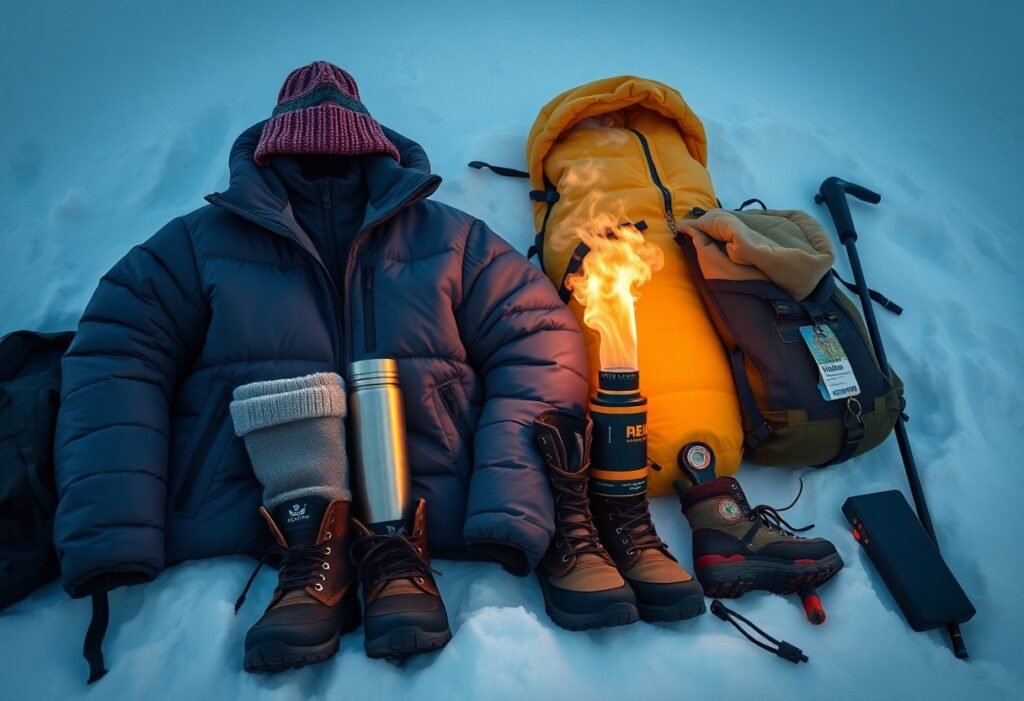
Overdress in layers, pack windproof outerwear, protect extremities, and carry emergency heat sources to avoid hypothermia while you stay comfortable on cold-weather trips.
Key Takeaways:
- Dress in layers that trap heat: a moisture-wicking base, insulating mid-layer, and windproof/waterproof outer shell to manage temperature and moisture.
- Protect extremities with insulated gloves, warm socks, a hat, and boot liners; pack hand warmers and spare dry socks to prevent heat loss.
- Plan for warmth and safety by staying hydrated, scheduling warming breaks, carrying a hot drink, and bringing emergency shelter and portable heat sources.
Skin Care and Health Maintenance
Hydrate your skin with a rich moisturizer, use lip balm and a broad-spectrum SPF, and consult the 5 Winter Travel Essentials: Must-Have Items For Cold list to pack protective layers against dryness and chapping.
Preventing Windburn and UV Exposure
Shield exposed skin with a windproof outer layer, apply a water-resistant sunscreen to face and lips, wear UV-rated goggles, and reapply after sweating; windburn and sunburn can occur very quickly on reflective snow.
Managing Respiratory Comfort in Freezing Air
Breathe through a scarf or heat-trapping mask to warm air, keep activity steady to avoid hyperventilation, and carry your inhaler if you have asthma; cold air can irritate airways.
Layer a breathable neck gaiter and cover your mouth during exertion, pace uphill sections to reduce heavy breaths, hydrate to keep mucous membranes moist, and avoid rapid temperature swings; if you experience wheezing or chest tightness seek shelter and use your prescribed inhaler to prevent bronchospasm or severe attacks.
Final Words
To wrap up, you should layer clothing, protect hands and feet, adjust pace and routes for conditions, stay hydrated and fueled, carry emergency gear, and consult Cold-Weather Hiking Tips for equipment choices and safety practices.
