
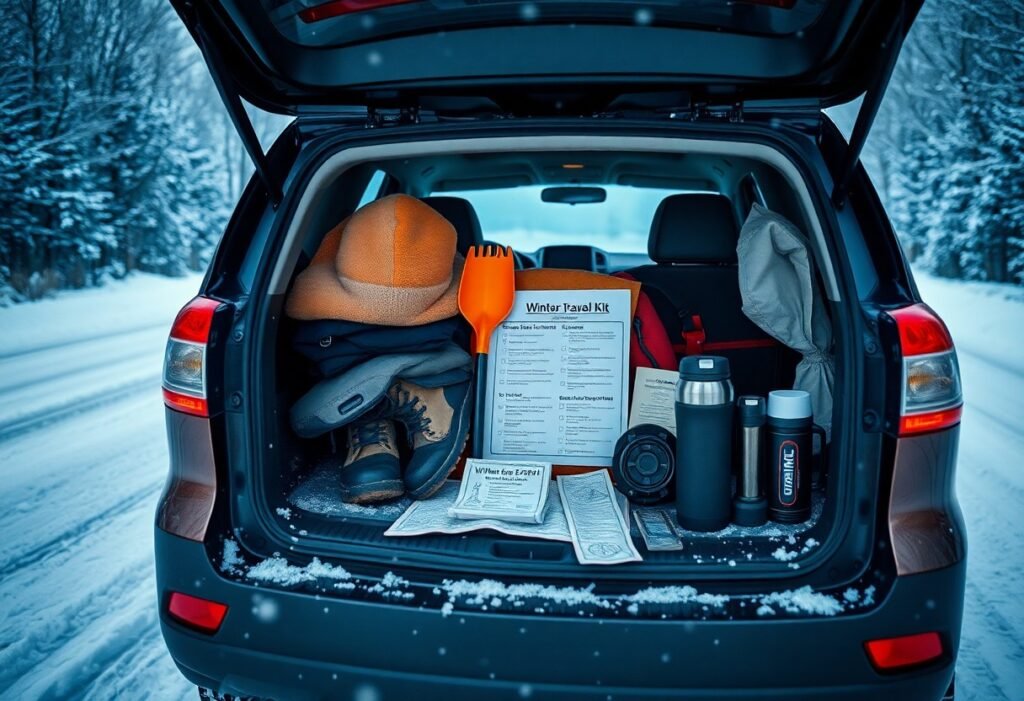
It’s wise to prepare for winter travel: you should pack a winter emergency kit, monitor forecasts and closures, drive cautiously to avoid black ice, and keep layers and heat sources for a warm and worry-free trip.
Key Takeaways:
- Pack layered, moisture-wicking clothing, insulated outerwear, hats, gloves, and waterproof boots; include hand warmers and spare dry socks.
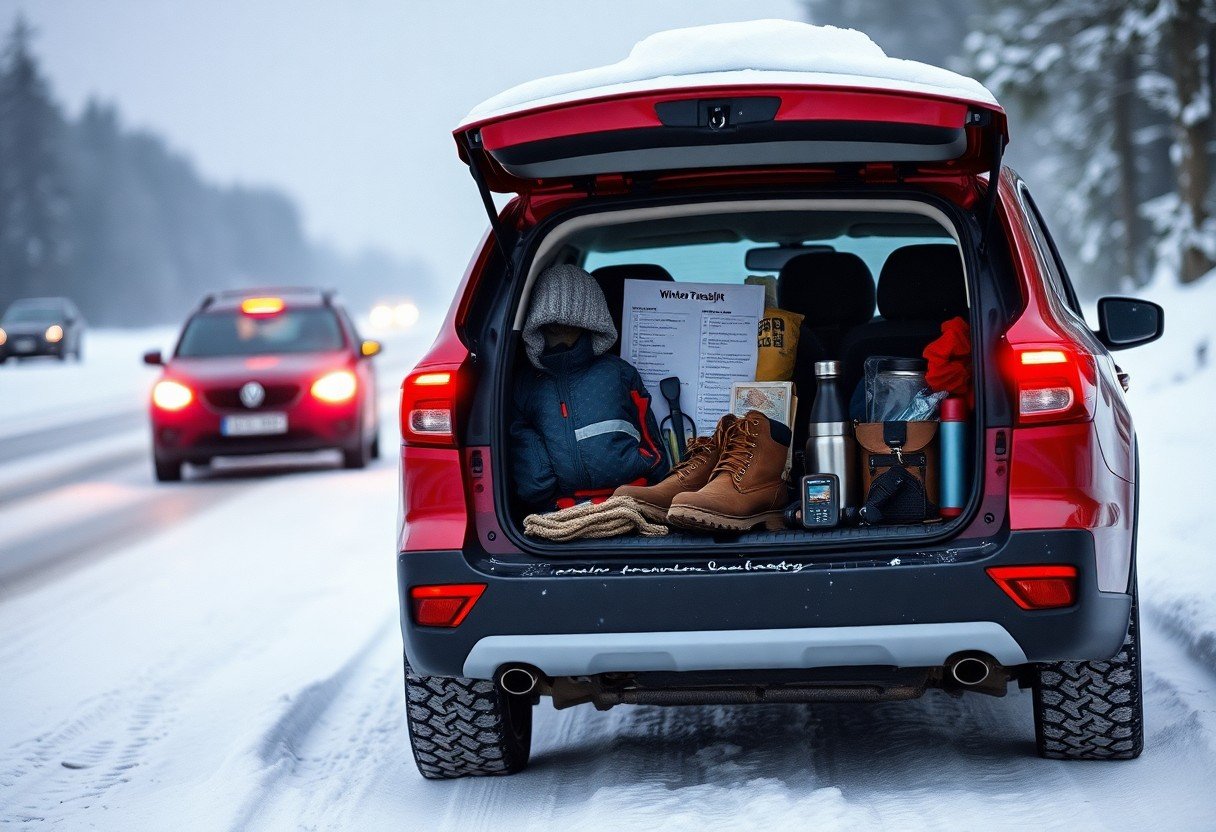
- Check weather and road conditions before travel, allow extra time, and keep an emergency car kit with blankets, nonperishable food, water, flashlight, shovel, and a charged power bank.
- Protect skin and eyes with sunscreen, lip balm, and UV-blocking sunglasses; stay hydrated and limit alcohol to help maintain body heat and clear judgment.
Vehicle Maintenance and Road Safety
Your winter trips demand preventative care: inspect tire tread, brakes, battery, and antifreeze, keep an emergency kit, and confirm headlights and wipers work so you avoid breakdowns and reduce crash risk on icy roads.
Essential Pre-Trip Mechanical Inspections
Check fluid levels, tire pressure and tread depth, brake response, battery charge, heater and defroster function, and wiper condition; carry a full-size spare and ensure lug wrench and jumper cables are accessible for unexpected failures.
Defensive Driving Techniques for Ice and Snow
Drive slowly, increase your following distance, brake gently to avoid skids, use lower gears on descents, and keep headlights on for visibility; stay alert for patches of black ice and bridges that freeze first.
Practice controlled steering inputs and gentle acceleration; if you begin to slide, steer into the skid and avoid hard braking unless your ABS engages-then apply steady pressure. Scan far ahead, anticipate stops, and reduce speed well before turns to minimize risk of a loss of control on slick surfaces.
Health Precautions and Physical Well-being
Protecting your physical well-being requires layered clothing, paced activity, and scheduled rest to prevent overexertion in cold air; carry a first-aid kit, share your route, and watch for signs of cold stress.
Recognizing and Preventing Hypothermia and Frostbite
Watch for intense shivering, confusion, slurred speech, or numb, pale skin; treat core hypothermia by warming the trunk first and cover exposed areas immediately to reduce risk of frostbite.
Managing Hydration and Nutrition in Cold Climates
Maintain steady fluid intake-warm drinks encourage sipping-and eat frequent, calorie-dense snacks to sustain warmth; use electrolytes during prolonged exertion and limit alcohol.
Plan to sip fluids regularly because cold air and exertion suppress your thirst, raising your risk of dehydration; pack an insulated bottle, freeze-resistant containers, and plentiful high-calorie snacks (nuts, bars, chocolate), balance carbs and protein for lasting energy, and avoid alcohol since it impairs circulation and heat retention.
Securing Your Home Before Departure
You should lock all entry points, stop deliveries, and set timers for lights to mimic presence; unattended homes invite break-ins, while these steps give peace of mind and reduce theft risk.
Preventing Frozen Pipes and Managing Heating Systems
Set your thermostat no lower than 55°F, insulate exposed pipes, open cabinet doors near plumbing, and let faucets drip during extreme cold; these actions lower the chance of pipe bursts and help you avoid costly water damage.
Enhancing Security Measures During Extended Absence
Install visible security cameras, set your alarm, and pause deliveries; ask a neighbor to collect mail and park occasionally to create activity, which acts as a strong deterrent against break-ins.
Arrange professional alarm monitoring, test smartphone alerts, and change old locks; stop posting travel plans on social media, and provide a trusted contact with a spare key so you reduce the risk of theft and gain greater peace of mind.
Navigating Air and Rail Travel Disruptions
Flights and trains often suffer winter disruptions; you should monitor official alerts, pack a warm emergency kit, and allow extra time so you stay safe and calm.
Proactive Monitoring of Weather-Related Delays
Check apps and carrier sites frequently, set real-time alerts, and confirm alternate connections so you can adjust quickly when conditions change.
Rights and Strategies for Canceled Itineraries
Know your entitlements: request refunds, ask for rebooking, and keep receipts; contact customer service early and document conversations to secure timely refunds or alternate travel.
If your trip is canceled, insist on written acknowledgments, ask about accommodation or meal vouchers, use credit card protections, and escalate via social channels if necessary to press for prompt compensation.
Emergency Preparedness and Communication
Plan ahead by saving local emergency numbers, programming ICE contacts, and enabling real-time weather alerts so you can respond quickly to road closures or sudden storms.
Building a Comprehensive Winter Survival Kit
Pack a kit with blankets, high-calorie snacks, hand warmers, a flashlight, extra batteries, and a fully charged power bank so you can stay warm and fed if you’re stranded.
Establishing Reliable Communication Protocols
Carry a backup phone, portable charger, and a satellite communicator or personal locator beacon for areas with no cell service.
Use your phone’s emergency settings and add local contacts, then share your full itinerary with someone trustworthy and set regular check-in times. Test devices before departure, carry a satellite messenger for extended outages, and prioritize calling local emergency services when conditions threaten safety.
To wrap up
Conclusively, you should pack emergency supplies, check weather and route updates, keep your vehicle winter-ready, wear layered clothing, and share your itinerary with a contact so you stay warm and worry-free.
