
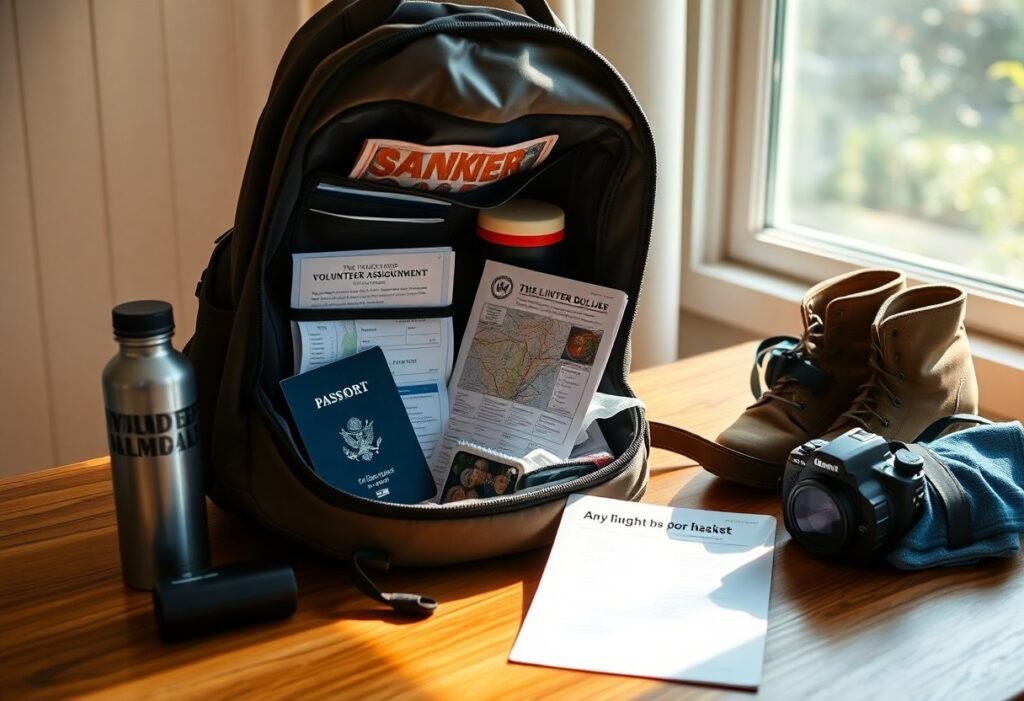
You will transform communities and your life by preparing thoroughly for a global volunteer experience: plan for health and safety, obtain proper visas and insurance, learn local customs to respect, assess potential risks, arrange reliable logistics, and set clear goals to ensure a lasting, positive impact; consult practical Tips for Volunteering Abroad before departure.
Key Takeaways:
- Handle logistics and safety first: secure visas, vaccinations, insurance, emergency contacts, and copies of important documents.
- Prepare culturally and linguistically: learn basic language phrases, study local customs, and approach the community with humility and flexibility.
- Align goals for sustainable impact: match your skills to real needs, coordinate expectations with the host organization, and plan for handover and evaluation.
Understanding Global Volunteerism
The Importance of Volunteering Abroad
You accelerate skill development, cultural fluency, and networks by engaging directly in host communities; many volunteers serve for short stints (1-4 weeks) or extended terms like the Peace Corps’ 27-month placements. Expect tangible outcomes-improved school attendance after teaching programs or safer water systems from sanitation projects-and weigh risks such as health exposures, security concerns, and potential community dependency. Balance personal growth with ethical impact and plan logistics, insurance, and supervision accordingly. The
- skills development (project management, language)
- impact metrics (attendance, patient numbers, trees planted)
- safety measures (vaccinations, evacuation plans)
- The commitment you choose shapes outcomes and responsibility
Different Types of Volunteer Opportunities
You can choose short-term builds, teaching residencies, medical brigades, conservation deployments, or community development roles; typical durations range from 1-4 weeks (short), 1-6 months (mid), to 6-24 months (long/technical). Specialist placements require credentials-medical volunteers need licenses, while TEFL teachers often need certification. Assess scope, supervision level, and measurable goals before you sign on to ensure ethical, sustainable contribution. The
| Teaching | Primary/secondary classrooms, English instruction, curriculum support |
| Healthcare | Clinics, surgical camps, public-health campaigns with licensed teams |
| Conservation | Reforestation, wildlife monitoring, habitat restoration projects |
| Construction | Housing, school building, water and sanitation infrastructure |
| Community Development | Microfinance training, livelihoods, capacity-building initiatives |
Programs vary: short-term volunteers might complete a classroom unit or plant 500 saplings over two weeks, while long-term placements establish monitoring systems or run clinics with continuity. You should check supervision ratios (often 1:10-1:30 depending on activity), required certifications, and sustainability plans; partner organizations that publish impact reports or third-party evaluations tend to deliver better outcomes. The table above summarizes typical roles and the operational focus you can expect.
- duration (short, mid, long)
- credentials required for specialist roles
- monitoring and reporting expectations
- The match between your skills and program needs determines value
Researching Volunteer Programs
When you research programs, compare durations (short-term: 1-4 weeks, mid-term: 1-6 months, long-term: 6+ months), typical fees ($200-$3,000+), and whether the project has a documented local partner. Prioritize organizations that publish impact reports and safety plans, and flag any with hidden fees or vague local ties. Use past-volunteer testimonials, government registries, and NGO directories to verify claims before you commit.
Identifying Your Goals
Decide whether you want skill-based experience, cultural immersion, or community service and match that to program structure: medical placements should offer supervised clinical hours and accreditation, conservation projects often require 2-8 weeks for meaningful contribution, and language immersion needs homestays or intensive classes. Write down measurable goals-hours, certifications, outcomes-so you can compare programs on what they actually deliver.
Evaluating Program Credibility
Start by checking legal registration, financial transparency, and visible local partnerships; credible groups provide audited reports or simple budget breakdowns showing at least 60% directed to program work. Look for clear safety and insurance policies, documented staff qualifications, and realistic timelines-red flags include no local contact, refusal to share finances, or promises that sound too good to be true.
Ask for three recent volunteer references and two local partner contacts, verify any Memoranda of Understanding with local authorities, and request sample monitoring tools (baseline/follow-up surveys). Prefer programs where local staff represent >50% of personnel and where volunteer-to-local-worker ratios are balanced; if volunteers outnumber locals 3:1, treat that as a warning. Demand a safety protocol and emergency evacuation plan before you book.
Preparing for Your Journey
Set a clear timeline: aim to finalize logistics 6-12 weeks before departure and complete medical checks, training modules, and background screenings early. You should practice basic language phrases, confirm local contact details, and map nearest hospitals and evacuation routes. If your program has a pre-departure orientation, attend it and note project expectations, lodging, and safety protocols. Keep emergency contacts both digital and printed, and share your itinerary with a trusted person at home. Strong planning reduces stress and improves your impact on arrival.
Necessary Documentation and Visas
Check passport validity-most countries require at least 6 months beyond your stay-and apply for visas 4-6 weeks in advance (some nations need more). Bring a Yellow Fever certificate where mandated and any program-specific medical or police-clearance forms. You should carry printed and digital copies of your visa, insurance policy with at least $100,000 medical evacuation coverage, and emergency contact list. Keep originals in a secure pouch and scan backups to cloud storage and an emergency contact.
Packing Essentials for Volunteering Abroad
Prioritize multifunctional gear: 2-3 quick-dry shirts, 1 lightweight rain jacket, 2 durable pants, a pair of sturdy closed-toe shoes and sandals, headlamp with spare batteries, universal adapter, power bank, and a compact first-aid kit. Include insect repellent (30%+ DEET) and malaria prophylaxis if you’re heading to endemic regions such as sub-Saharan Africa or parts of Southeast Asia. Protect documents in a waterproof pouch and pack a small supply of any prescription meds.
Pack culturally appropriate clothing-modest options if you’ll work in schools or religious communities-and bring task-specific items like work gloves, safety goggles, or basic teaching supplies (notebooks, colored pencils) which often run out locally. Keep at least three days of crucials and all medications in your carry-on, and place heavy or bulky items in the checked bag (many airlines allow ~23 kg / 50 lb); confirm airline and program baggage limits to avoid fees or shipment delays.
Financial Considerations
Factor in both fixed and variable costs: program fees commonly range $500-$5,000, international flights $600-$1,500, visas $30-$200 and vaccinations $50-$400. You must verify medical and emergency evacuation coverage and set aside a 10-20% emergency fund for delays or unexpected care; many volunteers reduce net cost through scholarships, fundraising, or employer support.
Budgeting for Your Experience
Break your budget into categories: roughly 40% program fees, 25% travel, 15% insurance/health/visas, 15% local living and transport, and a 10% contingency. For example, a 3‑month program with a $3,000 fee might add $900 flights, $200 insurance, $600 living costs and $300 contingency-track spending weekly to avoid surprises.
Fundraising Ideas and Scholarships
Use crowdfunding (GoFundMe, Bonfire), local events, sponsored challenges, corporate matching and university or community grants; crowdfunding campaigns often raise $500-$3,000 for individual projects. You can also apply to program-specific scholarships and contact Rotary clubs or local foundations for microgrants that offset fees or flights.
Start fundraising early (ideally 3-6 months before departure) and prepare a one‑page sponsorship packet showing budget, impact and timeline. Craft a compelling story with photos and regular updates, ask for corporate matching, seek tax‑deductible donations by partnering with a registered nonprofit, and apply to 3-5 relevant grants to diversify funding sources.
Cultural Sensitivity and Awareness
When you arrive, prioritize learning the basic social rules: master 10 imperative phrases, note dress expectations, and observe greeting rituals for at least 48 hours. You should avoid photographing people without consent and steer clear of political demonstrations – those are dangerous situations. Engage in a 2-hour local orientation and spend 30 minutes daily practicing language or customs; that investment often yields faster trust and more meaningful project outcomes.
Understanding Local Customs
Study meal, prayer, and holiday patterns before volunteering: for example, during Ramadan expect altered schedules and reduced public services. You must respect clothing norms – in many places covering shoulders and knees is important. Ask a local mentor two focused questions (appropriate greeting, taboo topics) and observe for 2-3 days before participating in rituals or ceremonies to avoid unintended offense.
Building Relationships with Host Communities
Prioritize listening over fixing: attend community meetings, spend time with host families, and ask who benefits from a project. You should co-design activities with local leaders and allocate at least 30% of program time to community consultation. Avoid one-off donations that create dependency; instead support capacity building and transparent decision-making to foster long-term trust.
Set clear expectations: propose a 3-6 month engagement or a structured handover plan, hold weekly check-ins with community representatives, and establish simple monitoring metrics with locals in month one. You should train 2-3 local counterparts per project area and document agreements in writing to prevent misunderstandings. Transparent roles and timelines are positive drivers of sustained impact and reduced conflict.

Making the Most of Your Experience
To maximize impact, set 2-3 measurable goals (for example: train 10 students, run five workshops, or document baseline needs) and align them with your host; track outcomes weekly and log reflections. Consult practical guides like How To Make The Greatest Impact As A Short-Term Volunteer to avoid common pitfalls. Expect modest timelines, prioritize community-led priorities, and watch how consistent small actions build lasting change.
Setting Expectations
Before departure, confirm the scope of work, daily hours, supervision ratio, accommodation standards, and fee breakdown-ask for a sample week and measurable outputs (e.g., “teach 8 hours/week” or “assist with 50 patient intakes”). Negotiate clear exit and handover plans, verify insurance and visa responsibilities, and schedule a weekly check-in to adjust expectations based on on-the-ground realities.
Staying Open-Minded and Adaptable
Accept that schedules shift: expect power outages, transport delays, local holidays, and language gaps; plan to rework 20-30% of your agenda within the first week. Maintain flexibility to reallocate time to urgent local needs and keep safety a priority by following host guidance and adjusting activities when conditions change.
Practice active listening: solicit feedback from staff and beneficiaries each week, keep a 10-minute daily debrief, and pivot when locals propose better approaches. Use simple metrics (attendance, satisfaction, materials distributed) to evaluate progress, and allow at least one contingency day per fortnight to adapt without compromising project quality.
Final Words
Following this preparation, you will enter your global volunteer experience with confidence and adaptability, having planned logistics, researched cultural norms, secured vaccinations and insurance, and aligned goals with host communities; your flexibility, clear communication, and ethical mindset will maximize impact while fostering personal growth and meaningful connections that extend beyond the project.
