
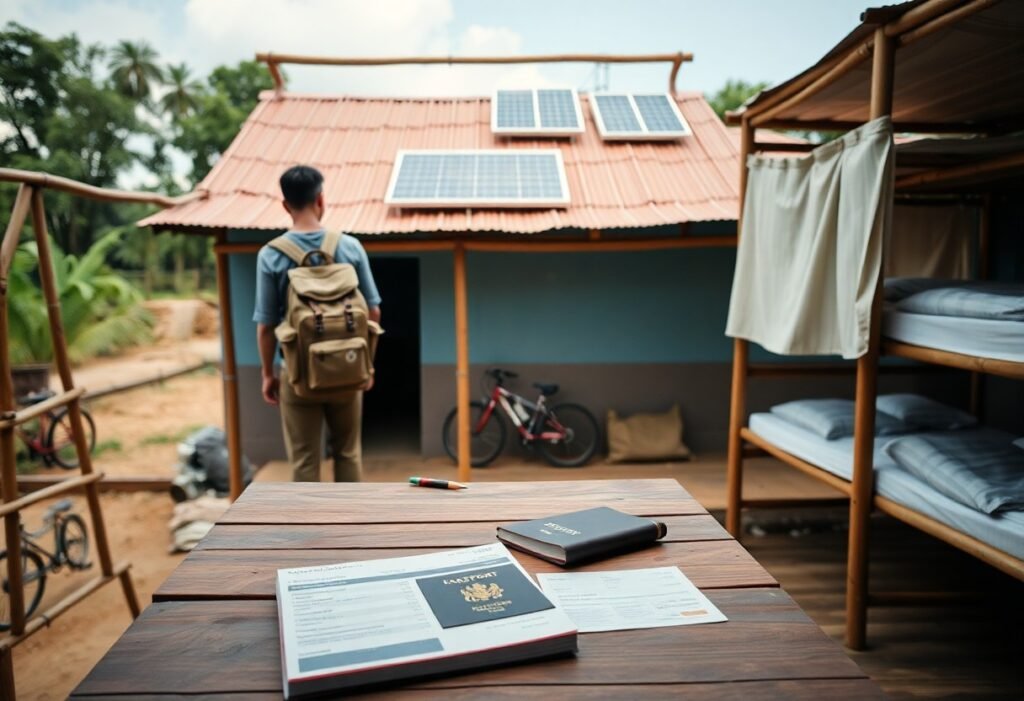
With careful planning, you can volunteer abroad long-term on a tight budget by choosing community projects, homestays, or teaching roles; prioritize vetting programs and budget planning, prepare for health and safety risks, and secure visas and insurance before you go. Seek local partnerships and remote fundraising, build marketable skills, and embrace cultural exchange to maximize meaningful, affordable impact. See resources like Long Term Volunteer Work Abroad Programs & Voluntary … for vetted options.

Key Takeaways:
- Choose work-exchange or community-hosted programs (Workaway, WWOOF, HelpX) and local NGOs that provide room and board to eliminate accommodation and food costs.
- Get low-cost certifications (TEFL) or leverage professional skills for paid placements, remote volunteering, or stipended internships; apply for grants, scholarships, and program fee waivers.
- Cut travel and living expenses by staying longer in low-cost countries, using travel-hacking (miles, off-season flights), house-sitting, and learning the local language to access more affordable opportunities.
Understanding Volunteer Programs
You should evaluate program structure, host oversight, and the split between paid staff and local leadership before you commit; many reputable programs offer clear safety protocols, required insurance, and transparent program fees. You’ll also check visa requirements, background-check policies, and whether the placement supports local priorities – factors that determine sustainability and your personal risk. Agencies often list expected outcomes and timelines so you can match skills to impact.
Types of Volunteer Opportunities
You can join a work-exchange, teach English, support conservation efforts, provide medical/clinical assistance, or work on community development; commitments usually run from 1-12 months and some roles require certification or language basics. Many organizations prefer 6+ month placements for continuity. This table below breaks down typical durations and on-site expectations.
- Work-exchange – accommodation in exchange for labor, short to medium stays
- Teaching – classroom or tutoring roles, often needs TEFL or prior experience
- Conservation – fieldwork, seasonal peaks, physical demands
- Medical/Clinical – credentialed roles, strict licensing and supervision
- Community Development – project-based, long-term relationship building
| Work-exchange | 1-6 months; room and board common; low/no fee; practical skills valued |
| Teaching | 3-12 months; TEFL often required; high local demand in rural schools |
| Conservation | 1-12 months; seasonal fieldwork; physical labor and environmental permits |
| Medical/Clinical | 3-24 months; professional credentials required; strict supervision |
| Community Development | 3-18 months; language proficiency helps; emphasis on local partnership |
Benefits of Long-Term Volunteering
By staying 6-12 months you develop deeper skills, often moving from support tasks to project leadership, and you build trust with communities – outcomes short stints rarely achieve. You’ll gain language fluency, practical job experience, and expanded networks that can translate into paid work or advanced study. Watch for burnout risk and plan rest periods.
Longer commitments let you train local staff, document outcomes, and measure impact over seasons; NGOs frequently prefer volunteers who can stay at least six months for program continuity. You’ll observe how interventions perform across harvests or school years, collect meaningful data, and contribute to durable changes – for example, extended placements often enable you to implement monitoring systems, refine curricula, or transition responsibilities to locals, increasing the long-term sustainability of the work and giving you tangible achievements to include on your CV.
Budgeting for Volunteer Abroad
Map fixed expenses (flights, visas, program fees) and variable costs (food, transport, leisure), then build a monthly target-many long-term volunteers plan for $600-$1,500/month depending on region. Factor in an emergency fund (10-20% of total trip cost) and a small buffer for unexpected visa or health costs. Use a simple spreadsheet or budgeting app to track weekly spends and adjust when local prices differ from online estimates.
Cost Breakdown of Volunteering
Program fees vary widely: $0-$2,000 for placement or training; flights usually range $300-$1,500; visas and permits $30-$200; vaccinations $50-$300; travel insurance about $40-$100/month; local transport $10-$50/week; and food $5-$15/day if not provided. Factor in one-off items like background checks or equipment-these often add $20-$100.
Financial Aid and Scholarships
Look for targeted grants: VolunteerForever microgrants, GoAbroad scholarships, university study‑abroad funds, and NGO stipends can offset costs. Many programs also offer need-based waivers or partial discounts; in some cases grants and stipends can cover 25-100% of fees. Apply early and combine small awards rather than relying on a single source.
Compile a strong application: include a concise budget, CV, two references, and a 300-500 word personal statement showing impact goals. Search donor-specific funds-corporate CSR, rotary clubs, and community foundations often fund service trips, while platforms like GoFundMe can supplement grants. Beware of offers that require upfront “processing fees” from unknown sources and always verify scholarships through official program pages to avoid scams.
Finding Affordable Programs
You can cut costs by prioritizing long-term work-exchange hosts or local NGOs that cover room and board, and by choosing destinations with lower daily expenses like parts of Southeast Asia or rural Latin America. Aim for stays of 3-12 months to reduce per-month travel and visa overhead, and budget for emergency medical evacuation insurance. The savings compound when you stack free accommodation with low-cost local transport.
- Work-exchange
- NGOs
- Room and board
- Medical evacuation insurance
Reputable Organizations
You should favor platforms that publish host reviews and verification details-Workaway, WWOOF, and HelpX often list thousands of hosts, while smaller local NGOs can offer deeper community ties. Ask for references, explicit role descriptions, and evidence of safety protocols; check whether organizations require background checks and clear emergency procedures. The quickest trust signal is consistent, verifiable reviews and recent contact information from past volunteers.
Tips for Researching Programs
Check concrete facts: visa length (3-12 months), program fees, what fees cover, and local daily budgets-ranging roughly from $10-$60 depending on region. Use Facebook groups, Reddit threads, and alumni blogs for firsthand reports, and compare those accounts with official contracts to spot discrepancies and hidden costs. The more detailed your checklist, the fewer costly surprises you’ll encounter.
Contact at least two recent volunteers and ask specific questions: weekly hours, exact housing photos, emergency contacts, and whether the program carries medical evacuation insurance. Request a sample agreement and an itemized fee breakdown, verify host IDs or NGO registration numbers, and confirm local transportation and food arrangements to avoid hidden expenses. The clarity of those answers often predicts whether the placement is professional and safe.
- Visa length
- Program fees
- Medical evacuation insurance
- Alumni feedback
- Sample agreement
Preparing for Your Volunteer Experience
You should sort logistics well before departure: confirm your passport is valid for at least six months, buy comprehensive travel insurance with medevac, and get up-to-date vaccinations (yellow fever, hepatitis A, typhoid where required). Use reputable placement directories like Volunteer Abroad Programs | IVHQ | Award-Winning & Low Cost for country-specific checklists, fees, and sample schedules so you can budget time and avoid last-minute denials at arrival.
Necessary Documentation
Bring originals and scanned backups of your passport, visa, insurance policy, and emergency contacts, and obtain a police/background check (FBI/DBS) if you’ll work with children or clinical patients – processing often takes 2-8 weeks and costs $25-$100. Check whether your project requires a volunteer visa or work permit; entering on a tourist visa when a permit is required can lead to fines or deportation. Carry professional licenses, immunization records, and degree certificates if applicable.
Cultural Awareness and Training
Start cultural preparation early: complete at least 10-20 hours of pre-departure training combining language basics, local customs, and ethics modules, and practice common phrases to build rapport quickly. For example, volunteers in Thailand avoid pointing feet and in some West African contexts you should moderate direct eye contact; these small adjustments prevent misunderstandings and demonstrate respect for local norms.
Go deeper with country-specific resources: take a short CQ (Cultural Intelligence) course, read local media for recent social issues, and review case studies from past volunteers-many programs report that teams who did structured orientation reduced conflicts by over 50%. Also map out gender roles, gift-giving practices, and power dynamics in your host community to avoid inadvertently imposing your values; strong ethical awareness protects both you and the community.
Making the Most of Your Time Abroad
Set clear, measurable goals-log volunteering hours, language study minutes, and cultural activities; for example, aim for 100 service hours over three months and 30 minutes of language practice daily. Balance work with rest by scheduling 4-6 service hours per day and two nights off weekly. Prioritize safety by carrying local emergency numbers and avoiding isolated travel after dark to protect you and preserve community trust.
Engaging with Local Communities
You should volunteer alongside locals at markets, schools, or cooperatives and attend at least two community events per week to build rapport. Learn 50 imperative phrases before arrival and use them daily; in one Ecuador program, volunteers who engaged in weekly market outreach saw participation rise by 40%. Respect customs, ask permission before photography, and avoid imposing solutions to sustain authentic, mutually beneficial relationships.
Personal Growth and Development
Expect accelerated skill gains: commit to 100+ hours of hands-on work and track competencies like language, project management, and teaching. You’ll gain resilience from navigating local systems, and measurable improvements-many volunteers move from A1 to B1 language levels within six months with daily practice. Set monthly goals, collect feedback from supervisors, and quantify achievements for your CV or university applications.
You should start a reflective log: note challenges, solutions, and metrics such as beneficiaries served (e.g., teaching 15 children weekly) and hours completed. A case study: Maria logged 200 hours of community teaching, practiced Spanish 30 minutes daily, and secured a paid role afterward. Avoid overcommitment and burnout by scheduling rest days and limiting intense volunteering to 25-35 hours per week.
Conclusion
Summing up, you can make long-term volunteering abroad affordable by choosing low-fee or reciprocal programs, arranging homestays, taking on skill-based roles that secure stipends, pacing travel to reduce costs, applying for grants and scholarships, and partnering directly with local NGOs to cut intermediaries. With careful planning and flexibility you stretch your budget while maximizing impact.
