

Many families, including you, plan tropical beach holidays seeking safe, fun, and relaxing options; prioritize sun protection, choose beaches with lifeguards and shallow, calm bays to avoid rip currents, book family-friendly resorts with kid clubs and convenient facilities, schedule morning swims and shaded play, pack reef-safe sunscreen and floatation devices, and opt for short guided activities like snorkeling with a guide to introduce marine life responsibly while keeping your kids engaged and secure.
Key Takeaways:
- Choose sheltered, family-focused beaches and accommodations with lifeguards, shallow swimming areas, shade, and easy access to medical care.
- Mix age-appropriate activities-guided snorkel or boat trips, kid clubs, beach games, and short nature walks-to keep everyone engaged.
- Pack smart and schedule around the heat: reef-safe sunscreen, hats, portable shade, snacks, swim gear, and plan outings for mornings and late afternoons.
Choosing the Right Destination
When choosing a tropical spot, match your family’s ages and interests to beach types, activities and travel time; shallow lagoons suit toddlers while older kids may prefer snorkeling and surf lessons. Check curated lists like Top 5 Tropical Islands for Unforgettable Family Vacations and focus on resorts with child-friendly beaches, on-site medical services and calm water conditions.
Best Tropical Locations for Families
You’ll find dependable family facilities on islands such as Mauritius (calm lagoons and kid pools), Bali (family villas and cultural kids’ activities), Maui (gentle beaches and whale-watching), Phuket (resort kids’ clubs) and the Dominican Republic (all-inclusive family options); pick by flight time and your children’s activity levels.
Factors to Consider: Safety, Amenities, and Accessibility
Start by checking beach safety-lifeguard coverage, flagged swimming zones and local rip-current reports-plus proximity to hospitals. Assess resort amenities like kids’ clubs, babysitting and kitchenette options. Factor in accessibility: direct flights, short transfers and stroller-friendly paths to minimize travel stress for little ones.
This quick checklist helps you compare destinations:
- Beach safety – lifeguards, flagged zones
- Amenities – kids’ clubs, family rooms, babysitting
- Accessibility – direct flights, short transfers, stroller access
When you dig deeper, note that islands with international airports usually offer faster emergency care-Phuket and Maui have hospitals within 30 minutes of major resorts, while remote atolls may need air evacuation. Insist on certified lifeguards at popular beaches and verify 24/7 reception or on-call medical support at your resort; aim for transfers under 90 minutes from arrival to lodging to reduce toddler fatigue and missed naps.
This operational checklist pinpoints what to verify before booking:
- Medical access – hospital or clinic within 30 minutes
- Emergency services – certified lifeguards, 24/7 reception
- Transfer time – under 90 minutes from arrival to accommodation
- Children’s facilities – age-appropriate clubs, secure play areas
Activities for All Ages
Mix short, supervised beach sessions with half-day excursions so your kids stay engaged without getting overtired; for example, plan a 2-3 hour snorkel in a shallow lagoon in the morning, an afternoon sand-sculpting contest, and a short waterfall hike under 60 minutes. Prioritize spots with on-site lifeguards and available life jackets, and apply reef-safe sunscreen every 90 minutes to avoid sunburn and reef damage.
Watersports and Beach Games
Try family paddleboarding, tandem kayaks, and guided snorkel tours that accept children from ages 6+, with many resorts offering 30-60 minute beginner lessons. Rent boogie boards and beach volleyball sets for low-cost fun ($5-$25/day), and sign up for a certified instructor when attempting surf lessons. Always use life jackets and watch for rip currents flagged by local authorities.
Cultural Experiences and Excursions
Join short, family-focused tours-half-day market walks, 2-3 hour village visits, or hands-on cooking classes where you learn to make dishes like ceviche or coconut curry. Local guides often tailor stories for kids and explain customs; in places like Bali or Costa Rica, expect 1-2 hour temple or wildlife center stops. Book tours that advertise local guides, respect cultural norms with respectful dress, and plan breaks to avoid heat exhaustion.
When deciding on excursions, favor operators offering clear safety policies and child discounts-many coastal tour companies cap group size at 8-12 and run 2-4 hour family itineraries. Seek reviews mentioning kid-friendly pacing and ask about stroller access or shade options. Examples: a 2-hour taro farm visit in Hawaii with poi-making, a 3-hour Belize cave tubing trip with guides, or a short Mayan ruins tour in Tulum with activity sheets for children; these options blend learning with manageable durations.
Family-Friendly Accommodations
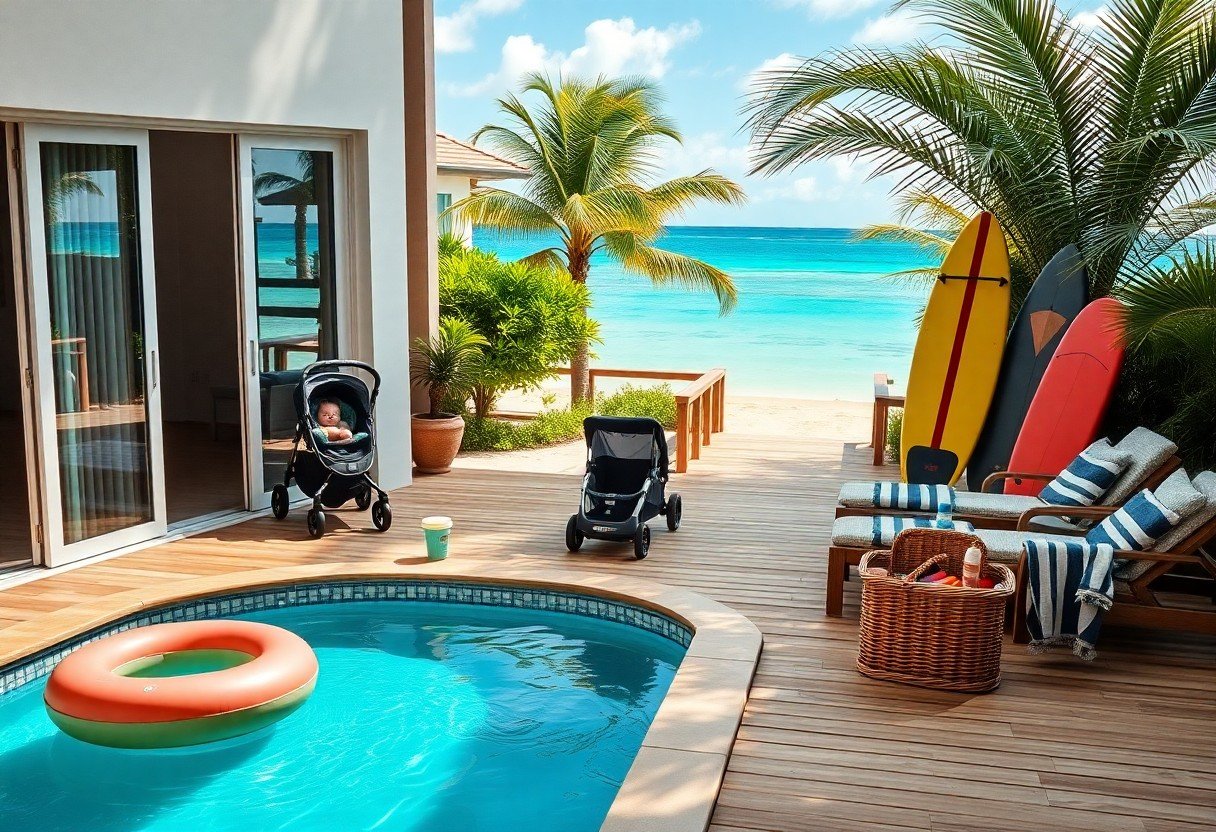
Prioritize properties within a 10-15 minute walk of the shore so you can shuttle kids back quickly; choose options with kitchen and laundry to cut dining and packing stress, and book connecting rooms or suites so nights stay manageable. You should check safety details like pool fences, stair locks, and verified lifeguard hours before booking, and prefer places with on-site medical access or quick transport to clinics for added peace of mind.
Resorts with Kid-Friendly Facilities
Many resorts (for example, Beaches in the Caribbean, Club Med properties, and family-focused Hyatt/Marriott locations) run supervised kids’ clubs for ages 2-12 with daily programs, while teen lounges and evening babysitting extend adult time. You can expect features like kids’ splash zones, shallow family pools, kids’ menus, and activity schedules; confirm class sizes and staff-to-child ratios-often 1:6 to 1:10-to assess supervision quality.
Vacation Rentals vs. Hotels
Vacation rentals typically give you more space-2-bedroom units commonly sleep 4-6-plus a kitchen and flexible check-in, whereas hotels provide 24/7 front desk support, daily housekeeping, and on-site amenities like monitored pools and restaurants. You should weigh privacy and cost savings from self-catering against the reliability of on-site staff and formal safety features when deciding which suits your family’s needs.
Delving deeper, vacation rentals on platforms like Vrbo or Airbnb often save families on meals but can carry extra costs-cleaning fees frequently range $50-$200 and service fees around 10-15%-and hosts vary on childproofing and provided gear. You should verify emergency contacts, pool fencing, and recent safety reviews; ask hosts for cribs or stair gates in writing, and prefer rentals with documented insurance or professional management if you want stronger safety and refund policies.
Dining Options for Families
Plan meals around naps and pick restaurants with high chairs, changing tables and flexible hours; many beachside resorts include kids’ meal plans and onsite buffets. You’ll save time by choosing spots within a 10-15 minute walk so you can return quickly for naps or swims. Also stock up at local markets for picnic-friendly items like fresh fruit, grilled corn and pre-cut veggies to avoid hangry meltdowns, and always ask staff about food allergies.
Restaurants with Kid-Friendly Menus
Seek places that list 3-6 child-sized options-grilled fish fingers, small pasta bowls, rice and beans or fruit platters-and offer half portions at about 50-60% of adult price. Many family-run beach cafés will dial down spice and swap sides for fries or steamed veg. If your child is picky, check menus online and call ahead to confirm allergen handling and available high chairs.
Local Cuisine: Trying New Foods Together
Introduce kids to local dishes by ordering small tasting portions (3-4 bites)-ceviche, grilled plantains, coconut rice or skewers. You can find seasonal fruit stalls selling a mango or papaya for $1-2, ideal for affordable samplers. Choose vendors with visible cooking and long queues of locals; avoid raw shellfish and unpasteurized dairy for young children and ask about reheating to lower foodborne risk.
Use a “taste-first” approach: order one new dish alongside familiar favorites, serve 2-3 small bites and repeat exposures-studies suggest it can take 7-10 tries for a child to accept a new food. Ask kitchens to lower spice, remove bones and cut into strips for toddlers. When eating street food, prioritize high-turnover stalls with visible cooking; avoid whole grapes, hard candies and undercooked seafood for young children.
Preparing for Your Trip
Finalize bookings, confirm any vaccination or testing rules, and pre-book transfers so you avoid long waits with kids; you should also download offline maps and note nearby medical facilities in case of dehydration or sunburns. The final step is to send digital copies of passports and your itinerary to a trusted contact.
Packing Essentials for Families
Pack for quick transitions: a lightweight beach tent, zip bags for wet swimwear, separate shoes for sand, and a compact first-aid kit with antihistamine and antiseptic for small cuts or stings; you should include reef-safe sunscreen (SPF 50+), child-sized life vests, and a day bag with snacks and chargers. The checklist below keeps priorities visible.
- Sunscreen SPF 50+
- Child-sized life vests
- Compact first-aid kit
- Waterproof dry bags
- Snacks and refillable bottles
Tips for Traveling with Children
Stagger travel to match nap schedules, book seats with easy aisle access, and download shows plus audiobooks to reduce fussing; you should bring a familiar blanket or toy so sleep routines stay familiar and practice basic seat-belt and boat-safety drills before you go. The quick strategies below cut stress on transit days.
- Nap-friendly flight times
- Entertainment packs
- Familiar sleep items
- Pre-trip safety practice
During transit, give children small tasks-holding a map or choosing snacks-to keep them engaged, and schedule active breaks every 60-90 minutes on long drives or ferries to prevent restlessness; you should bring a compact stroller for airports and plan one low-key recovery day after arrival to reset energy. The reminders below help manage expectations and fatigue.
- Activity breaks every 60-90 minutes
- Child task assignments
- Compact stroller
- Recovery day post-travel
Budgeting for a Family Beach Holiday
Cost-Effective Travel Tips
Stretch your travel budget by choosing mid-week flights (often 10-30% cheaper) and booking 6-8 weeks ahead for domestic or 3-4 months for international trips; combine flight+lodge packages to shave up to 25% and prefer self-catering condos to reduce meal expenses. Use public transport or hotel shuttles to avoid taxi surges and pack basic beach gear to skip rental fees. After you compare prices across three booking sites and set price alerts you can lock in the best deal.
- Book early (3-4 months) for international travel
- Fly mid-week to save on fares
- Choose self-catering to cut food costs
- Use public transport or hotel shuttles
- Set price alerts and compare three sites
Budgeting for Activities and Meals
Plan a separate activities-and-meals fund so you don’t drain your accommodation budget: set a daily allowance of $25-$50 per adult and $10-$20 per child for food, plus $20-$60 per person for paid excursions; that framework means a week-long stay for a family of four typically runs about $600-$1,200. Prioritize free beach days and one paid splurge to keep totals steady. Overbooking activities can blow the budget quickly.
You can book group discounts (often 10-20%) for snorkeling or family bike tours and eat breakfast in your room to cut morning restaurant costs by half; local markets let you assemble picnic lunches for $10-$20 per day. When you prepay tours check cancellation windows and included gear to avoid surprise fees, and keep one day free for unscheduled, low-cost exploration.
Conclusion
Summing up, when planning a tropical, family-friendly beach holiday you should balance safe, shallow beaches, kid-focused activities, and flexible pacing so everyone enjoys downtime and adventure; consult curated lists like The Best Tropical Destinations For A Family Vacation to pick destinations and accommodations that suit your family’s needs and travel style.
