
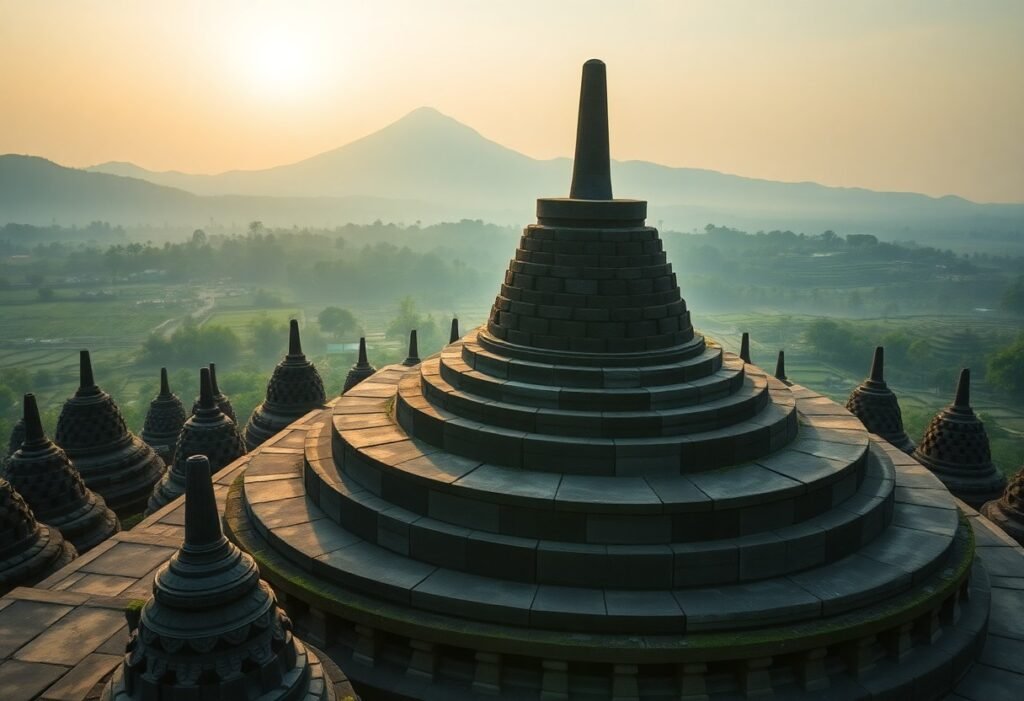
Over centuries you can trace civilizations at temples from Angkor to Borobudur; Angkor Wat, Borobudur and Bagan are unmissable for your itinerary. As you plan, consult 35 Southeast Asian Temples You Have to See in Your Travels for options. Expect steep climbs, slick stones in some sites and vibrant festivals and living traditions that reward careful exploration.
Key Takeaways:
- Southeast Asia hosts iconic, diverse sites-Angkor Wat, Bagan, Borobudur, Prambanan, Wat Pho, My Son and Luang Prabang-showcasing varied architectures, religions and historical periods.
- Best experiences come from visiting at sunrise or late afternoon, dressing modestly, hiring local guides and timing visits to avoid peak crowds.
- Many sites face conservation pressures; support sustainable tourism, follow protection rules and expect occasional restricted access to fragile areas.
The Angkor Wat Complex
Historical Significance
Built in the early 12th century by King Suryavarman II, Angkor Wat shifted from a Vishnu temple to a Buddhist center and anchors Cambodian identity-it’s even featured on the national flag. Listed as a UNESCO World Heritage site in 1992, the complex lies within the Angkor Archaeological Park (~400 km²) and contains monumental bas-reliefs that chronicle myth, campaigns and royal ceremonies, giving you a direct window into Khmer statecraft and religiosity.
Architectural Marvels
You’ll see the five-tower quincunx rising to about 65 m, long axial galleries and an approximately 1,200 m bas-relief frieze narrating epic tales. Sandstone construction, corbelled vaults and a vast moat articulate cosmology and power; however, watch for steep, uneven steps and fragile sandstone carvings that demand careful movement.
Beyond the skyline, the temple’s raised platforms, concentric galleries and ancient drainage reflect advanced engineering adapted to monsoon cycles, while hundreds of devata and narrative panels reward close, respectful inspection. International conservation efforts since the late 20th century have stabilized many areas, but you should stick to marked paths to protect the delicate stonework and avoid slip hazards on worn surfaces.
Borobudur Temple
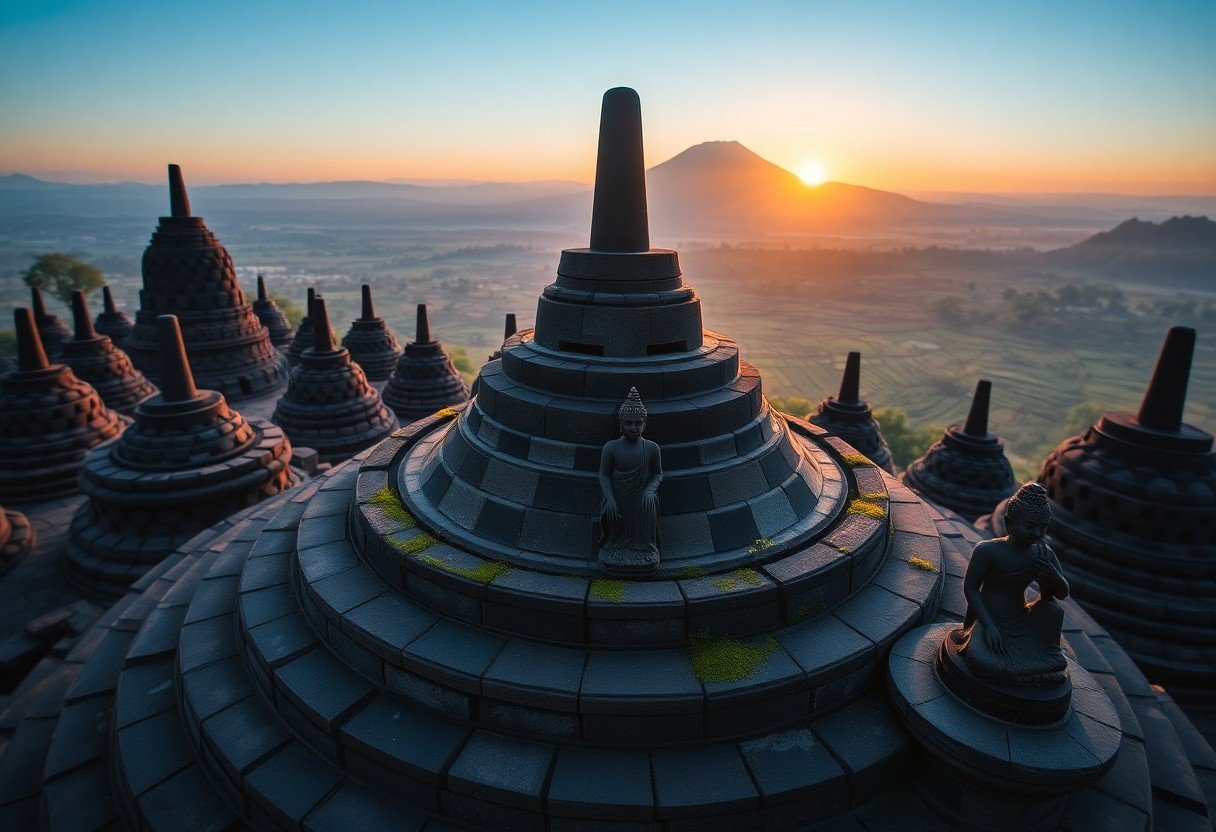
You’ll find Borobudur, a 9th‑century monument and the largest Buddhist temple in the world, built by the Sailendra dynasty with nine stacked platforms (six square, three circular) and a central stupa. The site contains 2,672 relief panels and 504 Buddha statues, restored in the 1970s; read more among the Most Visited UNESCO World Heritage Sites in Southeast ….
Cultural Importance
You walk the monument as a living pilgrimage: concentric levels guide your circumambulation through Kamadhatu, Rupadhatu and Arupadhatu, while reliefs narrate Jataka tales and Mahayana teachings. Annual Vesak gatherings draw thousands; the site supports both local devotional practice and global scholarship, giving you direct contact with 1,200-year-old ritual sequences and didactic stone panels used by guides and researchers.
Design and Layout
You encounter a mandala-like geometry: six square terraces and three circular terraces form a stepped pyramid crowned by the main stupa; the three circular levels contain 72 perforated stupas each sheltering a seated Buddha, while the lower walls display 2,672 relief panels that map a spiritual journey from desire to formlessness.
Construction used interlocking andesite blocks without mortar, and an advanced drainage system channels monsoon rain away, protecting the carvings; you can spot restoration seams from the 1975-1982 UNESCO conservation project, and alignment with the surrounding volcanic skyline frames sunrise vistas once used to time ritual observances.
Wat Pho and the Reclining Buddha
Measuring 46 meters long and 15 meters high, the Reclining Buddha at Wat Pho is cloaked in shimmering gold leaf and dominates a vast ordination hall; its feet are inlaid with mother-of-pearl depicting 108 auspicious designs. You’ll notice rows of bronze alms bowls in front where visitors drop coins for merit. Plan early visits to avoid the heavy crowds and Bangkok heat, and keep your camera ready for close-up details on the soles and gilded reliefs.
Spiritual Relevance
Representing the Buddha’s entry into parinirvana, the image functions as an active devotional focus where locals and pilgrims make offerings, chant, and release merit. You’ll see monks performing rites and visitors placing coins in the 108 donation bowls as symbolic acts. Observe the temple’s etiquette-dress modestly, remove your shoes, and speak softly-so your presence supports the living religious practice rather than turning the site into a spectacle.
Art and Sculpture
The site houses one of Thailand’s largest assemblages of Buddha images-over 1,000 statues-alongside guardian figures, lacquered columns, and narrative murals. You’ll be drawn to the Reclining Buddha’s mother-of-pearl soles with their 108 cosmological scenes, while gilding techniques and Chinese porcelain mosaics on stupas add vivid texture. Bring a guide or close-up lens to appreciate fine brushwork and restored gilt finishes.
Restoration campaigns under Kings Rama I and Rama III consolidated the temple’s artistic program, combining Thai gilding, lacquer work, and imported porcelain tiles in decorative chedis. If you study the murals, you’ll spot episodes from the Ramakien and traditional motifs painted with mineral pigments; the composite craftsmanship-gold leaf layering, mother-of-pearl inlay, and ceramic mosaic-reveals both royal patronage and cross-cultural exchange.
Bagan Archaeological Zone
Spanning a plain of temples in central Myanmar, Bagan contains over 2,200 surviving stupas and temples built by the Pagan Kingdom between the 11th and 13th centuries. You can see masonry styles from early brickwork to later gilded pagodas; UNESCO inscribed the site as a World Heritage Site in 2019. Expect active conservation work and zones where access is limited, and plan visits around dry-season weather (October-March) for the clearest views and safest walking conditions.
Temples and Pagodas
Ananda Temple (1091) showcases soaring terraces and glazed-monastery stucco, while Dhammayangyi is famed for its massive, precise brickwork and mysterious unfinished corridors. You’ll encounter Shwezigon Pagoda’s gilt stupa and countless smaller shrine chambers with Buddha images, frescoes, and carved terraces. Many temples permit partial climbs, but fragile surfaces and restricted sanctums require you to follow posted rules and local guides to avoid damaging delicate murals.
Sunrise and Sunset Experiences
Sunrise here is defined by hot-air balloons drifting over temple spires as the mist clears; flights typically run in the dry season and often carry 8-12 passengers, launching around 5:30-6:00 a.m. You can also reach key viewpoints-Shwesandaw, Pyathetgyi, and Bulethi-by e-bike or horse cart for both dawn and dusk vistas. Book balloon seats and viewpoint transport in advance, since popular slots sell out quickly during high season.
For more detail, sunrise offers cooler light and softer shadows ideal for wide-angle shots, while sunset saturates red-gold hues against the plain; crowds peak at sunset, so you should arrive 30-45 minutes early. Balloons depend on calm winds-operators cancel in unstable conditions-so keep flexible scheduling. Local guides often time climbs to avoid restricted hours and can point out less crowded platforms and composition tips for photographing temple silhouettes against the sky.
The Shwedagon Pagoda
Dominating Yangon’s skyline, the Shwedagon Pagoda rises about 99 meters, cloaked in gold plates and thousands of jewels and traditionally housing relics of four Buddhas, including hair strands and sacred gems; historians date major construction between the 6th and 10th centuries while locals trace origins over 2,500 years. As you move around the terraces the gilded stupa, jeweled hti, and layered shrines reveal successive eras of Burmese patronage, craftsmanship, and devotional practice.
Symbolism and Legends
Local legend holds merchants brought the Buddha’s hair relics and the stupa’s tiers map the path to enlightenment, with each cardinal shrine honoring a different Buddha and ritual focus. You’ll notice guardian figures, votive inscriptions, and the bell-shaped dome that symbolize impermanence and protection; devotees traditionally apply gold leaf to images and perform clockwise circumambulation, turning personal devotion into communal merit-making that anchors national identity.
Pilgrimage and Festivals
During the Full Moon of Tabaung (usually March) tens of thousands converge for multi-day illumination, almsgiving, and offerings, so expect dense crowds and long queues; you must remove your shoes and dress modestly before entering sacred precincts. Security checks and vendor stalls lengthen visits, therefore plan extra time and consider dawn or dusk for cooler, less crowded access.
Rituals you can join include lighting rows of oil lamps, offering flowers at the four cardinal shrines, and donating food at monastery halls; on-site stalls sell small offerings for under $5. Evening illumination highlights the jeweled hti and is spectacular for photos, but flash photography is discouraged inside sanctums and pickpocketing risks rise in crowds-keep valuables secure and your movements deliberate.
Vientiane’s Pha That Luang
Rising above Vientiane’s low skyline, Pha That Luang is a gold-covered stupa whose central spire measures about 44 meters, making it impossible to miss as you approach the capital. You can wander the surrounding walled complex, photograph the ornate gateways and lacquered guardians, and follow local practice of offering incense. Although not on the official UNESCO list, many travelers compare it with regional landmarks – see UNESCO World Heritage Sites of Southeast Asia for context.
National Symbol
You’ll spot Pha That Luang on Lao emblems and in civic imagery because it functions as the national symbol of Laos. During the annual That Luang Festival each November, pilgrims and vendors converge around the stupa for merit-making and processions, giving you a vivid sense of national identity and living tradition. When you visit, wear modest clothing and follow shrine etiquette to show respect.
Historical Context
Construction began under King Setthathirat in 1566 when he moved the capital to Vientiane and enshrined a Buddhist relic in the stupa; later invasions and fires damaged the monument repeatedly. You’ll notice layers of repair: much of the visible form dates from 20th-century reconstructions after the site suffered attacks and neglect in the 18th-19th centuries.
Archaeological layers and historic records show the site evolved from earlier shrines into the present monumental form; local tradition holds a Buddha relic at its core, which anchors its ritual importance. French colonial restorations in the 1930s used modern materials and reconstructions of lost decorative elements, so when you study architectural details you’re seeing a mix of original Lao craftsmanship and later interventions that shaped today’s silhouette.
To wrap up
The temples and heritage sites of Southeast Asia reveal centuries of art, faith and power that you can witness firsthand; your visits should be planned to balance major monuments with lesser-known sanctuaries so you gain wider context, respect local customs, and support conservation efforts that protect these irreplaceable cultural landscapes for future generations.
