
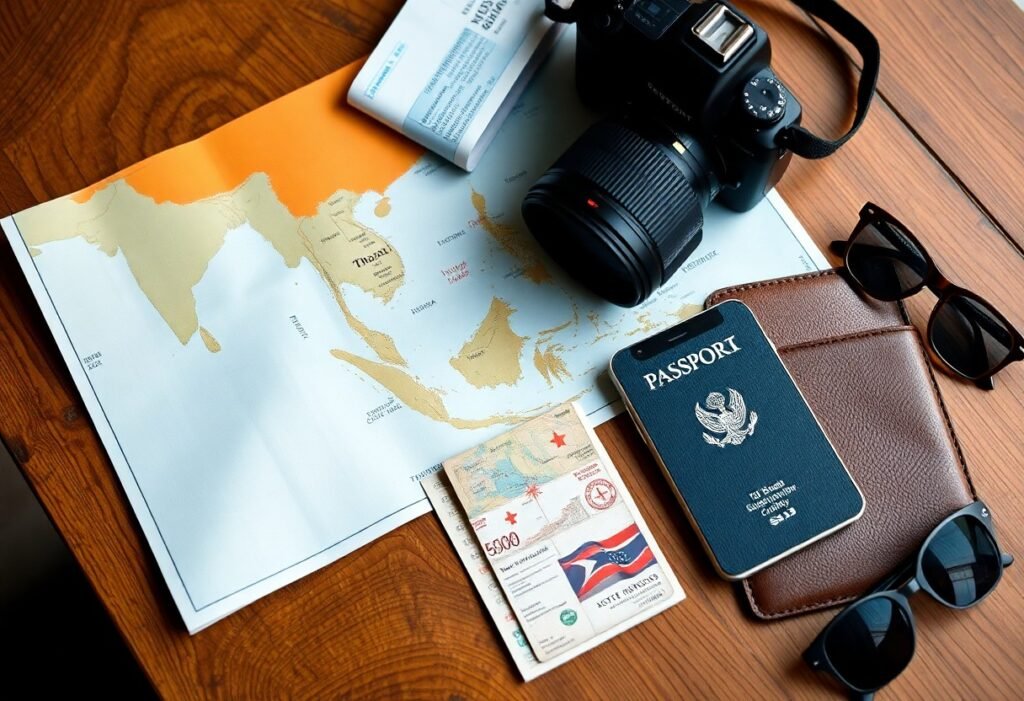
You can plan an epic route that balances stunning landscapes, authentic culture and pragmatic steps to mitigate health and safety risks – vaccinations, travel insurance and local advisories. Prioritize seasons, budgets and must-see highlights, book key transport and stays early, and consult trusted itineraries like Southeast Asia Adventure to check routes; with focused preparation you’ll craft your unforgettable, secure journey.
Key Takeaways:
- Time your trip by regional seasons and set a balanced pace – prioritize dry-season windows, group nearby countries, and allow slow days between busy itineraries.
- Vary transport and accommodations – combine buses, trains, ferries and short flights; mix homestays, guesthouses and boutique hotels to deepen cultural experiences.
- Handle logistics early – confirm visa requirements, vaccines and travel insurance, budget with contingency, and prebook high-demand flights or island transfers.
Understanding Your Goals
Start by listing what you want; you should map those choices to season, pace and budget-monsoon runs May-Oct in many areas while the dry season Nov-Apr suits trekking. Decide whether you prioritize conservation-focused wildlife, temple immersion, diving, or food scenes; 2-3 weeks covers 2-3 countries, a month allows deeper exploration. For practical planning and safety tips, see 3 Things to Know Before Adventure Travel in Southeast Asia.
Defining Your Adventure Style
If you prefer high-energy routes, plan multi-day treks (2-5 days) in northern Laos or Vietnam; choose diving itineraries like the Similan Islands with 2-3 dives/day; or opt for slow cultural trips spending 5+ days in hubs such as Hoi An or Luang Prabang. You should match accommodation to style-hostels $5-15/night for social travel, mid-range $30-60/night for comfort-to set realistic daily budgets.
Setting Realistic Expectations
You should accept variable transport-buses and ferries often run late and rural roads can add 30-50% to travel time-so plan buffer days. Expect basic facilities outside major cities and check visa lengths (Thailand visa-on-arrival ~30 days). Prioritize vaccinations and travel insurance; beware of common issues like traffic accidents and seasonal closures that can derail tight itineraries.
For example, Bangkok-Chiang Mai can be a 10-14 hour train or bus ride versus a 1-hour flight, and island ferries may cancel in bad weather-typhoon season runs Jun-Dec in parts of the region. You should pack a compact first-aid kit, insect repellent, and practical footwear; note that malaria risk exists in parts of Myanmar and Cambodia, while major urban centers generally pose lower health risk.
Researching Destinations
When researching destinations, split your planning into seasons, visa rules and health risks. You should note that many tourist visas allow ~30 days (Thailand, Indonesia, Vietnam e‑visa), and monsoon windows differ: Thailand dry Nov-Feb, Vietnam north Nov-Mar/south Dec-Apr, Indonesia May-Sep, Philippines typhoon Jun-Oct. Factor in seasonal closures for parks and the dengue risk during rainy months; verify vaccines like hepatitis A and typhoid and consult embassy sites and local forums for current advisories.
Top Southeast Asia Countries to Explore
Prioritize countries by what you want: Thailand for beaches, street food and temples (Bangkok, Chiang Mai, Phi Phi), Vietnam for the 3,000‑km coastline, the Hai Van Pass and UNESCO Ha Long Bay, Cambodia for Angkor Wat, Indonesia for Bali, Komodo and 17,000+ islands, and the Philippines for its ~7,641 islands and world‑class surf in Siargao. If wildlife matters, head to Malaysian Borneo. Watch for busy traffic in cities and peak season crowds in Dec-Feb.
Hidden Gems Off the Beaten Path
Seek offbeat spots: the Ha Giang loop (~300 km) for dramatic highland scenery, Laos’ Si Phan Don (about 4,000 islands) for river life, Indonesia’s Wakatobi and North Sulawesi for uncrowded reefs, and the Philippines’ Camiguin and Siquijor for quiet beaches. These places often have limited services and extra logistics, yet offer stunning solitude and authentic village stays.
To reach these gems you’ll typically combine overnight buses, ferries and short domestic flights; allow 2-3 days for the Ha Giang loop on a rented motorbike, a 1-2 hour ferry to Si Phan Don from Champasak, or a flight into Kendari/Wakatobi for remote reefs. Book local guides where roads are poor, carry cash because ATMs can be absent, and get travel insurance that covers remote evacuations. Check for permits or local registration in parts of Myanmar and some Indonesian islands, build buffer days for weather, and pack basic medical supplies since many spots have limited medical facilities.
Budgeting for Your Trip
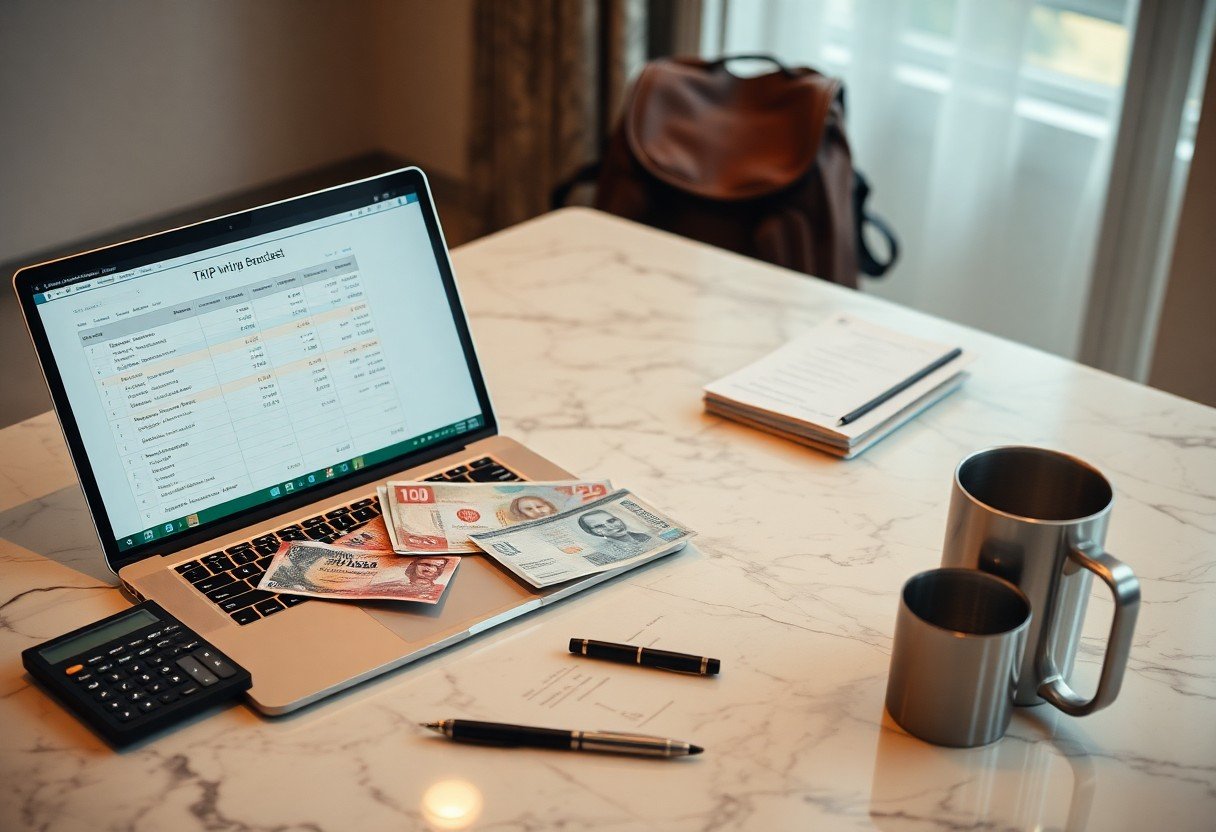
Plan your budget by breaking costs into daily expenses, transport, accommodation and visas; expect backpacker days around $20-50, mid-range $50-150 and occasional regional flights $30-200. Use the SOUTHEAST ASIA BACKPACKING ITINERARY to benchmark routes and timing for cheaper travel windows. This gives you a realistic target to test against flight promos and local costs.
- Daily budget
- Accommodation
- Transport
- Activities
- Emergency fund
Estimating Total Costs
Start by summing average daily costs × days, adding international flights ($400-1,000 from NA/EU), regional hops ($30-150), and visa fees (often $0-$50). Factor in one-off purchases like gear or vaccinations and a 10-20% contingency for delays or health. This creates a buffer that prevents cutting important safety or health spending mid-trip.
- Flights
- Visas
- Vaccinations
- Contingency
Tips for Saving Money During Travel
Favor street food and local markets, book night buses to save nights of accommodation, use hostels or guesthouses and compare low-cost carriers with trains; buy local SIMs ($5-15) and withdraw cash in small amounts to limit fees. This keeps your daily burn low without sacrificing experiences.
- Street food
- Night buses
- Local SIM
- Hostels
- Withdrawals
Use apps like Skyscanner and Rome2rio to uncover cheaper routing, check local bus stations for lower-priced tickets, and book guesthouses directly for discounts; refill water from filtered stations and carry a lightweight lock to share multi-bed rooms safely. Prioritize travel insurance for medical evacuation if you visit remote islands or do adventure sports. This helps you cut expenses while keeping safety and flexibility intact.
- Skyscanner
- Rome2rio
- Travel insurance
- Refillable bottle
- Direct booking
Creating an Itinerary
Set realistic rhythms: allocate travel days, cluster nearby destinations, and avoid backtracking. You might plan 3-4 weeks with city hubs (Bangkok 3 nights, Chiang Mai 3-4), cultural stops (Luang Prabang 2-3), and beach time (island stays 4-7 nights). Keep at least one buffer day every 5-7 days for delays, and note that overland transfers often take 6-12 hours, so factor transit into your pace.
Balancing Activities and Relaxation
Alternate high-energy days with downtime: do a sunrise Angkor tour or a full-day boat trip, then schedule a half day for markets and a lazy afternoon on the beach. Aim for no more than two major activities per day and consider a mid-trip night in a comfortable hotel to recharge; this approach preserves stamina and helps you enjoy 3-7 day island stays without burning out.
Flexibility vs. Structure
Lock in nonrefundable vitals-international flights and major tours-but keep several 2-3 flexible days to extend places you love. You can prebook internal flights for long hops, reserve 2-3 nights in smaller towns and then extend, and use buses or trains for short hops; that balance reduces stress while letting you capitalize on unexpected discoveries.
Use simple rules: limit daily land travel to under 6-8 hours when possible, choose overnight trains (typically 8-14 hours) to save time and a night’s lodging, and avoid multiple night buses in a row because they increase fatigue and risk. Keep document scans, a flexible app for bookings, and local SIM data so you can pivot quickly at borders or during sudden weather changes.
Packing Essentials
Travel light: aim for a carry-on under 7-10 kg to avoid fees from budget carriers (AirAsia allows 7 kg). Prioritize quick‑dry layers, a lightweight rain jacket for monsoon season (May-Oct), and a compact first‑aid kit. Add insect repellent with 20-30% DEET, sunscreen (SPF 30+), a 20,000 mAh power bank, universal adapter, waterproof phone pouch, and printed passport copies. Keep valuables secured in an anti‑theft daypack.
Key Items for Southeast Asia Travel
Include a lightweight sarong (doubles as towel/temple cover), microfibre towel, 10-20 L dry bag for boat trips, slip‑on sandals plus one pair of closed shoes, and 3-5 pairs of quick‑dry underwear. Pack a headlamp, compact umbrella, money belt or RFID‑blocking wallet, and a travel card alongside USD and local currency. Prioritize an RFID wallet, waterproof dry bag, and reliable 20,000 mAh power bank for long days on islands or buses.
Cultural Considerations in Packing
Many temples (Angkor, Bangkok’s Grand Palace) require you to cover shoulders and knees, and you must remove shoes before entering homes or shrine areas. In Muslim regions (Aceh, parts of Malaysia) pack a lightweight headscarf for women. Avoid clothing with political slogans or sensitive imagery, and don’t photograph military installations or checkpoints. Carry a scarf or sarong and one conservative outfit to respect local norms and avoid uncomfortable refusals at entry points.
For practical packing, include at least one long‑sleeve shirt and one pair of lightweight trousers in breathable fabrics like linen or merino for temple visits and mosquito protection at dusk. Slip‑on shoes speed up shoe removal; a sarong under 300 g folds small and covers knees/shoulders. Keep a small envelope of local currency for temple donations (a few dollars or equivalent) and avoid bright, attention‑seeking prints in conservative areas-men should avoid physical contact with Buddhist monks and follow local greeting customs.
Navigating Local Cultures
Across bustling capitals and remote villages your behavior shapes encounters: Bangkok, Luang Prabang and Ubud each expect different forms of respect. In religious sites you should remove shoes, lower your voice and cover shoulders or knees when required; markets tolerate cheerful haggling. Any time you mirror local practices you reduce friction and access deeper, friendlier experiences.
Respecting Customs and Traditions
When visiting temples and community events you must follow visible rules-Thailand and Laos expect shoe removal and modest dress, while Bali’s offerings require quiet around shrines. Avoid sensitive political remarks, as defaming royalty in Thailand can be dangerous under lèse‑majesté laws; offering small gifts is often a positive way to connect. Any small adjustment in attire or tone keeps interactions smooth and respectful.
- dress code
- temple rules
- gift giving
Communication Tips
Aim to learn 10-15 basic phrases-greetings, thanks, numbers and bargaining lines-in local languages like Thai, Vietnamese or Bahasa; use slow speech and open palms to convey politeness since nonverbal cues carry weight. Keep a downloaded translation app for menus and signs. Any simple phrase you use will open doors and reduce misunderstandings.
- basic phrases
- nonverbal cues
- translation apps
Practice pronunciation before you go: Thai “sà-wàt-dee” and “khòp khun”, Indonesian “terima kasih”, Vietnamese “cảm ơn” are high-impact starters; record short voice notes for key directions. Download one offline dictionary and one voice-translator to handle crowded markets and broken signage, and mimic local intonation to be better understood. Any small verbal effort typically yields smiles, help and friendlier prices.
- phrasebook
- pronunciation
- voice translator
Conclusion
With this in mind, plan a flexible itinerary that balances iconic sites and off-the-beaten-path experiences, set a realistic budget, prioritize health and safety precautions, and immerse yourself respectfully in local cultures; pack light but wisely, allow time for spontaneity, and document moments so your Southeast Asia adventure becomes unforgettable.
