
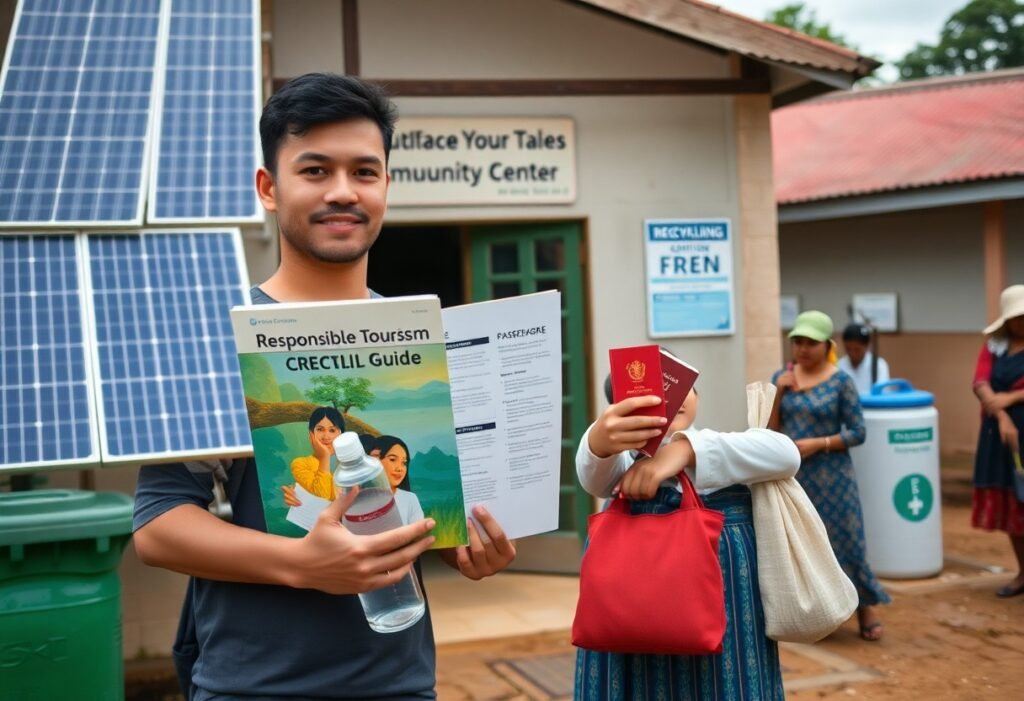
Abroad, as a first-time volunteer you must balance service and sensitivity: vet programs, follow local laws, and prioritize long-term benefit over short-term projects. Highlight risky elements like safety risks and ethical pitfalls while embracing opportunities for positive impact. Prepare vaccinations, insurance, and cultural training, and consult resources on Responsible volunteering abroad to make your work respectful, effective, and safe.
Key Takeaways:
- Work with transparent, locally led organizations and choose projects that match community-defined needs and long-term goals to avoid creating dependency or displacing local workers.
- Respect local culture and dignity: match your skills to appropriate tasks, avoid short-term unskilled childcare or medical roles, obtain consent for photos, and follow local customs and laws.
- Minimize environmental and economic impact by traveling sustainably, reducing waste, supporting local businesses, paying fair fees, and preparing with proper vaccinations, insurance, and emergency plans.
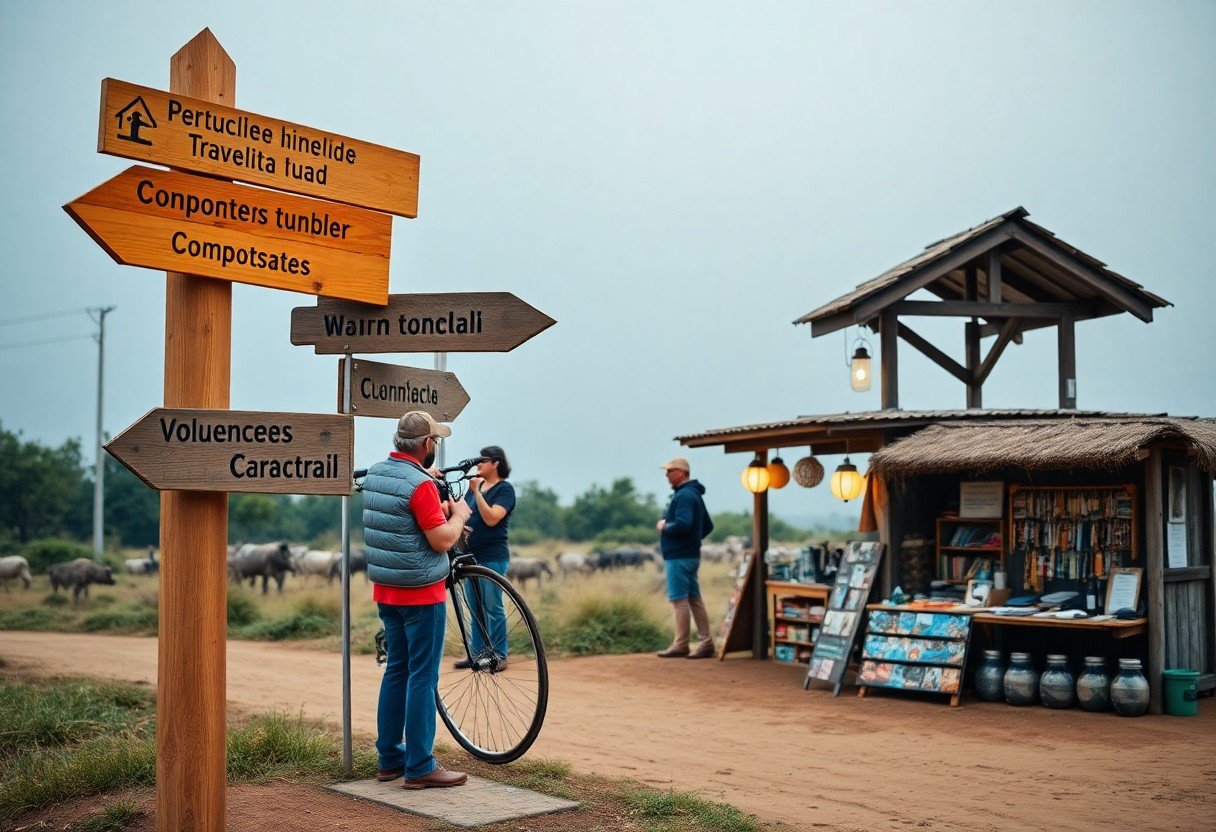
Types of Responsible Tourism
- Conservation Projects
- Community Development
- Ecotourism
- Cultural Exchange
- Volunteer Programs
| Conservation Projects | You join habitat restoration, species monitoring or anti-poaching patrols; stays often run 2-12 weeks with teams of 5-30, and you may handle data collection or native-species care. |
| Community Development | You support education, water, microfinance or infrastructure initiatives; programs usually partner with local NGOs and focus on capacity-building rather than short-term fixes. |
| Ecotourism | You travel with low-impact lodging and guided nature activities that fund conservation; activities often include guided hikes, wildlife viewing limits, and local guide training. |
| Cultural Exchange | You live with host families or attend language and craft workshops; emphasis is on mutual learning, respectful practices, and supporting authentic cultural enterprises. |
| Volunteer Programs | You participate in skill-based projects (teaching, medical camps) where measurable outcomes, like student pass rates or clinic patient follow-up, indicate impact. |
Conservation Projects
You often monitor wildlife, restore habitat, or run community-based anti-poaching efforts; typical teams collect GPS and survey data, assist nest protection (sea turtle programs report hatch rates often above 60-80% where well-managed), and follow strict biosecurity to reduce disease risk-so you must follow protocols and vaccination guidance to avoid spreading pathogens to vulnerable species.
Community Development Programs
You work alongside locals on schools, water systems, or livelihood training; projects that include local leadership and training for 100-300 beneficiaries tend to be sustainable, while short-term builds without handover can cause dependency, so you should prioritize skill transfer and measurable outcomes like enrollment or income changes.
In practice, you might join a team of 6-12 volunteers to build a classroom in 2-4 weeks while trainers simultaneously run teacher workshops; one village project in the region saw a classroom serve 150 children within a year after locals received maintenance training. Fund models that include microloans, local co-ops, and monitoring over 12-24 months reduce the chance of unintended harm and increase long-term benefit.
Knowing which model matches your skills and the community’s goals prevents harm and maximizes impact.
Factors to Consider Before Volunteering
Before you commit, evaluate the project’s alignment with local needs, your skillset, and the true costs-financial, environmental and social. Use resources like Volunteer Travel: The Pitfalls, the Potential, and How to Get … to spot common pitfalls and best practices for responsible tourism. Check if the organization demonstrates financial transparency and local leadership. Recognizing the balance between benefit and harm helps you avoid doing more damage than good.
- Needs alignment – matches community priorities
- Skill match – you add measurable value
- Duration – 3-6 months for lasting impact
- Costs & transparency – ask for budgets
- Legal & health – visas, vaccinations
Destination Research
Investigate the local context: check government travel advisories, vaccination requirements and community priorities before booking. Short placements under 4 weeks rarely allow meaningful skills transfer, whereas programs of 3-6 months tend to deliver measurable outcomes; for example, sustained teacher-training programs in rural schools often show improved retention and test scores after six months. Verify who requested the project and whether local stakeholders endorse it.
Organization Credibility
Vet organizations for documented transparency: request audited accounts, impact reports and local references. Prefer groups where a clear majority of funds support field activities and where local staff hold leadership roles; be wary of high volunteer fees with little program detail, which can indicate exploitation.
Dive deeper by asking for a sample budget, the program’s monitoring & evaluation framework and copies of MOUs with local partners, and insist on speaking with at least two local beneficiaries and one former volunteer. Check staff turnover-rates above 30% suggest instability-and compare the percentage of funds spent locally; aim for programs that allocate 60-70%+ to field activities. Watch for red flags: vague outcomes, refusal to share references, high volunteer-to-local ratios, or marketing that foregrounds volunteers’ photos over community impact.
Step-by-Step Guide for First-Time Volunteers
| Before Departure | Upon Arrival |
|---|---|
Visas: apply 4-8 weeks ahead; Vaccines: hepatitis A, typhoid, tetanus per CDC guidance; Insurance: get evacuation coverage of at least $100,000; bring passport copies, two credit cards, and a local phrase list (20 words). | Orientation: attend host induction; buy a local SIM or eSIM, change a small amount of cash, confirm emergency contacts, allow 48-72 hours to acclimatize, and map safe routes to your site and nearest clinic. |
Background checks: complete police clearance and child-protection training; pack culturally appropriate clothing, insect repellent (20-30% DEET), and a basic first-aid kit. | Safety practices: follow local transport norms, buddy up after dark, store valuables securely, and follow waste and hygiene protocols set by the program. |
Preparing for Your Trip
You should submit visa and background-check documents 4-8 weeks before departure, obtain recommended vaccines (hepatitis A, typhoid, tetanus) and travel insurance with medical evacuation coverage (~$100,000+), and register with your embassy. Pack for local conditions: one sturdy pair of shoes, modest clothing for cultural respect, water-purification options, and photocopies of important documents. Learn 20 basic phrases and the host organization’s emergency procedures to smooth your first 72 hours on site.
On-Ground Conduct
Follow the host organization’s rules, arrive on time, and defer to local leadership on program priorities; always ask for consent before photographing people, never give direct cash to children, and prioritize child protection policies. Use the buddy system in unfamiliar areas, keep a list of emergency contacts (local clinic, embassy, program manager), and report incidents within 24 hours.
When you work, adapt to local safety protocols: wear PPE in health or construction roles, limit physically demanding shifts during your first week to 6-8 hours, and handle sharps and waste per site rules to avoid blood-borne exposures. If cultural practices differ, ask local staff for examples-many volunteers find that following a community member’s lead on greetings, dress, and meal etiquette prevents misunderstandings and builds trust quickly.
Essential Tips for a Meaningful Experience
Start by matching your skills to local priorities: short placements under 4 weeks often limit impact, while programs with volunteers staying 3+ months show stronger continuity; avoid creating dependency.
- responsible tourism
- meaningful experience
- volunteer abroad
The best outcomes come when you support locally led plans and track measurable outcomes.
Engage Locally
Work through community councils, local NGOs or cooperatives and hire local staff for tasks you can’t do; in one coastal project volunteers partnered with a village council to plant 5,000 mangroves over 18 months, improving shoreline protection. Ask who sets priorities, attend meetings, and contribute your skills not solutions so local capacity grows rather than fades.
Respect Cultural Differences
Learn basic greetings, dress codes and photography norms before you engage: in many places you must ask permission before photographing people, avoid public displays of affection in conservative areas, and learn at least 20 key phrases to show respect; these steps reduce misunderstandings and protect community dignity.
When planning activities, you should spend at least 7 days observing and consulting with local leaders: ask about gender roles, religious calendars like Ramadan or local festivals, and taboos such as using the left hand for handing items in some West African contexts; if unsure, ask a local coordinator and follow their guidance to build trust and avoid offense.
Pros and Cons of Volunteering Abroad
You should weigh benefits against risks before committing: short placements under 4 weeks often limit lasting impact, whereas programs with local leadership and monitoring over 6-12 months deliver better results. Factor cost, skills, and community priorities, and consult guides like How to Ethically Volunteer Anywhere in the World to spot red flags and best practices.
Pros and Cons
| Pros | Cons |
|---|---|
| Skill development and hands-on experience | Short-term impact if placement under 4 weeks |
| Cultural exchange and language practice | Risk of cultural insensitivity without local guidance |
| Can boost local income through tourism and fees | Volunteer-driven jobs can displace local workers |
| Capacity building when paired with training | Poorly trained volunteers can undermine projects |
| Funding streams for community projects | Fees sometimes fund external administration, not locals |
| Personal growth and professional networking | Emotional burnout and safety risks abroad |
| Conservation gains with trained teams | Ecological harm from ill-informed interventions |
| Long-term partnerships when locally led | Hidden fees, scams, or unclear accountability |
Benefits of Responsible Tourism
You can generate real value by choosing programs that hire local staff, use transparent budgets, and measure outcomes over time; projects operating with community-led governance and 6-12 month monitoring often improve school attendance, livelihoods, or conservation metrics. Prioritize placements where the majority of fees directly support local salaries and infrastructure to ensure your time translates into sustained benefits.
Potential Challenges
You may encounter projects that unintentionally cause harm: volunteers performing beyond their qualifications, unauthorized clinical work, or short-term construction creating unsafe structures. Language gaps and high volunteer turnover can erode continuity, and some organizations funnel fees away from host communities, reducing long-term impact.
To mitigate these risks you should insist on written MOUs, baseline data and regular monitoring reports, and prefer programs with at least 6 months of local oversight or demonstrable follow-up. Demand clear role descriptions, proof of local hiring, and examples of past outcomes so you avoid placements that deliver more disruption than development.
Resources for Finding Opportunities
When searching opportunities, cross-check listings against independent reviews, impact reports and local partnerships; aim for programs with at least 1-2 years of documented project history and transparent budgets. You should prioritize organizations that publish outcome data and contactable local partners, and avoid placements that demand large upfront fees or lack clear supervision, since those are common sources of harm and wasted effort.
Recommended Organizations
You can explore established groups like the Peace Corps (typically ~27-month placements for deep community work), Habitat for Humanity (active in 70+ countries on housing projects), and VSO (skills-based programs in ~20 countries); look for training, local leadership, and published impact reports. If you’re a professional, consider Médecins Sans Frontières or Engineers Without Borders, which require credentials but provide structured, high-impact placements.
Online Platforms
Use platforms such as VolunteerMatch and Idealist for thousands of NGO listings, Go Overseas for program reviews and ratings, and Workaway/HelpX for homestay and skill-exchange options (Workaway lists hosts in 170+ countries). You should verify individual hosts and projects by checking multiple reviews and asking for local contacts, since platform listings vary widely in quality and oversight.
When vetting online platforms, ask for 2+ local references, a budget breakdown, and a clear supervision plan; request copies of partnership MOUs where possible. Be wary if a program demands more than $500 upfront without a refund policy, gives vague role descriptions, or cannot provide recent alumni contacts-those are common red flags indicating weak local integration or potential exploitation.
Final Words
On the whole, you should approach volunteering abroad ethically: research hosts, respect local culture, minimize your footprint, follow safety protocols, support the local economy, communicate transparently, and reflect on impact. By preparing, learning local norms, and prioritizing community needs over personal experience, you ensure sustainable contributions, protect vulnerable populations, and gain meaningful growth from your volunteer work.
