
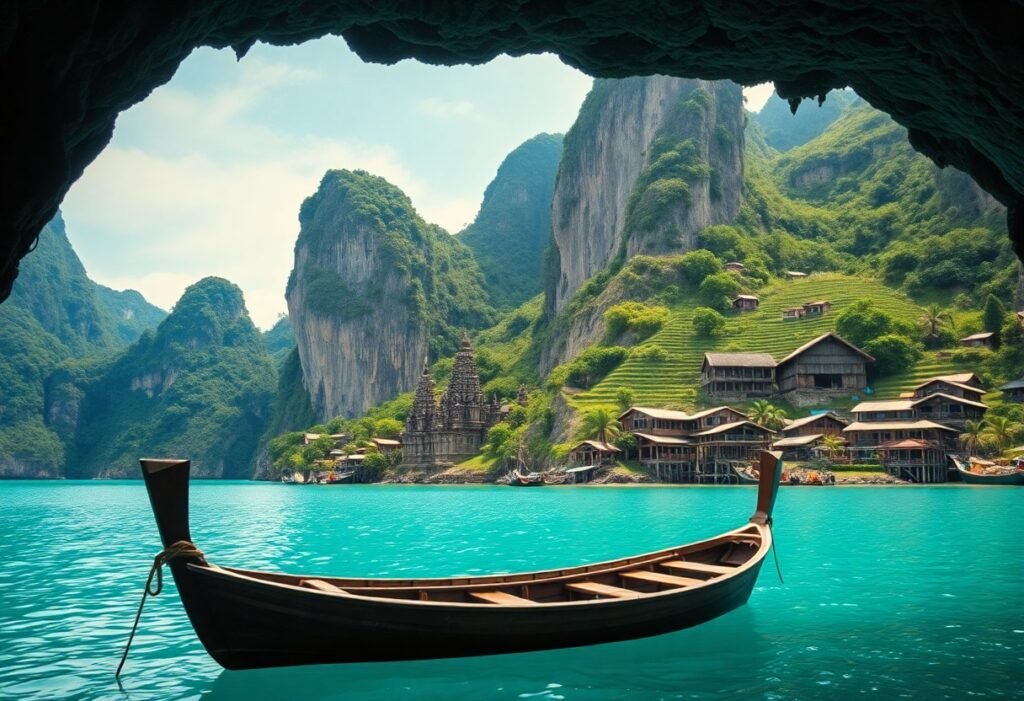
Over the course of this guide you’ll learn how to uncover and responsibly visit Southeast Asia’s lesser-known destinations, balance logistics and safety, and maximize cultural immersion. I’ll show you crucial planning tips, highlight dangerous seasonal storms and common petty scams to avoid, and point out breathtaking landscapes and untouched beaches that reward curious travelers. Follow practical advice so you and your trip stay safe, efficient, and unforgettable.
Key Takeaways:
- Prioritize off-the-beaten-path spots for authentic culture, quieter beaches, and unique landscapes.
- Plan practicalities-seasonal weather, local transport, visas, and reliable accommodations-to maximize time and safety.
- Practice responsible travel: respect customs, support local businesses, and minimize environmental impact.
Types of Hidden Gems
- Secluded Beaches
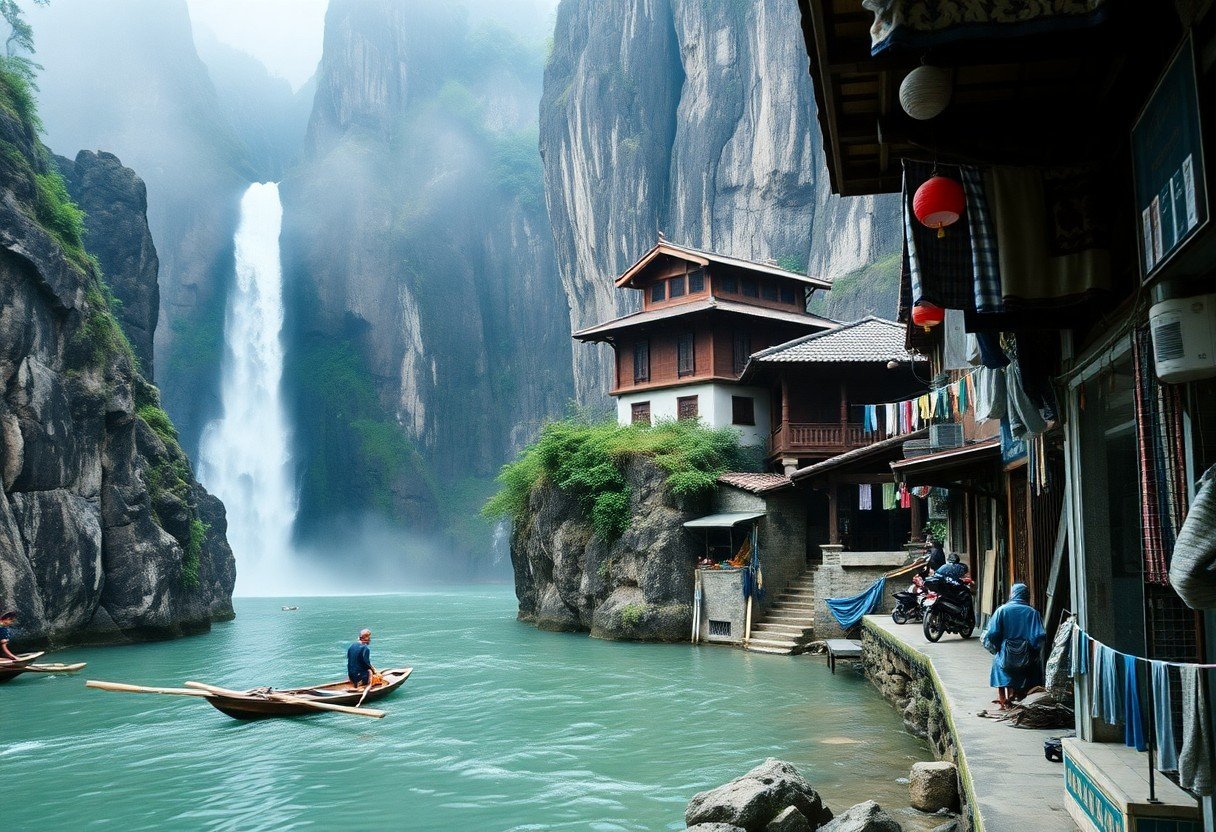
- Jungle Waterfalls
- Remote Highlands
- Ancient Temples
- Local Markets
| Secluded Beaches | Koh Rong Samloem (Cambodia) – pristine coral, limited facilities, watch for strong currents |
| Jungle Waterfalls | Kuang Si Falls (Laos) – tiered pools, swim risks after heavy rains, accessible as a day trip |
| Remote Highlands | Sapa (Vietnam) – rice terraces, homestays, steep trails and altitude changes |
| Ancient Temples | Angkor (Cambodia) – over 1,000 structures across the park, best at sunrise, expect crowd peaks |
| Local Markets | Chatuchak (Thailand) – ~15,000 stalls, bargain culture, be mindful of pickpocketing hotspots |
Natural Wonders
You can investigate coral-rich lagoons like Raja Ampat, which hosts over 1,500 fish species, trek Khao Sok’s ancient dipterocarp forest with limestone cliffs, or kayak among the karsts of Hạ Long Bay; seasonal monsoons bring heavy rain and strong currents, so plan between November and April for calmer seas and clearer visibility.
Cultural Treasures
When you explore sites like Angkor, Bagan or Borobudur you’ll find living traditions: sunrise temple rituals, lacquerware workshops in Myanmar, and Balinese odalan festivals; dress codes at many sites require modest clothing and some areas restrict photography, so respect local etiquette to avoid fines or conflict.
Delve deeper by timing visits – Angkor Archaeological Park spans roughly 400 km² with more than 1,000 monuments, and a 3‑day Angkor pass (commonly used) helps you pace sunrise runs and quieter afternoons; hire licensed guides to decode iconography, buy crafts from registered cooperatives to fund artisans, and be aware of common scams around transport and tour prices; follow temple rules and carry small cash. Assume that you book guides in advance, arrive before sunrise to avoid crowds, and verify entrance fees before travel.
Essential Tips for Travelers
Small, practical adjustments make exploring Southeast Asia‘s hidden gems far more rewarding: carry a compact first-aid kit, prefer local SIMs for reliable data, and accept that Wi‑Fi can be spotty in remote areas. You should mix booked stays with last‑minute homestays to access authentic culture and lower costs, and always have offline maps and emergency cash in local currency. Knowing peak monsoon months, ferry schedules, and visa requirements will save days of hassle.
- Book flights 6-12 weeks ahead for high season to get better fares and connections
- Check visa rules per country-eVisa vs visa-on-arrival can change routes
- Pack for heat and rain: quick-dry layers, sun protection, and a compact rain jacket
- Buy travel insurance that covers medical evacuation and motorbike incidents
- Hire local guides for remote treks to reduce risk and support communities
Planning Your Trip
Start by plotting regions by season-southern islands are best December-April, while highlands shine November-February-and book key transport 4-8 weeks in advance for inter-island ferries. You should prioritize slow travel: spend 3-7 days per locale to discover off-the-beaten-path markets and temples, use local buses to save money, and reserve homestays or small guesthouses to access local knowledge and contribute directly to communities.
Safety and Health Considerations
Get routine vaccinations and any destination-specific shots at least 4-6 weeks before departure, and discuss malaria prophylaxis for jungle and rural stays. You must prioritize dengue prevention-use repellents and long sleeves-watch for signs of heatstroke in hot months, drink bottled or treated water to avoid waterborne illnesses, and ensure your travel insurance covers medical evacuation.
Keep digital and paper copies of your passport, emergency contacts, and local embassy details; register with your embassy where available. Always carry a basic first-aid kit, a quality helmet for motorbike travel, and a headlamp for night treks; avoid night driving on rural roads where accident rates spike, and use reputable boat operators with lifejackets for island hops.
Step-by-Step Guide to Discovering Hidden Gems
Step-by-Step Overview
| Step | Action & Tips |
|---|---|
| Research | Use satellite maps, local Facebook groups, OpenStreetMap and guidebooks; check seasonality (dry Nov-Apr, monsoon May-Oct) and access roads. |
| Plan Logistics | Estimate transport times, arrange last‑mile transfers, and factor in permits or park fees before you leave. |
| Book | Secure refundable stays, licensed guides and verified boats; book 1-2 weeks ahead for remote spots, 1-3 months for peak season. |
| Go Local | Hire community guides, try homestays, and respect local rules-support conservation and small businesses. |
Researching Destinations
You should triangulate sources: check satellite imagery for track quality, read 20-50 recent forum posts (e.g., local Facebook groups, Reddit r/travelasia), and consult official park sites for fees and opening hours. For example, plan around Southeast Asia’s typical dry window (November-April) to avoid washed‑out roads; verify boat schedules since many island services reduce runs by >50% in monsoon months. Confirm land access and permit requirements before committing to remote sites.
Booking Accommodations and Tours
When booking, prioritize refundable rates and properties with clear coordinates; use platforms like Booking.com, Agoda and Klook plus local operators. Aim to secure transfers and guide contact details in writing, and check licenses or guide reviews-local guides often charge $20-$50/day depending on country. Also confirm included services (meals, transfers, park fees) to avoid surprises.
Dive deeper by asking specific questions: request the boat name and captain’s phone for island trips, confirm pickup times and contingency plans for canceled ferries, and verify park permits (e.g., ranger escorts required in many marine parks). For peak windows-festivals or December-January high season-book accommodations and boat slots 2-3 months ahead. Keep copies of bookings offline and save guide contact cards; this prevents last‑minute gaps on remote stretches where backup options can be >50 km away.
Factors to Consider When Visiting
When planning visits to secluded beaches or jungle waterfalls, you need to balance Southeast Asia logistics with safety, seasonality and local culture. Check visas, local advisories and park fees, and consult the Ultimate Guide to Exploring the Hidden Gems of Southeast … for region-specific tips. Expect varied infrastructure-remote islands may lack ATMs-and factor time for slow transport. Beaches can have strong currents and some highlands carry malaria risk; plan accordingly. Thou carry copies of documents and a basic first-aid kit.
- Visa requirements and entry rules
- Local transport timetables and reliability
- Health risks (vaccines, malaria zones)
- Respectful behavior and cultural norms
Best Times to Visit
Travel between November and February for the driest conditions across much of the mainland; expect cooler nights in highlands and peak crowds in coastal hotspots. Aim for shoulder months like March-April to avoid crowds though temperatures rise sharply. Note that monsoon patterns vary-May-October brings heavy rains to many areas, while island-specific windows (e.g., eastern Indonesia or the Philippines) can differ by month.
Budgeting Your Experience
Set realistic daily targets: backpacker-style travel can run <$20-35/day> with dorms and street food, while a comfortable midrange pace averages ~$50-150/day including occasional domestic flights. Factor in transport (buses $5-20, ferries $5-30), activities (snorkel trips $10-40, diving $30-120) and insurance (~$3-10/day), and reserve cash for remote areas and park fees.
To stretch funds, book overnight buses/trains to save a night’s lodging, favor street meals ($1-3) and local minibuses, and compare ferry vs. flight prices-regional flights often drop to $30-80 on sale. Carry small bills; many islands have limited card acceptance and ATM fees. Allocate a 10-20% contingency for unexpected costs, include park fees ($2-15) in your plan, and buy travel insurance that covers medical evacuation.
Pros and Cons of Exploring Hidden Gems
You gain solitude, authentic local interactions and often lower prices, but face unreliable transport, scarce medical care and minimal signage; for practical planning, consult the Laos travel guide 2026: Unlock the secrets of Southeast … for route examples and homestay contacts. Expect longer transfers-sometimes several hours by moto or longtail-and bring contingency time because road closures and limited services are common.
| Pros | Cons |
|---|---|
| Fewer tourists, more privacy | Limited accommodation options |
| Genuine cultural exchange with locals | Language barriers without guides |
| Lower costs for food and stays | Less reliable transport schedules |
| Unique photo opportunities and wildlife | Poorly marked trails and safety risks |
| Support community-based tourism | Minimal emergency medical facilities |
| Slow, immersive pacing | Variable Wi‑Fi and mobile coverage |
| Access to seasonal festivals and rituals | Seasonal closures (monsoon, landslides) |
Advantages of Off-the-Beaten-Path Travel
You encounter traditions unchanged by mass tourism-homestays in northern Laos or village coffee farms on the Bolaven Plateau offer hands‑on experiences and often cost significantly less than hotels; travelers report deeper connections and quieter trails, with many sites seeing under 1,000 visitors annually, so your visit can directly benefit local economies.
Potential Challenges and Disadvantages
You must accept logistical unpredictability: overnight buses can be delayed, transport may require multiple vehicle changes, and medical help can be hours away; language gaps and cash-only vendors are common, so plan for contingencies and longer travel times.
Expect to carry crucials and contingency gear: obtain comprehensive travel insurance, pack a charged power bank, store offline maps and translate key phrases, and keep at least extra cash and basic meds on hand. Hiring a local guide often reduces risks and opens access to remote trails, while flexible itineraries let you adapt to weather, ferries or road conditions.
To wrap up
From above, you can synthesize this Ultimate Guide to Exploring Southeast Asia’s Hidden Gems into a clear plan: prioritize safety and sustainability, balance iconic sights with offbeat locales, refine your itinerary by season, and use local insights to deepen your experience; consult the 10 Hidden Gems in Southeast Asia (2025 Guide) to tailor your route and make the most of your journey.
