
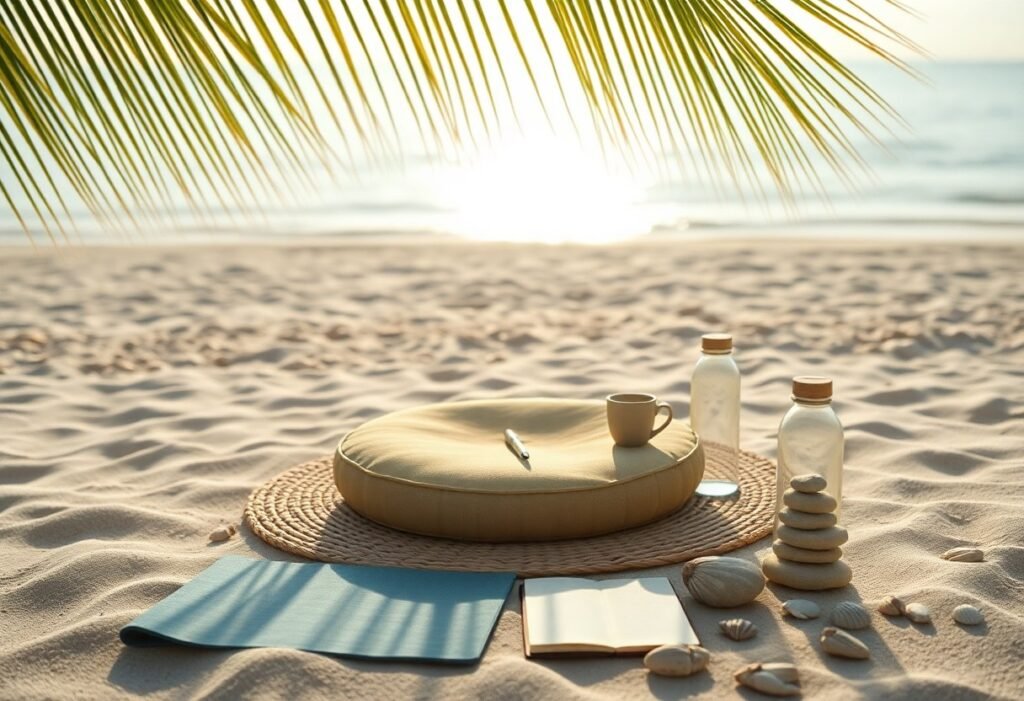
With a few simple habits you can turn the shore into a restorative retreat by prioritizing safety and calm: apply broad-spectrum SPF 30+, stay hydrated and seek shade to avoid sunburn and heat exhaustion, watch for rip currents when entering the water, and practice deep breathing plus slow mindful walking to center your mind; unplug devices and set limits on phone use to protect your peace and extend relaxation.
Key Takeaways:
- Unplug and set boundaries: silence notifications, limit screen time, and schedule brief check-ins to stay present.
- Plan for comfort and safety: bring shade, sunscreen, hydration, and light snacks so relaxation isn’t interrupted.
- Adopt slow, intentional habits: practice deep breathing, take gentle walks, listen to the waves, or read to settle into a restful rhythm.
Preparing for Your Beach Escape
Before you head out, check tide charts and the local weather app – aim for early morning (8-11am) for cooler temps and calmer seas. Scan advisories for rip currents and choose a beach with posted lifeguard hours when possible. Pack water (≥2 L per person), a waterproof pouch for your phone, and SPF 30+ sunscreen to protect long stretches of sun exposure.
Selecting the Ideal Beach
Choose a shoreline that fits your goals: opt for sheltered bays or lagoons for still water and low waves (average wave height under 0.5 m), or select wide public beaches with Blue Flag status and lifeguards on duty 9am-5pm when safety is a priority. Factor in parking, restrooms, and typical crowd density – you’ll find weekday mornings often have under 50 people per 100 m for quiet.
Packing Essentials for Relaxation
Bring items that maximize your comfort and minimize fuss: a UPF-rated umbrella or shade (≈6×6 ft), sand-resistant blanket, low-profile chair, polarized sunglasses (UV400), refillable water bottle (2 L+), reef-safe SPF 30+ sunscreen, a wide-brim hat, and a small first-aid kit that includes tweezers for jellyfish or splinters.
Make sure you pack durable gear: a sand anchor and wind stakes prevent umbrella loss, a 10,000 mAh power bank keeps devices charged for emergency calls, and an insulated cooler holds ice up to 12 hours. Choose breathable fabrics, a microfiber towel that dries in minutes, and compact earplugs if you want uninterrupted rest; these specifics reduce stress and increase true relaxation.
Creating Your Relaxation Zone
Pick a spot behind natural windbreaks like dunes or vegetation and aim to sit about 20-30 meters (65-100 feet) above the high-tide line to avoid sudden surges; orient your setup so the sun falls across your lap mid-morning and use a low canopy (1.8-2.1 m) to cut UV by about 60-80%, protecting your skin, gear, and overall calm.
Setting Up Your Space
Place your blanket or mat on firm sand to avoid sinking and stake it at four corners; secure a windbreak or towel on the upwind side to block gusts and keep sand out of food. Choose a reclining chair with a wide base or a low-profile lounger to reduce tipping, and keep your cooler and valuables within arm’s reach to prevent theft or water damage.
Utilizing Comfortable Accessories
Bring a sand-free blanket, an inflatable neck pillow, a wide-brimmed hat, and an umbrella with SPF 50+ fabric; a 20-30 L insulated cooler preserves ice for 12-24 hours and an articulated sunshade offers adjustable coverage. You should choose gear rated for beach use-rust-resistant zippers and UV-protected fabrics-to extend comfort and reduce maintenance.
Choose an umbrella 6-8 ft high and tilt it 30-45° into the breeze to block glare and reduce sand drift; set your chair at 110-140° recline to support your lumbar curve and inflate pillows until they cradle your neck without forcing your chin forward. Pack 1.5-2 liters of water per person and a small first-aid kit; these measures lower dehydration and minor-injury risk and keep your escape uninterrupted.

Mindfulness Techniques for the Beach
Pair sensory focus with simple routines: spend 10-20 minutes noting textures, scents, and wave patterns while you breathe slowly, or try a structured stroll at dusk-see the Night Beach Walk: A Stress-Relieving Outdoor Activity for timing tips; keep lighting, tide awareness, and a charged phone to avoid hazards while staying present.
Breathing Exercises
Use structured breaths to reset your nervous system: try the 4-7-8 pattern (inhale 4, hold 7, exhale 8) or box breathing (4-4-4-4) for 3-5 minutes, repeating 4-6 cycles; you’ll slow heart rate and reduce immediate tension, and you can pair this with feet planted in the sand to deepen the body-mind connection.
Meditation Practices
Practice short, anchored meditations: a 5-15 minute body-scan or open-awareness session works well with ocean sounds as your anchor; set a gentle timer, put your phone on Do Not Disturb except for emergencies, and focus on the rising and falling of breath while letting passing thoughts return to the waves.
For a practical routine, start seated or lying on a towel: spend 1 minute settling, 5 minutes on a guided body-scan (toes → legs → torso → shoulders → face), 3 minutes of open-awareness listening to surf, then finish with two deep grounding breaths; doing this 3-5 times weekly often compounds benefits, and alternating days of 10-20 minute sessions can improve sleep and daytime focus.
Engaging with Nature
Let the shoreline become a living classroom: spend 20-30 minutes each visit tuning into wind patterns, salt scent, and wave tempo to lower stress and sharpen attention. You can pair slow diaphragmatic breaths with each incoming wave, note three textures per minute, and alternate seated observation with short ambles to avoid fatigue. Bring a lightweight field guide or app to identify shells and birds, and stay alert to changing tides and rip currents to keep your escape safe.
Beach Walks and Mindful Scanning
Try 10-30 minute walks along the waterline, syncing steps with the surf-about 60-90 relaxed steps per minute-and use a simple scan: left, center, right. Count shells or spot five different textures to cultivate focus, and practice barefoot grounding for 5-10 minutes when sand is cool. Watch for hot sand, sharp shells, and areas where surf changes suddenly; avoid deep surf zones where rip currents often form.
Observing the Surroundings
During low tide you can inspect exposed pools and flats for small ecosystems-crabs, anemones, and juvenile fish-while documenting finds with photos or an app like iNaturalist to contribute to local records. Keep distance from nesting areas and do not pick or handle wildlife, since even brief handling stresses animals and may violate local protections.
Plan visits 1-2 hours around low tide for the richest observations and bring a pocket notebook to log colors, behaviors, and counts-aim for three entries per category. Note bird flight patterns and vocal cues to infer feeding activity, and always stay on paths; wet rocks and sneaker waves are common hazards that make close inspection unsafe.
Enjoying Beach Activities for Relaxation
Blend gentle motion and stillness to unwind: try a 10-30 minute walk, a short swim, or quiet beach yoga to lower your heart rate and clear your mind; for inspiration check Beach Therapy: Your Escape to Tranquility. Keep sessions brief, pace yourself, and watch for rip currents while you prioritize comfort and safety to get the most restorative benefit.
Gentle Water Sports
You can use stand-up paddleboarding or kayaking as low-impact ways to increase circulation and focus for 20-45 minutes; choose calm bays or protected inlets, wear a USCG-approved life jacket, and check local wind forecasts before launching. Rentals often provide quick orientation-ask for a demo-and avoid venturing beyond sight of shore if conditions change.
Leisurely Reading and Sunbathing
You should aim for short sun sessions-about 20-30 minutes-then move into shade, wear a wide-brim hat, and apply broad-spectrum SPF 30+ to exposed skin; pair with a light novel or short-story collection to keep focus relaxed and restorative without long screen time.
When you settle in to read, set a simple rhythm: 30-60 minute reading blocks broken by 5-10 minute stands to stretch, rehydrate, and reapply sunscreen. Choose paperback or e-ink devices with matte screens to reduce glare; pack sunglasses rated for UVA/UVB protection and a pop-up umbrella for shade. Selecting paced, immersive reads-essays, travelogues, or short-story anthologies-helps maintain calm attention, while periodic tidal walks reset posture and keep you connected to the shoreline.
Staying Hydrated and Nourished
To keep your beach day restorative, sip fluids regularly and eat small meals to sustain energy; in hot sun you can lose up to 1-1.5 liters of fluid per hour, so aim to drink about 200-300 ml every 20-30 minutes. Pack a cooler with water, shaded bottles, and insulated containers, and avoid prolonged sun exposure when you feel lightheaded or have a rapid heartbeat-those are signs of dehydration or heat stroke.
Healthy Snacks for Energy
Choose snacks that combine carbs, protein, and fats: a 30 g handful of almonds, 150 g Greek yogurt with berries, or a banana with 1-2 tbsp peanut butter all provide lasting fuel; aim for roughly 10-15 g protein per snack. Also prepare homemade trail mix (nuts, seeds, a few dark chocolate chips) to avoid high-sugar bars that spike then crash your energy.
Refreshing Beverages
Favor low-sugar electrolyte options like coconut water, ready-made sports drinks, or iced herbal teas; these help replace sodium and potassium lost in sweat, while alcohol and sugary sodas will worsen dehydration. Keep drinks chilled in a cooler and portion them so you sip steadily rather than gulping, which helps absorption and steady hydration.
For a simple DIY electrolyte mix, blend 1 liter water with 1/4-1/2 tsp salt, 1-2 tbsp sugar or honey, and the juice of half a lemon-serve over ice. Freeze some of the beverage into ice cubes to keep the cooler cold without diluting flavors, and rotate chilled bottles into shade every 30-60 minutes to maintain a safe, cool drink supply.
Conclusion
Conclusively, by prioritizing slow rhythms, protecting your well-being, and practicing simple breath and movement routines, you can transform beach time into restorative rituals; trust your instincts, simplify your plans, and explore resources like Find Calmness by the Ocean: Embrace Self-Love & Travel to deepen your peaceful escape.
