
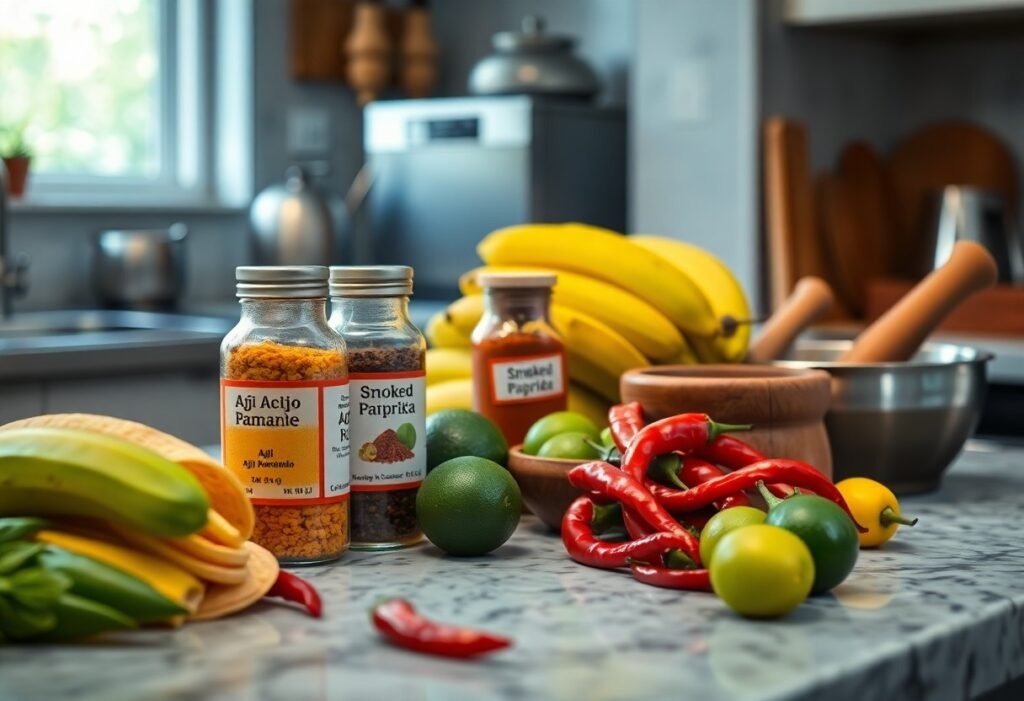
With your pantry stocked for Latin American cooking, you’ll rely on vibrant flavors from citrus, cilantro and achiote, staples like corn and beans, and fiery chilies whose potent heat can overwhelm if misused; mastering the balance of smoky, tangy and herbal notes gives you confident control of regional dishes.
Key Takeaways:
- Chiles, garlic, onion, cilantro, cumin and achiote form the flavor backbone across regions, used fresh, dried, toasted and ground to build complex profiles.
- Staples like corn, beans, rice and plantain provide structure and vary by preparation-nixtamalized masa, stews, fried and roasted-showcasing regional identity.
- Acid (lime, vinegar), smoke, fermentation and spice blends (mole, adobo, chimichurri) balance richness and preserve ingredients, linking tradition with everyday cooking.
The Foundation of Latin American Flavors
Beneath the bold finishes and table-side salsas lies a framework of chiles, aromatics, acid (lime or vinegar) and rendered fat that you layer into every pot. You build depth by sweating onions and garlic, blooming ground spices, and finishing with a bright squeeze of citrus; for example, Mexican mole blends more than 20 spices to create its taut balance, while Peruvian cocina leans on ají amarillo and roasted garlic for its signature roundness.
Key Spices
Chiles define heat and flavor-use jalapeño (≈2,500-8,000 SHU) for mild bite and habanero (≈100,000-350,000 SHU) when you want intense fire. You’ll also rely on achiote (annatto) for bright orange color, cumin and coriander seeds for earthiness, and warm notes like cinnamon and cloves in Caribbean stews; Jamaican jerk, for instance, hinges on allspice plus Scotch bonnet for its signature profile.
Essential Herbs
You’ll finish many dishes with cilantro or culantro, where fresh leaves brighten salsas and ceviches; cilantro wilts quickly-use within 48-72 hours-and is best added raw, while oregano and parsley are sturdier for simmered sauces. In Mexico and the Andes, herbs define regional character: Mexican salsas favor cilantro; Peruvian plates often feature huacatay for a distinct, aromatic lift.
Epazote and huacatay deserve special attention: epazote seasons beans and reduces gas but contains ascaridole, so you should use it sparingly (small sprigs per pot) to avoid toxicity. Conversely, culantro tolerates long cooking and lends sustained, pungent flavor, and huacatay (used in ocopa or huancaina) gives a bold, minty-anise note-often 2-3 leaves or a tablespoon chopped is enough to transform a sauce.
Staples of Latin American Cuisine
Across households you build meals around maize (nixtamalized for tortillas and masa), rice, beans and starchy roots like cassava/yucca (which contains cyanogenic compounds if raw); plantains and potatoes fill regional niches. Beans are a primary plant protein and quinoa or amaranth appear in Andean diets. For detailed spice pairings that elevate these staples, consult The Ultimate Guide to Mexican Spices – SpicesInc.com.
Grains and Legumes
Start with corn-whole kernels, masa harina or toasted hominy-and you’ll see why nixtamalization matters for flavor and nutrition. You rely on black, pinto and kidney beans across diets; soak beans 8-12 hours to shorten cooking to 1-2 hours on the stovetop or 20-30 minutes under pressure. Quinoa and amaranth add complete proteins in Andean menus.
Vegetables and Fruits
You use avocados for fat and texture, limes for bright acid, and tomatillos for tartness; chiles and peppers often function as fruits in recipes. Watch preparation: avocado’s healthy fats and acidic citrus preserve salsas, while raw cassava requires proper cooking to remove toxins.
When you handle plantains, know the stage matters: green plantains become savory tostones (fried twice and pressed), while ripe plantains (maduros) caramelize quickly. Roasting tomatoes, tomatillos and chiles concentrates sugars and adds smokiness to salsas; pickling (escabeche) extends seasonal peppers, and nopales (cactus pads) provide a tangy, fibrous vegetable used from Mexico to the Southwest.
Cooking Techniques and Their Impact
When you char onions and peppers on a comal or roast chiles, you transform sugars and oils into deep, smoky flavors; to boost aroma, toast whole cumin or coriander for 1-2 minutes before grinding. Searing at high heat locks juices, while slow braises for 2-4 hours convert collagen into gelatin for silkier sauces. For a quick reference on key seasonings that pair with these methods see 6 Latin American Spices You Need to Use in Your Meals.
Traditional Cooking Methods
You’ll rely on tools like the comal, molcajete and clay pot: a molcajete crushes oils and releases up to 3× more aroma than pre-ground pastes, while clay pots retain heat for long, even stews. Pit-roasting (barbacoa) commonly takes 6-12 hours, producing profound smokiness; note that handling hot coals and fats can be hazardous, since overheated oil or embers pose a fire and burn risk.
Regional Variations
In high-altitude Andes cooking, you’ll simmer longer because water boils at lower temperatures (around 90-95°C above 3,000 m), which alters texture and timing. Coastal Caribbean cuisine favors fast, high-heat frying and acid brightening (lime), while Mexican kitchens emphasize nixtamalization and layered chiles-each technique shifts how spices release flavor and nutrients.
Digging deeper, you can compare techniques: Peruvian pachamanca uses an earth oven to steam and infuse herbs, Argentine asado spaces coals for slow, controlled grilling over 3-4 hours, and Yucatecan recados rely on achiote marinades to both color and tenderize. Your choice of vessel, time and temperature ultimately shapes whether a dish tastes bright, smoky or deeply savory.
Influences from Indigenous and Colonial Traditions
Between ancient staples and colonial imports, your pantry reflects centuries of exchange: maize (domesticated ~9,000 years ago), Andean potatoes (~7,000 years), chiles and cacao sit beside wheat, sugarcane, olive oil and livestock introduced in the 15th-16th centuries, producing the hybrid flavors and techniques you use daily.
Pre-Columbian Ingredients
Before contact, communities perfected the crops you rely on: the “Three Sisters” (maize, beans, squash), quinoa and amaranth for protein, and cacao as currency and flavor; potatoes from Andean terraces transformed highland diets. Cassava fed lowland populations but must be processed because it contains cyanogenic compounds that are dangerous if consumed raw.
European Contributions
When Europeans arrived in the 15th-16th centuries, they brought wheat, rice, sugarcane, olives and livestock-cattle, pigs, goats and chickens-along with dairy, onions and garlic, which gave you bread, cheeses and cured meats while also introducing diseases that dramatically reshaped indigenous demography and labor systems.
You can see those imports in specific dishes: wheat enabled pan dulce and flour tortillas, Iberian methods produced chorizo and cured hams, and cattle created the beef-centered asados of the Southern Cone (estancias grew from the 16th century). Sugarcane fostered rum production and plantation economies tied to the transatlantic slave trade, a dangerous legacy, while dairy led to dulce de leche and custard traditions.
The Role of Regional Diversity
Across the continent, regional diversity shapes what you cook: Andes altitudes favor potatoes and quinoa, the Amazon leans on cassava and tropical fruits, and the Caribbean privileges coconut and seafood. You can consult resources like 7 Main ingredients found in Latin American cuisine to map staples. Note that staples like maize and cassava anchor diets, while some chiles exceed 100,000 Scoville units and require care.
Coastal vs. Inland Cooking
On coasts you rely on seafood-ceviche, tiradito, and coconut stews-using acid and fresh fish to finish dishes, while inland kitchens lean on tubers, beans, and slow-cooked stews like locro or feijoada. You must adjust technique: raw preparations demand immediate service and strict freshness, whereas highland braises tolerate long simmering and benefit from altitude-driven reductions.
Flavor Profiles of Different Countries
Mexico emphasizes layered heat and smoke-ancho, chipotle and complex moles; Peru balances citrus with aji amarillo and native tubers; Brazil’s northeast uses dendê oil and coconut; Argentina centers on beef with herb-forward chimichurri. You identify countries by a handful of emblematic sauces, peppers, and proteins.
Delving deeper, Oaxaca’s famed seven moles illustrate how few ingredients produce vast variation, while Peru’s post-2000 culinary boom (led by chefs like Gastón Acurio) reclaimed indigenous produce such as quinoa and camote. You can taste regional identity in single elements-the fruity heat of aji amarillo, the earthiness of roasted cacao in some moles, or the smoky char on Argentine parrillas.
Modern Adaptations in Latin American Cooking
You see contemporary chefs blending traditional spices-ají amarillo, achiote, epazote-with techniques like fermentation, sous‑vide and nose‑to‑tail butchery. In Lima and Mexico City, restaurants pair heirloom corn and quinoa with European and Asian methods to highlight terroir while appealing to global diners. Emphasis on local sourcing and sustainability reshapes menus, supply chains and tasting experiences without erasing regional identity.
Fusion Cuisine
You encounter clear fusion strands: Nikkei (Japanese-Peruvian) and Chifa (Chinese-Peruvian) arose from late 19th-early 20th century migrations, producing dishes like tiradito and arroz chaufa. Lebanese shawarma gave rise to tacos al pastor in Mexico City. Chefs such as Gastón Acurio have exported Peruvian techniques worldwide, while local taquerías and street cooks adapt fillings and spices to seasonal produce and immigrant tastes.
Global Influence on Traditional Dishes
You witness global forces reworking staples: Mexico’s cuisine was inscribed on UNESCO’s Intangible Cultural Heritage list in 2010, spurring international interest; chefs from Scandinavia to Asia stage pop‑ups-Noma’s 2017 Mexico project is a high‑profile case-spotlighting corn, chiles and fermentation. That attention brings tourism and investment but can also risk loss of traditional techniques or, if raw seafood isn’t handled properly, be dangerous.
You can trace concrete adaptations: Seoul tacos layered with kimchi, Caribbean Colombian ceviche using coconut milk, and New York menus pairing mole with European game birds. Migration waves (Japanese and Chinese in the late 1800s-early 1900s; Lebanese early 20th century) explain many hybrids, while lists like Latin America’s 50 Best Restaurants accelerate trends and push chefs to innovate as you judge authenticity.
Final Words
Conclusively, the vibrant blend of chiles, herbs, citrus, and staples like maize and beans shapes the soul of Latin American cooking; as you learn their balances and regional variations, your dishes gain depth, brightness, and cultural resonance, and your palate becomes attuned to how simple ingredients transform through technique and tradition.
