
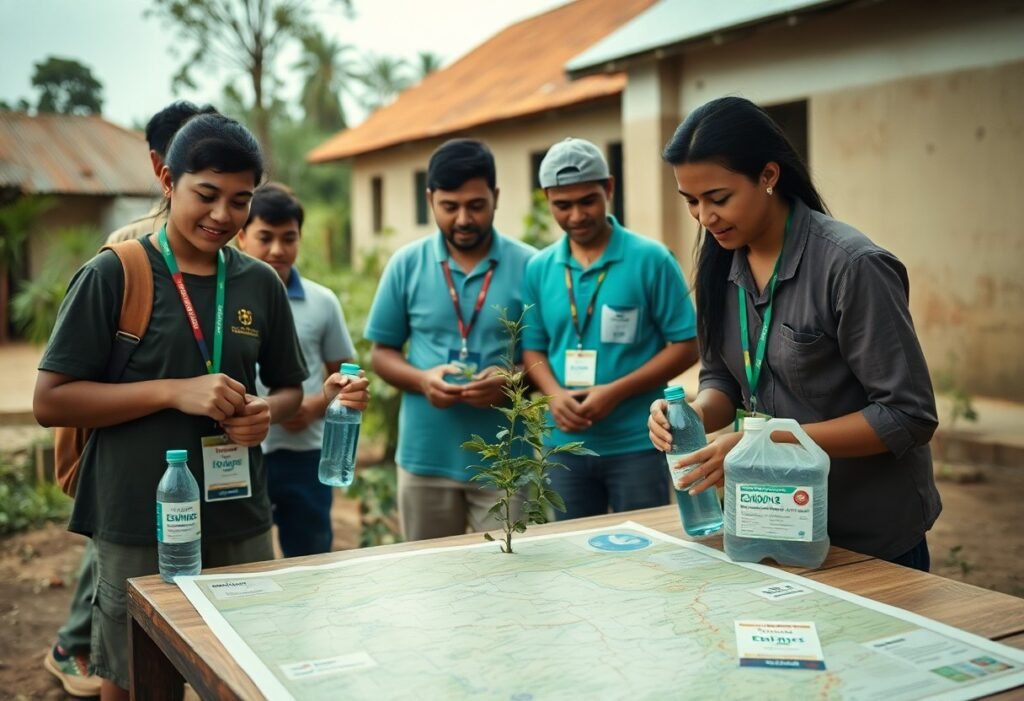
Tourism that truly helps requires that you respect local culture, prioritize community-led projects, and plan responsibly so your efforts produce sustainable benefits. You must assess organizations, learn local languages, and avoid actions that create dependency. Be aware of health and safety risks and legal requirements, and focus on skill-sharing to ensure your time yields measurable, lasting value for both you and the host community.
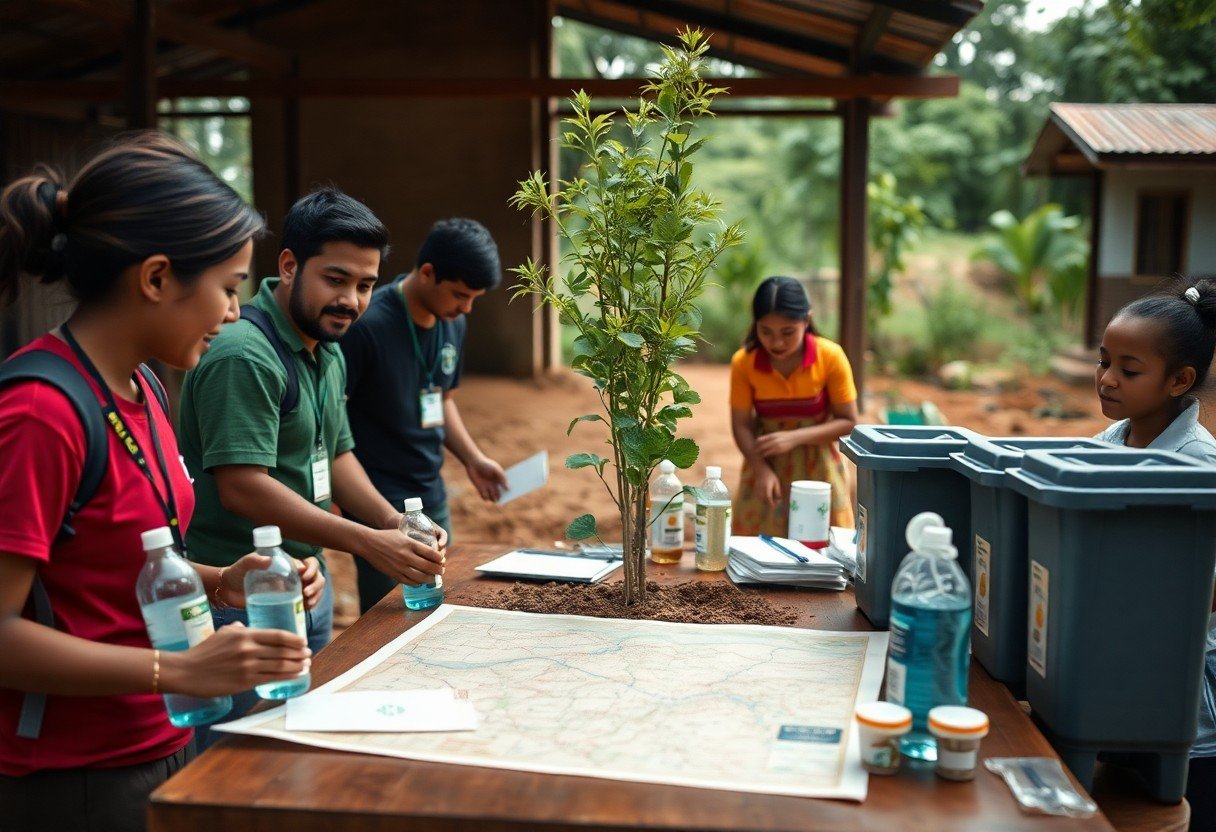
Key Takeaways:
- Choose community-led, transparent projects that match your skills and the long-term needs of local partners.
- Minimize harm by practicing cultural sensitivity, following local leadership, and reducing your environmental footprint.
- Focus on sustainable impact: provide training, support continuity after you leave, and measure outcomes rather than short-term fixes.
Understanding Responsible Tourism
Definition of Responsible Tourism
Responsible tourism asks you to prioritize host-community needs over your itinerary: support initiatives that are community-led, transparent about funding, and designed for long-term impact. The UNWTO estimates tourism makes up around 10% of global GDP and one in ten jobs, so your choices influence local economies; opt for projects that match your skills, avoid creating dependency, and build measurable capacity rather than short-term visibility.
Importance of Ethical Practices
When you choose ethically, you reduce harm and boost resilience: short-term placements of 1-4 weeks often disrupt local services and can displace paid work, while well-structured programs improve outcomes. For example, poorly managed orphanage volunteering has led to institutionalization and exploitation, whereas community-run education programs with sustained staffing show higher school retention and better outcomes.
Digging deeper, aim for placements that pledge clear metrics, local governance, and financial transparency; projects with 6+ month commitments or systematic handover plans typically deliver sustainable skills transfer. Also verify that medical or technical tasks match your qualifications to avoid patient or client harm, and prefer partners who reinvest fees into local salaries, infrastructure, and monitoring.
Choosing the Right Volunteer Program
When choosing a program, prioritize organizations that demonstrate transparent budgets, measurable outcomes, and local leadership; short-term stints under two weeks rarely produce lasting change, while stays of 6-12 weeks or longer often allow real contribution. Check sector-specific standards and read practical guides like 7 Tips for Ethical Volunteering & Responsible … to compare promises with evidence before committing.
Research and Verification
You should verify registration, request recent impact reports, and ask for three local references; insist on seeing financial breakdowns and safeguarding policies. Programs that cannot provide background checks for staff or clear monitoring indicators pose serious risks to beneficiaries and volunteers. Use independent review sites, contact past volunteers, and confirm partnerships with local NGOs or government bodies to authenticate claims before you pay or book travel.
Aligning with Local Needs
Match your skills to stated community priorities: if you’re a qualified nurse, ensure clinical tasks are supervised and permitted; if you teach, confirm curriculum alignment with local schools. Projects designed and run by locals typically yield the best outcomes, while initiatives that hire few community members or replace paid roles can cause harm. Prioritize programs that show clear beneficiary input and employment for residents.
Ask specific questions: who defined project goals, how are beneficiaries consulted, and what are the measurable indicators of success? Demand examples of past work-case studies showing attendance increases, income gains, or restored habitat-and verify that locals are hired for leadership and technical roles. In community forestry projects, for example, programs that trained and employed local caretakers reduced illegal logging by measurable amounts and provided stable income, illustrating proper alignment between volunteer work and local priorities.
Preparing for Your Trip
Before you depart, confirm visa and vaccination requirements-some countries require proof of yellow fever or COVID-19 vaccination-and buy comprehensive travel and medical evacuation insurance. Make digital and paper copies of passports and prescriptions, download offline maps, and share arrival details with your host. Check program minimum stays: many organizations expect at least a 4-week commitment for meaningful work. These practical steps lower logistical risk so you can arrive ready to support local priorities.
Cultural Sensitivity and Awareness
Study local customs and learn basic phrases-aim for 10-20 greetings and polite expressions-to show respect from day one. Ask about dress codes, gender norms, and photography rules; in parts of Southeast Asia and the Middle East, covering shoulders and knees is expected. Always request permission before photographing people and follow guidance from community leaders. Failing to respect norms can strain partnerships, while small gestures of respect often open trust quickly.
Skills and Contributions
Match your skills to the project and bring proof of credentials: TEFL certificates, nursing licenses, or construction safety training increase trust. Coordinate with coordinators to avoid duplicating local roles; never perform clinical procedures beyond your qualifications. Plan concrete outputs-lesson plans, training modules, maintenance manuals-and confirm how your work will be transferred to local staff to ensure lasting benefit.
Run a personal skills audit before you go: list certifications, languages, and 3 examples of past work you can replicate abroad. Negotiate measurable goals with partners-train 10 teachers, install one water filter, or run 5 community workshops-and set a realistic timeline; teaching typically needs ≥4 weeks, construction often 8+ weeks. Arrange a handover document and remote follow-up to sustain results after you leave; short, uncertified interventions frequently create more harm than help.
Making an Impact During Your Volunteer Experience
To leave a measurable legacy, you should prioritize sustained engagement over short bursts: studies and program evaluations show placements of 3-6 months deliver more continuity than stays under 2 weeks. Align your tasks with local development plans, log outputs such as students reached or hectares restored, and transfer skills so local partners can maintain results once you leave. Always center local leadership and request transparent outcome metrics before and after projects.
Engaging with the Community
You should begin by listening: conduct a participatory needs assessment with residents, attend community meetings, and work side-by-side rather than directing. Spend at least 1-2 days on joint planning and set up weekly feedback sessions so you adapt to local priorities. Practical steps include learning basic phrases in the local language, hiring local guides, and documenting who benefits to avoid unintended exclusion.
Sustainable Practices on the Ground
You can reduce negative impact by sourcing materials locally, hiring local labor, and prioritizing low-impact technologies; for example, installing a 1 kW solar kit can provide household lighting with minimal maintenance. Avoid shipping new toys or off-the-shelf solutions that bypass local markets, and favor cash-for-work or material vouchers to strengthen the local economy. Make procurement transparent to prevent dependency.
For deeper sustainability, you should calculate lifecycle costs and maintenance plans before implementation: train 3-5 local technicians, document spare-part availability, and schedule monitoring at 6 and 12 months. Use local artisans for repairs to cut costs and increase durability, track beneficiary numbers over time, and include a handover checklist so communities retain ownership when you depart.
Post-Experience Reflections
After you finish, systematically review outcomes against the plan: compare baseline data, beneficiary numbers, and timelines, and seek candid local partner feedback. Use tools like surveys at 3 and 12 months and document lessons learned; many effective programs report improvement only after 6-12 months of consistent support. If you need guidance on ethical practices and pitfalls, read How to Ensure You Are Being a Responsible Voluntourist.
Evaluating Your Impact
Quantify your contribution by tracking concrete metrics: hours taught or treated, number of beneficiaries, and local staff capacity built. Then assess outcomes-did school attendance rise, did clinic follow-ups increase? Ask partners for longitudinal data at 3-12 months and include qualitative interviews with at least 5 local stakeholders to spot unintended harms like dependency or skill displacement.
Sharing Your Experience
When you share, prioritize dignity: obtain written consent, avoid identifiable photos of vulnerable people, and frame stories around local leadership and measurable outcomes rather than your personal heroism. Tag partner organizations and cite impact metrics to keep the focus on sustainable change; consent and privacy are non-negotiable.
For practical steps, prepare a post-trip report summarizing baseline vs. outcome data, include at least two local quotes and photos with documented consent, and disclose any funds raised or resources provided. Credit local staff by name and role, offer links to partner donation pages instead of personal appeals, and consider a follow-up update at 6 months to show whether improvements persisted-these actions turn storytelling into accountability.
Resources for Responsible Volunteers
To make your placement count, use a mix of vetted organizations, monitoring tools, and sector guidance: the UN Volunteers program operates in over 100 countries, while platforms like VolunteerMatch and Idealist list thousands of local opportunities. You should also consult charity evaluators such as Candid and Charity Navigator to confirm governance and budgets, and be particularly wary of short-term projects that offer experience but create dependency, like unregulated orphanage volunteering.
Organizations and Networks
You can tap networks that emphasize sustainability: VSO promotes long-term capacity building, GlobalGiving connects donors to vetted community projects, and the UN Development Programme provides links to nationally led initiatives. Additionally, local umbrella NGOs and community cooperatives often manage more effective placements than fly-in programs; prioritize partners that publish budgets, measurable outcomes, and local staff ratios to ensure transparency and genuine benefit.
Further Reading and Tools
For frameworks and practical tools, consult the SDG indicators for sector alignment, the OECD DAC criteria for evaluation, and WHO guidance for clinical volunteering; use monitoring tools like KoboToolbox or ODK for baseline and follow-up surveys, and OpenStreetMap for community mapping to improve local planning.
Drill down into templates and case studies: adopt a simple Theory of Change to link your activities to outcomes, use Kobo/ODK for offline survey collection and CSV exports for analysis, and review published impact reports from organizations similar to yours-comparing beneficiary numbers, cost per beneficiary, and timeline fidelity helps you evaluate what worked and what created unintended harm.
To wrap up
On the whole you make your volunteer abroad experience count by prioritizing community-led projects, learning local customs, and committing to sustainable practices that leave lasting benefits; evaluate outcomes with hosts, avoid short-term fixes, and choose reputable partners-see guidance from Responsible Volunteer Travel | Projects Abroad US. By planning, listening, and acting with humility you ensure your work supports long-term development and mutual respect.
