
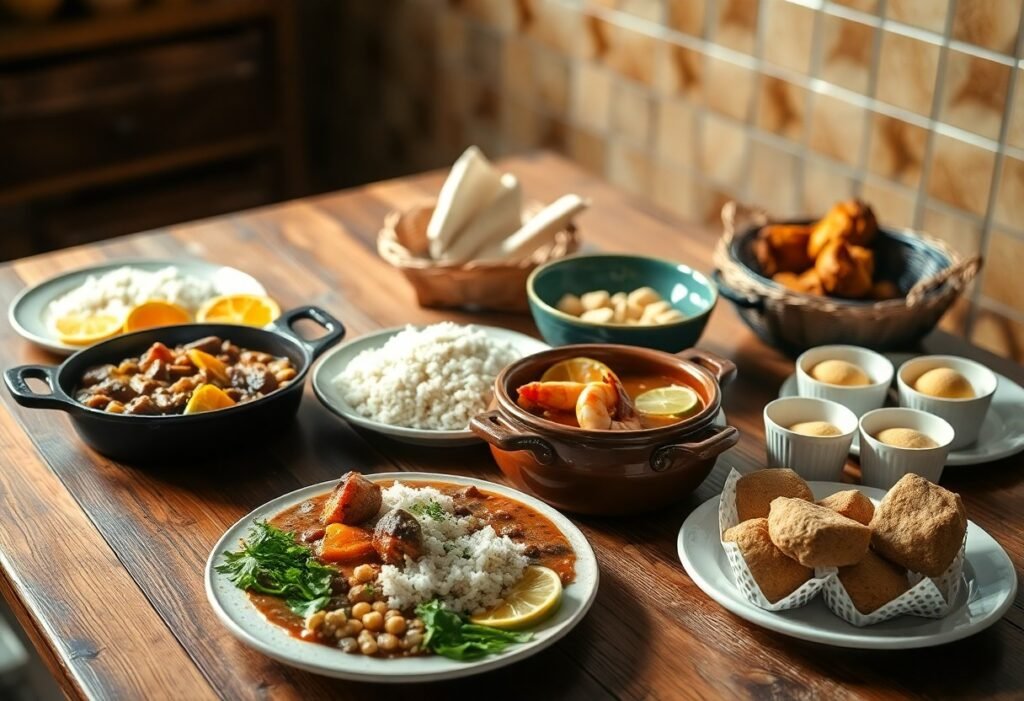
With authentic techniques and readily available ingredients, you can recreate Classic Latin American dishes at home that deliver vibrant, bold flavors; this guide gives clear steps, ingredient substitutions, and timing so you can master staples like arepas, empanadas, and ceviche while refining your technique. Pay attention to safe handling of chiles and hot oil and follow fermentation or curing times precisely to avoid hazards. Apply simple tips to achieve reliable, restaurant-quality results every time.
Key Takeaways:
- Staple ingredients and simple techniques deliver authentic results-corn, beans, rice, peppers, cilantro, lime; masa, sofrito, and slow braises form the backbone.
- Most recipes are approachable with pantry staples and basic equipment, and adapt easily to vegetarian, gluten-free, or quicker versions.
- Small steps-toast spices, use fresh citrus, and balance salt and acid-build big flavor; explore regional variations from Mexico to Peru, Argentina to the Caribbean.
Essential Ingredients for Latin American Cooking
You’ll stock a pantry dominated by corn masa, dried beans, rice, plantains, yuca and bright citrus, alongside fresh cilantro, onions and garlic. Staples like masa harina make tortillas and tamales, while dried black beans and long-grain rice form the backbone of many meals; for scale, 2 cups masa yields about 12 small tortillas. Keep achiote, dried chilies and Mexican oregano on hand to lock in regional authenticity and bold, layered flavor profiles.
Spices and Seasonings
Toast whole cumin seeds 1-2 minutes to unlock aroma, and rehydrate guajillo or pasilla chiles in hot water for 20-30 minutes before blending. Use Mexican oregano for citrusy, floral notes-it’s botanically different from Mediterranean oregano-while annatto (achiote) seeds add bright orange color and subtle pepperiness. Handle habaneros carefully: they reach 100,000-350,000 Scoville units, so you should wear gloves if you seed and mash them.
Fresh Produce and Staples
You’ll rely on limes, avocados, tomatoes, jalapeños and cilantro for finishing brightness, and plantains or yuca for starchy sides. Dried black beans and rice keep for months and form economical bases; fresh produce like cilantro and limes elevate salsas and guacamoles instantly. Keep a small supply of annatto oil for stews and a handful of dried chilies to vary heat and smoke in sauces.
Store dried beans for years in a cool cabinet, but soak them 8 hours to cut cooking to about 1-1.5 hours; yuca must be peeled and boiled 20-30 minutes until tender. Ripen avocados at room temperature in 2-5 days or speed ripening in a paper bag with a banana. Take care with raw cassava: it contains cyanogenic compounds and requires proper peeling and cooking to be safe.
Classic Dishes from Mexico
From regional staples to street food, Mexico offers dishes you can master at home; explore salsas, slow-simmered stews and antojitos, and consult Latin American Recipes for variations. You’ll rely on nixtamalized masa, trompo-style roasting and layered sauces that reward patience, and applying these techniques will transform your pantry staples into authentic meals.
Tacos al Pastor
Marinated pork is the foundation: you should coat thin pork shoulder slices in an achiote-adobo blend with orange juice and pineapple, then marinate 4-12 hours. Traditionally cooked on a vertical spit (a trompo) and shaved thin, the meat gets caramelized edges; finish with warm corn tortillas, diced onion, cilantro and a squeeze of lime for balanced heat and sweetness.
Mole Poblano
Mole blends 20+ ingredients-dried chilies (mulato, ancho, pasilla), toasted nuts, sesame, spices and a touch of chocolate-into a velvety sauce you can simmer for 1-2 hours and serve over roasted chicken or turkey; proper toasting and grinding are imperative to develop depth without bitterness.
For better texture, toast each chile briefly (10-20 seconds) to bloom flavor, remove seeds, and toast 1/4 cup sesame with 1/3 cup almonds until golden; then grind or blitz with 1-2 oz dark chocolate and 2-3 cups stock into a smooth paste. You should simmer gently for 45-90 minutes, strain if needed, and taste for salt, acid and restrained sweetness-mole often improves after resting overnight.
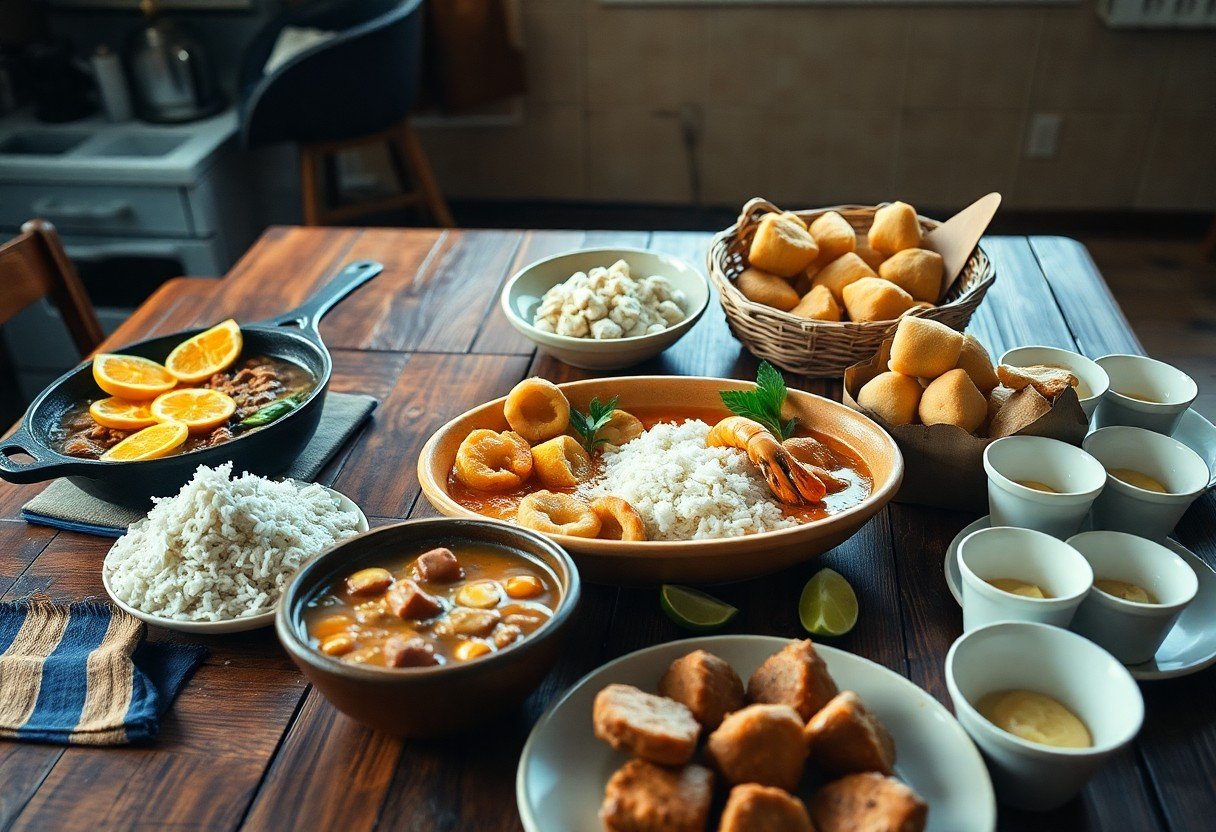
Traditional Recipes from Brazil
Regional specialties give you bold contrasts: from São Paulo’s hearty stews to Bahia’s Afro-Brazilian spices. Try feijoada for a communal Sunday meal, and snacks like pão de queijo when you want something quick. You’ll find many recipes balance proteins, starches and acidity-serve feijoada with rice, farofa and orange slices-and adjust salt because traditional versions can be very high in sodium.
Feijoada
Start with black beans and a mix of pork cuts-smoked sausage, ribs, and salted pork-and simmer for 3-4 hours until the broth is thick. You should soak beans overnight and skim fat as it renders to control richness; traditional feijoada can be very high in fat and salt, so scale portions for your guests. Serve with rice, collard greens and orange wedges; in Rio it’s often enjoyed by groups of 6-10.
Pão de Queijo
Pão de queijo are small, airy cheese buns made from tapioca starch and eggs; they bake in about 12-15 minutes at 200°C and are a staple breakfast or snack. You can make them naturally gluten-free and serve them warm with coffee; in Minas Gerais they’re commonly made with queijo Minas or Parmesan for tang and stretch.
For best results heat 100 ml milk with 50 ml oil, pour over 250 g tapioca starch to gelatinize, then add 2 eggs and 150 g grated queijo (Minas or Parmesan). Shape into about 20 small balls and bake at 200°C for 12-15 minutes; dough can be chilled or frozen for convenience. You’ll get a chewy, hollow interior-if yours is dense, increase moisture or beat longer to trap air.
Iconic Dishes from Argentina
Argentina centers on hearty, beef-forward plates; you’ll find a culture that consumes roughly 55 kg of beef per person annually, fueling staples from street empanadas to ritualistic asados. You can explore regional riffs and menus through resources like Latin American Recipes, Cuisine Ideas & Menus, then apply techniques-cuts, fire control, marinades-to reproduce authentic flavors at home.
Asado
You should treat asado as both method and gathering: cook cuts like asado de tira, vacío and chinchulines slowly over embers at roughly 120-160°C for 1.5-3 hours, using indirect heat and coarse salt; flip sparingly to preserve crust. Use a wood or charcoal fire to get steady embers, keep flare-ups minimal to avoid charring, and finish with chimichurri for bright contrast.
Empanadas
You’ll encounter dozens of empanada styles-Salta’s spicy beef, Tucumán’s onion-forward pockets, Mendoza’s wine-soaked fillings-filled with seasoned beef, onion, cumin, paprika, chopped egg and olive. Bake at about 200°C for 15-20 minutes or fry until golden; make sure you seal and crimp the edge well to prevent leaks and uneven cooking.
For the dough, combine 300g flour, 60g lard (or butter), a pinch of salt and ~120ml cold water, knead briefly and rest 30 minutes; roll to ~2-3 mm thickness, portion 10-12 cm rounds, and fill with ~40-60g filling. You should vent or crimp each empanada and chill before baking to keep shape; handle hot oil with care since splatter can be dangerous.
Unique Flavors of Peru
Peru layers coastal ceviches and Andean staples like quinoa and over 3,000 potato varieties, giving you bright citrus, smoky aji amarillo and delicate pisco notes. You’ll spot Chinese-Peruvian “chifa” techniques in quick stir-fries and bold use of local chiles. Expand your pantry and techniques with Latin-American and Mexican Food Recipes for authentic spice blends and recipes.
Ceviche
Choose firm white fish like sea bass or corvina cut into 1-2 cm cubes, then bathe them in fresh lime, sliced red onion, chili and cilantro. Acid from the lime denatures proteins in about 10-20 minutes, producing a firm, opaque texture. Always use fish that is very fresh or properly frozen to reduce parasite risk and ensure safe, bright ceviche.
Lomo Saltado
Start with top sirloin or flank, sliced into 1/2‑inch strips, and stir‑fry over very high heat to achieve a rapid sear; toss with soy, vinegar, tomatoes and onions for a savory-sour balance. This chifa-influenced dish pairs perfectly with rice and fries, offering contrasting textures and bold, savory flavors you can reproduce at home.
When you make lomo saltado, slice beef into roughly 1.3 cm strips, season simply, and sear 1-2 minutes while keeping the center slightly pink for tenderness. Use a wok or hot cast-iron pan, cook onions and tomatoes just until crisp-tender, deglaze with soy and a splash of vinegar, then fold in fries and cilantro and serve immediately for best texture.
Popular Staples from Colombia
Colombian home cooking leans heavily on corn, rice and tubers, so you’ll see staples like arepas, yuca and potato stews on most tables; corn-based arepas and potato-rich soups like ajiaco define regional diets. You’ll notice coastal meals favor plantains and coconut rice, while Andean zones rely on potatoes and maize, making it easy to reproduce authentic flavors at home with a handful of pantry staples and simple techniques.
Arepas
You can make arepas with pre-cooked corn flour (masa precocida) or freshly ground corn, shaping small patties and cooking them on a hot griddle until a golden crust forms; popular fillings include queso, shredded beef or egg. For crispier results, finish with a light pan-fry, and beware of hot oil when frying-serve immediately so the cheese melts and textures contrast.
Ajiaco
Ajiaco from Bogotá is a comforting chicken-and-potato soup that uses three potato varieties-criolla, pastusa and sabanera-plus corn on the cob, shredded chicken and the herb guasca for its signature flavor; recipes typically simmer 40-60 minutes and serve 4-6 people, garnished with capers, avocado and crema.
To deepen flavor, you should use bone-in chicken and simmer gently, skimming foam for a clear broth; if fresh guasca isn’t available, dried guasca preserves more authenticity than oregano, and using bone-in chicken yields a richer stock. Finish bowls with rice on the side and the customary garnishes-capers, avocado and a spoonful of crema-to balance richness and acidity.
To wrap up
Ultimately you can bring the vibrant flavors of Latin America into your kitchen by mastering a handful of classic recipes; with basic ingredients, straightforward techniques, and attention to balance, you will recreate authentic tastes, adapt dishes to your pantry, and build confidence to experiment across regions. Practice builds skill, and your meals can celebrate tradition while reflecting your personal touch.
