
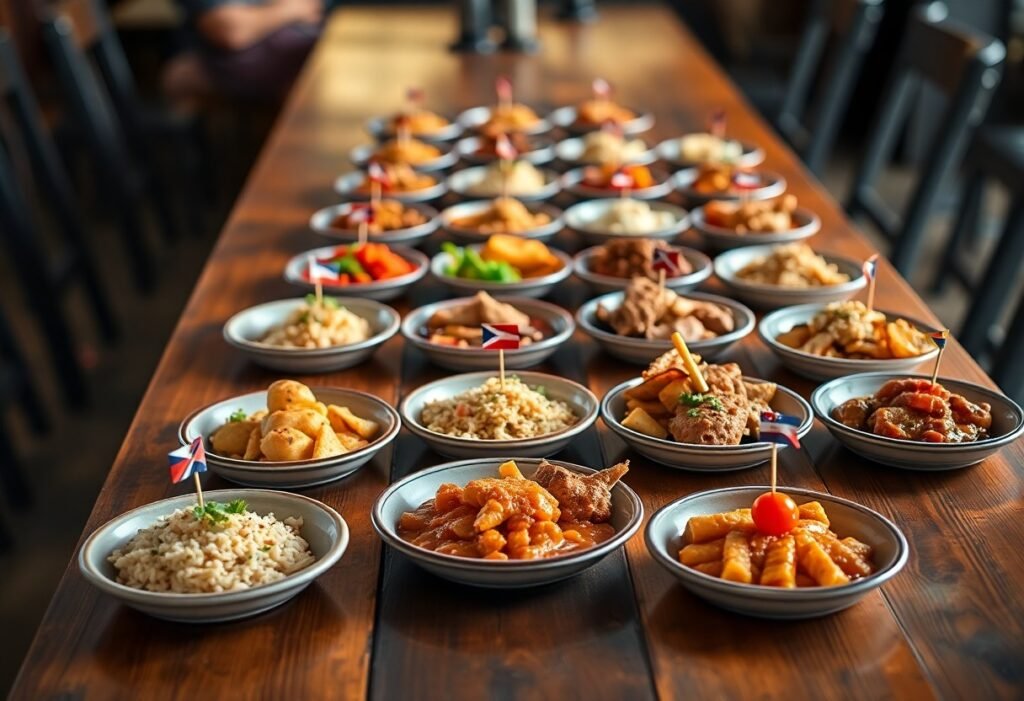
Latin cuisine invites you to taste signature plates from every Latin American country, guiding your journey through must-try local specialties and the vibrant flavors that define regional identity; note that some raw seafood and very spicy preparations can pose risks if you have food sensitivities or severe allergies. Use this overview and the curated guide Hispanic Dishes: 20 Best Hispanic Dishes from Each Country to plan authentic, safe tastings on your travels.
Key Takeaways:
- Latin America’s cuisine is wildly diverse – geography and history produce unique national specialties, from Andean potatoes and Peruvian ceviche to Brazilian feijoada and Mexican mole.
- Both street food and regional home classics matter; visiting markets, food stalls, and family-run eateries reveals the most authentic flavors and local variations.
- Shared staples like corn, beans, rice, seafood, and chiles appear in countless regional permutations – sampling local preparations highlights cultural identity and culinary creativity.
Argentina
In Argentina you encounter a cuisine built around world-renowned grass-fed beef, regional pastries, and grilling rituals that trace back to the gaucho. You should note signature cuts like bife de chorizo, vacío and entraña, and that chimichurri is the default condiment. Cities from Buenos Aires to Rosario mix Italian influence with criollo tradition, and pairing a meal with Malbec or mate is a cultural norm you’ll quickly learn to appreciate.
Asado
Asado is a social ritual where you watch cuts cook low-and-slow over a parrilla or open flame; a full asado often takes 3-5 hours and centers on ribs, chorizo and provoleta. You should expect the asador to manage wood or charcoal-sometimes quebracho-to control heat, and to serve chimichurri alongside. Be cautious handling skewers and hot coals: burn risk is real when tending the fire.
Empanadas
Empanadas vary by province: Salta favors diced beef with cumin and ají molido, Tucumán uses spiced ground beef with onion, and coastal zones offer humita (creamed corn) and seafood versions. You can find baked empanadas about 8-12 cm across or fried varieties; fillings often include hard-boiled egg, olives or raisins depending on local taste. Pay attention when biting-some styles hold hot, steamy juices that can scald.
You’ll notice dough and pleating signal origin: a tight repulgue from Salta differs from the flat seal of Buenos Aires. When reheating, use an oven at ~180°C for 8-10 minutes to regain crispness rather than microwaving. Festivals and regional competitions spotlight subtle differences in spice balance, so tasting multiple provincial styles quickly teaches you the flavor map of Argentine empanadas.
Brazil
Brazil’s culinary map spans the Amazon to the southern pampas across 26 states + Federal District, so you’ll taste wildly different dishes: Amazonian fish stews, Bahian coconut-and-dendê oil plates, and gaucho churrasco. You encounter staple ingredients like manioc (cassava), tropical fruits, and bold Afro-Brazilian flavors, while national icons such as feijoada and pão de queijo anchor daily life and festival menus.
Feijoada
Feijoada pairs black beans and assorted pork cuts-ribs, ears, smoked sausages-with rice, farofa, collard greens and orange slices; you’ll often find it served in Rio on Wednesdays and Saturdays for communal lunches feeding 4-6 people. Originating from Portuguese and Afro-Brazilian traditions, it’s intensely flavorful but high in fat and sodium, so you’ll want to balance portions if you’re health-conscious.
Pão de Queijo
Born in Minas Gerais, pão de queijo are small, warm cheese puffs made with tapioca (cassava) starch, giving them a chewy, gluten-free texture you can pop as a breakfast bite with coffee. You’ll find vendors selling them fresh, bakeries offering frozen packs, and regional cheese choices-Minas curado or Parmesan-shaping the flavor in homes and cafés across Brazil.
For home baking, you can use roughly 250g tapioca starch, 150g grated cheese, 1 egg, 80-100ml oil and 200ml milk; heat milk and oil, mix with starch, cool slightly, beat in egg and cheese, then scoop. Bake at 200°C for 15-20 minutes until puffed and golden. You’ll also find vegan versions substituting oil and non-dairy cheese with good results.
Chile
Stretching roughly 4,300 km north-south, Chile blends Pacific seafood, Andean tubers, and Mapuche maize traditions. You’ll encounter coastal ceviche and hearty mountain stews, but two emblematic dishes-pastel de choclo’s layered corn casserole and the completo hot dog-capture how local produce and immigrant flavors shape everyday Chilean eating.
Pastel de Choclo
Made from fresh grated corn mixed with milk and basil, pastel de choclo sits over a savory pino of ground beef (about 250-300 g for a 4-6 portion), onions, olives, hard‑boiled egg and raisins. You’ll bake it roughly 30-40 minutes until the corn topping is golden, delivering a sweet‑and‑salty contrast unique to Chilean home cooking.
Completo
You’ll find completos loaded with diced tomato, mashed avocado (palta), and mayonnaise-often with chucrut or green salsa-served in a soft 20-25 cm bun. The popular Completo Italiano layers palta, tomate and mayo to mimic flag colors; note that heavily topped versions can exceed 700 kcal, though they remain a beloved, customizable street‑food fix.
Regional twists matter: vendors add fried egg, salsa americana, or extra chucrut, and chains like Dominó and Fuente Alemana have standardized dozens of combos. You can expect a street stall completo to be assembled in under five minutes and often cost less than USD 3, making it an immediate, budget‑friendly way to sample Chilean flavors.
Colombia
From the Caribbean coast to Bogotá at 2,640 m, Colombian regional kitchens lean on corn, cassava and beans while Spanish and African influences shape fried techniques and sauces. You’ll see street stalls in Medellín and Cartagena selling snacks for COP 1,000-5,000, and chefs in Bogotá and Cali refining peasant staples into modern plates that spotlight local coffee, tropical fruits and smoky pork.
Arepas
You find arepas everywhere – grilled, fried, stuffed or slightly sweet – made from precooked corn masa or fresh ground corn. Variants include the cheesy arepa boyacense, the sweet arepa de choclo and Cartagena’s filled arepa de huevo; street prices typically run COP 1,000-4,000. When fried, watch for very hot oil and expect a crisp exterior with a tender, doughy interior.
Bandeja Paisa
Antioquia’s signature meal, Bandeja Paisa, piles white rice, red beans, ground beef, a large chicharrón, fried egg, sweet plantain, avocado and a small arepa on one tray. Portions are famously enormous-often over 1,000 kcal and high in saturated fat and sodium-so you should order it when you’re hungry; the interplay of crunchy pork and creamy avocado is unmistakable.
Originating with 19th-century Antioquian peasants who needed high-energy rations for long workdays, Bandeja Paisa is now served in Medellín’s fondas and city restaurants; you’ll also find lighter variants swapping chicharrón for grilled steak or halving portions. Pair it with anise-flavored aguardiente or a cold Colombiana soda to cut richness and amplify the regional experience.
Mexico
Across Mexico you move from Yucatán’s achiote stews to Baja’s grilled fish; Indigenous techniques and Spanish, African, and Asian influences shape regional plates. Maize, domesticated in Mexico ~9,000 years ago, remains the backbone: corn tortillas and tamales anchor dining nationwide. More than 60 indigenous groups contribute distinct ingredients and methods, so you’ll find wildly different tastes between Oaxaca, Veracruz and the northern deserts.
Tacos
Tacos offer a compact lesson in Mexican technique; you’ll see corn tortillas warmed on a comal and piled with fillings from carne asada to pescado. Al pastor-marinated pork roasted on a vertical spit-traces back to 19th-century Lebanese immigrants. Street vendors often sell tacos for under 30 MXN, and regional varieties like birria, lengua and campechano show how salsa, cut and tortilla shape each experience.
Mole
Mole condenses centuries into a single sauce: Oaxaca boasts its famous seven moles, while Puebla’s mole poblano blends up to 20 ingredients including chiles, nuts, seeds and a hint of dark chocolate. You’ll find mole at weddings and festivals, typically spooned over turkey or chicken, and expect long, slow cooking to develop deep, layered flavor.
Preparation begins by toasting chiles, nuts and spices, then grinding and slow-simmering-some recipes take a full day. Because mole commonly contains nuts and seeds, it may trigger allergies, so you should always ask vendors about ingredients. Try mole negro with turkey or mole amarillo with pork to compare textures and sweetness levels.
Peru
Peru’s culinary landscape fuses Andean produce, Pacific seafood and immigrant techniques; you’ll encounter over 3,000 native potato varieties and a global gastonomic reputation across cities like Lima and Cusco. Ceviche and anticuchos typify coastal and street traditions, while nikkei and criollo dishes show immigrant influence. If you want crowd-sourced favorites, check What were the most delicious Latin American dishes you’ve ….
Ceviche
You’ll find Peruvian ceviche made by marinating fresh white fish in lime and aji limo so the acid “cures” the meat in about 5-20 minutes; thicker cuts may take longer. Because it’s raw seafood, prioritize vendors with high turnover and visible freshness to reduce risk-fresh catch and quick consumption matter. Leche de tigre, the citrusy marinade, doubles as a palate-brightening shot you might order alongside.
Anticuchos
Anticuchos are skewered, charcoal-grilled morsels traditionally made from beef heart, marinated in vinegar, aji panca and cumin; you’ll see them at night markets and festivals across Lima. The beef heart provides a rich, smoky bite that becomes tender when thinly sliced and seared quickly, typically served with boiled potatoes, corn and spicy salsa.
Vendors often marinate anticucho cubes for 4-12 hours in a mix of aji panca, garlic, vinegar and oil or beer, then grill over high heat-about 2-3 minutes per side-for charred exterior and juicy interior. If you cook them at home, substitute skirt steak if heart is unavailable; focus on long marination and intense heat to replicate the classic flavor and texture.
Summing up
Considering all points, you should approach Latin American cuisine methodically: taste a signature dish from every country to understand regional techniques, ingredients, and histories, and let your cooking or travels broaden your palate; for inspiration, see 15 Latin Meals So Good That Everyone Should Try Them.
