
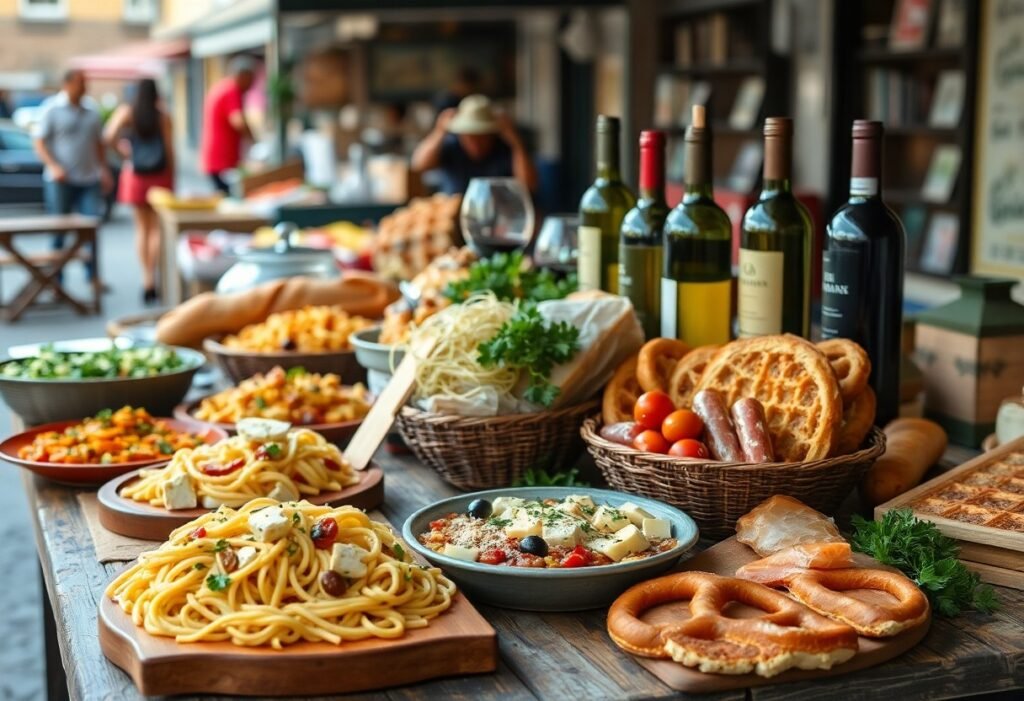
With your travels and kitchen experiments you’ll see how shared techniques, seasonality and history bind the continent, note the regional ingredients that define identity, be alert to food-safety risks when trying raw or preserved specialties, and embrace the communal rituals that create lasting culinary bonds; for focused resources on Eastern Europe see Exploring Eastern European Culinary Traditions.
Key Takeaways:
- Shared staples and techniques-bread, cheese, wine, olive oil; baking, fermenting and curing-create culinary continuity across diverse regions.
- Markets, communal meals and food-centered festivals reinforce social bonds and regional identities throughout Europe.
- Trade, migration and protection of local products (PDO/PGI) produce constant cross-border influence alongside strong local culinary diversity.
Historical Influences on European Cuisine
Across centuries you can trace how empire, migration and exploration reshaped menus: Roman roads spread olives and vineyards across Gaul; the Ottoman era (14th-17th centuries) familiarized Europe with coffee and pilaf; and the post-1492 Columbian Exchange introduced potatoes, tomatoes and maize that boosted calories and altered peasant diets. Specific shifts-such as the rapid adoption of the potato in 18th-century northern Europe-explain demographic and culinary changes you still taste in regional dishes today.
The Role of Trade Routes
Silk Road corridors, Mediterranean lanes and the Hanseatic League (c.1200-1600) moved ingredients and techniques you rely on: Venetian merchants imported pepper, saffron and rice; Hanseatic trade spread smoked fish and salt-curing around the Baltic; Ottoman caravanserais popularized coffee and flatbreads. These arteries made spices status markers and salt an economic tool, while preservation methods like pickling and smoking diffused seasonality practices across regions.
Colonialism and Its Culinary Impact
After 1492 colonial networks rerouted tastes and staples into European kitchens: New World potatoes, tomatoes and chilies became everyday foods, Asian tea and spices arrived via companies such as the East India Company (founded 1600), and sugar demand spawned plantation economies underpinned by enslaved labor. These forces raised dietary diversity but also created dependencies-most tragically visible in Ireland’s 1845-52 Potato Famine.
Concrete examples underline the depth: Portuguese and Spanish movements spread cassava and maize to Africa and Asia; Dutch control in Indonesia produced the opulent Dutch‑Indonesian rijsttafel, bringing 30-40 small dishes to European tables; British tea rituals, cemented in the 18th-19th centuries, reshaped daily life. You can also see how chili peppers, adopted across India, Hungary and southern Italy, transformed national cuisines within decades of their arrival.
Regional Flavors and Ingredients
You move from olive oil, citrus and legumes in the south to rye, root vegetables and preserved fish in the north; specific staples like Spanish pimentón, Hungarian paprika, Italian basil and Scandinavian dill define local dishes. Producers rely on seasonality and preservation-smoking, salting and pickling-so your plate often reflects geography as much as taste, and those preservation methods can raise sodium intake substantially.
Mediterranean Diet and Its Variations
You encounter the Mediterranean spectrum from Greek olive-and-legume plates to Sicilian citrus-and-seafood combinations and Catalan sofregit bases; the PREDIMED trial showed roughly a 30% reduction in major cardiovascular events with a primarily plant-based, olive-oil-rich pattern. Regional twists add saffron in paella, Aleppo pepper in eastern Mediterranean dishes and abundant fresh herbs that keep saturated fat low while maximizing flavor.
Northern European Comfort Foods
You find hearty, warming dishes-Irish stew, Swedish köttbullar, Finnish kalakukko and Norwegian smoked salmon-built on potatoes, root vegetables, barley and preserved proteins. Many recipes use butter, cream or cured meats for energy and preservation; as a result, these comfort foods can be high in saturated fat and sodium, which affects portion decisions and pairing with lighter sides.
You should note traditional preservation techniques-cold smoking, dry salting, fermentation (gravlax, pickled herring, surströmming)-deliver intense flavors and long shelf life. Fermented items like surströmming emit strong odor and canisters may bulge, so open outdoors, while pickled and smoked products often push sodium well above the WHO guideline of 2,000 mg/day if you eat them frequently; balance these with fresh vegetables and whole grains.
Culinary Techniques Across Cultures
You trace methods that bind regions: smoking, fermenting and open-fire baking still shape daily menus. In southern kitchens you’ll find wood-fired ovens reaching 400-500°C for rustic breads and pizzas, while northern traditions rely on cold curing and smoking to preserve fish for months. You note concrete examples-Norwegian gravlax cured 24-48 hours, Sicilian stone-baked pane, and jamón ibérico aged 24-36 months-each technique reflecting climate, access and seasonality.
Traditional Cooking Methods
You encounter age-old practices that prioritize preservation and flavor: dry-curing, fermenting, smoking and fat preservation. Confit keeps meat edible for weeks when sealed in fat, and sauerkraut fermentation can last months while increasing vitamin C. Many villages still bake in communal ovens or smoke game over beechwood, and techniques like sourdough starters passed for generations deliver complex acids and leavening you can taste in each loaf.
Modern Innovations and Fusion
You see chefs blending lab techniques with local produce: sous-vide at precise 50-65°C holds moisture and texture, while spherification and foams-popularized at elBulli and by chefs like Ferran Adrià-reframe sauces as pearls or clouds. Noma’s 2003-led New Nordic movement reintroduced foraging and fermentation at scale. These approaches let you reinterpret classics, but require strict control to be safe and consistent.
You should note technical details when experimenting: Georges Pralus pioneered vacuum cooking for foie gras in 1974, and modern molecular tools use agents like alginate for spherification or liquid nitrogen at −196°C for instant freezing. Sous-vide demands accurate thermostats and time-temperature charts to avoid pathogens, whereas controlled fermentation (e.g., 18-22°C for many lacto-ferments) yields predictable flavors you can reproduce reliably.
Food Festivals and Culinary Events
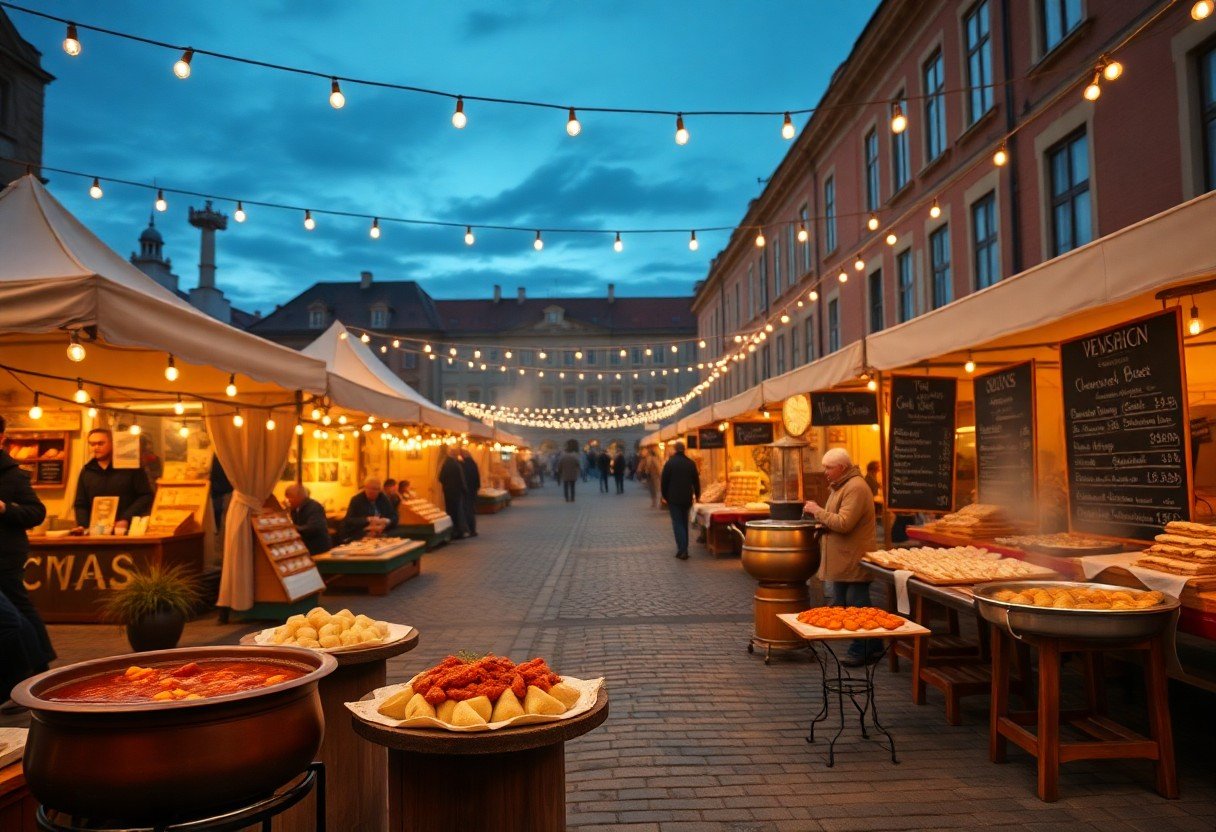
You encounter Europe’s culinary scene most vividly at festivals: beer tents in Munich, seafood markets on Brittany coasts, and street-food nights in Lisbon. Events like Oktoberfest draw about 6 million visitors annually, while regional fairs turn seasonal harvests into spectacles that boost tourism and preserve recipes. When you attend, you witness how tent menus, market stalls, and chef demonstrations transform ingredients into shared heritage and local income.
Celebrating Local and Regional Cuisines
You find distinct identities at events such as San Sebastián’s pintxo crawl-where over 100 bars compete for creativity-and Italy’s white truffle fairs, where prized truffles can fetch up to €2,000/kg. Festivals spotlight micro-regions, revive heirloom varieties, and let you taste dishes otherwise confined to family tables, turning regional techniques into experiences that educate both locals and visitors.
Community Gatherings and Their Significance
You see community gatherings-from village sagre to urban food markets-serve as social glue, often feeding hundreds to thousands and funding communal projects. These events pass recipes across generations, support local producers, and create regular meeting points where your relationships and culinary knowledge both deepen.
More specifically, you should note that communal meals often combine ritual and economy: volunteer-run festivals reduce costs, stall fees inject revenue into small farms, and cook-offs attract media. At the same time, poor food handling and overcrowding pose real risks, so you benefit when organizers enforce temperature control, clear labeling, and crowd-management plans to keep both culture and safety intact.
The Role of Wine and Beverages
Across meals you’ll find beverages acting as cultural glue: wine pairs with regional recipes, beer anchors tavern life and non-alcoholic cordials mark festivals. France, Italy and Spain remain dominant producers, while sparkling wine from Champagne and fortified Port shape export identities. You should note both the benefits-enhanced conviviality and aging traditions-and the risks of overconsumption; moderation matters when a shared bottle can both unite a table and contribute to public-health harm.
Wine Regions and Cultural Identity
You see local identity in terroir: Bordeaux’s roughly 6,000 châteaux, the Douro’s terraced vineyards running some 200 km along the river and Champagne’s tightly controlled growing zones all signal place. Appellation systems like France’s AOC, Italy’s DOC/DOCG and Spain’s DO codify methods and grape varieties, so when you sip a Crianza or a Barolo you’re tasting legal history as well as soil. Historic threats such as 19th-century phylloxera reshaped those identities, forcing grafting and replanting that still informs varietal choice today.
Traditional Beverages and Their Histories
You encounter deep, varied stories: Belgium’s spontaneous lambic brewing, England’s real-ale revival, Spain’s horchata de chufa in Valencia and the Balkans’ raki or tsipouro tied to harvest rituals. Gin traces back to 17th-century Dutch jenever, while vodka appears in Eastern European records from the medieval period. These drinks carry patronage, protection and pride-and sometimes legal protections like PDO/PGI that bind product to place.
Delve deeper and you’ll find technical diversity that shapes taste and tradition: lambic relies on wild yeasts from Pajottenland, producing sour beers unavailable elsewhere; Normandy’s Calvados is governed by AOC rules for apple varieties and distillation; Trappist breweries (more than a dozen across Europe) balance monastic life with stringent production standards. You should also be aware of practical hazards-illegal home distillation risks methanol contamination-even as you appreciate positive outcomes like artisanal revivals, tourism tied to tasting routes and EU protections that keep small producers viable.
Gastronomy as a Reflection of Identity
When you trace a nation’s plates across markets and home kitchens, they reveal identity: Spain’s Jamón Ibérico ages under strict regs, Italy’s regional pastas tie to terroir, and the Europe and the Mediterranean culinary axis shows how sea routes shaped tastes. UNESCO recognized the Mediterranean diet in 2010, and the EU lists over 3,000 protected products; yet you also see the danger of recipe loss as urbanization erodes family traditions.
Food and National Pride
You can feel national pride on menus: Portugal’s bacalhau appears in 365 recipes, one for each day of the year; France defends cheese names with PDO rules; and in competitions you watch regional teams showcase century-old techniques. Governments fund culinary schools and festivals to bolster national identity, while chefs turn local produce into global symbols that boost tourism and exports.
Culinary Heritage and Cultural Preservation
You’ll find formal protections and grassroots projects preserving foodways: the Mediterranean diet (UNESCO, 2010) sits alongside EU PDO/PGI labels, and organizations catalog endangered foods. Such measures provide positive legal safeguards for recipes and ingredients, but industrial supply chains create a continuing risk to small producers.
Slow Food, founded in 1986, runs the Ark of Taste and helps hundreds of producers keep heirloom varieties, while regional apprenticeships in Basque and Sicilian kitchens teach techniques passed down for generations. You can support preservation by buying certified products, attending local workshops, or visiting markets-actions that give direct economic support to keep traditions alive.
Final Words
With these considerations you can see how shared techniques, ingredients, and rituals create a pan-European culinary identity that shapes your daily life and social ties. You learn to appreciate regional diversity while recognizing common roots in bread, cheese, fermentation, and convivial dining. Embracing these traditions helps you navigate cultural differences, preserves heritage, and inspires innovation in your own kitchen.
