
With a focus on overlooked towns and festivals, you can uncover Europe’s hidden cultural treasures that enrich your travels. This guide shows how to find authentic museums, local rituals and cuisine, warns about safety risks in remote areas, and points you to curated lists like 19 Best Hidden Gems In Europe: Go Off The Beaten Path …. You will learn practical tips to respect communities, maximize access, and savor rare, rewarding cultural encounters.
Key Takeaways:
- Seek small towns, neighborhood markets, and artisan workshops to discover authentic traditions, regional crafts, and local cuisine away from tourist centers.
- Align visits with seasonal festivals, religious observances, and village fairs to experience living heritage and community storytelling.
- Prioritize responsible, low-impact travel-stay with family-run accommodations, hire local guides, and support preservation initiatives to sustain cultural sites and livelihoods.
Lesser-Known Destinations
Among lesser-known stops you’ll find Český Krumlov (pop. ~13,000), Orkney’s Heart of Neolithic Orkney (UNESCO 1999) and Gjirokastër (UNESCO 2005); each offers museum-rich streets and fewer tourists than major capitals. If you’re planning a first trip, consult community tips like First time in Europe! Looking for hidden cultural gems …. Be aware some sites have limited services in winter and require advance tickets.
Enchanting Villages
You can wander villages such as Gimmelwald (pop. ~130), a car-free Swiss hamlet reached by 5-10 minute cable car from Lauterbrunnen, or Monemvasia in Greece, where the medieval rock town holds Byzantine churches and under 500 residents. Narrow lanes, stone houses and local festivals-often fewer than 1,000 visitors per day off-season-reveal living traditions, but expect steep cobbles and limited medical facilities on remote islands.
Secret Cities
You’ll find secret cities like Brno (pop. ~380,000) with Villa Tugendhat (UNESCO modernist landmark) and Tartu (pop. ~95,000), Estonia’s university town whose Estonian National Museum reopened in 2016. Both offer galleries, active student scenes and far fewer tourists than national capitals, making evening jazz bars and weekday museum visits more intimate; trains from Prague to Brno take about 2.5 hours, Tallinn to Tartu buses 2-3 hours.
For deeper exploration, prioritize prebooking: Villa Tugendhat tours run in small groups and often sell out weeks ahead, so reserve online; in Brno use trams to reach Špilberk Castle and sample Moravian cuisine in local taverns. In Tartu allocate 2-3 hours for the Estonian National Museum’s permanent exhibitions and check weekday closures-many museums shut Mondays. Factor transit: late-night transport can be sparse, so schedule your last train or bus and carry basic cash in smaller towns.
Unique Cultural Experiences
Across towns and villages you can step into rituals that feel lived-in: run Pamplona’s San Fermín encierro (July 6-14; the 8:00 am run draws roughly 1,000 participants and is dangerous), watch Up Helly Aa’s torched Viking procession in Shetland (last Tuesday in January, ~1,000 torchbearers), or join a Breton fest-noz where communal dancing fills town halls – many events cap attendance, so you should book early for authentic access.
Local Festivals
At Buñol’s La Tomatina (last Wednesday in August) you’ll be shoulder-to-shoulder with about 20,000 participants in the tomato fight – bring goggles, discardable clothes, and secure lodging beforehand because tickets often sell out. In Gubbio the Festa dei Ceri (May 15) showcases teams racing heavy wooden saints through steep streets; volunteers train year-round. You should check local timetables, transport suspensions, and any participant rules before you go.
Traditional Crafts
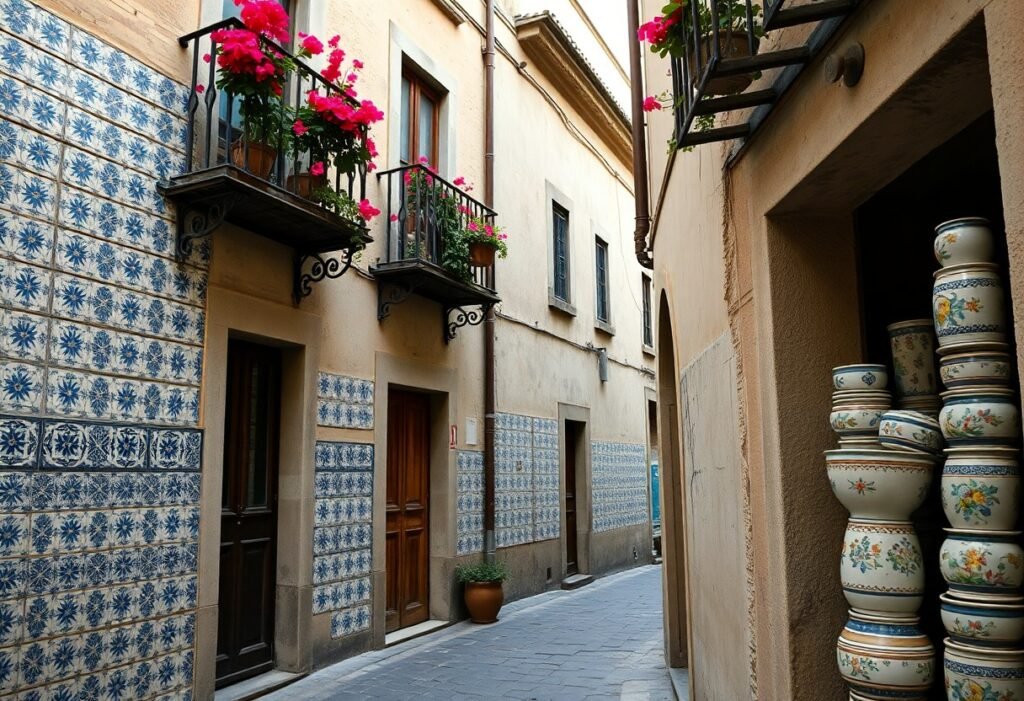
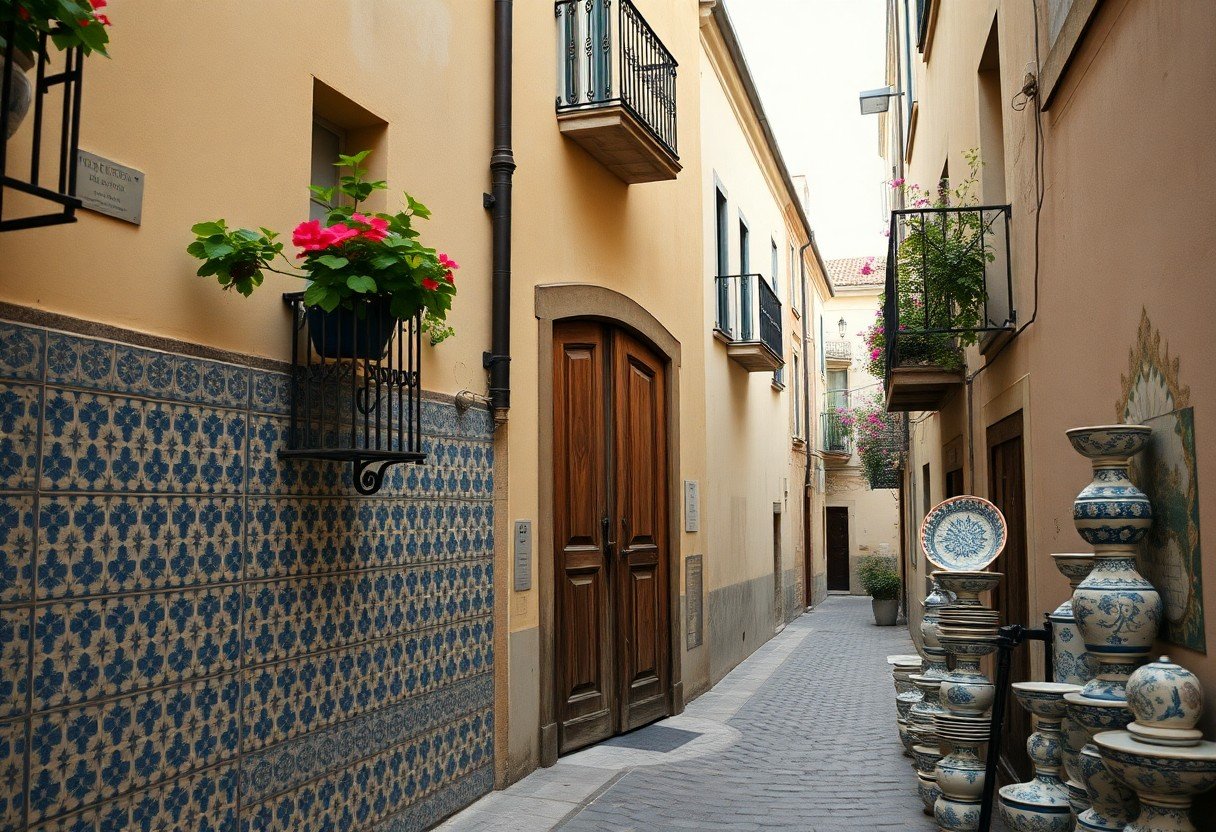
In Murano the glassmaking community relocated in 1291, and you can watch masters at hot furnaces or join short demos; expect studios to offer 60-90 minute classes where you blow a small piece to take home. Bruges still teaches bobbin lace in specialist schools, while Lisbon’s azulejo workshops let you paint tiles with 16th-century motifs – these hands-on sessions provide direct contact with centuries-old techniques and participatory workshops.
When you book a craft session, aim for family-run ateliers where masters explain tools, safety and provenance; many charge around €30-€70 for a 1-2 hour class and limit groups to under 12. Pay attention to risks near furnaces and kilns – instructors enforce safety for a reason – and plan time to visit local markets afterward, where you can compare museum-quality pieces with everyday artisan goods and support regional apprenticeships.
Hidden Historical Sites
Tucked away in rural valleys and cliffside hamlets, sites like Predjama Castle (13th century, Slovenia) built into a cave mouth and Orava Castle (Slovakia, also 13th century) used as a location in the 1922 film Nosferatu reward your detours. You’ll encounter fewer tourists, atmospheric chambers and creaky battlements, but also narrow staircases and slippery stone paths that demand sturdy shoes and caution.
Underrated Castles
Visit Loket (Czech Republic) for its Romanesque keep and medieval prison, or Czocha Castle (Poland) for its labyrinthine post-war restorations and lakeside setting; both date back to the 13th-14th centuries. You can join a short guided tour in English at many of these sites, appreciate authentic period architecture, and often enjoy significantly lower admission prices and crowds than at the major castles.
Obscure Museums
Seek out specialized collections such as the Deutsches Bergbau-Museum Bochum-the largest mining museum in Europe-or Zagreb’s Museum of Broken Relationships, which houses roughly 1,000 donated objects from 70+ countries. When you go, expect tightly curated exhibits that reveal local industry, folklore or intimate social histories you won’t find in mainstream museums.
Plan ahead because many obscure museums have limited opening hours (often closed Monday) and small galleries with timed entry; typical tickets run from about €3-€12. You should check seasonal schedules, book guided tours when available to access behind-the-scenes storage or archives, and factor in that staff may offer richer stories if you arrive midweek when the museum is less busy.
Culinary Treasures
You’ll find truffle-hunting in Istria (peak season Oct-Nov), Naples’ original pizza Margherita (invented in 1889), and Basque pintxo culture all within a few hours’ travel; dive deeper at Hidden Gems In Europe: 10 Places You Must Visit for routes and local tips. Seek out village markets for the freshest produce, and expect some of the most memorable meals to come from humble, family-run spots rather than tourist restaurants.
Regional Specialties
You can sample more than a dozen regional cheeses in France alone and find Hungary’s chimney cake sold from street carts in winter. Try Asturias’ fabada, Sicily’s cassata, or Romania’s sarmale; each region often guards recipes for generations. If you have dietary restrictions, note that many specialties use unpasteurized dairy or cured pork, so ask vendors and carry translation cards for allergies when you travel.
Hidden Gastronomic Spots
Seek out single-room trattorias in Puglia where nonnas cook by memory, discrete bodegas in Bilbao serving pintxos by the plate, and Icelandic fish trucks near Reykjavik’s harbor. You’ll often discover these by asking taxi drivers, local shopkeepers, or following chefs on social media; word-of-mouth remains the quickest route to a truly authentic meal.
When you track down these hidden spots, expect limited seating and irregular hours-many close mid-afternoon-so reserve 2-4 weeks ahead for coveted tables and bring cash if the venue is tiny. Pay attention to house rules (set menus, communal tables), and be ready to embrace simple, seasonal plates that reveal centuries of local technique rather than flashy presentation.
Natural Wonders
Across Europe you can chase the Northern Lights from Tromsø (around 69°N), explore Iceland’s Vatnajökull glacier (~8,100 km²) ice caves, or wander Croatia’s Plitvice National Park with its 16 terraced lakes. You’ll find dramatic contrasts within short distances: alpine summits like Mont Blanc (4,809 m) and coastal fjords meeting sea-level villages. Be aware of rapid weather changes and glacier crevasses when planning trips, and prioritize local guides for safety and deeper insight.
Unexplored Landscapes
In the Faroe Islands you can trek to Mykines’ puffin cliffs and across peat moors that feel untouched, while Albania’s Accursed Mountains (Prokletije) offer peaks such as Maja Jezercë (2,694 m) with barely any hikers compared to the Alps. You’ll encounter karst plateaus, hidden gorges and small villages where access roads are often narrow; steep cliffs and unpredictable weather make proper gear and route knowledge vital.
Serene Nature Escapes
You’ll find true calm on the Azores’ nine islands-whale watching off São Miguel-or beside Plitvice’s cascades at dawn when the boards clear and the light softens over the waterfalls. Night skies in rural Spain and Romania often reveal thousands more stars than cities, and small guesthouses let you wake directly into nature without crowds.
When you plan a serene escape, target shoulder seasons: May-June and September-October often deliver milder weather, fewer tourists and lower prices. Consider lodging in family-run agriturismos in Tuscany or a quinta in the Azores for local food-many hosts will point you to lesser-known trails and secret coves. If you seek solitude, prioritize destinations with limited car access or regulated visitor numbers (for example, Plitvice’s timed entries); packing a map, water purification tablets and a charged power bank will keep your trip comfortable and safe while you savor the landscape.
Artistic Outposts
Venture into pockets of creativity where major biennials meet neighborhood experiments: the Venice Biennale (since 1895) still anchors global attention while Porto’s Rua Miguel Bombarda (~20 galleries) offers concentrated discovery, and Margate’s Turner Contemporary (opened 2011) transformed a seaside town into a modern art stop. You’ll find artist residencies, pop-up shows and fringe festivals clustered around train stations and repurposed warehouses, making short walking circuits easy to plan and rich in unexpected encounters.
Alternative Art Scenes
Dive into alternative scenes in places like Berlin’s RAW-Gelände and Lisbon’s LX Factory, where converted industrial sites host studios, street art and late-night openings; in Athens, Exarcheia combines DIY galleries with activist spaces and occasional sporadic protests you should be aware of. You can time visits to coincide with itinerant events such as Manifesta (biennial) or smaller local festivals that showcase emerging collectives and site-specific interventions.
Independent Galleries
Seek out independent galleries clustered in neighborhoods-Barcelona’s El Raval and Poblenou, Porto’s Miguel Bombarda, and dozens of artist-run spaces in cities like Berlin and Lisbon-where you can meet curators and artists directly. Many of these spaces keep entry free and host monthly openings; you’ll often discover affordable works alongside experimental installations that larger institutions don’t show.
When you plan visits, email ahead since many independent galleries open by appointment; attend local gallery weekends or open-studio nights to meet artists and see backrooms. Prices can start from around €100 for prints or small works, and galleries commonly handle shipping and provenance paperwork, which simplifies buying across borders.
Final Words
Considering all points, your journey through Europe’s hidden cultural gems reveals that by seeking lesser-known museums, festivals and neighborhoods you engage more deeply with local life; you broaden your perspective, support communities, and discover traditions that mainstream travel overlooks. Plan with curiosity and respect, and you’ll return with richer stories, lasting connections, and a clearer sense of Europe’s diverse heritage.
