

Heritage corridors from Rome to Reykjavík invite you to trace architecture, art and folklore as you plan visits that balance exploration with stewardship; UNESCO sites reveal landmark achievements, yet endangered monuments face climate and urban threats, so your informed choices can protect them while you savor local museums and living traditions that keep Europe’s past vibrant.
Key Takeaways:
- Heritage spans millennia: prehistoric sites, classical ruins, medieval cathedrals and modern museums create layered historical perspectives.
- Living traditions and local experiences-festivals, crafts, regional cuisine and music-offer immersive ways to connect with local cultures.
- Wide accessibility and active preservation: UNESCO sites, museums and efficient transport networks make exploration feasible while conservation safeguards landmarks.
The Architectural Marvels
Wander Europe’s built landscape and you’ll find layers from the Parthenon (c. 447-432 BC) to contemporary museums: Colosseum (AD 70-80) and Barcelona’s Sagrada Família. You can trace technological shifts in materials and form while noting the danger of erosion and overtourism that threatens fragile fabric even as major restorations reveal original techniques.
Ancient Ruins
You’ll encounter sites where daily life is frozen in time: Pompeii (AD 79)‘s plaster casts, the Roman Forum’s political heart and Ephesus’s marble avenue. Archaeology exposes water systems, mosaics and household objects, so when you explore, look for well-preserved mosaics and stratigraphy that documents social change across 2,000+ years.
Gothic and Baroque Splendors
You can witness Gothic innovation at Chartres (reconstructed 1194-1220) and Notre-Dame (construction began 1163), where flying buttresses and stained glass transform light into narrative; Baroque answers with spectacle-St. Peter’s Basilica (completed 1626) and Versailles’ Hall of Mirrors (about 73 m) stage statecraft through scale and ornament.
When you study these styles, notice technical and artistic authorship: ribbed vaults enabled vast windows, while Baroque architects and sculptors-Bernini (Baldachin, 1624-1633) and Borromini-manipulated space for theatrical effect. Conservation now grapples with pollution and intense visitor pressure; choosing off-peak visits and accredited guided tours helps fund ongoing restoration projects.
Artistic Heritage
Museums and Galleries
You’ll encounter concentrated collections where single rooms change your perspective: the Louvre displays roughly 35,000 works including Leonardo’s Mona Lisa, the Prado holds Spain’s Golden Age masters, the Uffizi centers Renaissance jewels, the Van Gogh Museum preserves over 200 paintings by Van Gogh, and the Rijksmuseum frames Dutch Golden Age highlights; book timed tickets, target specific galleries, and use museum maps to optimize your visit.
Street Art and Public Installations
You can trace contemporary expression on city walls: Berlin’s East Side Gallery stretches 1.3 km with about 105 murals, Bristol preserves Banksy heritage and hosts Upfest, and Lisbon’s LX Factory and Alfama showcase commissioned murals and large-scale installations; follow local maps or guided tours to find standout pieces and evolving open-air exhibitions.
Berlin’s East Side Gallery, created in 1990, serves as a case study of preservation versus change-its 105 works have undergone restorations that sparked debate over authenticity. Upfest in Bristol brings together hundreds of artists each year, turning warehouses and streets into curated zones where you can watch live creation. Cities like Barcelona and Lisbon actively commission public art as part of regeneration, while others enforce strict anti-graffiti rules with fines and quick removals, so check local regulations before photographing or interacting with works and prioritize sanctioned murals and legal walls to support sustainable street-art culture.
UNESCO World Heritage Sites
Across Europe, UNESCO sites anchor your itinerary with sites designated for Outstanding Universal Value, from ancient ruins to living medieval towns. The World Heritage Convention (1972) established 10 selection criteria-cultural (i-vi) and natural (vii-x)-that sites must meet, and inscription often brings both protection and intense tourism pressure that you’ll encounter when visiting.
Criteria for Selection
UNESCO evaluates nominations against 10 criteria and requires evidence of authenticity and integrity; meeting any single criterion can secure inscription. Cultural examples include masterpieces of human creative genius (i) or traditional settlements (v), while natural criteria cover exceptional phenomena (vii) and biodiversity (x). You’ll find management plans and legal protection are necessary parts of successful nominations.
Notable Sites Across Europe
Sites you should plan for include the Acropolis in Athens, the Alhambra in Granada, the Historic Centre of Rome, the Auschwitz‑Birkenau Memorial, and Stonehenge; each represents different criteria and conservation challenges. Auschwitz commemorates roughly 1.1 million victims, a sobering example of heritage as memory, while many coastal and mountain sites face accelerating erosion and sea‑level threats you’ll notice in conservation reports.
When you visit, expect to see practical protections like timed‑entry and visitor caps at the busiest monuments, active restoration workshops using traditional techniques, and local stewardship programs linking tourism revenue to upkeep. Cities such as Dubrovnik and Florence have implemented traffic controls and zoning to protect historic fabric, and climate adaptation is increasingly built into management plans you can review at visitor centers.
Traditional Festivals and Celebrations
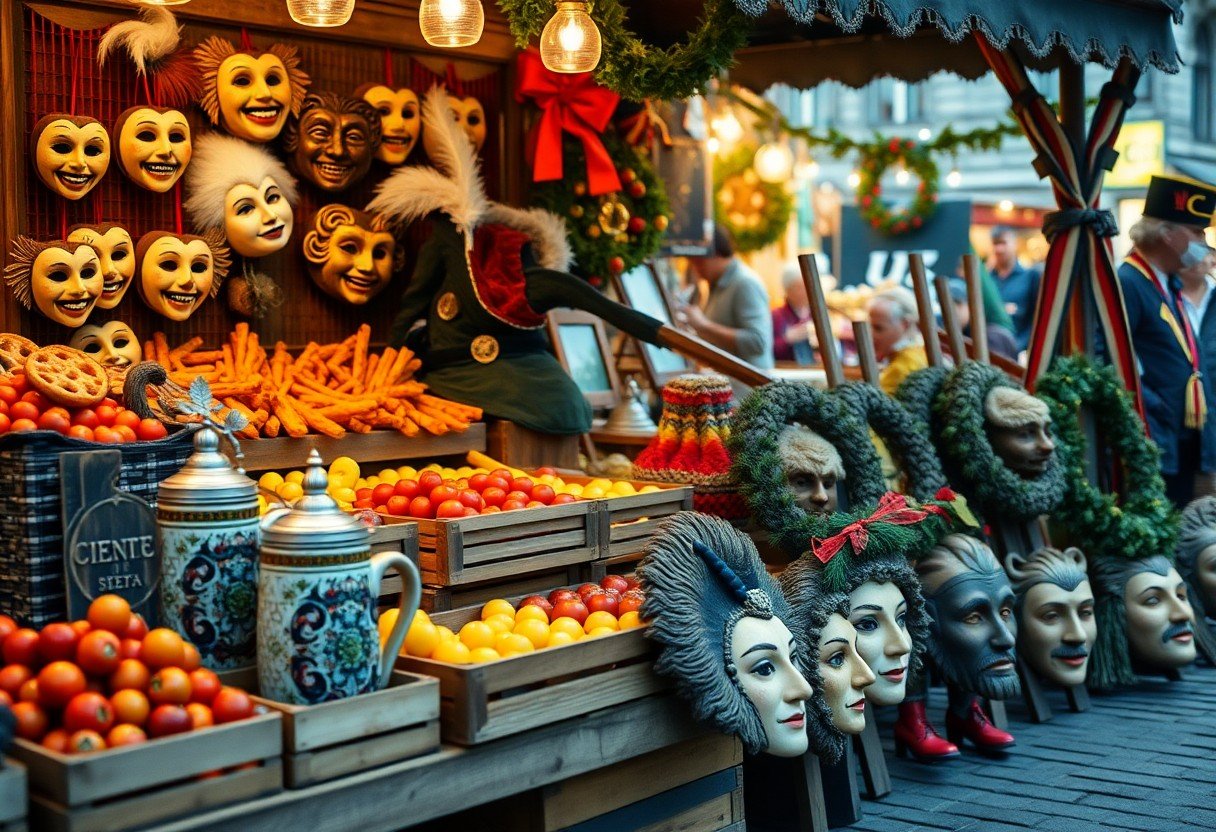
Across seasons you’ll find rituals that fuse community, pageantry and history: Oktoberfest in Munich draws roughly 6 million visitors each year, while Spain’s La Tomatina sees about 20,000 participants on the last Wednesday of August. You can join midsummer bonfires in Sweden, watch Catalonia’s human towers, or attend harvest fairs that still determine local calendars; each event offers layered experiences from street food to centuries-old costumes, and some-like the Running of the Bulls-carry significant risk.
Cultural Significance
You’ll see festivals act as living archives: Catalonia’s Castells (human towers) were inscribed on UNESCO’s Intangible Cultural Heritage list in 2010, and flamenco preserves Andalusian narratives through song and dance. Local language, craft techniques, and seasonal rites get transmitted through generations at these gatherings, so attending lets you witness how communities rehearse identity, social bonds and intergenerational memory in real time.
Major Events to Experience
You should plan for headline events: Venice Carnival in February with ornate masks and ticketed balls; Edinburgh Festival Fringe each August featuring over 50,000 performances; Oktoberfest from late September into early October lasting about 16-18 days; and San Fermín in Pamplona (7-14 July) with seven daily bull runs. Each offers distinct access levels-from free street spectacles to exclusive, advance-booked experiences.
Book early-aim to reserve flights and lodging 3-6 months ahead for peak festivals and expect popular tents, guided tours or balls to sell out. Use official ticket channels, arrive early for prime viewing, and keep valuables secured because large crowds increase pickpocketing risk; for high-risk events like La Tomatina wear goggles and join organized platforms for safer participation.
Culinary Traditions
You taste history in every bite, from Valencian paella to Sicilian arancini, and you can plan trips around truffle season (Oct-Dec in Piedmont) or sample foraged mushrooms-though wild mushroom foraging can be risky without a guide. Markets like La Boqueria and Borough Market pair fresh produce with centuries-old techniques, and you can read more in Europe’s Must-Visit Destinations: Timeless Treasures.
Regional Specialties
In Italy you seek out prosciutto di Parma and Neapolitan pizza; in Spain you follow jamón ibérico and pintxos; in France you explore over 1,000 cheese varieties and regional wines. You’ll notice protected names like PDO/PGI shaping production, and local festivals commonly celebrate a single specialty, from Porto’s francesinha to Sweden’s surströmming.
Influence on European Culture
UNESCO listings such as the Mediterranean diet (2010) and Vienna’s coffee house culture (2011) show how food defines identity, while cities like San Sebastián and Florence convert culinary craft into global reputation. You see social rituals-tapas, aperitivo-that restructure daily life and attract market-driven tourism focused on authentic, regional experiences.
Since the Columbian Exchange introduced potatoes, tomatoes and maize, European cuisines transformed: tomatoes became central to southern Italian cooking by the 18th century, and preserved fish like Portugal’s bacalhau reshaped Atlantic communities. You benefit when these historical shifts turn into living traditions that inform menus, festivals, and heritage protections today.
Literature and Philosophy
Between monastic scriptoria and modern university lecture halls, European literature and philosophy map the ideas that shaped your world: Homer’s epics (c.8th century BCE), Dante’s Divine Comedy (1320), and the rise of the novel with Cervantes’ Don Quixote (1605/1615) each rewrote narrative form. You can trace intellectual networks from Athens’ academies to the coffeehouses of 18th-century Paris, where debates over religion, law and science produced lasting frameworks for art, ethics and governance.
Great Thinkers and Writers
Plato and Aristotle set methods that you still use when weighing arguments; Augustine and Aquinas fused theology with classical reason; Erasmus’ 1516 satire reshaped humanist scholarship; Goethe and Tolstoy expanded moral imagination across genres. You can visit sites like Aristotle’s Lyceum in Athens, Dante’s Florence, or Cervantes’ Madrid to see manuscripts and marginalia that reveal how many authors revised texts through drafts, collaboration and patronage.
Impact on Modern Thought
The Enlightenment (17th-18th centuries) translated ideas into institutions: Locke’s 1689 Two Treatises helped found the notion of individual rights, Montesquieu proposed separation of powers, and the Napoleonic Code (1804) standardized civil law across much of Europe. You encounter these legacies in constitutions, courts and curricula, and also witness darker appropriations-ideologies that twisted philosophical language into justifications for repression.
Kant’s 1784 essay “What Is Enlightenment?” argued for public reason and autonomy, shaping modern civic identity; Marx and Engels’ 1848 Communist Manifesto spurred both labor reforms and 20th-century totalitarian experiments, illustrating how ideas produce mixed outcomes. You see this complexity in museum exhibits, legal codes and classroom syllabi: each case-French Revolution 1789, European welfare states after 1945-offers measurable policy shifts you can trace to specific texts and debates.
Summing up
Drawing together the highlights, you can navigate Europe’s cultural landscape with confidence, using your interests to prioritize historic towns, museums and living traditions; consult curated lists like Top 10 Culturally Rich European Towns To Visit In 2026 … to refine your itinerary, balance major sites with offbeat gems, and plan visits that deepen your understanding of the continent’s layered heritage.
