
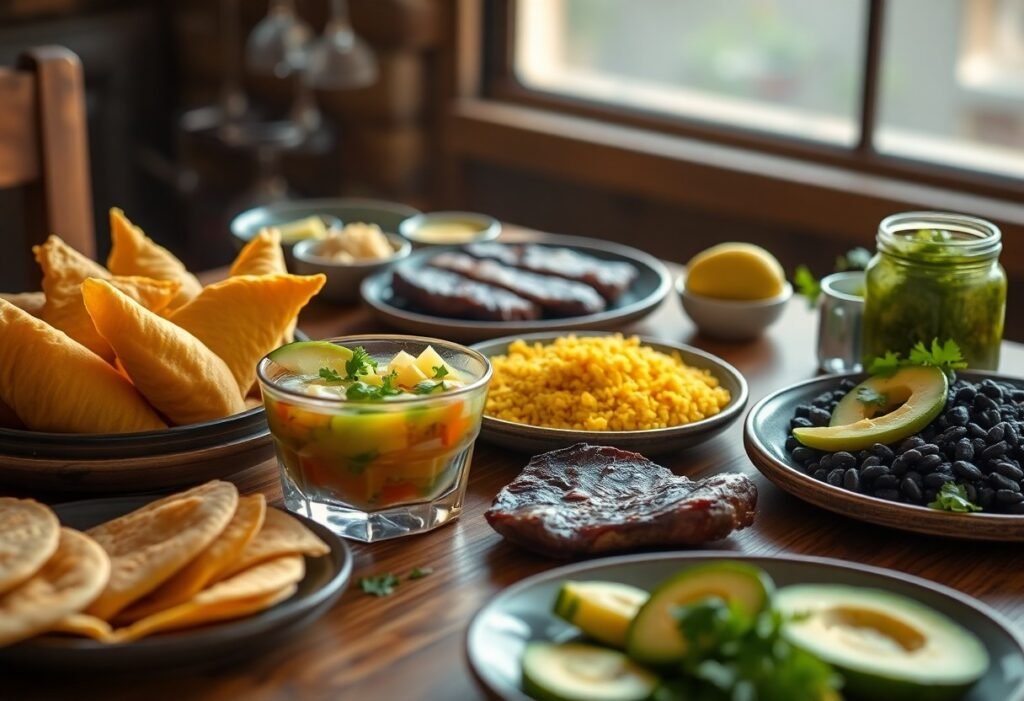
It’s a journey into regional techniques and bold ingredients that teach you to build vibrant, layered flavors using fresh herbs, chiles, and staples; you’ll learn safety tips for handling raw seafood and fiery peppers while mastering recipes and the pantry vitals in the guide 5 Flavorful Staples for Latin American Recipes, ensuring your meals are both authentic and exceptionally satisfying.
Key Takeaways:
- Latin American cuisine spans diverse regions and ingredients-corn, beans, plantains, chili peppers, cilantro, lime, quinoa, and cacao are foundational across many traditions.
- Signature techniques like nixtamalization, slow braises, grilling, fermentation, and acid cures (ceviche) layer flavors and reflect Indigenous, African, and European influences.
- Flavors balance spicy, sour, earthy, and sweet; sample iconic dishes (tacos, arepas, empanadas, ceviche, feijoada) and explore markets or street food for authentic tastes.
The Essence of Latin American Cuisine
At the heart of regional cooking are staples you already know-corn, beans, plantains, chili peppers, cilantro, lime, quinoa, and cacao-but their expression varies: maize was domesticated ~9,000 years ago in southern Mexico, and the Andes preserve over 3,000 potato varieties. You’ll see how a single ingredient morphs from Mexican masa to Peruvian causa, altering texture, nutrition, and cultural meaning.
Regional Ingredients
Across the Andes you’ll find quinoa and tubers; the Amazon yields cassava and açaí; Mexico’s markets brim with nixtamalized corn and dried chilies. You should note that cassava contains cyanogenic compounds and requires proper processing, while nixtamalization increases bioavailable niacin and reduces mycotoxins. Typical examples include Peru’s ají amarillo and Brazil’s black beans in feijoada.
Traditional Cooking Methods
Longstanding techniques-nixtamalization, asado over wood, pachamanca earth ovens, low-and-slow stews, and fermentation-define final dishes. You’ll use nixtamal to make masa for tortillas; Argentine asados often grill cuts for 2-4 hours; pachamanca cooks meats and tubers on hot stones for several hours. Fermentation (chicha, tepache) adds acidity and complexity, though some methods demand strict hygiene to avoid foodborne risk.
For deeper context, mole poblano can blend 20-30 ingredients-nuts, seeds, chilies, chocolate-roasted and ground to build layered umami you’ll taste. When you prepare ceviche, note that acid denatures proteins but does not reliably kill parasites, so use very fresh, properly refrigerated fish. Fermentation in chicha or cured products enhances shelf life and introduces beneficial microbes, improving both flavor and preservation.
Signature Dishes from Latin America
You encounter dishes like ceviche, mole, feijoada, and arepas that reveal regional techniques and local produce. Mole poblano can include more than 20 ingredients, balancing chocolate, chiles, nuts, and spices, while ceviche is defined by fresh citrus-cured fish. You’ll also meet Andean quinoa stews, Amazonian fish with bitter cassava, and coastal coconut rice-each one reflecting a specific terroir and method.
Tacos and Tortillas
You should note tortillas are often made from nixtamalized corn, a process that enhances flavor and nutrient availability. Street tacos range from spit-grilled al pastor-born from Lebanese shawarma-to Baja’s beer-battered fish tacos; regional tortilla size and thickness change the eating experience. Try salsas like verde, roja, or habanero, the latter of which can exceed 100,000 Scoville units and pack serious heat.
Empanadas and Pasteles
Empanadas shift between baked Argentine turnovers and fried Colombian pockets with fillings from beef to cheese and seafood, while pasteles-common in Puerto Rican and Dominican kitchens-use a plantain- or yautía-based masa wrapped in banana leaf and steamed for dense, savory flavor. You’ll often find empanadas sold by the dozen and pasteles reserved for holiday meals, highlighting both everyday convenience and ceremonial cooking.
Technique matters: you’ll bake empanadas at about 190°C (375°F) for 20-30 minutes or fry them in oil around 180°C for a crisp finish-so handle hot oil with care. Regional fillings add sofrito, raisins, olives, or hard-boiled egg; Argentine Salteñas favor a slightly sweet dough and juicy interior, while Colombian empanadas bring ají heat. Pasteles commonly require several hours to assemble and are made in large batches for family gatherings.
Flavors and Spices
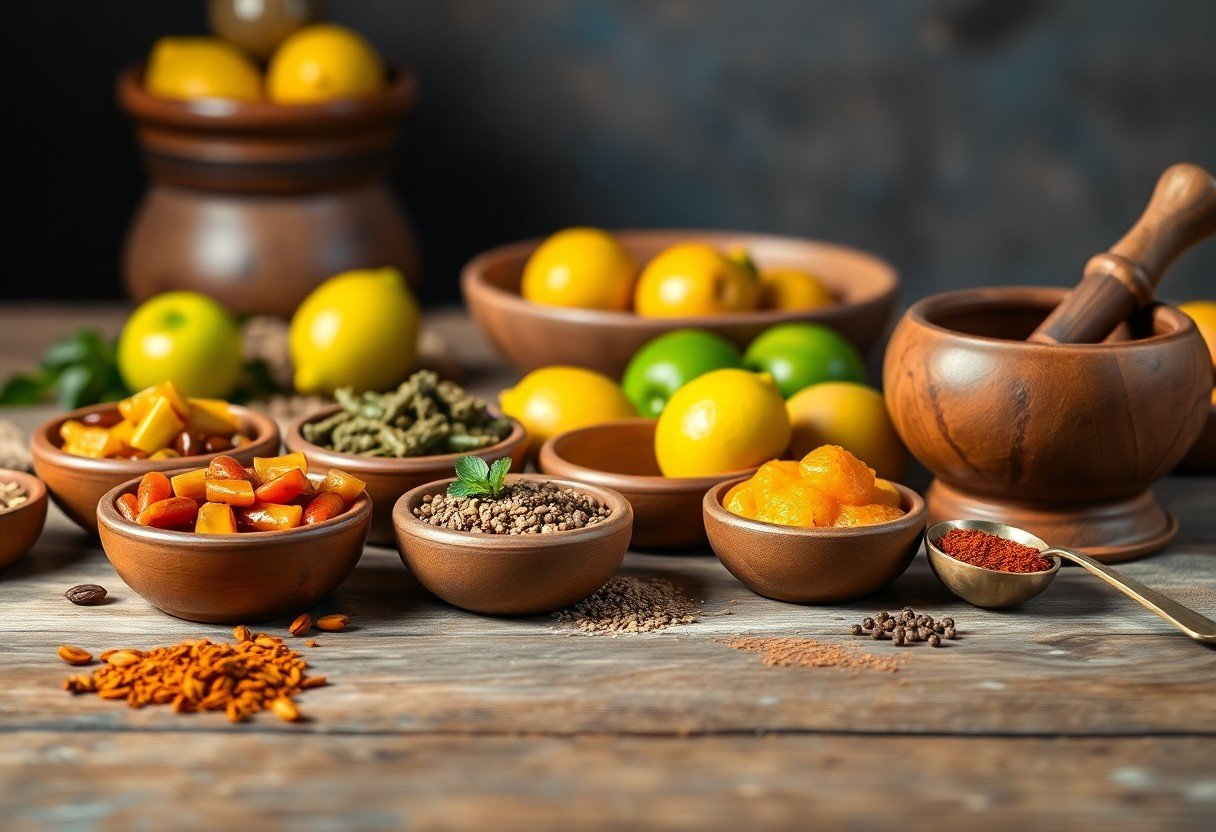
You navigate a spectrum from Peru’s fruity aji amarillo to Mexico’s smoky chipotle, with cilantro, cumin and annatto shaping savory bases; Explore Latin American Cuisine: A Gastronomic Adventure highlights regional recipes where acidity, fat and spice are balanced-ceviche relies on lime and heat, while moles layer toasted chiles with chocolate for deep umami.
Common Herbs and Spices
You’ll find recurring players: cilantro and culantro for bright, herbaceous notes; cumin and oregano for earthy warmth in Mexican and Andean stews; annatto (achiote) for vibrant color and mild peppery flavor; and huacatay in Peruvian sauces like ocopa, adding anise-like depth. Epazote appears with beans to impart pungent, distinctive aroma that many chefs use sparingly.
The Role of Heat and Spice Levels
You use heat both as flavor and contrast: jalapeño (2,500-8,000 SHU) brings mild warmth, serrano about 10,000-25,000 SHU adds bite, rocoto ranges ~30,000-100,000 SHU for bright fruitiness, and habanero (100,000-350,000 SHU) delivers intense, tropical heat-handle with care when cooking and seasoning to avoid overpowering acidity or delicate seafood.
You control perceived spiciness by technique: remove membranes/seeds to reduce heat, add dairy like crema or yogurt to mellow capsaicin, or balance with lime and a pinch of sugar; wearing gloves when handling very hot chiles prevents skin and eye irritation, and testing heat on a small portion lets you dial level precisely.
Beverages of Latin America
You move from iced agua frescas in Mexico to warming Andean infusions without skipping a beat, sampling horchata, jamaica, chicha morada (Peru), mate in Argentina and Uruguay, and Brazil’s caipirinha. Street vendors sell tepache that ferments in 2-3 days, while pisco sours and micheladas showcase regional spirits and beer culture. Pay attention to unpasteurized fermentations, which add flavor but can pose health risks if mishandled.
Traditional Drinks
You’ll find staples like Mexican café de olla (cinnamon, piloncillo), Chile’s mote con huesillo (wheat and dried peaches), and Central America’s atol de elote; each uses local grains, fruits, or sugarcane. Indigenous techniques persist: Andean infusions use coca or muña, and Peruvian chicha de jora relies on malted corn and communal brewing. Note that fermentation times vary from 24 hours to a week, altering alcohol content and safety.
Coffee and Chocolate
You encounter coffee and cacao as both daily ritual and export commodity: Brazil supplies about 35% of global coffee while Colombia remains a top producer of washed Arabica, and Ecuador and Peru are prized for fine-flavor cacao like Nacional. Roasting levels, bean variety, and processing determine whether a cup is bright or bittersweet, and whether a chocolate bar reads 70-85% cocoa on the label.
You should watch processing details: washed coffees (common in Colombia) yield cleaner acidity, while natural/black-honey Brazils deliver heavier body; for cacao, fermentation of 3-7 days and careful drying create floral versus fruity profiles. Specialty roasters and bean-to-bar chocolatiers in Lima and Quito now export single-origin lots, letting you taste terroir differences from farm-level practices and elevation ranges (1,000-2,000 m for many high-quality Arabicas).
Celebrations and Food
Festivals and family rituals shape menus, so you often encounter signature dishes tied to dates and regions: acarajé, tamales, ceviche, mole, and feijoada. At street fairs and private tables you’ll see communal cooking techniques-pit-roasting whole lambs or simmering stews for hours-and vendors selling specialty sweets. Expect bold spices, regional produce, and recipes preserved across generations.
Festivals and Culinary Traditions
During Inti Raymi (June 24) in Cusco you’ll find roasted lamb and quinoa-based dishes; Día de los Muertos (Nov 1-2) features pan de muerto and sugar offerings; Carnival in Brazil culminates with street vendors selling acarajé and spicy snacks. Oaxaca’s Guelaguetza showcases seven mole varieties, and Ecuador’s Fanesca is served across Holy Week, feeding entire parishes.
Family Gatherings and Recipes
In family kitchens you join multi-day sessions where dozens of tamales are wrapped, or neighborhoods share an asado that feeds 15-30 people. Grandparents often guide you through multi-generational recipes-preparing masa, slow-cooking meats, and balancing chiles-so dishes become living memory rather than just a meal.
Preparing tamales can take 3-5 hours from masa to steaming, and you should plan roles-mixing, spreading, folding-so the process stays efficient. When doing an asado expect a 3-6 hour low-and-slow cook; avoid cross-contamination and, for safety, cook pork to at least 71°C (160°F) when shredding, then rest before serving.
Modern Trends in Latin American Cuisine
You’ll notice chefs blending tradition with innovation: street classics are elevated, native ingredients reclaimed, and sustainability drives sourcing. Chefs from Peru and Mexico regularly appear on the World’s 50 Best lists, while food halls and delivery platforms expand access, changing how you experience authentic dishes and pushing regional flavors into global fine dining.
Fusion Foods
You encounter Nikkei (Japanese-Peruvian), chifa (Chinese-Peruvian) and Levantine-influenced tacos-clear examples of cross-cultural dialogue where technique meets local produce. Restaurants like Maido and Central have shown how respectful fusion creates innovative, globally celebrated plates that reframe classic ingredients into surprising, balanced pairings for your palate.
Healthier Adaptations
Chefs are swapping frying for grilling, increasing whole grains and legumes, and offering plant-based empanadas or tacos. Quinoa, for instance, delivers about 8 g of protein per cooked cup, making it a filling, lower-fat alternative in bowls and salads while preserving Latin textures and flavors you expect.
Chefs such as Jorge Vallejo (Quintonil) and Virgilio Martínez emphasize local, low-oil techniques and heirloom produce, turning tubers and native greens into signature dishes; you’ll also find menus marking low-sodium or vegan options. When ordering raw-seafood preparations like ceviche, check freshness to reduce the risk of foodborne illness.
To wrap up
Considering all points, you can confidently explore authentic Latin American cuisine, letting your curiosity guide you through regional techniques, bold ingredients, and generational recipes; consult trusted resources and try recipes at home or with local chefs – see Discover Latin America’s Inspiring Flavors | Nestlé Professional to deepen your appreciation and inform your next culinary choices.
