
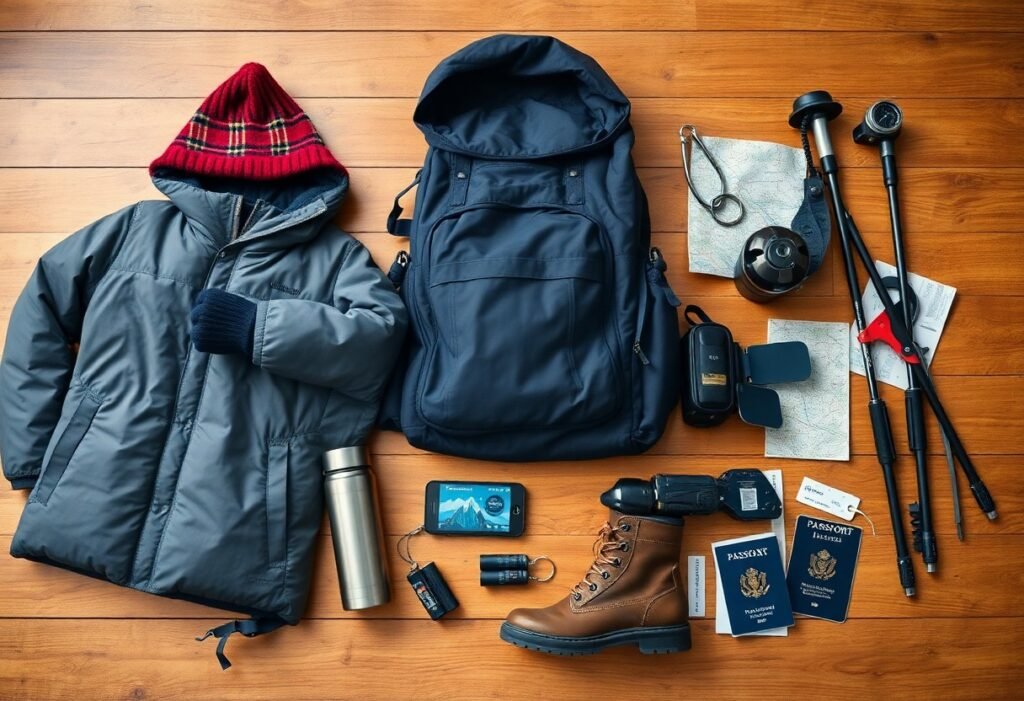
Overpack warm, waterproof layers and extra socks; you must carry snacks and emergency gear, watch for black ice and hypothermia, and consult Essential Winter Travel Tips to Keep You Safe and Cozy to stay safe and comfortable.
Key Takeaways:
- Layer clothing with a moisture-wicking base, insulating mid-layers, and a waterproof outer shell to stay warm and dry.
- Pack insulated, waterproof footwear, warm socks, gloves, a hat, and hand warmers to protect extremities.
- Plan flexible travel times, check weather and road conditions, and carry emergency supplies plus phone power banks for delays.
Winter Health and Skin Care Essentials
Pack layered, breathable clothing, a hydrating plan, and sunscreen; cold air increases your risk of dehydration and hypothermia. Use a rich moisturizer and SPF daily to protect your skin, and carry lip balm plus a compact first-aid kit for longer outings.
Maintaining Hydration and Nutrition in Cold Climates
Drink warm fluids and eat frequent, calorie-dense snacks so your body stays fueled; cold suppresses thirst but raises energy needs. Prioritize electrolytes and easy carbs, and avoid excess alcohol which increases dehydration risk.
Protecting Against Windburn and High-Altitude UV Exposure
Shield exposed skin with a windproof layer and apply broad-spectrum SPF 30+ every two hours; reflection from snow intensifies UV. Protect your eyes with wraparound sunglasses and wear a hat to prevent sunburn and painful windburn.
Layer clothing to block biting wind, and treat sun protection like mission-critical: apply a broad-spectrum SPF 30+ to all exposed areas and reapply every two hours or after sweating. Choose a water-resistant sunscreen and a cream-based barrier balm for cheeks and lips. If you’re above treeline, expect stronger UV and thin clouds to still transmit intense rays.
Specialized Gear Maintenance and Technology
Preserving Battery Life in Freezing Temperatures
Stash spare batteries in inner pockets to keep them warm and swap used cells quickly; use insulated cases and carry a small power bank. Do not leave devices in freezing cars, since cold reduces capacity and can cause failures.
Preserving Battery Tips
| Tip | Why |
|---|---|
| Keep spares on your body | Maintains charge by staying warm |
| Rotate batteries | Always have usable power |
| Use insulated case | Slows cold drain |
| Carry power bank | Emergency recharge when cold kills cells |
Protecting Electronics and Camera Gear from Condensation
Wrap camera bodies and lenses in sealed plastic bags before re-entering warm spaces; let them warm inside the bag to prevent internal condensation. Power on only after gear reaches room temperature to avoid moisture damage.
When you move from cold outdoors to heated indoors, seal gear in airtight bags with silica packs and let it fully acclimate before unsealing; this prevents lens fog and internal corrosion. You should avoid breathing on optics, use a microfiber cloth for surface moisture, and store equipment in a warm, dry spot until completely stable.
Strategic Winter Activity Planning
Plan activities with realistic daily goals, clear exit routes, and extra buffer time so you avoid late-night exposure; focus on limited daylight, storm risk, and your physical limits.
Monitoring Weather Patterns and Daylight Hours
Check forecasts, avalanche bulletins, and sunrise/sunset times before you head out; schedule routes that return well before short days and heed any avalanche warnings.
Essential Safety Equipment for Remote Excursions
Pack an avalanche beacon, probe, and shovel, a comprehensive first-aid kit, extra insulating layers, headlamp, spare batteries, fuel, and a satellite communicator to lower hypothermia and isolation risks.
Carry and routinely test your gear so it works under stress and you stay prepared: practice beacon searches, rehearse quick probe-and-shovel rescues, and verify headlamp and stove performance in cold. Bring an emergency shelter, insulated pad, repair kit, spare fuel, paper map and compass, and signaling tools. Train in avalanche rescue and basic hypothermia care so you can respond decisively if conditions turn hazardous.
To wrap up
Conclusively you outfit smartly: pack layers, waterproof outerwear, insulated boots, microspikes and a reliable headlamp; check forecasts, plan shorter daylight activities, keep batteries warm, and consult the 15 Travel Essentials for Subzero Temperatures, From $15 for tested gear.
