
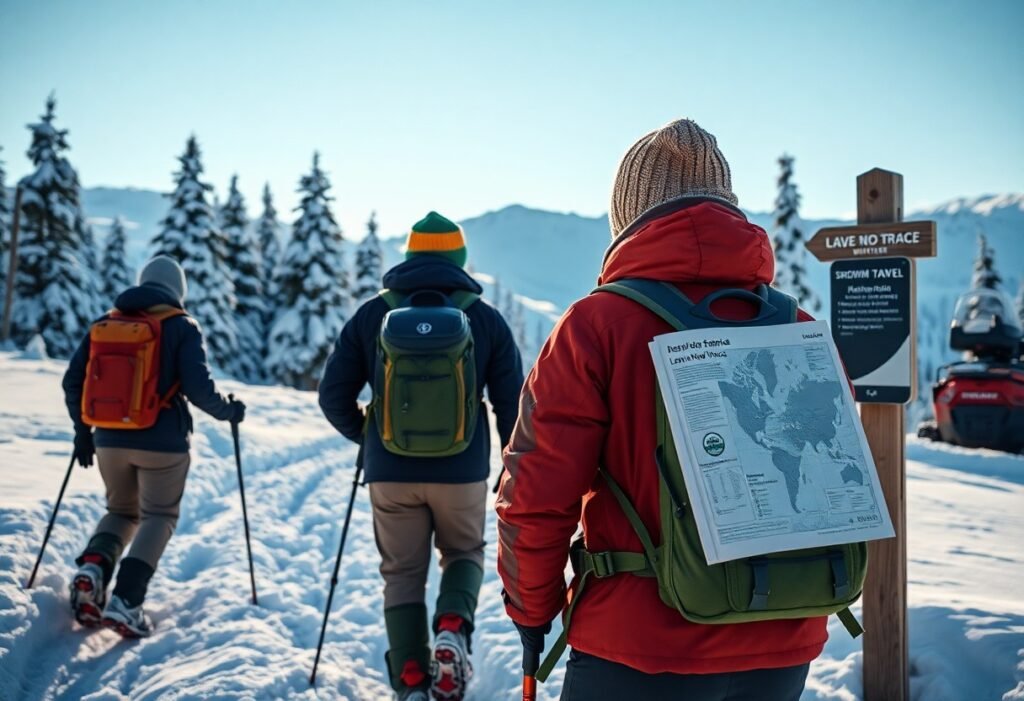
This guide shows you how to travel in winter responsibly: prioritize avalanche awareness and hypothermia prevention, choose sustainable transport and leave no trace to protect fragile ecosystems.
Key Takeaways:
- Choose low-carbon transport and flexible itineraries by prioritizing trains, buses, car-sharing, and direct flights when necessary to reduce emissions.
- Pack layered, durable, and repairable gear plus reusable food containers and a thermos to cut single-use waste and lower overall pack weight.
- Respect winter ecosystems and local communities by sticking to marked trails, minimizing campfire impact, disposing of waste properly, and hiring locally owned guides and services.
Critical Factors for Assessing Eco-Impact
- carbon footprint
- wildlife disturbance
- water use
- energy sources
Assessing local carbon footprint and wildlife disturbance guides your choices; review energy, waste, and transport metrics and consult The Ultimate Guide to Sustainable Adventure Travel. Any decision should favor operators with clear mitigation plans and low-impact itineraries.
Renewable Energy and Heating Systems
Solar and heat-pump solutions cut winter emissions, so you should prioritize accommodations using renewable heating and verify backup-fuel policies to avoid reliance on diesel generators during storms.
Water Conservation in Snow-Reliant Regions
Snowpack variability can strain supplies, so you should pick sites that measure meltwater, install low-flow fixtures, and recycle greywater to protect downstream users and habitats.
You should work with operators that monitor snowpack and implement storage, insulated piping, and on-site reservoirs to smooth seasonal supply; prioritize properties that limit chemical runoff and salt use to reduce contamination risk, adopt efficient laundry cycles, and cap water usage per guest to mitigate water scarcity for communities downstream.
Ethical Gear and Equipment Selection
Choose gear that balances performance with ethics: seek brands using recycled or certified materials, transparent supply chains, and durable designs so you avoid single-use waste on winter trips.
Sustainable Fabric and Insulation Alternatives
Explore recycled polyester, hemp blends, and plant-based insulations; you can choose PFC-free DWR and certified down alternatives to cut pollution and avoid animal harm.
Maintenance and Circular Economy Practices
Maintain your gear by washing less, reproofing when needed, and repairing tears so you keep items functional longer; proper care reduces waste and saves money.
Consider assembling a repair kit-needle, heavy thread, patches, seam sealer-and learning basic stitches so you fix gear on the trail; you should use brand repair services, resell or donate usable items, and avoid sending equipment to landfill because synthetic insulation and waterproof membranes shed microplastics and persist for decades.
Final Words
Drawing together practical tips and low-impact choices, you can plan winter trips that reduce emissions, support local communities, and protect fragile habitats. Pack durable gear, choose public transport or shared transfers, respect wildlife, and opt for certified eco-friendly lodgings to travel responsibly.
