
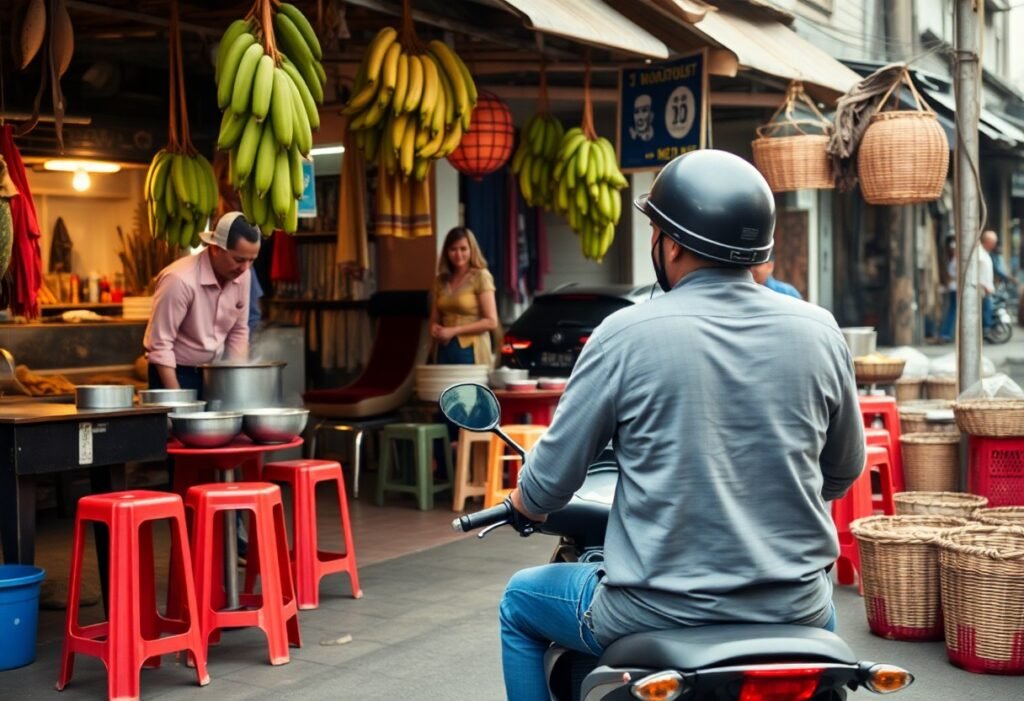
Most of your richest journeys begin when you step off tourist tracks and adopt local rhythms: learn basic phrases, use buses and ferries, and eat street food confidently. Guard your safety by avoiding poorly lit streets at night and watching for common petty scams. Use community resources like The south east asia travelling tips for traveller, from a local. Your flexibility and respect will unlock authentic experiences.
Key Takeaways:
- Travel like a local: use buses, trains and moto taxis, stay in neighborhood guesthouses, and learn a few basic phrases.
- Eat and move with locals: favor street food stalls and markets, join communal meals, and plan flexible, slow-paced days.
- Honor local customs: dress appropriately at temples, haggle politely, tip sparingly, and support family-run businesses.
Understanding Local Culture
To navigate daily life across the region you should adapt to local rhythms: in 10 ASEAN countries you’ll find common expectations such as removing shoes before entering homes and many temples, covering shoulders and knees at sacred sites, and avoiding touching someone’s head. In Muslim areas (Aceh, parts of Malaysia) modest dress and alcohol restrictions apply. Also be mindful that in some places political talk is sensitive; avoiding debates about governments is often the safest choice.
Embracing Local Customs
Adopt practical gestures: use the Thai wai or a slight bow when greeting elders, hand items with your right hand (or both) in Indonesia and Malaysia, and never point your feet at people or religious images. Bargaining is expected at markets like Chiang Mai’s Sunday Market and Ho Chi Minh’s Ben Thanh; you should start around 50-70% of the asking price. Also remove shoes at homes and temples and lower your voice in sacred spaces.
Learning Basic Language Phrases
Focus on 20-30 key phrases that open doors: greetings, ‘please’ and ‘thank you’, ‘how much?’, numbers 1-10 and polite particles. For example say ‘sawasdee’ in Thailand, ‘xin chào’ in Vietnam and ‘terima kasih’ in Indonesia/Malay to immediately gain goodwill. You should learn basic bargaining lines and how to ask for directions; tonal languages like Thai and Vietnamese need careful pronunciation, so practice with locals or apps before you arrive.
Spend 15-30 minutes a day drilling pronunciation and download offline language packs so you can use phrases without roaming. Record native pronunciations on your phone, shadow them, and test them in low-stakes settings like street stalls. Learn numbers 1-10, ‘how much?’, ‘toilet?’, and polite endings – adding Thai ‘khrap/ka’ or Malay ‘lah’ changes tone. Use Google Translate’s camera and a pocket phrasebook as backups when signals drop.
Transportation Tips
You can slice travel time and cost by blending public transport, local buses and moto taxis; local buses often run for $0.20-$2, tuk‑tuk or moto taxi rides commonly cost $1-$5 in cities, and overnight trains (Vietnam/Thailand) range $15-$40 for sleepers. Use apps like Grab and local transit maps, haggle fares for private rides, and check community threads like Traveling to Southeast Asia: Recommendations and Local Advice for recent route tips. Perceiving route patterns and local rush hours helps you choose faster, cheaper, and safer options.
- Buses – cheapest intercity option, watch for express vs local stops.
- Trains – overnight sleepers save time and a night’s accommodation.
- Moto taxis – fastest for short hops in congested urban areas.
Navigating Public Transport
You should download offline maps and local transit apps, buy day-passes where available, and avoid peak windows 07:00-09:00 and 17:00-19:00 to save time. Validate tickets on buses and trains, carry small change for fares, and keep valuables secured in front pockets. In cities like Bangkok, Hanoi and Kuala Lumpur the public transport network is reliable and cheap, but be aware of crowded platforms and pickpocket hotspots.
Renting Motorbikes or Bicycles
Expect scooter rates of about $5-$12/day and deposits of $50-$200; bicycles often rent for $1-$10/day. Inspect brakes, lights and tires, take timestamped photos of any damage, and get a written agreement. Always wear a helmet, carry a photocopy of your passport, and confirm the rental’s emergency contact before you ride.
Obtain an international driving permit if planning intercity travel because police and insurers commonly ask for it; confirm the rental’s insurance coverage and fuel policy. Note local rules-left or right driving, typical speed limits-and watch for common road hazards like potholes, open drains, livestock and slick surfaces after rain. Limit night riding and keep the shop’s number handy for breakdowns or accident procedures.
Authentic Food Experiences
Venture into markets, hawker centers and small eateries to tap into the region’s culinary heart: dishes often cost between $0.50-$3, flavors range from fiery sambal to delicate fish sauces, and you’ll find examples like Bangkok’s Yaowarat, Penang’s Gurney Drive and Hanoi’s Old Quarter. Prioritize stalls with steady queues, ask about ingredients, and be aware that food allergies and raw seafood present the greatest health risks if you’re not careful.
Finding Local Street Food
Head where locals gather-morning porridge stalls, lunch-time rice carts and night markets attract regulars for a reason. Choose vendors turning out food quickly and serving hot; a busy stall often means fresher ingredients. Try iconic spots such as Jalan Alor in Kuala Lumpur or Ho Chi Minh’s Ben Thanh Night Market; typical prices float around $1-$3. Keep an eye on hygiene and avoid raw shellfish to reduce foodborne illness risk.
Dining in Family-Owned Restaurants
Seek family-run places for recipes passed down generations: many offer fixed, rotating menus of 8-12 home-style dishes at set prices, with portions meant for sharing. Talk to the owner to learn about ingredients and eating customs-doing so often earns you a dish off-menu or a cup of tea. Note that these venues may close early, so plan dinner times and carry cash since cards aren’t always accepted.
To deepen the experience, ask your guesthouse host to recommend and call ahead; families commonly prepare 10-30 portions daily and appreciate advance notice. When you have dietary restrictions, point them out clearly-cross-contamination with peanuts, shellfish or fish sauce is common-so request plain rice or a separately cooked vegetable dish to stay safe.
Engaging with Local Communities
You can deepen travel by staying in homestays and joining community-run experiences in places like Sapa, northern Vietnam, or Mae Hong Son, Thailand; these let you eat family meals, learn crafts, and funnel money directly to hosts. Seek village tours operated by residents, buy from market vendors, and take cooking classes taught by locals. Prioritize hosts with fair pay; this supports local economies while ensuring you respect local customs to avoid offense.
Participating in Cultural Festivals
Join Songkran (mid-April) water fights in Thailand, Loy Krathong lantern releases in November, or Tet celebrations in Vietnam to witness traditional rituals; opt for smaller-town events for more authentic contact. Expect crowds-Bangkok draws hundreds of thousands during Songkran-and follow temple dress codes. Protect your belongings and health: beware of pickpockets, slippery streets, and intense sun.
Volunteering Opportunities
You can teach English in rural schools, join sea turtle hatcheries in Indonesia or the Philippines, or help with coral restoration projects in Thailand and the Philippines; typical commitments range from 2 weeks to 3 months. Choose projects led by locals with transparent budgets and clear outcomes so your time creates a meaningful impact instead of displacing community jobs.
Before you commit, verify the organization’s local registration, ask what percentage of fees funds community work, request references from past volunteers, and confirm background checks for programs with children; many providers recommend a minimum stay of 4 weeks for real teaching impact. Avoid short-term orphanage placements, demand a sample schedule, and insist on measurable outcomes to ensure your contribution is ethical and effective.
Choosing Accommodations
When choosing where to sleep, favor neighborhoods with lively markets or transit hubs over flashy star ratings so you stay immersed in daily life; expect typical budget ranges of about $8-40 per night across the region. Check recent reviews and maps before booking, and avoid listings with unclear cancellation policies or repeated cleanliness complaints to reduce risk.
Staying in Homestays or Guesthouses
Staying with a family or in a neighborhood guesthouse gives direct access to local food, language practice and community tours; homestays in places like Sapa often run about 200,000-400,000 VND ($8-18) per night and include home-cooked meals. You’ll meet hosts who can arrange motorbike hires or treks, so prefer hosts with steady positive reviews and clear safety practices to avoid misunderstandings.
Locating Budget-Friendly Hotels
Filter by price and amenities, then use map view to confirm proximity to transport and evening markets; typical budget hotel rates are $10-25 in Laos, Cambodia and Vietnam, often including AC and hot showers. Read at least 20 recent reviews and watch for hidden fees (taxes, towels, late check-in) to prevent surprises.
Use Booking, Agoda or Traveloka and compare with local walk-in rates-hotels sometimes offer a cash discount for week-long stays; negotiate politely during low season. Check photos for room layout, confirm 24-hour reception if you arrive late, and expect prices to double in peak times at hotspots like Luang Prabang or Halong Bay.
Essential Safety Tips
Patch together a simple plan before you arrive: photocopy your passport, buy a local SIM for maps and calls, and set a daily check-in with someone back home. Use travel insurance that covers medical evacuation, watch for common scams like tuk‑tuk overcharging or staged distractions, and keep small amounts of cash separate from your cards. This helps you stay alert and recover quickly if things go wrong.
- Keep a sealed photocopy of your passport and one digital backup in cloud storage
- Buy a cheap local SIM (1-2 GB/day is often enough) for navigation and emergencies
- Enroll in travel insurance with medical and theft coverage before departure
- Learn common scams in each city (motorcycle taxi overcharges, fake tour operators)
- Note emergency numbers-Thailand 191, Vietnam 113, and use 112 on many mobile networks
Staying Aware and Prepared
Keep your movements simple: charge a power bank, download offline maps, and check weather alerts for monsoon seasons-flooding can close roads within hours. Carry a tiny first‑aid kit, inspect any rental motorcycle for brakes and lights, always wear a helmet, and avoid riding after dark in rural areas. Register with your embassy where possible and store one emergency contact in your phone as ICE (In Case of Emergency).
Respecting Local Laws and Norms
Dress modestly at temples-cover shoulders and knees-and remove shoes where required; in many places photographing royal images or military sites is restricted, and local laws on drugs carry extremely severe penalties, including long prison terms or the death penalty. Ask permission before photographing people, and moderate public displays of affection in conservative areas to avoid confrontation.
Delve into specifics before you arrive: in Thailand and Cambodia temple rules commonly require covered shoulders and knees and prohibit climbing on statues, while Singapore enforces strict littering and chewing‑gum regulations-fines can reach several hundred Singapore dollars. In parts of Indonesia and Malaysia, local Sharia-based rules may restrict alcohol or dress, so check provincial rules, not just national law. Drone use often needs permits in national parks and near airports, and photographing military or police facilities can lead to detention. You should consult your embassy advisories, download the local laws summary from official government sites, and err on the side of caution-avoid posting illegal actions on social media and ask locals when unsure to stay both safe and welcome.
Conclusion
So you can truly experience Southeast Asia like a local by slowing your pace, learning a few phrases, choosing homestays and neighborhood eateries, using buses, trains and ferries, supporting small vendors and artisans, observing customs and dress, bargaining respectfully, and letting curiosity guide unplanned detours – these habits let you move beyond tourist routes and connect with people, food and daily life on their terms.
