
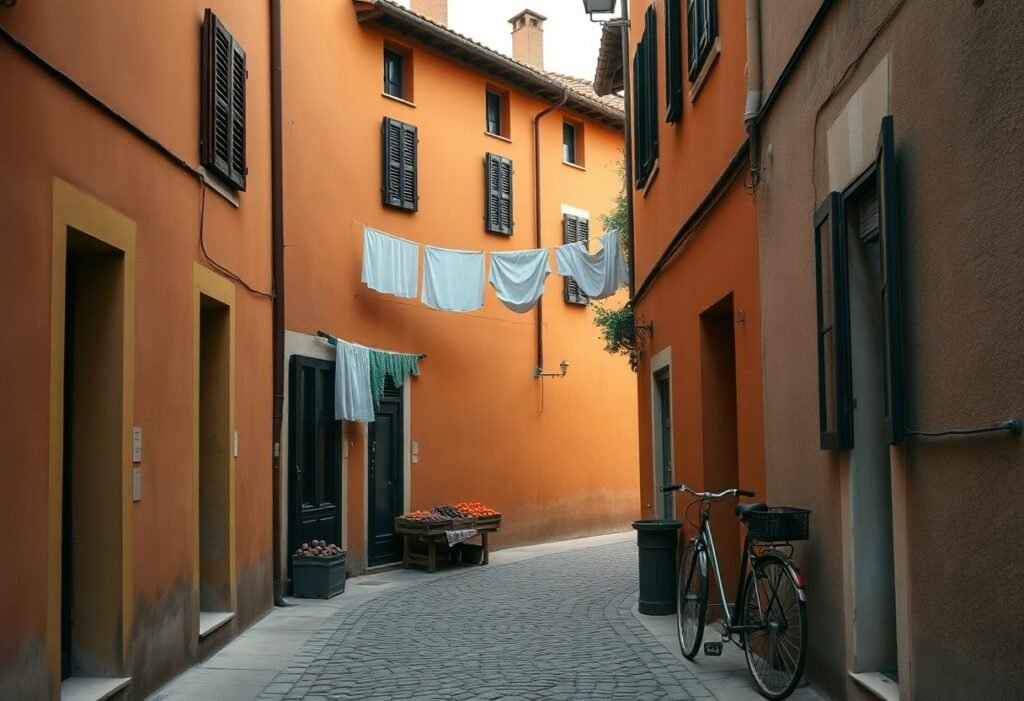
It’s easy to find authentic moments off the beaten path in Europe if you travel with curiosity and respect local customs and etiquette: seek neighborhood markets, local festivals, and family-run cafés; be aware of pickpocketing and tourist scams in crowded areas and protect your belongings; learn a few phrases to build rapport and you’ll reap unforgettable meals, conversations, and insider access that transform your trip.
Key Takeaways:
- Engage with locals and learn a few local phrases to access everyday experiences-eat at neighborhood cafés, visit markets, and join community events.
- Choose smaller towns, lesser-known neighborhoods and regional transport to discover traditions, seasonal festivals and authentic local rhythms.
- Travel slowly and respectfully: support independent businesses, adapt to local customs, and prioritize sustainable choices that benefit communities.
Key Takeaways:
- Choose neighborhood stays and frequent markets, cafés and public transit to experience everyday life.
- Learn basic local phrases and customs to connect with residents and access off-path opportunities.
- Slow down: favor flexible itineraries, local guides and small businesses to discover authentic places.
Understanding Authentic Culture
You gauge authenticity by everyday patterns: morning bakery lines in Lisbon, the Milanese aperitivo (typically 18:00-21:00), or small Spanish towns closing mid-afternoon for siesta. Spotting where locals shop, commute, and socialize-farmers’ markets, neighborhood cafés, tram stops-reveals living customs more than museum exhibits. Seek out century-old workshops and bar counters where locals order by nickname; avoid staged photo-ops that cater only to visitors and offer no real social exchange.
Defining Authenticity in Cultural Context
You should treat authenticity as continuity of lived practice: a centuries-old family bakery serving the same bread recipe and regulars is different from a recreated folk show scheduled twice daily for tour buses. Authenticity often means linguistic variation, everyday rituals, and economic ties that persist-artisan cobblers, neighborhood markets operating year-round-rather than curated performances designed purely for tourism.
The Contrast Between Tourist and Local Experiences
You often see tourists following guidebook routes-museums, viewpoints, staged photo spots-while locals frequent markets, laundromats, and commuter trains. In Madrid locals dine around 21:00-23:00, yet tourists eat earlier near plazas with inflated prices advertised in several languages. Choosing where you buy food, how you travel, and when you go separates fleeting visits from daily life.
You can spot the difference by signals: menus in multiple languages and large terrace crowds usually mark tourist zones within about 200 meters of major landmarks, while handwritten specials and crowded local bars indicate neighborhood life. Watch payment methods-small shops often prefer cash-and note transit use: Lisbon’s Tram 28 is heavily touristed, whereas commuters use buses and metro lines; also be wary of pickpocketing on packed tourist routes and plan accordingly.
Defining Authentic European Culture
You judge authenticity by patterns you can trace: living practices passed through generations, everyday rituals still performed by locals, and places where visitors are incidental. Dozens of regional traditions – from Sardinian polyphonic singing to Basque cider rituals – show how continuity and local control matter. When you seek authenticity, prioritize settings where residents lead the experience and where commercial layering is limited, because that’s where intangible heritage remains alive.
Characteristics of Authenticity
Authenticity often shows three clear traits you can spot: provenance (a direct link to place and lineage), community ownership (events run by locals, not external promoters), and adaptability (traditions evolving without losing core meaning). You’ll find this in a Slovenian beekeeping coop passed through four generations or a Portuguese tile workshop where artisans teach apprentices – both examples of living, transferable skills rather than staged performances.
Cultural Experiences vs. Tourist Attractions
Tourist attractions often prioritize scale and spectacle, drawing hundreds of thousands to a single site, while cultural experiences involve smaller, participatory moments – a village market with 50 regular vendors or a family-run tavern where recipes date to 1924. You should watch for places dominated by souvenir stalls or packaged tours, because over-tourism can hollow out traditions and reduce interactions to transactions.
Concrete cases help: Sagrada Família attracts roughly 4.5 million visitors annually, a magnet for guided tours and queues; by contrast, a Catalan castells performance may involve a few hundred local participants and an authentic communal rhythm you can join. When you choose a neighborhood festival, local workshop, or community dinner, your spending stays with residents, you get deeper exchange, and you help sustain practices that large attractions often displace.
Hidden Gems: Off-the-Beaten-Path Destinations
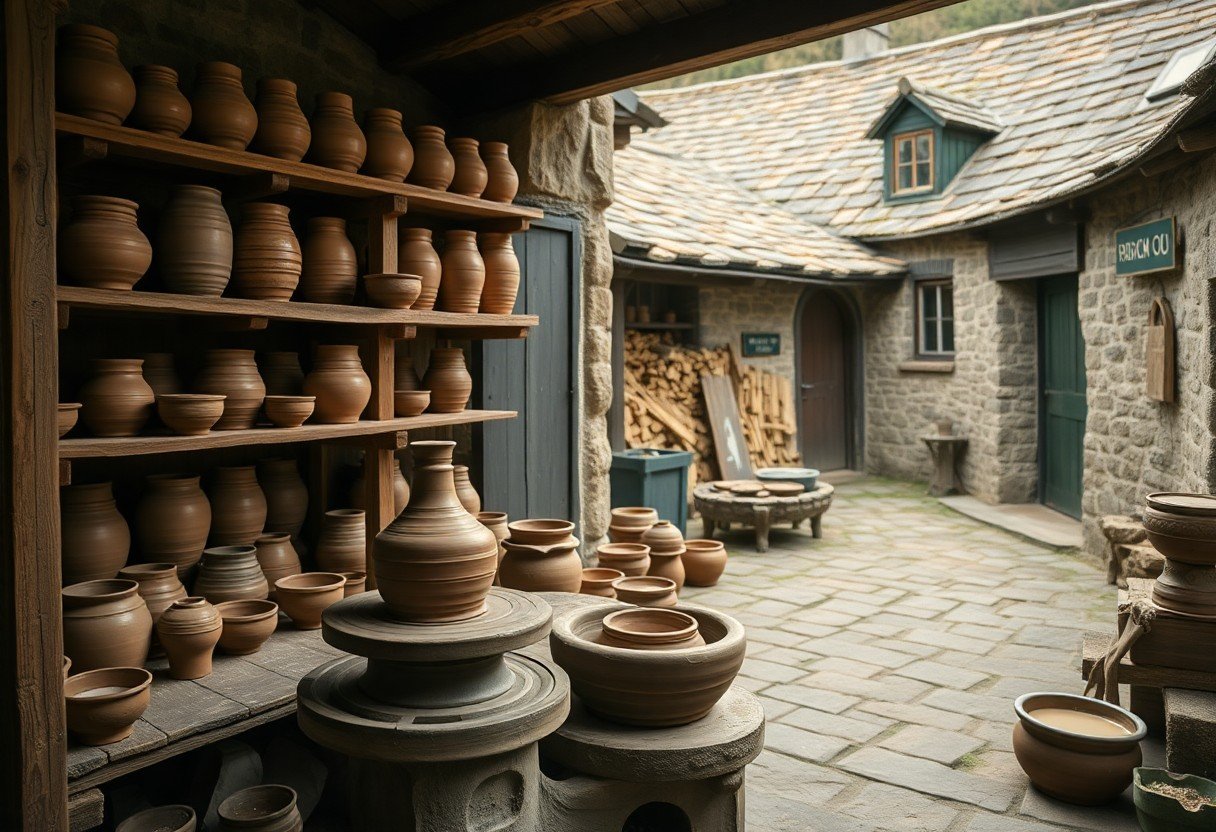
Venturing beyond capitals, you encounter towns like Giethoorn (≈2,600) and Český Krumlov (≈13,000) where daily routines center on family-run workshops, weekly markets and intact traditions; consult Culturally Intriguing Ways to Experience Europe. for curated ideas – expect low crowds, enjoy authentic festivals, and plan ahead because limited services outside high season can affect food and transport options.
Lesser-Known Cities
You can spend a weekday in Tartu (≈95,000) roaming the university quarter, explore Pécs (≈140,000) and its Zsolnay ceramics, or trace Roman layers in Plovdiv (≈345,000); prioritize weekday markets, join a 2-3 hour local walking tour, and note many small-city shops often close by 14:00, so schedule museum visits for mornings.
Rural Escapes
Head into Zagori’s stone-bridge network (46 bridges) or the Alentejo plains where villages often have under 1,000 residents; you’ll find family-run guesthouses, seasonal festivals and farm-to-table meals, but expect limited public transport and book stays in advance to secure authentic homestays.
When you plan rural stays, book accommodations 2-3 months ahead for peak months (July-August) and consider renting a car-many access roads are narrow and mountainous so drive cautiously. Join a local olive harvest in Crete (typically November) or a Tuscan grape harvest for hands-on insight; hosts often compensate volunteers with meals and small quantities of produce (for example, 3-5 liters of olive oil), which makes the exchange both practical and culturally immersive.
Off the Beaten Path Destinations
When you push beyond capital skylines, villages, small towns and coastal coves reveal living customs – think weekly markets, seasonal rites and family-run artisans. Venture just 50-150 km from major hubs to find communities where meals are shared communally, centuries-old crafts survive, and accommodation is often a converted farmhouse or guesthouse that lets you trade stories with hosts instead of chasing sights.
Hidden Gems in Eastern Europe
You can explore Veliko Tarnovo’s hilltop Tsarevets fortress and Bulgaria’s revival markets, wander Maramureș to see its UNESCO-listed wooden churches and funerary gates, or ride Serbia’s Šargan Eight narrow-gauge railway for mountain vistas; in Ukraine, Lviv’s coffee-house culture gives you intimate musical evenings. Be aware that some rural roads are hazardous in winter, and services are sparse outside towns, which keeps visitor numbers low and experiences authentic.
Lesser-Known Cities in Western Europe
You’ll find richly preserved urban life in places like Metz with its Centre Pompidou-Metz (opened 2010), Lecce’s Baroque ensembles dubbed the “Florence of the South,” and Coimbra’s university district dating to the 13th century; each offers museums, seasonal festivals and regional gastronomy but fewer crowds than the capitals. Expect smaller transport networks and check schedules before late-night plans.
To make the most of these cities, use regional rail passes or rent a compact car, visit during shoulder seasons (March-May or September-October) to catch festivals without peak prices, and plan museum days-many local museums close on Mondays and open roughly 10:00-18:00. Booking a family-run guesthouse gives you direct access to recipes, language tips and invitations to local events, which is the easiest way to turn sightseeing into cultural immersion.
Engaging with Local Communities
Connect through neighborhood initiatives, market stalls and volunteer projects; you can start with curated lists like 6 Meaningful and Off-the-Beaten-Path Travel Experiences …. Attend a Saturday market, join a harvest in Tuscany (Sept-Oct) or shadow a local craftsperson. Prioritize small-group events and ask your host for introductions to avoid tourist layers.
Cultural Immersion through Festivals
In small towns, patron-saint fêtes, village harvests and masked carnivals give you direct access to rituals; attend weekday processions to mingle with locals. Examples include Sardinia’s masked festivals and Catalonia’s castells (human towers) in late summer-many are annual and peak attendance is highest on weekends. Offer practical help during setup to earn invitations into ceremonies.
Volunteering and Community Service
Use platforms like WWOOF, Workaway or municipal volunteer centers to find placements; many hosts expect 3-6 hours/day in exchange for room and board. You should check reviews, ask for local references and confirm language needs. Start with 1-2 week trials before committing to longer stays of 1-3 months for deeper integration.
Conservation projects (sea turtle monitoring in Zakynthos May-September) and agricultural harvests (olive picking in Andalusia Oct-Nov) illustrate different commitments: seasonal timing, physical demands and accommodation standards vary. You must verify visa/work rules and insurance, request a written task list and local contact, and prefer background-checked programs when working with children or vulnerable groups. Short placements teach logistics; extended stays build trust and often lead to ongoing local connections.
Engaging with Local Communities
To deepen your experience, seek out neighborhood hubs – local markets, parish halls and amateur football clubs – where you can trade stories and skills with residents. Attend a Saturday market that draws 200-1,000 locals, volunteer at a church bake sale, or join a language-exchange café; these low-key settings let you observe daily rhythms, pick up regional phrases and be invited to home gatherings that guidebooks miss. Always ask permission before photographing private events.
Participating in Traditional Festivals
When you choose village patron festivals over blockbuster events, you interact with tradition rather than spectacle: think a Sardinian carnevale parade with a few hundred participants instead of La Tomatina’s ~20,000. Arrive early to learn dances or chants from elders, follow local dress codes, and accept food offerings to signal respect. Keep safety in mind-watch for fireworks and crowded-procession pickpocketing-and ask a local to introduce you to organizers for authentic access.
Volunteering and Community Projects
You can join organized schemes like the European Solidarity Corps (ESC) – placements often run 2-12 months, with short solidarity projects lasting 2 weeks-2 months – or informal exchanges via WWOOF/HelpX on farms and restorations. Pick projects that list clear hours, accommodations and references, and vet hosts through past-volunteer reviews; doing so increases the chance your work benefits the community rather than displacing local jobs.
Expect typical volunteer commitments of about 20-35 hours/week, with many projects providing lodging and meals and a modest allowance (commonly €100-€250/month depending on country). Confirm insurance, background checks and written agreements before you commit, and prepare to contribute concrete skills-trail maintenance, basic carpentry, language tutoring or event coordination. Beware placements that demand long unpaid hours without benefits; choose programs that offer training, cultural orientation and measurable community outcomes.
Traditional Cuisine and Local Markets
When you follow local food rituals, regional specialties reveal history: Alba’s white truffle festival (October-November) draws chefs and collectors, Naples preserves centuries-old pizza traditions, and Galicia showcases octopus at village fairs. Seek small producers-Normandy cheeses, Catalan olives, or Croatian olive oil-with provenance labels, and note that many markets and family eateries operate on tight schedules (often 7:00-14:00, then 19:00-22:00), so plan your visits around local meal times.
Family-Owned Restaurants and Eateries
You’ll find family-run osterias, tascas and konobas seating under 50 people, where a daily set menu-the menù del giorno-often costs between €10-€18. Sit at the bar to watch cooking rhythms and ask the owner for seasonal house specialties; many recipes are handed down generations. Be aware some accept cash only and close early (14:00-17:00), so check hours before planning.
Food Markets: A Taste of Local Life
You’ll spot markets like La Boqueria (Barcelona), Mercado de San Miguel (Madrid) and Mercato Centrale (Florence), typically hosting 50-200 vendors and open mainly 7:00-14:00. Sample tapas, cheeses and cured meats by the stall; vendors often sell single portions for tasting. Watch your bag in crowded aisles-pickpocketing rises during 09:00-11:00-and carry small bills for vendors who prefer cash.
Arrive before 10:00 to beat the busiest window-Saturdays see up to 30% more crowds-and prioritize stalls with local labels: PDO cheeses, acorn-fed Jamón Ibérico, Breton oysters. Ask for a taste portion (most vendors oblige) and learn regional names-‘quelite’ in Portugal, ‘burek’ in the Balkans-to deepen context. Consider a market-led cooking class; many run 2-3 hour sessions that include shopping tips, recipes and hands-on preparation.
Culinary Exploration Beyond the Typical
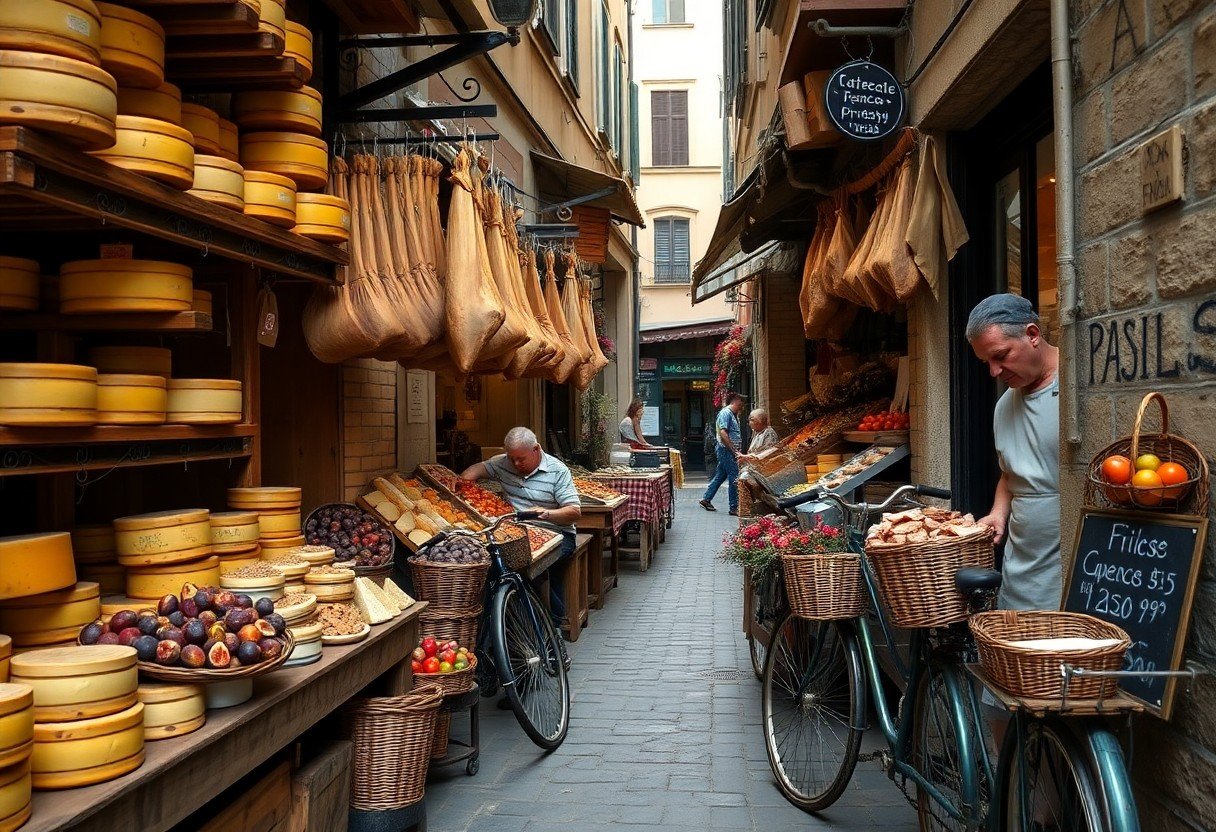
When you follow flavor instead of guidebooks, neighborhoods reveal everyday rituals: morning boulangeries in Lyon, Basque pintxos bar counters, and coastal fish stalls. Seek small markets and home-style osterias; for destination ideas consult 23 Best Europe Hidden Gems: Off the Beaten Path in 2023. Sample Sicilian arancini, Croatian čevapi, or Slovak bryndza to map culinary traditions by taste. Prioritize local hosts and avoid tourist menus to eat like a resident.
Regional Cuisines and Local Markets
Explore markets like Barcelona’s La Boqueria and Vienna’s Naschmarkt early-many vendors open by 07:00-so you can buy fresh fish, cheeses, and seasonal produce. Try regional specialties: Portuguese bifana, Hungarian lángos, and Corsican charcuterie. Pay with small bills and inspect freshness to avoid issues; bargaining is common in some places. Visit on market days (often weekly) to see food culture at its most local and affordable.
Cooking Classes and Food Tours
Join 2-4 hour hands-on classes or guided food tours to learn techniques like handmade pasta in Bologna or pierogi folding in Kraków; many tours limit groups to 6-12 people. Pick workshops led by local chefs or families for authentic recipes and direct cultural exchange. Expect market stops, recipe cards, and a shared meal at the end.
For deeper value, choose classes that include a market visit and meal-these often run €40-€120 and last 3-5 hours; smaller, host-led sessions teach regional techniques you won’t find in big schools. Check reviews for authenticity, confirm ingredient sourcing, and declare allergies up front; food allergies and cross-contamination are real risks in home kitchens. You frequently leave with printed recipes, new techniques and contacts for future meals, so prioritize experiences that let you cook, taste, and ask why dishes developed the way they did.
Learning from Local Crafts and Arts
You’ll find that engaging with artisans reveals techniques hidden from guidebooks; visit Murano for glassblowing or remote pottery studios in Andalusia, and follow curated lists like 23 Best Europe Hidden Gems: Off the Beaten Path in 2023 to locate lesser-known ateliers. Hands-on sessions often last 2-4 hours and let you try authentic methods, while sharp tools or hot furnaces require strict supervision for safety.
Workshops and Classes
You can book short workshops (typically 1-3 hours) for glass, ceramics, weaving or printmaking, with prices varying between €20-€70; Venice’s Murano classes and Portugal’s cork workshops are popular examples. Instructors usually limit groups to under 10 people, providing one-on-one guidance and protective gear when needed, so you leave with a finished piece and practical skills rather than a mass-produced souvenir.
The Significance of Traditional Crafts
You’ll see that traditional crafts preserve techniques often over several centuries: Murano glassmaking dates to the 1200s, while kilim weaving and regional embroidery keep local identities visible. Engaging directly supports artisans, sustains knowledge transfer to younger makers, and turns intangible heritage into a living resource for the community and you as a traveler.
For more detail, consider how small ateliers-typically fewer than 10 artisans-operate as micro-economies: sales, classes, and commissions fund material costs and apprenticeship programs. Participating in a studio class not only gives you a tangible memento, but also channels income back into the village, helping sustain festivals, local supply chains, and intergenerational teaching. Supporting one workshop can therefore have measurable cultural impact.
Exploring Nature and Outdoor Activities
When trails replace plazas, your itinerary shifts to ridgewalks, coastal paths and alpine meadows where daily rhythms are set by weather and light; you can tackle the Dolomites’ Alta Via 1 (~120 km), the West Highland Way (154 km) or shorter options like Iceland’s Laugavegur (55 km). Expect shifting conditions, so pack layers, a map and a local SIM; storms and sudden temperature drops are the most dangerous hazards, while sunrise-from-a-summit views are the most rewarding.
Scenic Trails and Natural Landscapes
Choose routes that match your fitness: the Lycian Way stretches ~540 km along Turkey’s coast, Cinque Terre offers 12 km of spectacular cliff-hugging paths, and Slovenia’s Triglav Park provides accessible alpine lakes and valleys. You should note elevation gains – Alta Via sections can climb 800-1,200 m in a day – and plan water, footwear and daylight; loose scree and exposed ridgelines are common dangers, while seasonal wildflowers and bird migrations are prime positives.
Sustainable Tourism Practices
Adopt established measures: buy timed-entry tickets at Plitvice Lakes, purchase the Cinque Terre hiking pass where applied, use regional transport and local guides, and respect trail closures. You should prioritize accommodations that reinvest in the community and follow leave-no-trace rules to limit erosion and litter; these small choices reduce pressure on fragile ecosystems and directly benefit local economies.
To minimize impact and maximize benefit, travel off-peak when possible-shoulder seasons can cut crowding by 40-60%-book hut or campsite spots in advance, and favor certified operators (look for labels like Green Destinations or Biosphere). You should carry a reusable water bottle and a basic repair kit, stick to marked trails to prevent vegetation loss, and consider joining local conservation efforts for a day; in Norway, for example, DNT’s network of over 550 mountain cabins is maintained through membership and volunteer work, illustrating how aligned visitor support sustains access and safety.
Practical Tips for Authentic Experiences
Prioritize small choices that change your experience: stay in neighborhood rentals, spend at least 2 hours at a morning market (many open 6:00-12:00), and learn 20 basic phrases before arrival; book a cooking class or craft workshop to engage with locals. Watch for pickpocketing hotspots around tourist squares and keep copies of documents. After you plan one local routine per day-market visit, café hour or transit ride-to ground your trip.
- Neighborhood stays
- Local markets
- Language basics
- Off-season travel
- Respectful dress
- Small-group tours
Researching Local Customs
Consult municipal tourism sites and local blogs for specifics: many Spanish businesses observe siesta (14:00-17:00), in Portugal a quick “obrigado/obrigada” opens doors, and in France greeting shopkeepers with “bonjour” before asking questions is expected. Learn 15-20 targeted phrases and note gestures-avoid pointing with the index finger in some regions-and check local dress norms for religious sites and festivals.
Mindful Travel Practices
Favor train travel for journeys under 1,000 km-rail emits far less CO2 than short-haul flights-and carry a reusable bottle and bag to refuse single-use plastics. Keep volume low in residential areas after 22:00 since many cities enforce noise fines. You’ll find locals respond warmly to low-impact behavior, which often leads to more genuine interactions.
Support neighborhood businesses by buying at least one meal or artisan item per day; a typical set-lunch in southern Europe runs about €10-€18, directly helping independent vendors. Carry small notes for markets where card readers fail, lock bikes with a sturdy U-lock because bike theft rates are high in some cities, and always ask before photographing people.
Summing up
Conclusively, you deepen your understanding of European culture by stepping beyond popular attractions, engaging with locals, learning regional traditions, and choosing small-scale accommodations and community events; this approach lets you form meaningful connections, gain nuanced perspectives, and return with richer memories that reflect the continent’s everyday rhythms rather than curated snapshots.
To wrap up
Considering all points, you can immerse yourself in authentic European culture by seeking local hosts, exploring villages, learning regional crafts, and prioritizing slow travel to observe daily life; use themed itineraries for inspiration, such as Themed Travel in Europe: 6 Fascinating Journeys That Go …, and balance planning with spontaneity so your encounters are meaningful, sustainable, and genuinely reflective of local communities.
