
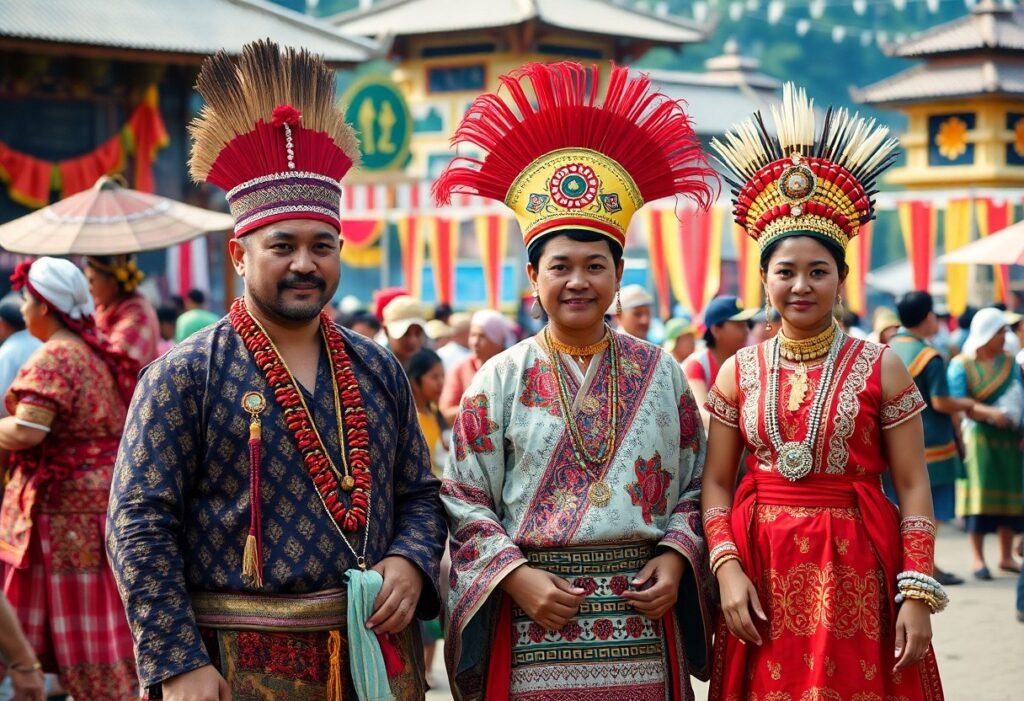
Festivals serve as vibrant showcases of cultural heritage, allowing you to witness the rich tapestry of traditional clothing that reflects history and identity. By immersing yourself in these celebrations, you can gain an understanding of how rituals and attire are intertwined, revealing significant social roles and local customs. Each garment tells a story, symbolizing beliefs, traditions, or even community resilience, making your journey through these events not only enlightening but also a meaningful exploration of cultural diversity.
Key Takeaways:
- Traditional clothing often reflects cultural identity, history, and social status during festivals and rituals.
- Festivals provide opportunities for community expression and the continuation of textile arts and craftsmanship.
- The symbolism in colors, patterns, and materials of traditional clothing is often tied to specific cultural narratives and beliefs.
Threads of Heritage: The Role of Clothing in Cultural Identity
Clothing acts as a vital thread connecting you to your cultural roots, embodying shared histories and practices. Each garment carries stories of ancestors, generations, and community values, allowing you to express your identity in a tangible form. Whether it’s a vibrant sari in India or a beautifully woven kilt in Scotland, these outfits reflect not just personal style, but the legacy of your people, foster belonging, and enhance cultural pride.
Symbolism and Meaning in Traditional Attire
Traditional attire often encapsulates deep symbolism and meaning, representing various aspects of your culture. Colors, patterns, and styles can denote social status, age, and regional identity. For example, red may signify joy and prosperity in some cultures, while the intricate designs on African kente cloth can convey complex narratives about your lineage and beliefs. Wearing these clothes during celebrations makes you a participant in ongoing cultural storytelling.
The Interplay Between Fashion and Heritage
Fashion and heritage intertwine seamlessly, offering insights into societal evolution and cultural exchange. Your traditional garments may evolve over time, influenced by globalization and contemporary trends, yet they often preserve vital elements and characteristics. Designers worldwide now incorporate traditional motifs and techniques into modern wear, creating a meaningful bridge between past and present that honors heritage while appealing to current aesthetics and lifestyles.
This synergy allows you to appreciate traditional clothing not only as part of a cultural wardrobe but also as a dynamic expression of identity. For instance, the resurgence of interest in artisanal fashion has led to a renewed appreciation for indigenous textiles, where designers blend traditional craftsmanship with contemporary styles. This movement offers a unique opportunity for you to showcase your heritage while keeping pace with modern fashion, creating a dialogue between the rich past and vibrant present. Events like fashion weeks now frequently feature designers who draw inspiration from their cultural roots, proving that heritage remains an influential force in the ever-changing landscape of fashion.
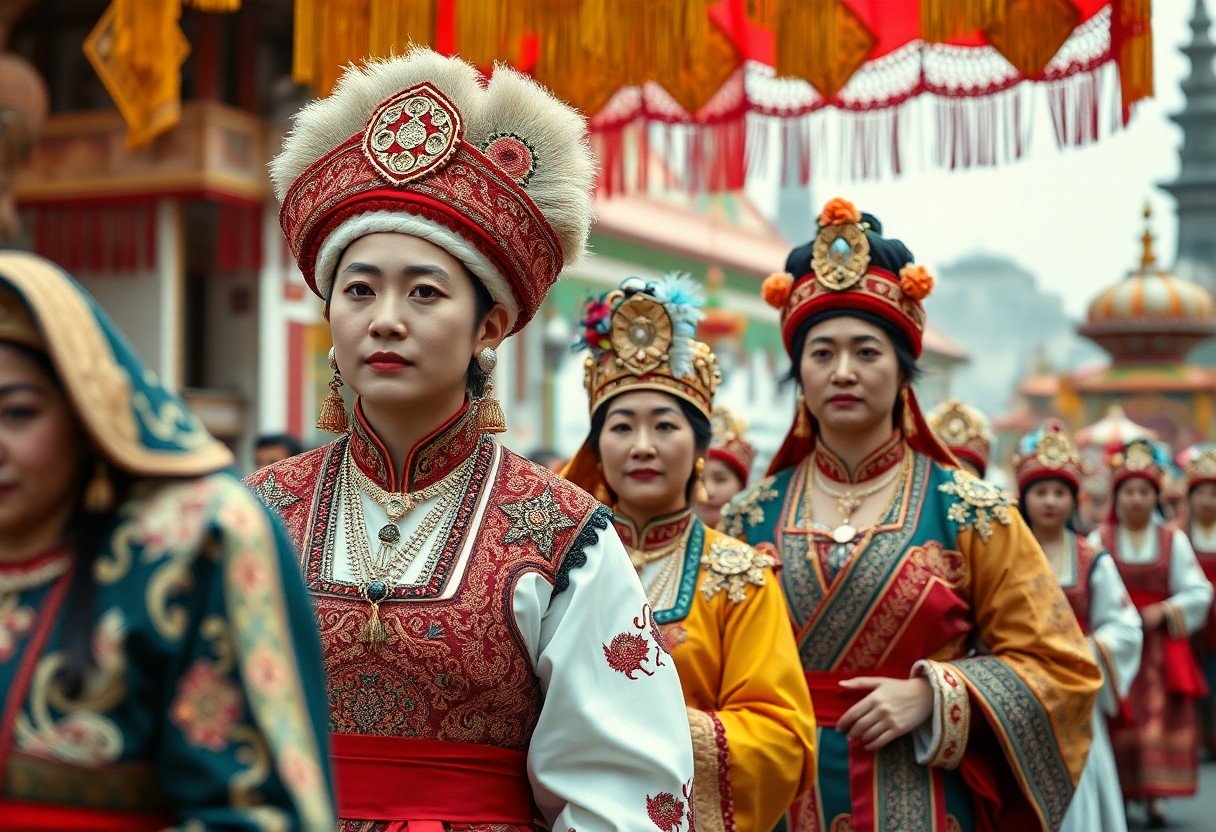
Festivals as Living Histories: Showcasing Traditional Garments
Festivals serve as vibrant showcases of traditional garments, allowing you to witness the cultural narratives woven into each piece of clothing. These events bring regional attire to life, reflecting the community’s values, history, and artistry. As you engage with these celebrations, you’ll find that traditional clothing acts not merely as fabric but as a living history, portraying ancestral stories that continue to resonate within contemporary society.
Major Global Festivals Celebrating Traditional Clothing
Across the globe, numerous festivals pay homage to traditional clothing, enabling you to experience rich cultural expressions firsthand. Events like India’s Diwali, Japan’s Hanami, and the Rio Carnival in Brazil highlight distinctive attire that embodies their national heritage. Each festival invites you to immerse yourself in the colorful tapestry of local customs, promoting appreciation for the artisans who create these garments.
The Stories Behind the Garments on Display
Traditional garments displayed during festivals often have deep-rooted stories that convey the cultural, social, and historical contexts of the people you engage with. Each piece holds significance, whether reflecting a specific region, occasion, or familial lineage. For instance, the vibrant Kente cloth from Ghana represents various proverbs and values, while the intricate beadwork of Native American regalia signifies tribal identity and social status.
Examining the stories behind the garments highlights the intricate connections between clothing and culture. For example, during festivals, you may find garments adorned with symbols representing fertility, bravery, or community bonding. In many cases, these stories are passed down through generations, making each piece a testament to resilience and heritage. The cultural narratives associated with these garments invite you to appreciate the collective memory embodied in the attire, serving as a bridge between the past and your present, as you step into the rich traditions of diverse cultures.
Rituals and Traditions: Clothing as a Marker of Milestones
Milestones in life, such as births, marriages, and funerals, are often marked by specific clothing that signifies their cultural importance. Each attire carries profound meanings, representing not just individual identity but also the collective heritage of a community. The garments worn during these occasions provide insights into social roles, traditions, and personal values, creating a visual tapestry that honors the past while celebrating the present.
The Significance of Attire in Rites of Passage
Attire during rites of passage serves as a powerful symbol of transition and belonging. For instance, during a coming-of-age ceremony, young individuals don traditional garments that signify their new roles and responsibilities within the community. These clothes are often adorned with intricate designs or colors unique to the culture, making them not only ceremonial but also deeply personal reflections of heritage.
Celebratory Garments: Births, Weddings, and Funerals
Celebratory garments play pivotal roles during significant life events such as births, weddings, and funerals. Each occasion calls for distinct attire that communicates traditions and emotions. In many cultures, newborns are dressed in specially crafted outfits symbolizing purity, while brides wear elaborate dresses that signify joy and prosperity. Funerals contrast sharply, as the clothing worn reflects mourning and respect, often involving somber colors and traditions that honor the deceased.
For example, in Indian culture, newborns may wear a combination of bright colors and protective symbols, believed to ward off evil spirits. Weddings often feature intricate sarees or lehengas for brides, intricately designed with embroidery and jewels, while grooms typically wear traditional dhotis or kurtas. Conversely, funerals frequently involve white or black attire, representing grief and solemnity. This careful selection of garments illustrates how clothing is intertwined with emotional landscapes, bridging individual milestones with community experiences.
Evolution of Traditional Attire: From Function to Fashion
The evolution of traditional attire reflects a journey from utilitarian designs focused on practicality to garments that express individual style. Initially, clothing served necessary functions – protection from the elements, durability for labor, and symbols of social status. Over time, artisans began to imbue these necessarys with artistic expression, incorporating colors, fabrics, and embellishments that resonated with cultural identity. Today, traditional wear often merges these historical elements with modern fashion, resulting in clothing that celebrates both heritage and contemporary aesthetic values.
Modern Influences on Traditional Clothing Styles
Your perception of traditional clothing has likely been shaped by modern influences, as designers blend age-old techniques with contemporary trends. Innovations in fabric technology and global fashion trends have resulted in a diverse array of styles, effectively organizing traditional garments into ready-to-wear formats. You may see traditional motifs appearing on high-fashion runways, symbolizing a fusion that respects cultural roots while appealing to modern sensibilities.
The Impact of Globalization on Cultural Dress
Globalization has substantially transformed cultural dress, allowing for cross-cultural exchanges that infuse traditional garments with new meanings and interpretations. You can observe how fashion icons and social media platforms contribute to a hybridization of styles, where traditional attire is not only celebrated in its original context but also adopted and redefined across cultures. This blending frequently leads to both the preservation and potential dilution of the original cultural significance.
The impact of globalization on cultural dress is evident through various lenses, such as the resurgence of traditional textiles in global markets, where artisans are gaining international recognition. This phenomenon enables local craftspeople to thrive economically while sharing their cultural narratives. However, it can also pose challenges, such as the commercialization of sacred designs or motifs, risking the authenticity and ancestral connections they hold. Navigating this landscape involves a delicate balance between embracing global influences and honoring the authenticity of cultural origins.
Sustainable Fashion: Reviving Traditional Techniques for the Future
Sustainable fashion not only focuses on eco-friendly materials but also on reviving traditional techniques that have been passed down through generations. By embracing these time-honored methods, you can reduce the environmental impact of modern production while celebrating the rich heritage of different cultures. Increasingly, designers are turning to local artisans, fostering community connections and supporting the preservation of unique craftsmanship.
Eco-Friendly Practices in Traditional Textile Production
Traditional textile production often employs eco-friendly practices that minimize waste and utilize natural resources sustainably. Techniques such as natural dyeing and hand-weaving not only reduce chemical use but also promote biodiversity. You may find that many indigenous communities rely on local plants and materials, creating textiles that are as environmentally conscious as they are beautiful.
The Revival of Ancestral Craftsmanship Through Modern Design
The fusion of ancestral craftsmanship with modern design has led to a vibrant resurgence of traditional techniques. You see this revitalization in various collections that blend ancient weaving methods with contemporary aesthetics, keeping cultural narratives alive while appealing to today’s consumers. Collaborations between artisans and fashion designers have yielded innovative pieces that tell a story, often enhancing fair trade practices.
As modern designers integrate traditional elements, you witness a creative synergy that honors the past while looking forward. For instance, collaborations like those between high-fashion labels and artisan communities have sparked a renewed interest in textiles such as mud cloth from Mali or Ikat from Indonesia. This approach protects endangered skills and offers unique products that stand out in a saturated market. By choosing such pieces, you’re contributing not just to a fashion statement, but to the survival of endangered craft traditions, making every purchase an investment in cultural heritage.
Final Words
With these considerations, you gain a deeper understanding of how traditional clothing plays a vital role in festivals and rituals. These garments are not merely fabric; they embody your cultural identity, history, and values. As you explore various celebrations, you’ll appreciate how these outfits reflect the significance of community, continuity, and expression within diverse cultures. Engaging with these customs enriches your appreciation of their heritage and the stories each piece of clothing carries, enhancing your experience of cultural exploration.
