
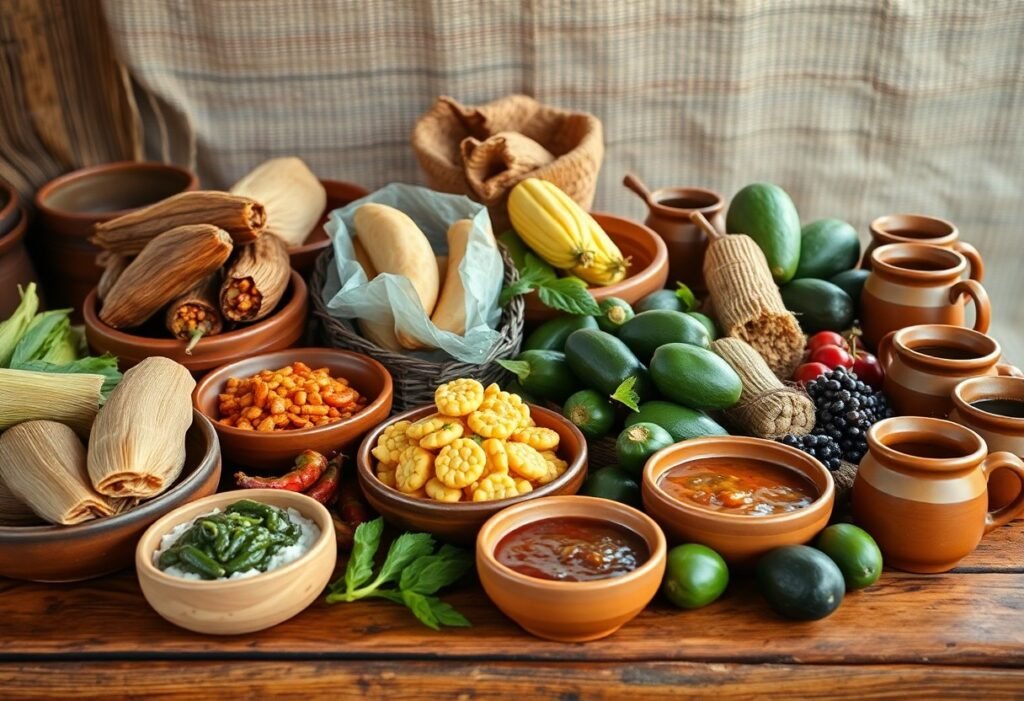
There’s a rich culinary tapestry that explains why the dishes you eat today blend Indigenous staples, Spanish and African influences, and immigrant flavors; by tracing regional ingredients, cooking techniques, and festive traditions you learn how corn, beans, and chiles sustained civilizations, how colonial exchange reshaped diets, and how communal meals build identity. Pay attention to food safety risks like raw seafood and unpasteurized dairy when sampling street foods, and savor the vibrant diversity and resilience that make Latin American cuisine globally beloved.
Key Takeaways:
- Regional diversity blends indigenous staples (maize, potatoes, cassava), African ingredients and techniques, and Iberian influences to produce richly varied cuisines across Latin America.
- Food encodes history and identity: colonialism, migration, and trade shaped ingredient flows and cooking methods, while dishes serve as markers of community, ritual, and resistance.
- Contemporary dynamics mix revival and innovation as chefs and communities reclaim ancestral ingredients and techniques even as globalization and diaspora spur fusion and wider recognition.
The Origins of Latin American Cuisine
Across the region you encounter staples shaped over millennia: maize domesticated ~9,000 years ago in southern Mexico, potatoes in the Andes 7,000-10,000 years ago, and quinoa cultivated by Andean societies around 5,000 years ago. Techniques like nixtamalization, pit-roasting and fermentation turned wild plants into stable, nutritious foods, while regional biodiversity-from Amazonian manioc to Andean tubers-gave rise to deeply localized diets that underpin modern Latin American cooking.
Indigenous Ingredients and Cooking Techniques
You inherit methods such as nixtamalization (maize plus lime to unlock niacin) alongside tools like the comal and molcajete. Chilies, amaranth, maize landraces and hundreds of tubers anchored daily meals; pachamanca pit ovens in the Andes and Amazonian fermentation practices preserved and detoxified foods. Be aware that processing cassava is vital because improperly prepared manioc contains cyanogenic compounds that can be poisonous.
Colonial Influences on Food Traditions
After 1492 you can see the Columbian Exchange introduce wheat, cattle, pigs, sugarcane and citrus, bringing baking, dairy and livestock economies to the Americas. Enslaved Africans and Asian laborers added okra, palm oil and wok-style techniques that fused with native ingredients. Simultaneously, Old World diseases like smallpox devastated indigenous populations, reshaping labor systems and food production across the continent.
Concrete examples show this mestizaje: Mexican mole merges indigenous chiles and cacao with Spanish almonds and sesame; Peruvian lomo saltado pairs Chinese stir-fry methods with native potatoes and European beef; Brazilian feijoada adapts West African stewing to local black beans and pork. Plantation systems-sugar in the Caribbean and Brazil-depended on the forced migration of over 10 million Africans, leaving lasting culinary and cultural imprints you still taste in markets, festivals and family tables.
Regional Cuisines of Latin America
Across Latin America you move between distinct culinary worlds: the corn-forward Mesoamerican kitchens, the potato-rich Andean highlands, the seafood-heavy Caribbean coast, and the Amazonian use of cassava and wild fruits. You’ll notice techniques like nixtamalization in Mexico and staples such as quinoa and potatoes in the Andes – Peru alone preserves about 4,000 potato varieties – while coastal regions emphasize lime, coconut, and palm oils for bright, aromatic dishes.
Mexican Gastronomy
When you explore Mexican gastronomy you’ll find maize at the center: masa makes tortillas, tamales, and sopes through nixtamalization. Street tacos vary by region – al pastor in Mexico City, birria in Jalisco – and sauces range from simple salsas to mole, which has more than 20 recorded regional variations. UNESCO recognized traditional Mexican cuisine in 2010, underscoring its deep indigenous and Spanish syncretism.
The Flavors of Central America
In Central America you encounter tight, ingredient-driven cuisines built on corn, beans, plantains, and coconut milk; dishes like El Salvador’s pupusas, Honduras’ baleadas, and Costa Rica’s gallo pinto exemplify this. Street vendors and home cooks use local herbs such as loroco and condiments like Costa Rica’s Salsa Lizano, while coastal pockets serve fresh ceviche – be mindful of raw seafood risks when eating from informal stalls.
You can trace pre-Columbian continuity in daily meals: nixtamalized corn fuels tortillas and tamales, cacao appears in ceremonial drinks, and plantains are fried, boiled, or mashed into tostones and maduros. Vendors in San Salvador and Tegucigalpa still sell thousands of pupusas and baleadas daily in markets, showing how these foods are both sustenance and communal identity for your culinary explorations.
The Influence of Immigration on Latin American Food
Mass migrations in the late 19th-early 20th centuries brought millions of newcomers whose pantries changed what you eat: wheat, cattle breeds, and dairy spread from Europe; Middle Eastern shawarma techniques morphed into Mexico’s al pastor; and Asian laborers introduced new soy and noodle traditions. You can trace specific dishes to these movements, seeing how ingredient exchanges and urban kitchens created hybrid staples across cities from Buenos Aires to Lima.
European Contributions
Italian, Spanish and Portuguese arrivals reshaped everyday plates: you’ll find milanesa and pasta in Argentina, Spanish-introduced grapes and wine in Chile, and Portuguese bacalhau and sugarcane traditions in Brazil. German settlers in southern Brazil and Chile popularized sausages and brewing, while wheat-based breads replaced some indigenous flatbreads in urban markets, altering meal structure and restaurant cultures you dine in today.
African and Asian Impact
African enslaved peoples brought okra, black-eyed peas, coconut techniques and palm oil (dendê) that define Bahian and Caribbean dishes you taste, like acarajé and vatapá. Asian migrants, arriving from the mid-19th century onward, fused techniques with local produce: Chinese coolie kitchens influenced Caribbean stir-fries, and Japanese immigrants later created Nikkei cuisine blending soy and Peruvian peppers, reshaping coastal culinary scenes.
In Salvador, Bahia, you encounter street vendors (baianas) selling acarajé made with black-eyed peas fried in dendê – a direct line to West African foodways that you can still trace to specific recipes. In Lima, chefs mixed Japanese knife skills with aji amarillo and lime, so that Nikkei restaurants now attract global attention; these case studies show how diasporas turned transplanted techniques into region-defining cuisines you can explore.
Traditional Culinary Practices and Rituals
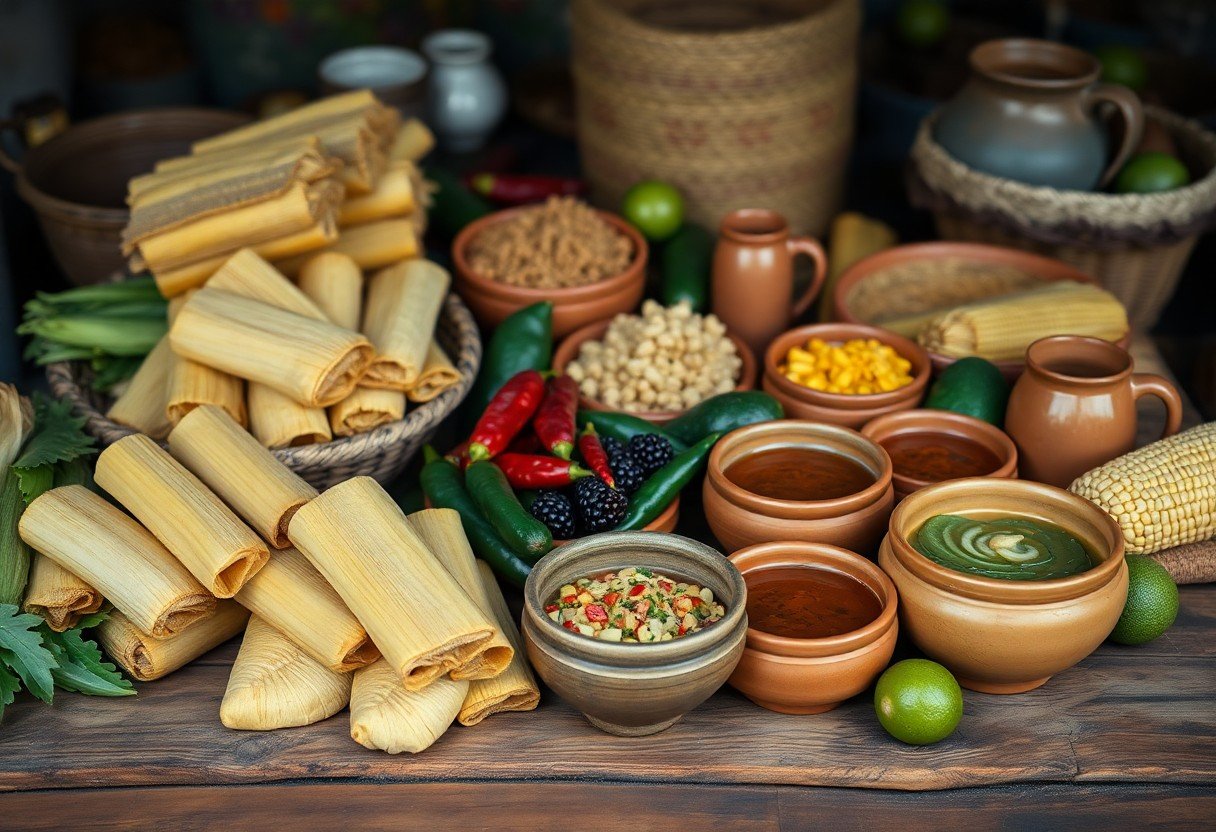
You encounter enduring techniques-nixtamalization improving maize nutrition, stone-grinding of cacao, and communal rituals like Day of the Dead offerings and pan de muerto-while regions preserve local biodiversity, with Peru’s Andes hosting over 4,000 potato varieties; for historical depth see 2014 Hispanic Heritage Celebration EDIBLE HISTORY.
Festivals and Food Customs
You witness food as performance: Rio’s Carnival mobilizes street vendors feeding millions, Mexican Día de los Muertos centers household altars with specific foods, and Andean Inti Raymi features chicha and roasted cuy; patron saint fiestas can showcase dozens of regional specialties in single plazas.
The Role of Family in Meal Preparation
You learn through participation as elders teach techniques and timing; three generations often cook side-by-side, and events like Argentine asado commonly gather 10-20 relatives, turning food prep into kinship practice that preserves recipes and dialects of flavor.
You notice apprenticeship is hands-on: women traditionally pass down complex sauces while men increasingly handle open-fire cooking, and dishes like mole poblano-requiring 20+ ingredients and hours of layering-show how your family’s sensory memory and step-by-step guidance sustain culinary heritage.
Contemporary Trends in Latin American Cuisine
Urban chefs and home cooks alike are elevating ancestral ingredients-amaranth, quinoa, cassava-while prioritizing sustainability and traceability. You see a boom in farm-to-table restaurants, fine-dining tasting menus that reinterpret street classics, and culinary research centers documenting indigenous techniques. Peruvian and Mexican cuisines have led a global rediscovery since the 2000s, driven by chef-ambassadors and international festivals that placed Latin American food on the world stage.
Fusion and Modern Interpretations
You encounter Nikkei and chifa blends reimagining ceviche and stir-fries, and chefs like Gastón Acurio and Virgilio Martínez reworking Andean produce into tasting menus. In diaspora kitchens, Korean-Mexican tacos popularized by food-truck culture show how cross-cultural menus travel. Menus now mix techniques-sous-vide, fermentation-with masa, achiote and Amazonian fruits, producing dishes that are both innovative and rooted in tradition.
The Rise of Latin American Street Food
Street food has become an urban laboratory where tacos, arepas, anticuchos and ceviche evolve nightly; you can trace tacos al pastor to 20th-century Lebanese shawarma influence in Mexico. Vendors make food accessible and affordable, while raw seafood and undercooked meats carry real foodborne illness risks, prompting widespread vendor training, certification and hygiene measures across major cities.
In cities such as Mexico City, Lima and Bogotá, formalized markets, food-truck circuits and festivals raise vendor profiles and incomes. You’ll find curated halls pairing street cooks with sommeliers and public-health initiatives that introduce cold chains and hygiene protocols. That professionalization preserves creativity while addressing the public health challenges that accompany rapid growth.
Preservation of Culinary Heritage
In markets and homes you find active preservation: Mexico’s traditional cuisine was inscribed by UNESCO in 2010, while techniques like nixtamalization-practiced for millennia-still sustain maize nutrition. Community archives and chef-led programs document recipes as over 75% of crop diversity declined during the 20th century, so grassroots work matters. Learn deeper context in History of Latin Cuisine: Exploring the Origins of Our Flavors.
Efforts to Sustain Ancient Recipes
You encounter workshops, oral- history projects and culinary schools where elders teach masa, mole and fish-curing methods; in Oaxaca and the Andes women’s collectives run apprenticeship circles. Digital catalogues have logged thousands of regional recipes, while Slow Food presidia and local NGOs support heirloom seeds-otherwise aging transmitters and seed loss put many recipes at real risk.
The Importance of Food as Cultural Identity
You feel identity when dishes anchor rites and festivals: Peruvian ceviche and Oaxacan mole act as communal memory, and chefs like Gastón Acurio have turned local ingredients into global recognition, boosting pride and culinary tourism. Food links language, land and ritual, so protecting recipes preserves social memory while loss of recipes fragments communal ties.
Across patron-saint feasts, street markets and diaspora gatherings you witness how recipes encode origin: empanada variations in Argentina mark province, Caribbean stews reveal African and indigenous blends, and migrant cooks adapt traditions into hybrid forms. For your community, that means food functions as a living archive-both preserving history and enabling new cultural expressions.
Final Words
Considering all points, you can trace how indigenous, African, European and Asian influences formed Latin American food’s diversity and resilience; your engagement should include tasting regional dishes, studying techniques, and consulting resources like The ultimate guide to Latin American cuisine to deepen context and support respectful culinary exploration.
