
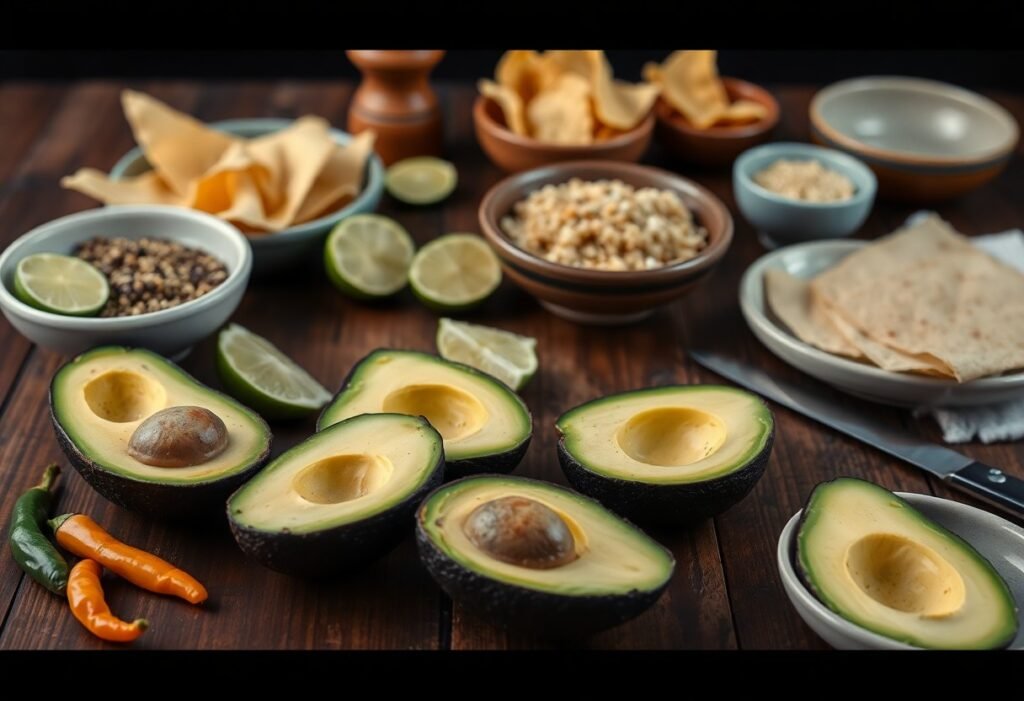
With its vibrant ingredients and time-honored techniques, Latin American cuisine teaches you how bold flavors, indigenous ingredients, and sustainable practices drive menu innovation worldwide; you must also heed food-safety and sourcing risks when adapting traditional methods. This influence guides chefs, inspires fusion trends, elevates plant-forward eating, and positions your kitchen to harness regional diversity while honoring authenticity.
Key Takeaways:
- Bold flavors and native ingredients-chilies, citrus, corn, beans, and avocado-have been adopted globally, reshaping menus and inspiring new fusion dishes.
- Street-food techniques and casual formats-tacos, ceviche, arepas, grilling, and pickling-fuel fast-casual concepts, pop-ups, and shareable-plate trends.
- Ancestral crops and sustainable practices-quinoa, amaranth, heirloom maize, and traditional preservation-drive plant-forward menus, local sourcing, and biodiversity-focused dining.
Historical Influences on Latin American Cuisine
Indigenous Ingredients and Techniques
You see Indigenous foundations in staples: maize (domesticated ~9,000 years ago in Mexico’s Balsas Valley) feeds millions, while Andean potatoes (domesticated 7,000-10,000 years ago) and quinoa (>5,000 years cultivated) shape regional diets. Techniques like nixtamalization boost niacin and reduce mycotoxins, and Amazonian manioc processing removes cyanide-a dangerous step you must respect-alongside pachamanca stone ovens and smoking that define local flavors.
Colonial Impact on Food Practices
You notice how 16th-century Spanish and Portuguese arrivals altered foodways by introducing wheat, sugarcane, cattle, pigs, and dairy, while transatlantic trade and migration brought rice, okra, and plantain. The sugarcane boom (16th-18th centuries) relied on enslaved labor, reshaping economies and regional cuisine; you can taste the fusion in mole, where Indigenous chilies meet Old World spices and nuts.
Dig deeper and you’ll find case studies: by the 1600s Brazil dominated sugar exports, spawning plantation systems that fused Portuguese, Indigenous, and African influences; African techniques produced feijoada and Bahian acarajé, blending frying methods and local ingredients. You also see Spanish-introduced livestock create ranching cultures in the Río de la Plata and Andes, enabling cheeses and stews that transformed everyday eating.
Key Ingredients Driving Trends
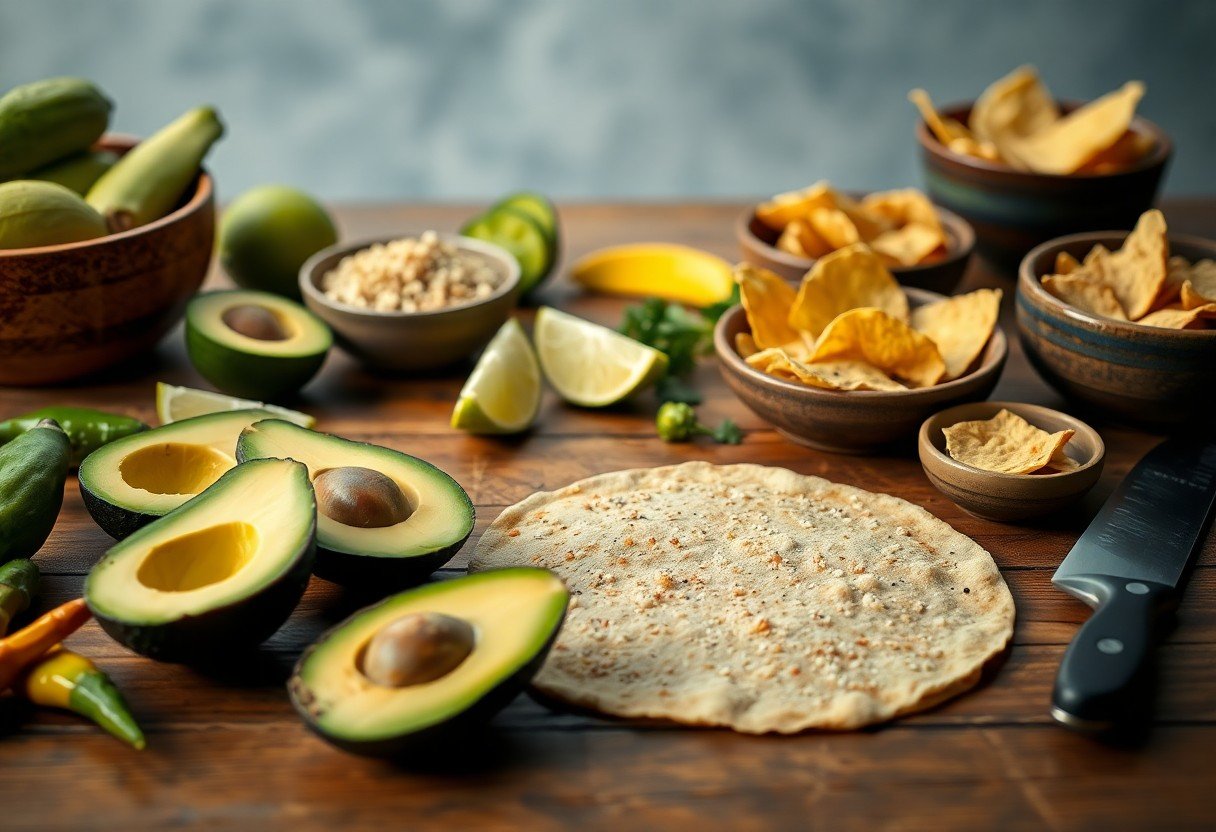
You’ll find that ingredients like chiles, native tubers, and fresh herbs are steering menu innovation and supply decisions; chefs lean into provenance and utility, as detailed in Exploring Food Ecosystems Through A Heritage-Inspired Lens. Producers scale regionally to meet demand, and your menus benefit when you prioritize ingredients that offer both bold flavor and year‑round sourcing from regenerative or hydroponic systems.
Chiles and Spices
You should treat chiles as both seasoning and signal: jalapeño runs roughly 2,500-8,000 SHU, serrano 10,000-23,000 SHU, and habanero 100,000-350,000 SHU, so your heat profiles can be precisely calibrated. Restaurants use ground annatto, aji amarillo or smoked guajillo to add color and umami; fermentation and spice blends extend shelf life and create consistent, scalable sauces for multi‑location concepts.
Fresh Herbs and Vegetables
You rely on herbs like cilantro, culantro and epazote plus microgreens to deliver immediate aromatic impact; microgreens can be harvested in 7-14 days, making them a fast, high‑value addition to your dishes, while refrigerated herbs typically keep for about 5-10 days if handled properly.
Operationally, you can extend availability by adopting hydroponic and controlled‑environment farms that supply steady, pesticide‑controlled herbs year‑round; storing herbs at 1-4°C and using modified‑atmosphere packaging often adds 2-4 days to shelf life, cutting waste and keeping your plates consistently vibrant.
The Rise of Latin American Street Food
Across global cities you now find market-style stalls and food trucks bringing dishes like tacos, tamales, and arepas into everyday dining; UNESCO’s 2010 recognition of Mexican cuisine accelerated interest in street traditions. In places such as Mexico City’s mercados and Bogotá’s street corners these foods feed thousands daily, and the migration to restaurant and festival circuits means you can sample authentic regional styles alongside chef-driven reinterpretations. Note the persistent food-safety and allergen risks at busy pop-ups, which operators must manage tightly.
Global Popularity of Tacos and Arepas
You encounter tacos and arepas from Los Angeles to Madrid: tacos span regional styles-al pastor, Baja fish, barbacoa-while arepas remain staples in Colombia and Venezuela and now anchor dedicated shops in Miami and Madrid. Roy Choi’s Kogi truck (circa 2008) is a clear case study of how tacos spread via social media into mainstream U.S. menus, and food halls worldwide now list multiple taco and arepa variants to meet rising demand.
Fusion with Local Cuisines
Chefs increasingly fuse Latin American street formats with local ingredients: you see ceviche with Pacific salmon in Vancouver, Nikkei sushi-ceviche hybrids in Lima’s top restaurants, and Korean-Mexican tacos in Los Angeles. These hybrids create new supply chains-for example, avocado and masa demand surges-and force you to navigate labeling, allergens, and provenance transparency when adapting recipes for new markets.
Delving deeper, Maido’s Nikkei success in Lima and Kogi’s truck model illustrate two fusion pathways: haute interpretation and street-level reinvention. You can study Maido’s menu engineering-combining Peruvian citrus with Japanese techniques-to learn how chefs charge premium prices, while Kogi used Twitter to scale low-overhead operations and inspire dozens of copycats, showing how marketing and format shape adoption rates in cities worldwide.
Latin American Beverages Making Waves
Across global menus you now encounter agave and cane spirits reshaping bars and cafés: mezcal’s smoky profile, Peruvian pisco, and Brazilian cachaça appear alongside craft sodas and kombuchas inspired by native fruits. Bartenders cite regional techniques and heirloom varietals, and industry coverage highlights this shift (From tradition to global influence: How Latin American …).
The Craft Cocktail Movement
When you scan cocktail lists you’ll spot agave-led classics: the Oaxacan Old Fashioned (mezcal), Pisco Sour, and caipirinha with cachaça. Mixologists are using native bitters, smoked salts, and botanical infusions; for example, bars in Mexico City and New York have expanded agave pours by double digits to meet demand, turning regional spirits into signature, menu-driving cocktails.
Coffee and Chocolate Innovations
You’ll find specialty single-origin beans from Huila, Colombia and experimental fermentations from Guatemala on third-wave menus, while bean-to-bar makers in Ecuador and Peru emphasize traceability and floral cacao profiles; direct-trade sourcing and post-harvest techniques are lifting quality and prices for producers.
Beyond sourcing, you should note processing advances: anaerobic fermentation, honey and natural methods, and selective drying unlock citrus, floral, and chocolate-forward notes in coffee. On cacao, bean-to-bar firms like Pacari showcase terroir-driven bars and implement on-farm fermentation control, increasing farmer premiums and creating award-winning single-origin chocolates for global chocolatiers.
Sustainability in Latin American Cooking
You witness sustainability woven into daily practice: the milpa polyculture feeds families while preserving soil, Andean communities cultivate over 3,000 native potato varieties to protect genetic diversity, and chefs and producers collaborate to scale regenerative methods; explore how this movement reaches global menus in Latin American Cuisine: How Hispanic Foods are Making a Global Impact.
Farm-to-Table Practices
You see chefs like Virgilio Martínez at Central catalog ingredients by elevation – sourcing from sea level up to 4,000 meters – while others such as Enrique Olvera revive nixtamalization (a technique practiced for >3,000 years) to support local maize growers; seasonal tasting menus shorten supply chains, reduce waste, and spotlight smallholders who supply single-origin cacao, heirloom corn, and native tubers directly to your plate.
Emphasis on Local Sourcing
You rely on municipal markets and campesino cooperatives that connect kitchens to producers, preserving heirloom varieties and reducing food miles; in Peru and Mexico these channels sustain heritage crops and give chefs direct access to specialty items like native potatoes and regional chilies, strengthening local economies and biodiversity.
You can trace provenance through community-supported agriculture programs and market networks that typically operate in 12-24 week seasonal cycles, improving transparency and lowering intermediaries; by buying directly from vendors at places such as Mercado de San Juan or regional cooperatives, your purchases help maintain agroecological systems and ensure smallholders retain more value from each sale.
Final Words
Considering all points, you see how Latin American cuisine reshapes global food trends by introducing vibrant flavors, indigenous ingredients, and time-honored techniques into mainstream kitchens; your menus and culinary thinking adopt chiles, heirloom maize, plantains, and fermentation, while chefs and consumers embrace street-food formats, bold spice balances, and cross-cultural fusion. This influence drives innovation in sourcing, plating, and sustainability, so you update offerings and dining experiences to reflect a more diverse, resilient, and flavorful food landscape.
