
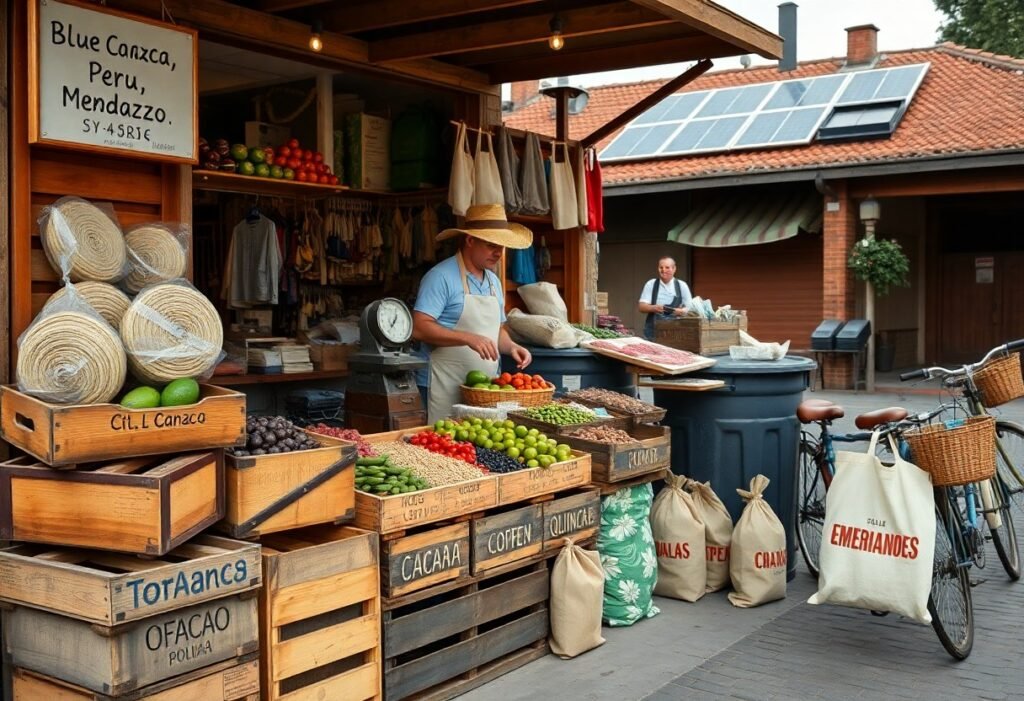
Just as you travel from Mexico to Argentina, you navigate a tapestry of cuisines where fresh, locally sourced ingredients define regional character, and fiery chiles that can be dangerously hot demand respect; you’ll find corn and mole in the north, ceviche on Pacific coasts, and grilled asado in the south, all illustrating vibrant regional diversity that shapes your palate and culinary understanding.
Key Takeaways:
- Vast regional diversity: Mexico’s corn, chiles and moles, Central American corn-and-bean dishes, Andean potatoes and grains, and Argentina’s beef and chimichurri reflect geography and native crops.
- Techniques and cultural layers: Indigenous methods (nixtamalization, slow stewing, smoking) combine with Spanish and immigrant influences to create distinct regional preparations.
- Common flavor principles: Emphasis on local, seasonal ingredients and contrasts-smoky, spicy, acidic and fresh-seen in staples like ceviche, grilled asado, salsas and stews.
The Culinary Landscape of Mexico
Traveling into Mexico you encounter staple techniques and flavors: corn, chiles, and diverse moles anchor meals across the country’s 32 federal entities. You find street classics like tacos al pastor and Baja fish tacos alongside ancestral methods such as nixtamalized masa and pit-roasting for cochinita. For curated itineraries and tasting notes consult Must-Try Dishes in Latin American Cuisine. Be mindful that some raw seafood dishes carry foodborne risk if not handled properly.
Traditional Ingredients
You rely on nixtamalized maize (masa), beans, squash, avocado, cacao and dozens of chile varieties; nixtamalization dates back roughly 2,000 years and boosts nutrition and flavor. You also use aromatics like epazote and hoja santa, dried chiles such as ancho and guajillo, and staples like lard and citrus to build layers. These ingredients power daily tortillas, tamales and festive mole preparations across regions.
Regional Dishes and Their Origins
Across regions you trace dishes to cultural crossroads: Yucatán’s cochinita pibil uses achiote and Mayan pit-roasting, Veracruz blends Spanish and Afro-Caribbean seafood influences, and Oaxaca is famed for the seven moles that shift by village and season. You spot urban adaptations like tacos al pastor-an immigrant-driven reinvention-alongside centuries-old indigenous recipes preserved in rural kitchens.
Consider tacos al pastor as a case study: Lebanese immigrants in the 1920s introduced vertical rotisserie techniques that merged with achiote marinades to produce the Mexico City classic. Puebla’s mole poblano fuses indigenous chiles with Spanish-introduced chocolate and nuts, exemplifying mestizo innovation. Coastal Baja and Veracruz evolved fish preparations into tourist staples, yet raw ceviche and undercooked seafood pose a real food-safety risk you should manage when sampling.
The Rich Tapestry of Central American Cuisine
Between Guatemala and Panama you encounter a compact yet varied foodworld where corn, beans, and squash form the backbone, while coastal kitchens rely on coconut milk, plantains, and fresh seafood. You see Spanish, African, and Indigenous layers across seven countries, supported by dozens of maize landraces and smallholder cacao plots. Pay attention to aflatoxin risk in poorly stored maize and to the region’s vibrant coastal seafood traditions that drive both economy and flavor.
Influences from Indigenous Cultures
Indigenous groups – Maya, Lenca, Pipil, Ngäbe – shape daily cooking through techniques like nixtamalization, tamale wrapping in plantain leaves, and ancestral stews such as Guatemala’s pepián; you taste ritual and sustenance in cacao preparations and utility of local greens. Nixtamalization not only deepens flavor but increases bioavailable niacin and calcium, reflecting centuries of practical nutritional knowledge.
Unique Flavors and Cooking Techniques
Street stalls and family homes rely on the comal, open-fire roasting, and banana‑leaf steaming to produce smoky, herbal profiles; you’ll find comal-roasted corn, Caribbean coconut stews, and salsas built on chilies like guaque and chiltepe. Avoid raw shellfish from unregulated sources because Vibrio and other pathogens are a real hazard in warm coastal waters.
You’ll also notice labor-intensive traditions: El Salvador’s pupusas pressed from nixtamalized masa, Nicaragua’s nacatamales slow-steamed in banana leaves for hours, and Costa Rica’s gallo pinto enlivened with Salsa Lizano. Local aromatics – culantro, loroco, achiote – and techniques preserved by smallholders yield the region’s distinctive profiles, supported by dozens of local ingredients cultivated at village scale.
The Diverse Cuisines of the Caribbean
You move island to island and encounter cuisines shaped by African, Indigenous, European and South Asian arrivals: Jamaica, Trinidad, Puerto Rico, Cuba, Haiti and Barbados each have distinct staples. You’ll see cassava, plantain, coconut milk and rice-and-peas together, with bold marinades and smoked meats; pimento-wood smoke defines authentic jerk, while fresh seafood dominates coastal plates and scotch bonnet peppers (100,000-350,000 SHU) deliver searing heat.
Spices and Seasonings
You rely on blends like green seasoning (culantro, scallion, thyme, garlic) and ground allspice to build depth. You’ll find scotch bonnet and ginger for heat, annatto for color, and pimento in jerk rubs. In Trinidad, you’ll notice curry blends-turmeric, cumin and masala influences-from Indian indentured communities, while sofrito-style mixes flavor Puerto Rican and Dominican stews.
Signature Dishes Across Islands
You’ll taste unmistakable stars: jerk chicken in Jamaica, Trinidad’s doubles (two bara breads with curried chickpeas), Puerto Rico’s mofongo, Cuba’s ropa vieja, Barbados’ flying fish and cou-cou, Haiti’s griot and Dominican sancocho. You’ll often find these at street stalls or family tables, where preservation techniques like salting, smoking and frying shape texture and flavor.
You’ll note technique drives distinction: jerk combines allspice, thyme and scotch bonnet then slow-smokes over pimento wood for hours; mofongo mashes fried green plantains with garlic and chicharrón for dense texture; doubles are assembled quickly on griddles for fast service; sancocho typically layers 3-7 tubers (yuca, ñame, yautía) with meats for communal stews.
Exploring the Flavors of South America
Traveling south, you move from Peru’s citrus‑bright ceviche to Andean kitchens where over 3,000 potato varieties shape daily meals; coastal ceviche uses fresh sea bass cured in lime and aji, while Amazonia contributes açaí and manioc. You’ll find Argentine parrillas and Chilean seafood alongside regional staples – for a practical guide, Explore Latin American Cuisine: A Gastronomic Adventure.
Argentina: The Land of Grills and Wines
On the pampas you’ll eat asado grilled over wood, the backbone of Argentine social life; typical consumption runs around roughly 50 kg of beef per person per year, and Mendoza’s Malbecs anchor wine lists. You’ll also meet empanadas with regional fillings and chimichurri brightening every cut, showing how livestock, gaucho culture and viticulture converge in daily plates.
Brazilian Culinary Influences
You encounter a vast mosaic: feijoada, a black‑bean and pork stew, is widely regarded as a national touchstone, while Bahia’s Afro‑Brazilian heritage uses dendê (palm oil) and coconut milk in dishes like moqueca. Indigenous staples such as manioc and açaí remain central, and immigrant waves introduced Italian, German and Japanese techniques that reshape regional menus.
In practical terms you’ll notice regional signatures: Salvador’s acarajé (fried black‑eyed pea fritters) at street stalls, gaúcho churrasco in Rio Grande do Sul with its rodízio tradition, and São Paulo’s Italianate pastas. Brazil also leads globally in coffee production – a major export and cultural engine that influences breakfast and dessert choices across the country.
The Intersection of Cultures in Food
You’ll see dishes that act like historical maps: al pastor traces Lebanese shawarma to central Mexico, Nikkei cuisine melds Japanese technique with Peruvian peppers and lime, and Buenos Aires plates reflect mass European arrival between 1870-1930. Trade, migration, and local ingredients continually recombine, so your palate encounters port cities, immigrant kitchens, and indigenous staples layered into single recipes that reveal specific routes of contact and adaptation.
Fusion Dishes Across Regions
You encounter fusion in concrete cases: Roy Choi’s Kogi trucks (2008) brought Korean BBQ tacos to Los Angeles, Maido in Lima blends sashimi precision with Peruvian ají and maize, and Tex‑Mex evolved from Tejano and American frontier exchanges. These hybrids often use local staples-corn, pork, citrus-applied with foreign technique, producing both innovative flavors and commercialized versions that can obscure original contexts.
The Role of Immigration in Regional Flavors
You can trace ingredient and technique shifts to migration waves: >2 million European arrivals to Argentina (late 19th-early 20th century) popularized pasta, pizza and fainá; Lebanese immigrants introduced rotisserie methods that became al pastor in Mexico; Japanese and Chinese migrants to Peru created Nikkei and chifa traditions. Migration injects new proteins, spices, and cooking methods that reshape everyday diets and restaurant scenes.
For example, Italian immigrants adapted tomato sauces and breads into porteño preferences, spawning a vibrant pizzeria culture and dishes like milanesa that you find in family kitchens and cafes across Argentina. In Peru, Japanese migrants arriving around 1899 combined preserved fish techniques with native potatoes and ají, culminating in chefs such as Mitsuharu Tsumura gaining international acclaim for Nikkei; meanwhile, commercial pressures can prioritize broadly palatable versions, posing a danger of sidelining indigenous producers and heirloom varieties even as fusion drives culinary acclaim and economic opportunity.
Sustainability and Local Sourcing
The Importance of Fresh Ingredients
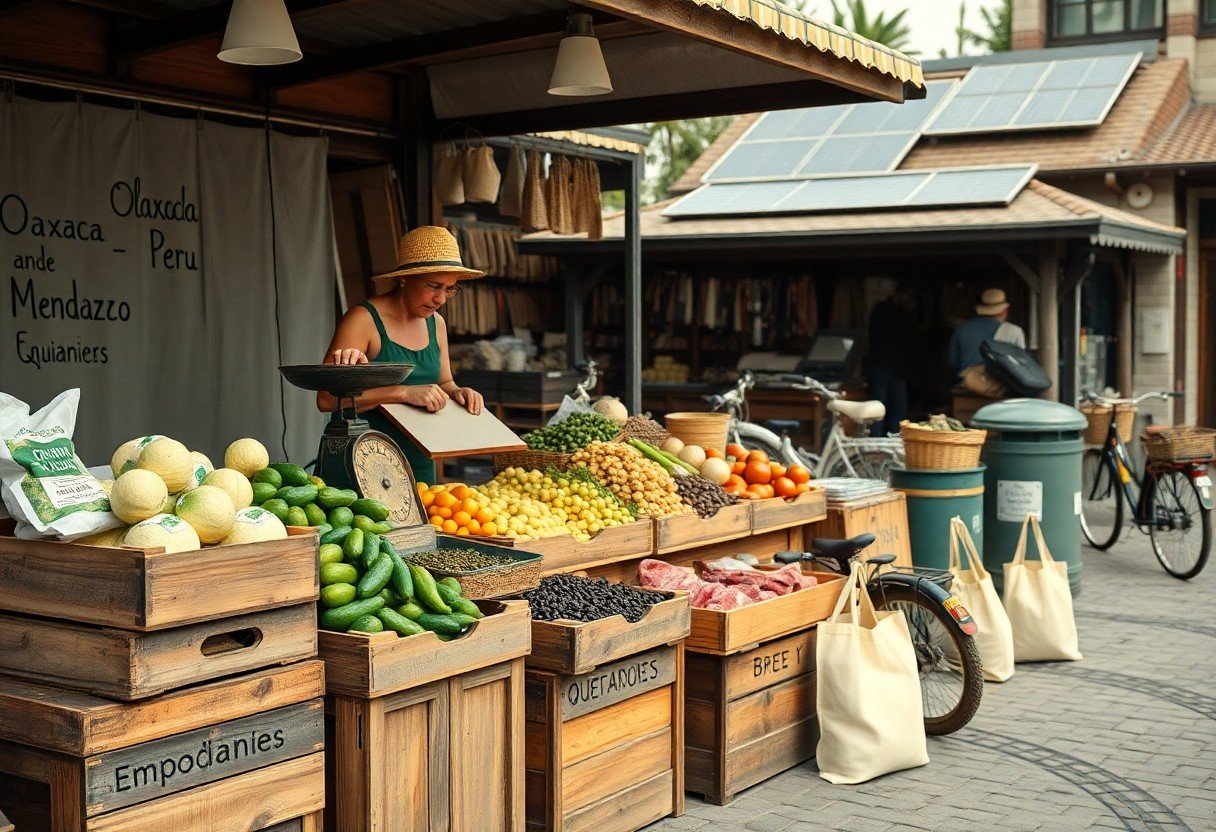
You can taste provenance when ingredients are at their peak: freshly nixtamalized masa from corn harvested within days transforms tortillas, coastal ceviche depends on fish sold the same morning at markets like Lima’s Mercado de Surquillo, and Andean herbs picked at dawn preserve volatile oils that define sauces; mishandling increases the risk of spoilage and foodborne illness, while sourcing nearby shortens transit time and preserves signature flavors.
Farming Practices Honoring Tradition
You see centuries-old systems still in use: milpa polyculture in southern Mexico mixes maize, beans and squash to sustain soil fertility; Andean terraces conserve moisture and support over 3,000 native potato varieties in Peru; Xochimilco chinampas supply fresh herbs to Mexico City, yet industrial monocultures drive soil erosion and pesticide dependence that threaten those legacies.
When you visit farming communities you’ll find concrete examples: the International Potato Center (CIP) in Peru catalogs and helps conserve more than 3,000 potato varieties, enabling seed sovereignty for highland farmers; Oaxaca cooperatives revive heirloom maize through seed exchanges and direct-market links; chinampa growers use organic compost and reed barriers to limit sediment loss-practices that enhance flavor and biodiversity while reducing reliance on synthetic inputs and the danger of chemical runoff.
Final Words
Considering all points, you can trace how ingredients, techniques, and climate shape dishes from Mexico to Argentina, guiding your palate through bold chilies, vibrant salsas, Andean grains, and Argentine asados. Use regional knowledge to seek authentic experiences and consult A Delicious Guide to South America’s Diverse Flavors to deepen your understanding and refine your culinary choices.
