
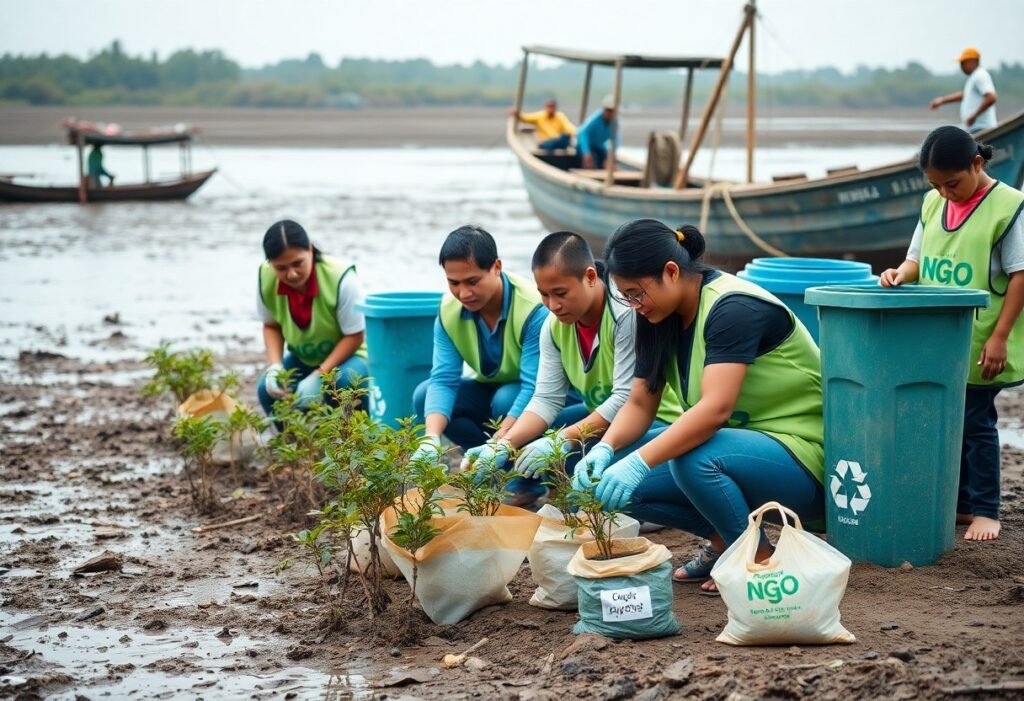
Impact starts when you choose volunteer travel that centers local priorities, invests in sustainable projects, and ensures skills-based support rather than opportunistic tourism; you protect communities by avoiding short-term, unskilled interventions that can cause harm and by verifying partner organizations, timelines, and accountability; by planning with respect for culture, environment, and local leadership you maximize benefits, safeguard vulnerable groups, and create lasting, positive change through your time and resources.
Key Takeaways:
- Center local leadership and needs by partnering with community organizations, following their priorities, and avoiding short-term fixes imposed from outside.
- Respect culture and environment by learning local norms, seeking informed consent for photos or activities, and minimizing ecological footprint.
- Commit to sustainable impact by offering skills-based support, planning for knowledge transfer, and measuring long-term outcomes rather than one-off aid.
Understanding Responsible Volunteer Travel
Definition and Importance
It centers on community-defined goals, transparent budgets, and long-term partnerships; best practice has majority local leadership and paid staff (often >50%), and placements of at least 2-4 weeks to ensure continuity. You should avoid short-term unskilled work that creates dependency and instead pick programs with measurable outcomes, community governance, and clear reporting so your time supports sustainable local priorities.
Benefits to Communities and Volunteers
Well-designed placements let you contribute skills-teaching, construction, public-health outreach-while communities gain capacity, services, and often new income from responsible tourism. Some programs report measurable gains such as reduced waterborne illness or higher school attendance; however, poorly designed short visits can disrupt markets or create dependency, so you should verify monitoring frameworks, local leadership, and transparent impact data before committing.
When evaluating benefits, look for concrete metrics: minimum volunteer stays of 4-12 weeks for teaching or community health, professional credential checks for medical work, local hiring rates (majority local staff), and annual evaluations tracking KPIs such as students reached, wells maintained, or hectares restored. For example, multi-year conservation programs commonly set tree survival targets above 70% and report progress to community councils, ensuring your contribution aligns with measurable, long-term results.
Choosing Ethical Volunteer Opportunities
When deciding on a program, prioritize partners that demonstrate local leadership, publish a clear budget, and show plans for sustainability; short-term, tourist-style placements often do more harm than good. You should favor organizations with multi-year relationships in the community, documented outcomes, and transparent fees so your time and money support long-term goals rather than creating dependency or unsafe practices.
Researching Organizations
Dig into an organization’s website, annual reports, and independent reviews; use platforms like Charity Navigator, GuideStar, or local NGO registries to verify status. You can contact past volunteers and, importantly, local partner organizations to confirm roles and impact. Look for evidence of staff composition (percentage of local staff), published monitoring data, and explicit policies against placing volunteers in unskilled clinical or technical roles.
Evaluating Project Impact
Focus on measurable outcomes: ask for baseline and endline data, beneficiary counts, and how the project advances local priorities. You should request examples of past evaluations, timelines for objectives, and whether projects build local capacity-training, maintenance plans, or handover schedules. Trusted organizations like Engineers Without Borders and Partners In Health often publish project reports you can review for concrete results.
Distinguish outputs (e.g., 3 wells built) from outcomes (e.g., 40% reduction in waterborne illness) and probe for long-term monitoring: are there follow-ups at 6-24 months, indicators for sustainability, and documented unintended harms such as increased local costs or dependency? You should insist on an exit strategy, local ownership metrics, and evidence that interventions align with national plans and community-defined indicators to ensure your contribution is genuinely beneficial.
Preparing for Your Volunteer Experience
Before departure, confirm logistics, health requirements, and how the project measures impact; you should review their leadership structure and published budgets. Use resources like Benefits of Volunteering Abroad to weigh outcomes. Complete vaccinations and safety protocols, secure travel insurance, and arrange background checks if working with children. Prioritize programs that align with local priorities to ensure your time creates a positive, lasting effect.
Necessary Skills and Training
You should obtain concrete skills before arrival: basic first aid (16-20 hours) and CPR, plus any role-specific certifications for medical, engineering, or education work. Allocate at least 20 hours for language basics and pedagogy if teaching, and practice manual-safety techniques for construction or water projects. Secure background checks and liability coverage, and confirm the program’s orientation schedule so your training matches community needs.
Cultural Sensitivity and Awareness
You must learn local greetings, dress codes, and common taboos to avoid misunderstandings that can damage trust. Study who holds decision-making authority and seek consent before photographing or collecting data. Focus on listening and supporting local leadership, and avoid saviorism while consistently showing respect for local norms.
Spend at least 14 days shadowing local staff before leading activities and aim to learn 30-50 basic phrases to build rapport quickly. Attend two community meetings to confirm priorities and ask elders or local leaders about taboos and acceptable behaviors. When decisions affect residents, defer to local partners and document consent practices-this prevents harmful assumptions and strengthens the long-term relationships your work relies on.

Engaging with Local Communities
Engage directly with elected leaders, elders, and youth groups before planning activities so your work reflects local priorities; for example, in community-led rebuilding after disasters, projects that began with a community needs assessment finished 30-50% faster. You should prioritize transparent budgets and shared decision-making, and avoid imposing short-term agendas that displace local efforts, while documenting agreements in writing to prevent misunderstandings.
Building Genuine Relationships
You should spend the first weeks listening: hold participatory meetings, conduct household surveys, and join everyday community activities to build trust. Use tools like transect walks and joint project timelines, invite feedback after every phase, and commit to at least one local liaison or mentor on your team so relationships persist after you leave. Genuine partnerships reduce duplication, increase uptake, and protect local leadership.
Sustainable Practices to Support Local Economies
You must prioritize hiring local staff, sourcing materials nearby, and channeling funds through community cooperatives; target spending at least 70% locally when feasible. Avoid offering free services that directly compete with local businesses, and structure volunteering to complement rather than replace paid roles. Practical steps include using local suppliers within a 50 km radius and including local procurement clauses in project budgets.
Operationalize sustainability by setting quarterly metrics: percent of budget spent locally, number of local hires, and revenue retained by community enterprises. For instance, create supplier lists, sign MOUs with two local cooperatives, and train at least two community members to take over roles within 3-6 months. Tracking these indicators prevents leakage of benefits and ensures economic resilience.
Reflecting on Your Experience
After your placement, map outcomes against the community’s stated goals: compare outputs like beneficiaries reached, volunteer hours logged, and funds spent to assess whether the work produced lasting positive change or uncovered unintended harms. Use tools such as beneficiary surveys, photo-evidence with consent, and simple metrics (e.g., water access restored for 200 households, 45 students enrolled) and consult the host partner. See How Volunteer Travel Creates a Positive Impact for practical frameworks and case examples.
Personal Growth and Learning
You should document concrete skills and insights gained-technical abilities, language phrases, or community engagement techniques-and link them to outcomes (for example, teaching methods that raised attendance by 12%). Track timelines: short placements (2 weeks) often build cultural awareness, while 3+ month stays usually produce measurable professional skill improvements. Highlight specific training you received and how you applied it to local priorities to demonstrate real value to future partners or employers.
Sharing Your Journey and Insights
You must share stories that amplify the community rather than center yourself: publish reports with numbers (e.g., 3 classrooms built, 60 hours of health education delivered), ask for written consent before posting photos, and avoid identifiable images of minors. Prioritize informed consent and data privacy to prevent harm while maximizing the positive reach of your experience.
When expanding your account, include a brief results section (outputs, beneficiaries, resources used), lessons learned, and concrete recommendations for future volunteers and partners-cite dates, counts, and follow-up needs. Provide copies to the host organization and community leaders, use anonymized case studies when necessary, and link to financial summaries. Emphasize next steps: whether the project needs maintenance, capacity training, or funding, and list contact points so your shared insights become actionable rather than just inspirational.
Summing up
Considering all points you can make a meaningful, lasting difference by choosing volunteer programs that prioritize local leadership, sustainable practices, transparency, and respectful cultural exchange. Assess organizations, set realistic expectations, invest in skills training, support local economies, and seek measurable outcomes so your time, skills, and funds amplify benefits for communities and ecosystems. By acting responsibly and holding programs accountable, you ensure your travel fosters empowerment, dignity, and long-term progress.
