
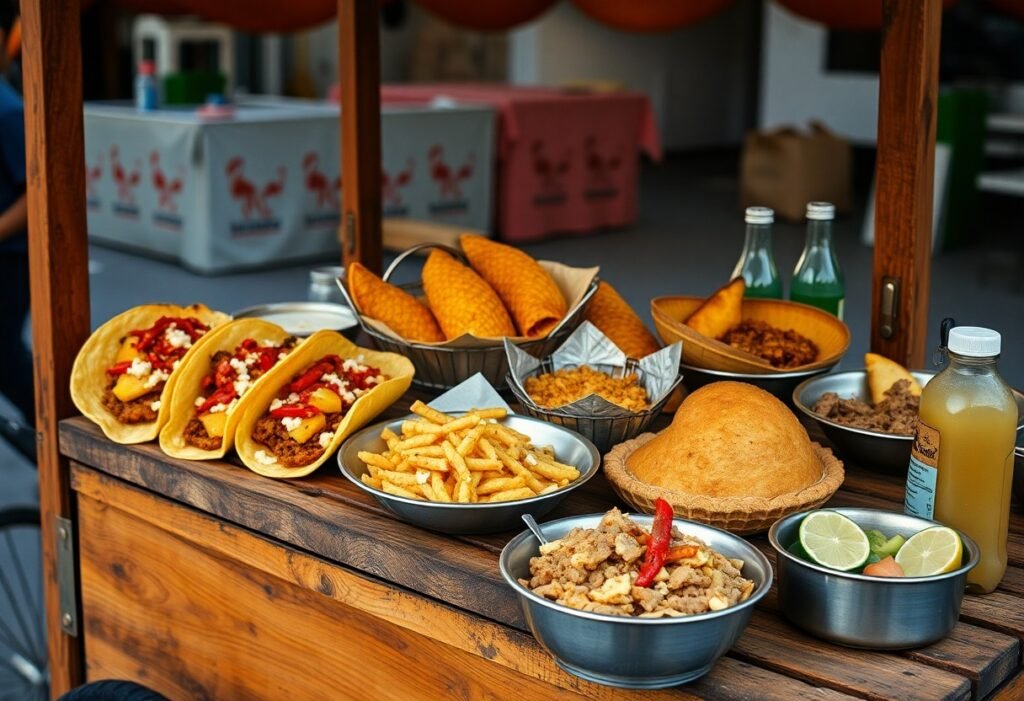
LatinAmerica’s street-food scene reveals how you can trace regional history through vibrant, region-defining flavors; you must learn traditional techniques and ingredient origins, watch for hygiene and food-safety risks when picking vendors, and embrace how these dishes provide affordable culinary heritage that sustains communities and shapes urban culture.
Key Takeaways:
- Local ingredients and age‑old techniques (nixtamalized corn, cassava, plantains, fresh chiles) produce the distinctive flavors and textures that define each street specialty.
- Vendors act as cultural stewards-preserving recipes, adapting to local tastes, and anchoring foods to community rituals and daily life.
- Economic constraints and creativity drive constant reinvention: seasonal sourcing, cross‑regional fusions, and scaling for tourists reshape traditions without erasing them.
The Rich History of Street Food in Latin America
Layers of pre-Columbian agriculture, colonial trade and migration shaped the stalls you visit today: maize was domesticated over 7,000-9,000 years ago and the Andes gifted the potato nearly 7,000 years back, while Spanish, African and Asian arrivals added new staples and techniques. You taste that fusion in items like tacos al pastor, arepas and ceviche, where indigenous preservation and colonial ingredients meet urban ingenuity.
Indigenous Influence
Indigenous staples such as maize, quinoa and the potato were transformed into portable street foods you still buy-tamales, arepas, pupusas and papas rellenas. Nixtamalization, developed in Mesoamerica, improved nutrition and made masa workable for tortillas, enabling mass production in markets; smoking, fermenting and drying methods preserved supplies across highlands and coasts, shaping vendor techniques you encounter daily.
Colonial Impacts
Spanish colonization introduced wheat and pork, cattle and dairy, so breads, empanadas and asados entered street repertoires; by the 17th century ranching had already reshaped diets in the Southern Cone and urban vendors sold quick beef snacks. You see Iberian recipes adapted with local chiles, corn masa and coastal seafood, producing regionally distinct street classics.
Trade and forced migrations amplified those changes: the Manila Galleon (1565-1815) brought Asian rice and spices to Pacific ports, while the transatlantic slave trade introduced millions of Africans whose frying and seasoning techniques created frituras and plantain-based snacks. Colonial market laws and plaza systems also directed how vendors operated, so your street-food map is the legacy of commerce, law and cultural exchange.
Popular Street Foods Across the Region
Vibrant stalls serve tacos, arepas, empanadas and anticuchos; a curated 22 Latin American Street Foods You Should Know About maps many staples. You’ll spot corn-based masa everywhere, vendors cooking to order, and busy queues as the best indicator of freshness; also be aware that hot oil and cross-contamination are real risks at crowded carts, so choose high-turnover stalls.
Tacos: A Mexican Staple
Street tacos rely on warm, soft corn tortillas piled with fillings like al pastor (introduced via Lebanese shawarma in the 1920s), carnitas, barbacoa and fish; you’ll often see the meat shaved from a trompo, sliced onto two small tortillas and finished with cilantro, onion and salsa. In many city taquerías a taco can cost under $1, making them both a daily habit and an accessible way to taste regional variations.
Arepas: The Heart of Venezuela
You’ll find Venezuelan arepas made from pre-cooked cornmeal-often harina P.A.N.-split and stuffed with fillings like reina pepiada (chicken and avocado), shredded beef or black beans; vendors grill, fry or bake them to order, delivering crispy exteriors and tender interiors that define their appeal.
Regional practice matters: many cities offer grilled (asada), fried (frita) and baked (al horno) styles, and coastal vendors stuff arepas with seafood while inland stalls favor cheese and pork. When you sample them, pay attention to texture-an ideal arepa has a crisp shell and steamy, moist crumb inside.
Empanadas: Southern Comfort
Empanadas appear across Latin America in two dominant forms: fried corn or wheat dough pockets common in Colombia and Venezuela, and the Argentine-style baked, folded pastries filled with beef, onion, egg and olives; you’ll encounter festival-sized versions and handheld snacks, with prices and fillings shifting by region and season.
Cooking technique shifts flavor and safety: fried empanadas deliver a crunchy exterior and hot filling-so be cautious when you bite-while baked variants offer flakier dough and regional spice mixes; you can trace local identity through fillings like humita (sweet corn), carne mechada or queso fresco.
Key Ingredients and Flavors
Across stalls you encounter a recurring toolkit: masa and arepa dough, black or pinto beans, plantain, fresh cilantro, lime, panela and a range of cheeses like queso fresco or cotija. Peru alone has over 3,000 native potato varieties, and you’ll see that diversity in papas rellenas and causas. Vendors lean on simple techniques – nixtamalized corn, wood-fire charring, quick pickles – to turn these staples into intensely local signatures you’ll recognize at first bite.
Spice and Heat
You’ll meet heat measured in Scoville terms: jalapeños and chipotles sit around 2,500-8,000 SHU, rocoto ranges roughly 30,000-100,000 SHU, and habaneros soar to 100,000-350,000 SHU. Street salsas balance that burn with lime, roasted tomatoes, or fruit-mango habanero or tamarind-while Peruvian ají amarillo provides fruity heat in ceviche and causa. Ask for “poco” or “sin” picante to tailor the punch to your tolerance.
Freshness and Quality
You rely on turnover: top stands restock produce daily, swap frying oil regularly, and source seafood landed that morning in coastal cities. In Lima many cevicherías use fish caught within 24 hours, and Mexico City tortillerías often press masa the same day. Watch for bright color, firm texture and vendors who prepare components in view-those are the signs your snack was handled with care, not left to spoil.
When assessing safety and flavor, look for visible practices: stocks kept on ice, stainless-steel prep surfaces, and high customer flow-busy stalls can sell 100-300 items per day, ensuring freshness. Avoid vendors with lingering odors or slimy fish, and favor those who change oil or sauces visibly; that simple transparency often predicts both the best taste and the lowest food-safety risk.
The Role of Street Food in Community Culture
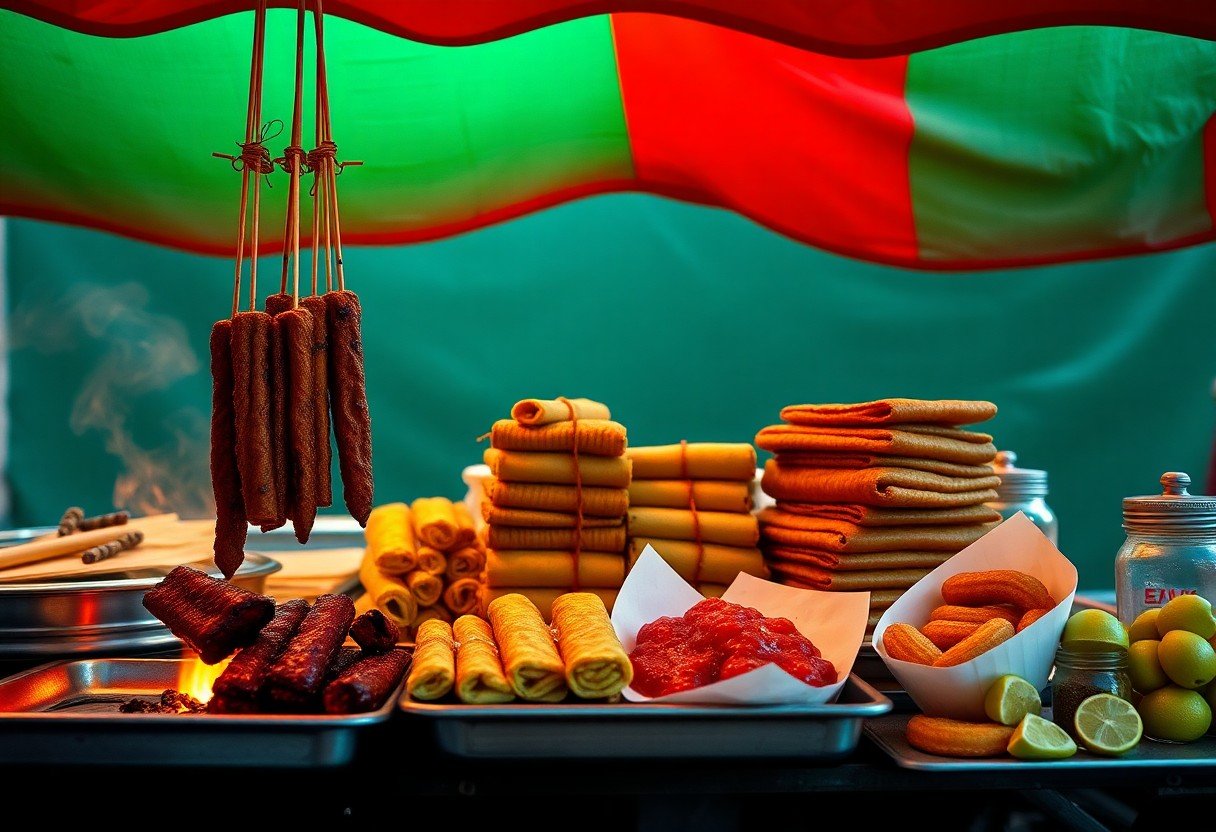
In neighborhood plazas and transit hubs, street food does more than feed you: it acts as a social anchor and an economic lifeline for thousands of vendors and their families. You witness daily rituals-from morning tamal stands to late-night taco carts-where recipes transmit across generations. For deeper context, see this Interview: Sandra A. Gutierrez on Latin American Street Food, which documents vendor networks and regional patterns.
Social Gatherings
When you queue at a stall during a festival or market day, you join more than customers: neighbors swap news, children trade snacks, and informal economies form around food. In plazas during Día de los Muertos or carnaval, vendors expand operations and lines of 50-200 people are common, turning a single stall into a temporary communal hub where shared plates and conversation bind neighborhoods.
Culinary Expression
Beyond convenience, street food lets you taste localized creativity: vendors riff on classics-ají amarillo-spiced empanadas in Peru, smoky anticuchos in Lima, regionally stuffed arepas in Colombia-so each bite signals a town, family, or even a single cook’s signature. These variations preserve identity while inviting experimentation.
You can watch that experimentation in practice: vendors often test new fillings, sauces or mash-ups-like plantain-wrapped hot dogs or fusion tortas-serving hundreds per day to gauge demand. Municipal festivals and night markets act as live R&D labs, and successful innovations frequently migrate to restaurants, illustrating how street kitchens shape broader culinary trends while keeping heritage techniques in everyday use.
Health and Safety Concerns
Ensuring Cleanliness
When you choose a stall, check visible hygiene: vendors who use separate cutting boards, gloves or tongs, and run hot water for dishes reduce cross-contamination. Studies show handwashing with soap can cut diarrheal illness by about 30-50%, so watch for vendors washing hands between tasks. Also note temperature control-hot foods held above 60°C (140°F) and cold items kept below 5°C (41°F) are much safer than food left at ambient heat.
Balancing Risk and Reward
You can enjoy bold street flavors while managing hazards: for example, ceviche’s acid lowers bacterial load but does not reliably inactivate viruses or some parasites, so pregnant or immunocompromised people should avoid it. Seek vendors who cook proteins to obvious doneness-charred meats or freshly fried empanadas are safer. High turnover stalls are a positive sign; busy vendors usually mean fresher ingredients and shorter time for bacterial growth.
To further weigh choices, you should scan for concrete cues: steaming pots, visible flames, and time-stamped packaging show active cooking. Ask when a batch was made-if a vendor says “just now” for fried or grilled items, that’s a real plus. Be cautious with ice or fresh-squeezed drinks unless the water source is bottled or treated, and avoid raw-milk cheeses and undercooked eggs to minimize risk.
The Future of Street Food in Urban Settings
As you navigate urban streets, the future of stalls blends tradition with tech: delivery giants like Rappi (founded 2015) and Uber Eats now list street vendors, expanding reach beyond neighborhood corners. Vendors adopt solar grills, biodegradable packaging and cashless QR payments, so you can order a taco or arepa from your phone. Municipal pilots to formalize carts aim to boost income and safety while night markets and festivals turn temporary stands into steady micro-businesses.
Trends and Innovations
You’ll notice chef-driven fusion at night markets, gourmet food trucks in Buenos Aires and Mexico City, and low-cost cloud kitchens that let vendors scale. Apps like Rappi (operating in 9 countries) and integrated payment platforms let you pay with your phone; vendors use solar units and compostable plates to cut costs and waste. Pop-ups and restaurant collaborations are converting regional street recipes into recognizable brands and packaged products.
Challenges Ahead
You’ll also encounter regulatory hurdles, gentrification and inconsistent enforcement that threaten livelihoods: informal vendors often lack access to credit, formal registration and waste-management support. Municipal crackdowns and noise ordinances can remove stalls overnight, and uneven inspections leave public health vulnerable where services are absent. Protecting street-food culture requires policies that balance urban planning with vendor rights.
In many cities you’ll see permit fees and license backlogs that push vendors into informality; sudden policy shifts have led to cart confiscations and fines, cutting incomes overnight. Supply shocks – for example, heat or drought that raises corn and plantain prices – increase costs for staples you rely on. Without training and reliable cold-chain access, the risk of food-borne illness rises, while rising rents and tourist-driven displacement erode long-standing culinary corridors.
Final Words
To wrap up, when you taste Latin America’s street foods your palate accesses generations of technique and local ingredients; understanding masa, marinades, charring, and fresh salsas reveals why simple recipes deliver deep flavor. As you explore regional variations and meet vendors, you’ll see how seasonality, community knowledge and rapid, skillful cooking turn humble stalls into culinary institutions you can recreate and honor.
