
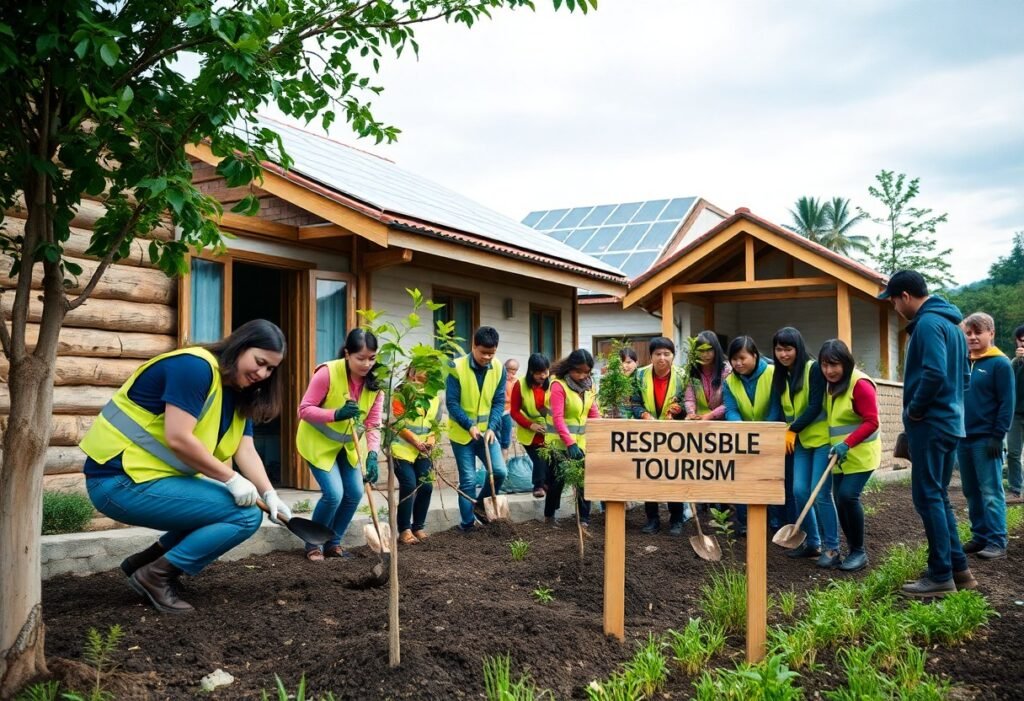
With careful planning and respect for local needs you can volunteer abroad responsibly; apply ethical standards, vet organizations to avoid programs with the potential to cause harm, and prioritize partnerships that deliver lasting benefits for communities and ecosystems while protecting your safety and cultural integrity.
Key Takeaways:
- Prioritize community-led needs and sustainability – choose projects that address locally identified priorities, build capacity, and avoid short-term fixes that create dependency.
- Select ethical programs with transparency and accountability – verify legitimate local partnerships, clear budgets and outcomes, proper visas, and favor skills-based placements over unskilled work.
- Practice cultural humility and minimize harm – learn local language and customs, follow host guidance, uphold child-protection and environmental standards, and evaluate long-term impact.
Understanding Responsible Tourism
When you choose a placement, prioritize programs that demonstrate measurable benefit to hosts and avoid ones that serve primarily as travel rewards for volunteers; read guides like How to Ethically Volunteer Anywhere in the World and vet partners for local leadership, transparent budgets, and long-term plans so your time produces positive, lasting impact rather than short-term spectacle.
Definition and Importance
Responsible tourism means you aim to minimize harm and maximize local benefit: support local jobs, respect cultural practices, follow local laws, and avoid creating dependency. If you teach, coordinate with existing schools; if you build, hire local labor. Avoid performing tasks beyond your qualifications-especially medical or legal work-since unskilled intervention can cause real harm.
Key Principles of Responsible Tourism
Focus on community-led projects, financial transparency, skills transfer, environmental stewardship, and monitoring outcomes. Seek programs with local governance, published budgets, and clear exit strategies; prefer placements that offer training and handover plans so your presence strengthens local capacity and reduces long-term reliance on outside volunteers.
In practice, verify five things before committing: local partner contact and decision-making power, evidence of past impact (reports or case studies), volunteer training protocols, clear use of funds, and post-project follow-up. Examples include education initiatives that hire and train local teachers or conservation projects that employ community members for long-term stewardship-both deliver sustainable benefits and mitigate the risks of dependency.
Selecting the Right Volunteer Program
You should prioritize programs that demonstrate long-term commitment to the community, transparent budgets and local leadership. Seek placements with clear timeframes-many reputable projects ask for at least 4-12 weeks-and beware of one-week “experiences” that can do more harm than good. Compare fees (typical ranges are $200-$2,500), ask for memoranda of understanding with local partners, and favor organizations that publish annual reports, impact data and staff who are primarily local hires.
Researching Organizations
You can verify legitimacy by checking registration, reading audited financials and contacting former volunteers. Use independent review sites, request references from local partners, and ask for examples of past projects with dates and measurable outcomes. Demand clarity on accommodation, insurance and supervision-if an organization resists providing a registration number, local partner contact, or examples of capacity-building, treat that as a red flag.
Evaluating Impact and Sustainability
You should look for programs that track measurable outcomes-numbers like beneficiaries served, local staff employed, or percentage improvements (e.g., school enrolment up 15-30%)-and have exit strategies so services continue after volunteers leave. Prefer initiatives focused on training, resource transfer and systems change rather than volunteer-dependent service delivery. Confirm whether they conduct regular monitoring and share results publicly.
Ask specific monitoring questions: how often are baseline and follow-up surveys done, who analyzes the data, and can you see a recent external evaluation? For example, a community health program that reports training 120 local health promoters and a 40% increase in immunization rates over three years shows stronger sustainability than a project that lists only volunteer hours. Watch for reliance on volunteers to fill permanent paid roles-if local jobs are routinely replaced by short-term volunteers, that’s a major warning sign.

Preparing for Your Volunteer Experience
Organize logistics well ahead: secure visas, confirm orientation dates, and request a written role description. You should allow 6-8 weeks for vaccinations, background checks and paperwork, and set a 10-15% contingency in your budget for unexpected fees. Contact past volunteers for practical tips, verify host organization accreditation, and get clear lines of communication about daily schedules, supervision, and exit plans before you book flights.
Cultural Competence and Sensitivity
Learn key local phrases (aim for 20-50), study dress codes and gender norms, and follow local gift and greeting etiquette; for example, remove shoes in homes in many Asian countries and avoid public displays of affection where inappropriate. Seek a cultural briefing from the host, practice active listening, and never photograph people without explicit consent to prevent harm and build trust.
Health and Safety Considerations
Visit a travel clinic and get recommended vaccines such as hepatitis A, typhoid, Tdap, MMR and yellow fever if required, and discuss malaria risk and prophylaxis options. Pack a first-aid kit, basic medications, and ensure you have medical and evacuation insurance ($100,000+ recommended). Confirm local emergency contacts and evacuation procedures with your program.
Pay attention to food and water precautions-use bottled or treated water, avoid raw street salads, and boil or filter water in high-risk areas to reduce waterborne illness. Use insect repellents with 20-30% DEET and sleep under nets where malaria or dengue are present; if you’re pregnant or have chronic conditions, check medication safety and on-the-ground medical capacity. Keep digital and paper copies of prescriptions, immunization records, and emergency contacts with you at all times.
Making the Most of Your Time Abroad
Maximize impact by focusing on depth over breadth: plan to stay at least 4-8 weeks so you complete a project cycle, hand over tasks, and measure outcomes. Use weekly check-ins with local supervisors, log hours and milestones, and agree on exit criteria up front. Track simple metrics-attendance, skills gained, materials delivered-to turn good intentions into verifiable results and avoid short-term tokenism.
Engaging with Local Communities
Engage by listening first: attend community meetings, shadow local staff for the first two weeks, and learn 50-100 key words of the local language to build trust quickly. Aim to participate in at least three community consultations in month one and seek joint decision-making on activities. Defer to local leadership, co-create plans, and avoid imposing solutions developed outside the community.
Reflecting on Your Experience
After each week, journal outcomes, collect basic metrics (attendance, materials used), and solicit feedback from beneficiaries using a 1-5 satisfaction scale; conduct an exit interview with at least five local stakeholders before you leave. Share findings with your host organization and funders, and avoid overstating your impact in public reports.
Compile a short post-placement report-one page of lessons learned, a log of hours and activities, photos with consent, and recommendations for next steps-then request a written response from the local partner. Schedule a 3-6 month follow-up check to assess sustainability, incorporate community feedback into future placements, and pass on practical resources or training materials you developed.
Ethical Considerations in Volunteer Work
When weighing placements, assess whether programs prioritize local leadership, skills-matching and longevity over short-term feel-good projects; short stints under three months often disrupt services and create dependency. You should consult resources such as 6 Ways to Ensure Ethical Volunteering Abroad and ask for measurable outcomes, budget transparency and evidence of community consent before committing your time and money.
Avoiding Volunteer Tourism Pitfalls
You must avoid placements that prioritize tourist experiences over community needs: for example, unskilled construction or orphanage volunteering can cause harm and exploitation when locals are sidelined. Insist on verifiable host organization credentials, background-checked staff, clear role descriptions and a plan showing how your presence fills a real skills gap rather than displacing paid local work.
Supporting Local Economies
You should ensure programs channel funds and opportunities into the host economy by hiring local staff, purchasing supplies locally and paying fair wages; aim to have a clear metric such as the percentage of program budget spent locally displayed publicly so you can evaluate impact at a glance.
Further, you can ask for specific indicators: the exact share of wages paid to local employees, number of local vendors contracted, and training hours provided to community members. Use those metrics-such as reporting that >50% of procurement is local or tracking yearly increases in local employment-to compare programs; prioritize organizations that publish audited budgets and case studies showing sustained economic benefit rather than short-term consumption by volunteers.
Resources for Responsible Volunteer Opportunities
Use curated resource lists, accreditation bodies, and local NGO directories to filter placements that match community priorities. You should cross-check program longevity, financial transparency and partner names; for example, established networks often show multi-year projects with measurable outcomes. Consult university programs, embassy lists, and platforms that publish monitoring reports so you can verify claims before committing; avoid roles lacking a written local partner or outcome metrics.
Recommended Organizations
Start by reviewing reputable NGOs such as the Peace Corps (more than 240,000 volunteers since 1961), VSO, Habitat for Humanity and Médecins Sans Frontières, which emphasize local leadership and capacity-building. You should favor organizations with published budgets, multi-year partnerships, and independent evaluations; favor those that hire local staff and disclose program impact data, and avoid short-term placements that ask you to perform professional services without credentials.
Online Platforms and Networks
Explore platforms like Idealist, VolunteerMatch, GoAbroad, Workaway and GlobalGiving to compare thousands of listings across countries and sectors. You should use filters for duration, skill requirements and verified local partners, read multiple reviews, and check whether listings include contact details for host organizations; platform aggregation is useful but not a substitute for direct verification.
Dig deeper by requesting a written role description, recent M&E reports and contact info for a local partner or past volunteer; if the listing cannot provide these, treat it as a red flag. You should ask for concrete outcome data-numbers of beneficiaries served, project timelines, and exit strategies-and insist on a clear refund/cancellation policy; never proceed without a written agreement and local partner confirmation.
Summing up
Presently you can ensure your volunteer abroad experience aligns with responsible tourism by prioritizing community-led projects, verifying transparent organizations, minimizing environmental impact, and investing in local capacity building; by asking targeted questions and respecting cultural norms you protect host communities and enhance lasting benefits, and by planning ethically you transform goodwill into sustainable outcomes that reflect accountability and mutual benefit for you and the places you visit.
