
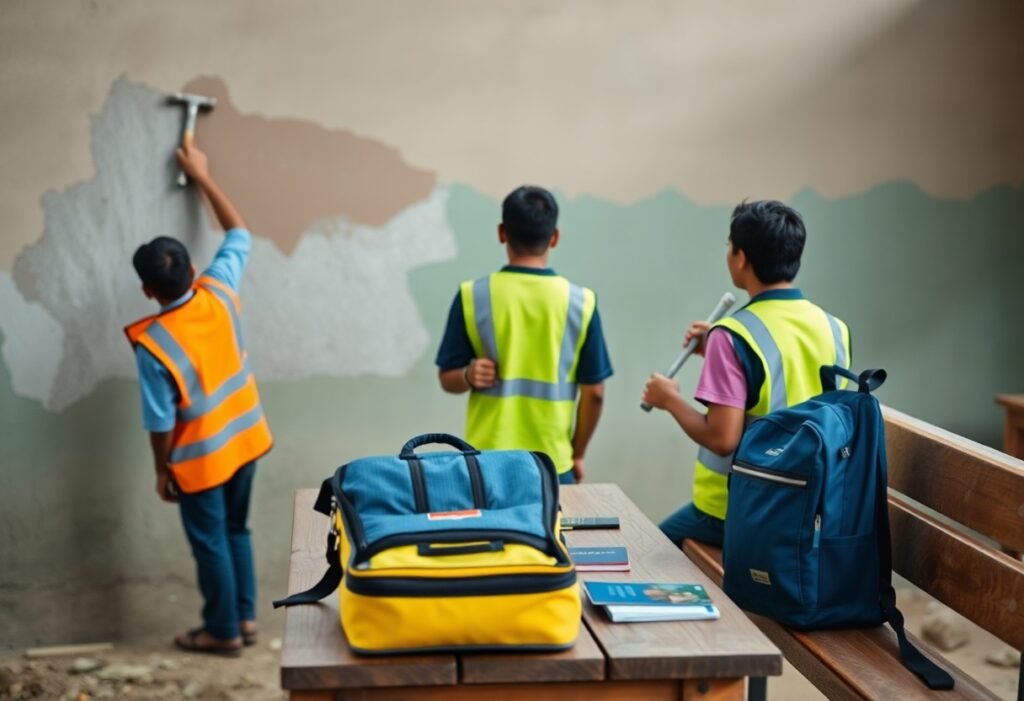
Travel will expose you to unpredictable conditions, language barriers, and logistical challenges, but it will also offer meaningful impact and profound personal growth; ensure your vaccinations, insurance, and local contacts address health and safety risks, plan realistic expectations, and budget for delays. Read a personal account at How Volunteering Abroad Changed My Life to see practical lessons and preparation tips.
Key Takeaways:
- Expect cultural and logistical adjustment – learn basic language and local customs, stay flexible and open-minded.
- Prepare practical details: visas, vaccinations, travel insurance, clear arrangements for housing, meals, and safety.
- Set realistic impact and time expectations: short placements often support local efforts rather than solve systemic problems; prioritize collaboration with local partners.
Understanding Volunteer Opportunities
As you explore programs, vet organizations for legitimacy, transparent costs, and clear outcomes; check host-country entry and safety guidance like Volunteering Abroad | Travel.State.gov for evacuation and legal notes. Prioritize placements that list measurable impact (school enrollment increases, hectares reforested) and clear supervision, since inadequate oversight can create harm despite good intentions.
Types of Volunteer Programs
You’ll find models from short-term skill swaps to long-term professional placements: each has trade-offs in cost, impact, and time commitment. Programs commonly include community education, healthcare, conservation, construction, and remote micro-volunteering. Short-term trips (2-4 weeks) suit busy schedules; long-term roles (3-12 months) deepen outcomes. Knowing which model fits your availability and goals will narrow your choices.
- Community development
- Teaching / TEFL
- Medical / clinical
- Conservation & environmental
- Skilled trades & construction
| Program type | Typical duration & notes |
| Community development | 4 weeks-12 months; often requires cultural orientation and local partner coordination |
| Teaching / TEFL | 2 weeks-1 year; many schools prefer TEFL certification (120 hours) for classroom roles |
| Medical / clinical | 2 weeks-6 months; demands licensed credentials and strict supervision for patient care |
| Conservation | 1 week-6 months; seasonal fieldwork with physical demands and environmental permits |
| Skilled trades | 2 weeks-12 months; useful if you have certified skills (electrician, plumber, builder) |
Determining Your Interests and Skills
Start by listing your top three strengths (for example: teaching, first aid, project management) and pairing them with causes you care about; if you’re a nurse, expect clinical roles to require licensure and strict supervision, while language skills let you contribute immediately in community programs.
Use a simple exercise: rate each skill 1-5, identify geographic preferences, and check required certifications-TEFL 120-hour for teaching, professional license for medical work, or background checks for child-focused roles. Seek placements with measurable goals and local oversight; a clear match between your skills and the program reduces harm and increases sustainable impact.

Preparing for Your Volunteer Experience
Before you depart, sort visas, vaccinations, and insurance well ahead: apply for tourist or volunteer visas 6-8 weeks before travel, get recommended shots (hepatitis A, typhoid, routine; yellow fever where required), and buy travel insurance that includes medical evacuation. Save digital and printed copies of your passport, emergency contacts, and program paperwork. Enroll in your government’s travel registry, download offline maps and language apps, and confirm arrival logistics with your host to avoid last-minute surprises.
Researching Travel Logistics
Book flights 8-12 weeks in advance to cut costs by ~20-30% and check baggage rules (many airlines allow 23 kg checked, 7-10 kg carry-on). Verify visa-on-arrival rules, required onward tickets, and local entry protocols. Plan airport pickup or a vetted taxi; late-night transfers in remote areas can be unsafe, so arrange host pickup when possible. Also secure a local SIM or eSIM and preload emergency cash in local currency for the first 48 hours.
Packing Essentials for Volunteering
Pack durable, multiuse items: sturdy, closed-toe shoes, 2-3 quick-dry shirts, a lightweight rain jacket, headlamp, power bank, universal adapter, compact first-aid kit, work gloves, and insect repellent (DEET). Bring photocopies of documents and a waterproof pouch. Prioritize water safety-carry water purification tablets or a filter-and include sunscreen and any prescription meds in your carry-on for immediate access.
More specifics: bring 2 pairs of heavy-duty pants, 1 pair of sandals, a 20-30L daypack, compression sacks, and a 20,000 mAh power bank. Pack a basic antibiotic and antidiarrheal after consulting a clinician, keep a 2-month supply of prescriptions, and store scans in cloud storage plus physical copies in a separate bag. Secure valuables with a small lock and aim to keep checked luggage under 23 kg to avoid overweight fees.
Cultural Awareness and Adaptation
As you settle into daily routines, expect subtle social signals to guide behavior: learn 50-100 basic phrases, note greeting sequences, and match local meal and sleep rhythms. Carry a translation app and a paper copy of emergency contacts; pack water purification tablets if advised. Prioritize observing before acting, since misreading body language or refusing customary hospitality can damage trust quickly, while a 2-4 week observation window often speeds effective adaptation.
Understanding Local Customs
Notice concrete etiquette: in Japan you remove shoes indoors and avoid loud phone calls, in India many people eat with the right hand, and in parts of Latin America a single cheek kiss replaces a formal handshake. Ask your host family about dress codes and religious calendars before attending events. Steer clear of behaviors that might offend-public displays of affection, photographing people without permission-and use a short cultural checklist to guide daily choices.
Building Relationships with Local Communities
Start by listening: attend community meetings, volunteer alongside local staff, and identify a local mentor or liaison. Spend the first 10-14 days on observation and basic tasks rather than leading programs. Be mindful of imposing solutions; co-created plans and steady presence produce better outcomes. When you exchange skills-teaching, renovating, or facilitating-you build trust that enables more meaningful, long-term collaboration.
Strengthen connections with measurable steps: attend at least three community gatherings in your first month, request weekly feedback from local coordinators, and commit to teaching one transferable skill per month. Prioritize partnerships with community-elected leaders and fund locally decided materials instead of unilateral purchases. Avoid one-off volunteer blitzes; consistent, respectful presence typically generates higher participation and sustainability than short-term fixes.
The Impact of Volunteering Abroad
Expect tangible outcomes: you often log 100+ hours on a placement and return with measurable skills, while communities see concrete changes-after the 2015 Nepal earthquake, international volunteers helped reopen dozens of schools within months. You’ll witness both quick wins and longer-term shifts in health, education, or infrastructure, and you should weigh immediate benefits against potential risks like dependency or poorly planned interventions.
Personal Growth and Skill Development
You’ll gain practical abilities-project management, basic construction, or teaching-that employers value, and immersion accelerates language learning: many volunteers reach conversational fluency in 3 months with daily practice. Hands-on roles let you log specific achievements (for example, leading a team to renovate a clinic or delivering 200+ hours of lessons), which you can quantify on résumés and discuss in job interviews.
Contribution to Local Communities
You can directly affect access to services by helping build or maintain facilities: teams sometimes install boreholes that serve 2,000 people or refurbish schools enrolling hundreds of children. Working alongside local partners increases relevance, while poorly coordinated efforts may create overlap or strain local resources-watch for clear handover plans and local leadership in project design.
More impact comes when you support local capacity: prioritize projects with defined monitoring, local employment targets, and sustainability plans. For example, programs that train community technicians and transfer maintenance budgets have a higher survival rate than short-term builds alone. Ask for metrics like follow-up visits, local job creation numbers, and turnover rates to confirm that your work will deliver lasting benefit rather than temporary fixes.
Health and Safety Considerations
Plan health and safety into your schedule: check regional disease threats, pack a compact first-aid kit, and buy travel insurance with medical evacuation coverage. Ask your host about on-site protocols and read resources like 8 Things to Know Before Short Term Volunteering Abroad. Factor in rest days, hydration, and an emergency fund for unexpected medical costs.
Vaccinations and Medical Preparations
Get vaccines at least 4-6 weeks before departure: routine (MMR, tetanus), hepatitis A, typhoid, and region-specific shots like yellow fever or rabies (rabies pre-exposure is a 3‑dose series on days 0, 7, 21-28). Start malaria prophylaxis as prescribed-most regimens begin 1-2 days or 1-2 weeks before travel depending on drug class-and carry a 30‑day supply of prescriptions plus a digital health summary.
Staying Safe While Volunteering
Secure your daily routine: live where the program recommends, avoid solo night travel, and use hotel-approved or app-based taxis. Keep both digital and paper copies of your passport and insurance, and establish a daily check-in schedule with your coordinator. Learn local emergency numbers and the nearest hospital location so you can act quickly if an incident occurs.
Practical steps reduce risk: register with your embassy or consulate for 24/7 assistance, enable location sharing with a teammate, and carry a charged phone with offline maps and a local SIM. Programs that enforce buddy systems and regular check-ins typically see fewer safety lapses, so insist on clear emergency protocols before you arrive.
Managing Expectations
When you arrive, plan for a steep learning curve: placements commonly run 2-12 weeks and volunteers often log 100+ hours, so pace yourself. Expect fluctuating schedules, limited materials, and that impact is usually incremental – for example, a health volunteer might run three vaccination days and reach a few hundred people over six weeks. Adjust your personal goals to match local capacity and build a 2-4 week buffer for training and relationship-building.
Challenges You May Encounter
Language barriers, local bureaucracy, and supply shortages are frequent hurdles that can delay outcomes. Cultural misunderstandings may affect project buy-in, while scope creep can push you into tasks outside your role. Also be aware of health and safety risks – malaria, unsafe drinking water, and road hazards are common in some regions – so get targeted vaccinations, travel insurance, and an emergency plan before departure.
Celebrating Small Victories
Noticeable progress often comes in small steps: teaching one lesson to 20 children, repairing a pump that serves 150 households, or training five local staff who then repeat the work. Those micro-successes build trust, are easy to document with photos or attendance lists, and provide real momentum for longer-term goals; treat them as measurable wins rather than temporary fixes.
Track successes deliberately: log 1-3 daily wins, take before/after photos, and record simple metrics like attendance, number of beneficiaries, or supplies distributed. In practice, programs that track these metrics often show clear short-term gains – for example, attendance up by 10-20% or a single repaired clinic serving dozens weekly – and that data helps secure future funding and community support.
Summing up
As a reminder, when you volunteer abroad you should expect to navigate cultural differences, adapt to basic living conditions, handle logistical and legal requirements, commit time and emotional energy, and engage in ongoing learning; your impact may be gradual rather than immediate, and strong communication, flexibility, and ethical awareness will maximize benefits for you and the community.
