

Just prepare thoroughly before you go: get necessary vaccinations and travel insurance, research local laws and customs, and secure reliable contacts; anticipate safety risks such as disease, political unrest, and travel delays and plan contingencies. Learn basic language phrases, set clear goals with your host organization, and respect cultural norms. Prioritize health, safety, and ethical behavior while embracing the deep personal growth and meaningful impact your service can bring.
Key Takeaways:
- Do pre-trip research on culture, basic language phrases, and logistics (visas, vaccinations, insurance).
- Set realistic expectations by focusing on listening, long-term impact, and clear, measurable project goals instead of quick fixes.
- Prioritize respect and adaptability: follow local leadership, adhere to community norms, and remain flexible to changing needs.
Understanding Global Volunteering
When you choose a program, note that opportunities span short-term (2-12 weeks), mid-term (3-6 months) and long-term placements, and fees commonly range from $200-$3,000 depending on accommodation and support. Expect tasks from teaching to construction; verify visas, insurance and local partner credentials. For practical tips and packing advice see 23 Tips For Making The Most of Your Volunteering Abroad ….
What is Global Volunteering?
You engage directly with communities to fill gaps in education, healthcare or conservation; common examples include teaching English in Peru, building water systems in Uganda, or supporting marine surveys in Thailand. Projects typically host 5-30 volunteers per site and run with local NGOs, so you must align your skills with the partner’s goals to ensure real benefit.
Benefits of Volunteering Abroad
You grow practical skills-project management, language fluency and cross-cultural communication-and often return with a stronger CV and professional references. Short placements of 2-12 weeks let you test sectors; longer stays allow deeper impact and leadership roles. Employers and graduate programs frequently value demonstrated initiative and adaptability, so your experience can open doors.
To maximize impact, you should favor programs that set measurable outcomes-baseline and follow-up surveys over 6-12 months, local staff hiring, and training for community members. Beware that poorly designed short-term projects can create dependency or duplicate services; choose placements with clear exit plans, budget transparency, and evidence of sustained benefit so your time genuinely strengthens local capacity.
Preparing for Your Volunteer Experience
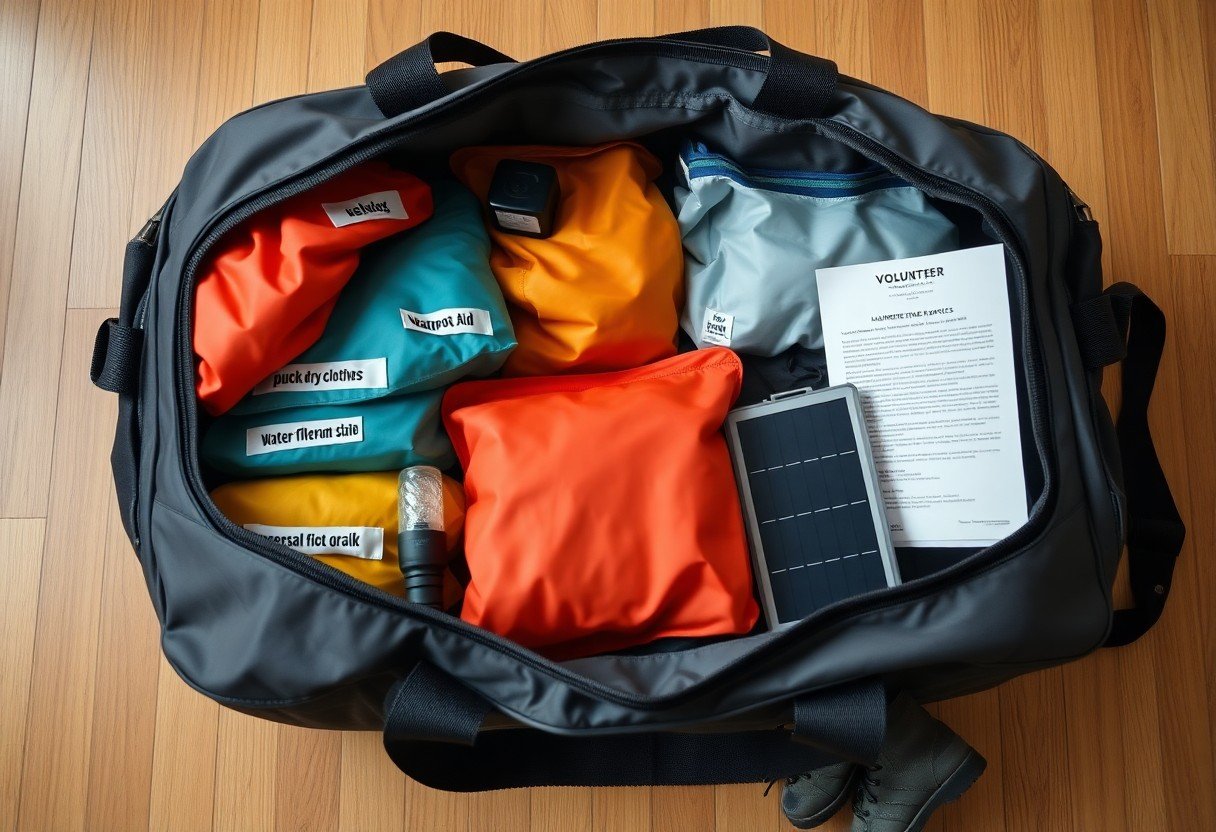
Before you leave, map out a clear timeline for vaccines, visas, insurance, and training so nothing is rushed. Allocate at least 6-8 weeks for paperwork, schedule language practice sessions, and set measurable goals for the placement (hours per week, expected outcomes). Keep a shared itinerary with your emergency contact and program coordinator, and confirm local pickup details so you arrive with secure logistics and fewer surprises.
Researching Organizations
Dig into accreditation, local partnerships, and impact metrics: ask for 2-3 volunteer references, review independent ratings on platforms like GuideStar or local NGOs, and request a budget breakdown showing how funds are used. If an organization can’t provide references or a clear safety plan, treat that as a red flag-unvetted programs have left volunteers unsafe and projects ineffective.
Necessary Travel Preparations
Get recommended vaccinations (Hep A, typhoid, tetanus; yellow fever where required), confirm passport validity of at least 6 months, and obtain travel insurance with minimum <$100,000> emergency medical and evacuation coverage. Allow 4-6 weeks for visas or immunization schedules, pack a basic first-aid kit, and check national travel advisories so you arrive medically and legally prepared.
Bring both physical and digital copies of passports, visas, insurance policy, and emergency contacts; register with your embassy and save the local hospital address and GPS coordinates. Carry a local SIM or eSIM for communication, two emergency contacts (one local host, one at home), and practical gear like a mosquito net and 30%+ DEET repellent for areas with malaria or dengue risk. These steps cut response time if something goes wrong and keep your placement productive.
Cultural Sensitivity and Adaptation
Adapting quickly means observing small signals: how people greet, dress, and handle personal space. Pay attention to examples like removing shoes in homes across Japan, Nepal and many Southeast Asian households, or avoiding public displays of affection in conservative regions. Carrying a local custom guide helps prevent accidental insults and, in some countries, legal trouble. When you follow norms, you’ll build trust faster, often resulting in better access to community projects and invitations into local homes.
Understanding Local Customs
Study specific practices before arrival: use your right hand for eating and exchanging money in parts of India and West Africa, and note that tipping expectations vary-about 15-20% in the U.S. but rarely expected in Japan. Observe dress codes at religious sites: covering shoulders or knees is common in many places. Ask a local coordinator for dos and don’ts; following these simple rules prevents faux pas and shows respect for daily life.
Learning the Language
Learn core phrases-greetings, thank-you, apology, and emergency lines-so you can open doors and de-escalate issues; aim for about 50-200 words and 20-50 phrases before departure. Use apps like Duolingo or Memrise for vocabulary, and download Google Translate offline packs. Practicing pronunciation with locals for 10-20 minutes a day turns basic phrases into genuine rapport and demonstrates effort more than fluency.
Structure a 4-week plan: spend 15-30 minutes daily on flashcards (Anki) to learn 200 high-frequency words, plus role-play five scenarios-directions, food orders, medical help, introductions, and bargaining. Record yourself and compare to native speakers, then test phrases with neighbors or hosts. Always keep an offline translation app and a pocket phrasebook; in an emergency, knowing how to say “help,” “I need a doctor,” or the local word for police can be the difference between quick assistance and dangerous delay.
Safety and Health Considerations
Health Precautions
Arrange both routine and country-specific vaccines 4-6 weeks before travel (yellow fever proof often required), secure travel insurance with medical evacuation, and carry your regular prescriptions plus a basic first-aid kit. Use treated or bottled water, avoid high-risk raw street foods, and in malaria zones take prescribed prophylaxis and sleep under insecticide-treated nets. The optimal preparation window is 4-6 weeks before departure.
- Vaccinations
- Malaria prophylaxis
- Water safety
- Travel insurance
Personal Safety Tips
Keep situational awareness by scanning surroundings, mapping safe routes, and avoiding isolated areas after dark; choose licensed taxis or vetted rideshares over unmarked vehicles. Store digital and physical copies of your passport, register with your embassy when possible, and know the local emergency number (e.g., 112 in the EU). The simplest habit that prevents most incidents is to tell someone your plan before you leave.
- Situational awareness
- Licensed transport
- Emergency contact
- Document copies
For higher-risk placements implement a buddy system, set scheduled check-ins every 12-24 hours, and carry a local SIM or satellite communicator in remote areas; use anti-theft packs, waterproof document sleeves, and limit visible electronics-one NGO cut petty theft after introducing uniform bags and nightly room checks. Keep your itinerary shared with a trusted contact and establish a clear escalation chain with local partners. The practical measures that reduce incidents are regular check-ins and predictable routines.
- Buddy system
- Local SIM / check-ins
- Anti-theft measures
- Predictable routines
Making the Most of Your Experience
You maximize impact by setting measurable goals-aim for 3 weekly objectives, practice the local language 30 minutes daily, and log one new skill per day. Spend at least one afternoon per week with host communities, request feedback from supervisors every two weeks, and track hours and outcomes to build a portfolio. Be mindful of safety: carry local emergency contacts and a simple evacuation plan. For additional practical ideas, see Tips for Volunteering Abroad.
Building Connections
You should purposefully meet locals and fellow volunteers: introduce yourself to at least 3 community members in the first two weeks, attend weekly market days or meetings, and offer skill exchanges like language lessons or teaching workshops. Use follow-ups within 48 hours-exchange contact details and send a quick message to keep momentum. Strong local ties often lead to long-term collaborations and measurable outcomes.
Documenting Your Journey
Keep a concise daily log: spend 10 minutes recording activities, the skill applied, and one impact metric (for example, 12 children taught or 3 infrastructure repairs). Photograph progress only with consent-never share images of minors without written permission. Back up files daily to both cloud and an external drive to prevent loss; this record strengthens applications and reports.
You should adopt a consistent filing system: name photos and notes as YYYYMMDD_location_activity (e.g., 20260115_Makeni_health_clinic), tag entries with 2-3 skills demonstrated, and write 1-2 sentence captions noting outcomes and beneficiaries. Compile monthly summaries with hours, measurable results, and supervisor comments for a portfolio PDF you can use with employers or funders, and store copies in encrypted cloud folders when handling sensitive data.
Summing up
Considering all points, you should plan thoroughly, respect local customs, secure necessary paperwork and vaccinations, set realistic expectations, and build flexible communication with host organizations; consult Preparation Tips on How to Volunteer Abroad to refine your checklist so your experience benefits hosts and develops your skills professionally and personally.
