
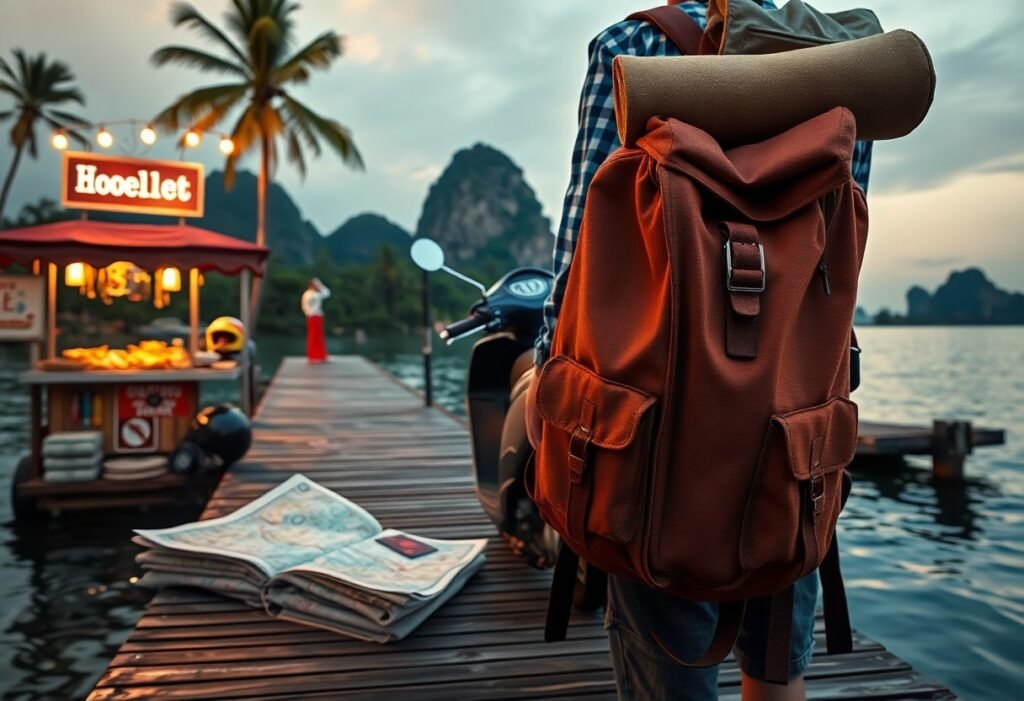
Most of your savings come from choosing street food, buses and guesthouses, so you should plan an itinerary that balances pace and cost. In this guide you’ll learn how to stretch your funds, avoid common scams and stay safe; carry copies of documents, watch out for petty theft and prioritize travel insurance. Use local routes and low-season dates to find deals and consult this Southeast Asia Backpacking Guide: Itinerary, Travel … for sample routes and tips.
Key Takeaways:
- Plan a flexible, slow itinerary and favor overland travel and off‑peak timing to cut costs and deepen experiences.
- Use local transport, street food, budget hostels or guesthouses, and negotiate fares to stretch your daily budget.
- Carry a local SIM, basic travel insurance, vaccinations where needed, and a small emergency fund to avoid costly setbacks.
Types of Backpacking Experiences
| Experience | Where & Typical Costs |
|---|---|
| Party & Social trails | Bangkok, Koh Phangan – dorms $6-12/night; drinks $1-3; watch for pickpocketing |
| Slow Cultural immersion | Chiang Mai, Luang Prabang – homestays $8-20/night; cooking classes $10-25 |
| Digital Nomad setups | Bali, Bangkok – co‑working $3-12/day; monthly rentals $150-400 |
| Adventure & Nature trails | Sapa, Borneo, Rinjani – guided treks $25-80; diving $30+/dive; monsoon hazards |
- You can choose budget hostel hopping for cheap nights and local food.
- You can favor slow travel to learn languages, volunteer, or take courses.
- You can mix work and travel as a digital nomad to stretch longer stays.
- You can chase adventure with multi-day treks, diving, and wildlife tours.
Budget-Friendly Options
You will find cheap hostels for $5-12/night, street meals for $1-3, and overnight buses that save both time and cash; many travelers keep daily costs under $20 by using local transport and markets, but be wary of scams at tourist hubs and protect valuables in crowded areas.
Adventure and Nature Trails
You can trek in Sapa, kayak in Halong Bay, or dive in Sipadan with guided packages typically $25-80 for treks and $30-150 for diving courses; bring durable gear, check seasonal closures, and expect varying trail difficulty and weather risks.
For richer planning, note that Sapa multi-day treks often use local guides for $25-40 and require sturdy boots; Mount Rinjani permits and guides average $60-120 depending on route and group size, while Borneo jungle trips for orangutan viewing cost $40-100 plus park fees – wildlife encounters are a highlight but also mean following strict safety and conservation rules to avoid fines or risky interactions.
After you plan routes and priorities, consult this resource: Budget Backpacking SE Asia on $500 a Month: The 2025 Guide
Essential Tips for Budget Travel
When you plan routes, mix budget travel tactics: book occasional cheap flights but favor overland travel where buses and trains cut costs by 20-50%. Choose hostels with kitchen access, eat street food for $1-3, and split larger expenses like scooter rentals. Carry photocopies of your passport, stash cash separately, and watch for common scams and pickpocketing in markets. The fastest way to stretch a budget is to slow down and book multi‑day stays.
- You can shave baggage fees by packing light and using a 7-10kg carry-on to avoid airline charges.
- You should compare Hostelworld, Agoda, and local Facebook groups for last‑minute hostel deals.
- You’ll save by eating at markets where meals cost $1-3 and by buying fruit for snacks.
- You can use night buses or sleeper trains to save a night’s accommodation ($8-15 typical).
- You’ll get discounts by negotiating weekly rates for homestays and longer hostel bookings.
Finding Affordable Accommodations
You can score dorm beds for $4-12 per night by checking Hostelworld, Agoda, and local booking sites; ask for a discount when booking 5+ nights-many guesthouses offer 10-20% off. Prioritize places with kitchen access, lockers, and good Wi‑Fi, and always verify reviews and host IDs to avoid scams. The best bargains show up mid‑week and off‑season.
Saving on Transportation
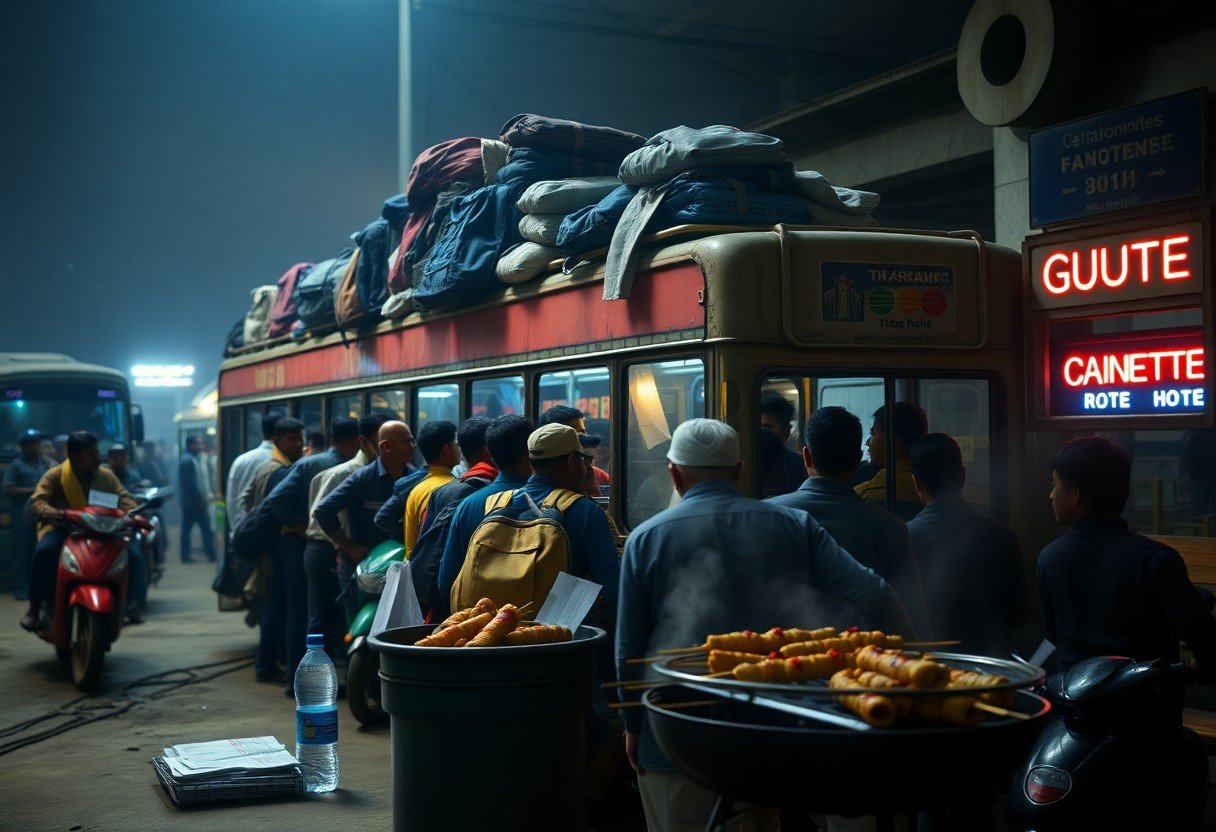
You save most by choosing night buses ($8-15) and sleeper trains (Bangkok-Chiang Mai ~600 THB/$18), which cut accommodation costs and maximize daylight for activities. Book 12-48 hours ahead for popular routes, check for seat belts and AC, and prefer established operators reviewed on 12Go.asia. The tradeoff is comfort versus price-balance an overnight coach against a short flight when time is tight.
You should compare routes and prices on 12Go.asia and local terminals; expect 8-12 hour coach rides to cost $10-25. Minivans save time but have higher accident reports, so choose larger coaches for long distances and verify the operator’s safety record. For island hops, morning ferries are calmer and cheaper than high‑speed boats, and booking a day earlier often drops the fare by 10-20%. The small premium for reputable operators usually reduces delays and risk.
Step-by-Step Planning for Your Trip
Start by mapping time, budget and entry rules: many SEA countries offer 15-30 day visa‑free or visa‑on‑arrival windows (Thailand 30, Cambodia 30 with ~$30 fee, Vietnam e‑visa 30 days). Aim for $20-35/day depending on pace, plan seasonal travel (dry Nov-Feb vs monsoon May-Oct), and build in 3-7 buffer days for delays or cheaper overland hops. Prioritize safety choices-avoid nighttime motorbike rides in rural areas because of higher accident risk.
| Planning Step | What to do (examples) |
|---|---|
| Budgeting | Set a per‑day target ($20-35), use an app to track expenses, prebook first 2 nights to avoid costly last‑minute stays. |
| Timing & Season | Choose dry season for islands and trekking; expect cheaper rates and fewer crowds in shoulder months (Apr, Oct). |
| Transport & Visas | Favor buses/trains to save $50-200 vs flights; check e‑visa rules and overland border hours ahead. |
| Accommodation | Mix hostels ($5-12 dorms) and guesthouses; book key nights (arrival, festival dates) and stay flexible elsewhere. |
Creating an Itinerary
Plan realistic travel legs: allocate 1-3 weeks per country depending on size-e.g., Thailand 3 weeks (Bangkok 3, Chiang Mai 4, islands 7), Laos 7-10 days, Vietnam 2+ weeks north to south. Use overnight buses or trains for savings and to avoid lost daytime; expect typical bus runs of 6-12 hours and regional flights from $30-120. Build in rest days and a contingency day for border delays or cheap flight deals.
Packing Essentials
Keep your bag light-target under 10-12 kg carry‑on. Bring 3 quick‑dry shirts, 2 bottoms, a lightweight rain jacket, sturdy sandals plus closed shoes, a 20,000 mAh power bank, universal adapter, compact first‑aid kit, photocopies of passport, and a lockable daypack. Prioritize items that dry fast, protect from sun/mosquitoes, and secure your valuables.
For finer detail, pack three moisture‑wick shirts, two pairs of convertible pants, one warm layer, and a thin zippered rain shell; add a small dry bag for electronics on boat trips and a padded case for your phone/camera. Use a money belt or hidden pouch to mitigate theft risk, carry varying cash amounts in local currency plus one backup card, and keep photocopies of your passport and insurance in both cloud and physical form.
Key Factors to Consider
When planning backpacking across Southeast Asia, factor in visa rules, daily budgets, and seasonal price swings: flights spike during Dec-Jan and the monsoon (May-Oct) raises ferry cancellations. Compare local buses, trains and low-cost carriers, and keep a buffer for unexpected taxes or festival surcharges; check vaccination needs and insurance limits. See a detailed Southeast Asia Budget Travel Guide (Updated 2026). After you build a flexible, layered budget, prioritize transport and accommodation savings.
- Visas: lengths, e‑visa fees and overstay fines
- Daily budget: $15-40 in Laos/Cambodia, $30-70 in Thailand/Malaysia
- Transport: overnight buses save a night’s accommodation
- Insurance: cover at least $100,000 including evacuation
- Packing: quick‑dry clothes and compact mosquito protection
Safety and Health
You should pack insect repellent (30-50% DEET) to guard against dengue and carry a basic first‑aid kit; get hepatitis A, typhoid and tetanus vaccines, and consider Japanese encephalitis if you’ll spend >1 month in rural areas. Buy travel insurance with at least $100,000 emergency evacuation cover, confirm hospital networks, drink bottled or treated water, and always wear a helmet because motorbike accidents are a frequent source of traveler injury.
Cultural Sensitivity
You must follow local dress and behavior norms: cover shoulders and knees at temples, remove shoes before entering homes or shrines, and avoid touching heads or pointing feet. Bargain politely-start offers at about 50-70% of the stall price-and use smiles and basic phrases to defuse tension; this respectful approach often saves money and keeps interactions positive when you’re short on time.
You should learn a few country specifics: in Thailand use the wai (palms together) for greetings and avoid public criticism of the monarchy; in Muslim regions of Indonesia and Malaysia act conservatively during Ramadan and limit alcohol; in Cambodia and Laos don’t touch monks (women step back); use your right hand for exchanges in many places and ask before photographing people or religious ceremonies to show respect.
Pros and Cons of Backpacking Southeast Asia
| Pros | Cons |
| Very low daily budgets (often $10-30/day). | Scams, hidden fees and tourist pricing in hotspots. |
| Wide hostel network and cheap private rooms ($5-15/night). | Overcrowded beaches and rising accommodation costs in peak seasons. |
| Abundant street food (meals for $1-3). | Food hygiene risks and occasional foodborne illness. |
| Easy overland travel: buses, trains and budget ferries. | Long, uncomfortable overnight buses and unreliable schedules. |
| Rich cultures, festivals and affordable activities. | Language barriers and inconsistent tourist information. |
| Opportunities for volunteering, teaching or work-travel. | Strict visa rules, fines and unpredictable policy changes. |
| Warm weather and famous beaches/islands. | Monsoon season, heat-related issues and mosquito-borne diseases. |
| Strong backpacker community for tips and shared rides. | Higher theft risk in crowded markets and night transport. |
Advantages of Backpacking
You’ll stretch your money further than in most regions: travel daily on $10-30, stay in hostels for $5-15/night, and eat street meals for $1-3. You can island hop in Thailand for $10-30 ferries, take 4-10 hour buses across Laos for under $20, and join free walking tours in cities like Hanoi and Chiang Mai. That affordability lets you stay longer and take spontaneous detours to festivals, temples and volunteer projects.
Potential Drawbacks
You should be aware of safety and legal risks: motorbike accidents are a leading cause of tourist injuries, petty theft targets crowded spots, and some countries enforce severe drug penalties. Visa overstays can trigger fines and deportation, while heat, monsoon floods and dengue carry real health risks-plan accordingly and carry insurance.
More specifically, motorbike crashes commonly require emergency evacuation and can cost thousands in medical bills, so you must wear a helmet, avoid night riding and assess your experience before renting. Visa rules change fast-Thailand, Vietnam and Indonesia have different lengths and visa‑on‑arrival conditions-so check official sources and budget for possible extension fees. Healthwise, get routine vaccinations, use mosquito repellent to reduce dengue and have travel insurance that covers medical evacuation; additionally, avoid high-risk substances because countries like Singapore and Indonesia impose harsh penalties for drug offenses.
Summing up
Presently you can confidently plan a budget backpacking trip across Southeast Asia by prioritizing flexible itineraries, low-cost local transport, street food, and basic accommodations; manage expenses with a daily budget, travel insurance, and backups for emergencies; embrace slow travel to save money and deepen your experiences, and apply respectful cultural awareness to ensure safer, more rewarding journeys that stretch your funds and broaden your perspective.
