
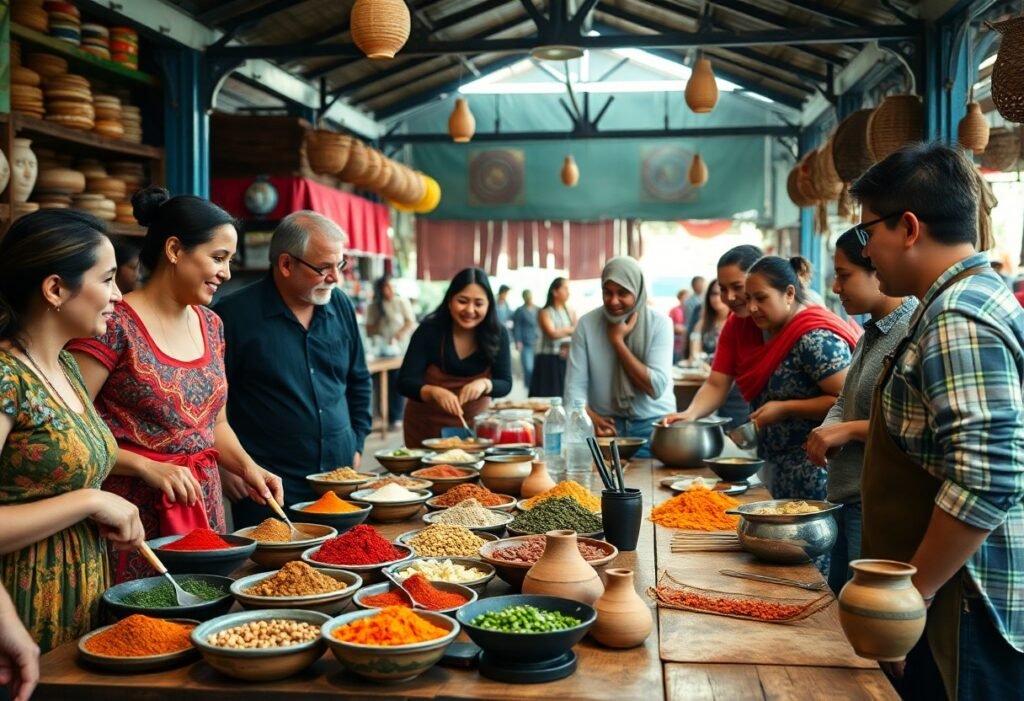
It’s necessary to engage in authentic travel practices that foster a respectful cultural exchange. By immersing yourself in local customs and traditions, you not only enrich your travel experience but also positively impact the communities you visit. Adopt a mindset of openness and curiosity while acknowledging the importance of cultural sensitivity. Equip yourself with knowledge through resources such as Cross-Cultural Preparation | Understand Cultures Before Trip, ensuring that your journey is enjoyable and impactful for both you and the locals.
Key Takeaways:
- Engage with local communities by participating in cultural events and activities, fostering genuine connections.
- Support local economies by purchasing from local artisans and businesses instead of large corporations.
- Practice cultural sensitivity by learning about local customs, traditions, and etiquette before your visit.
The Moral Imperative of Respectful Travel
Traveling with respect goes beyond personal enjoyment; it embodies a moral imperative to protect and honor the cultures you encounter. Understanding the complexities of cultural exchange fosters meaningful connections and ensures that your travels contribute positively to local communities. Engaging with local customs and traditions enriches your experience while promoting sustainable tourism. As you explore, consider being a respectful traveler committed to preserving the integrity of diverse cultures.
Understanding the Impact of Cultural Appropriation
Cultural appropriation occurs when elements of one culture are adopted by another, often without understanding or respect. This practice can lead to a misrepresentation of cultural significance and can alienate the very communities whose heritage is being used. Recognizing this impact allows you to navigate cultural nuances thoughtfully and engage in genuine exchange.
Recognizing Local Perspectives and Values
Engaging with local perspectives enables a deeper connection to the places you visit. By actively listening to community members, you gain insights into their unique values and traditions, which can shape your travel experience. Understanding these local narratives enhances your appreciation for the culture, and ensures your interactions are respectful and informed.
Local perspectives often reveal layers of meaning behind traditions, practices, and even local cuisine. For instance, while you might enjoy a traditional dance performance, the stories shared by local dancers about their heritage can elevate your experience. Engaging in discussions about customs fosters respect and understanding, helping to dismantle stereotypes and promote a more enriched and harmonious interaction. By valuing local voices, you contribute to a landscape of tourism that prioritizes cultural dignity and exchange.
Navigating Cultural Nuances
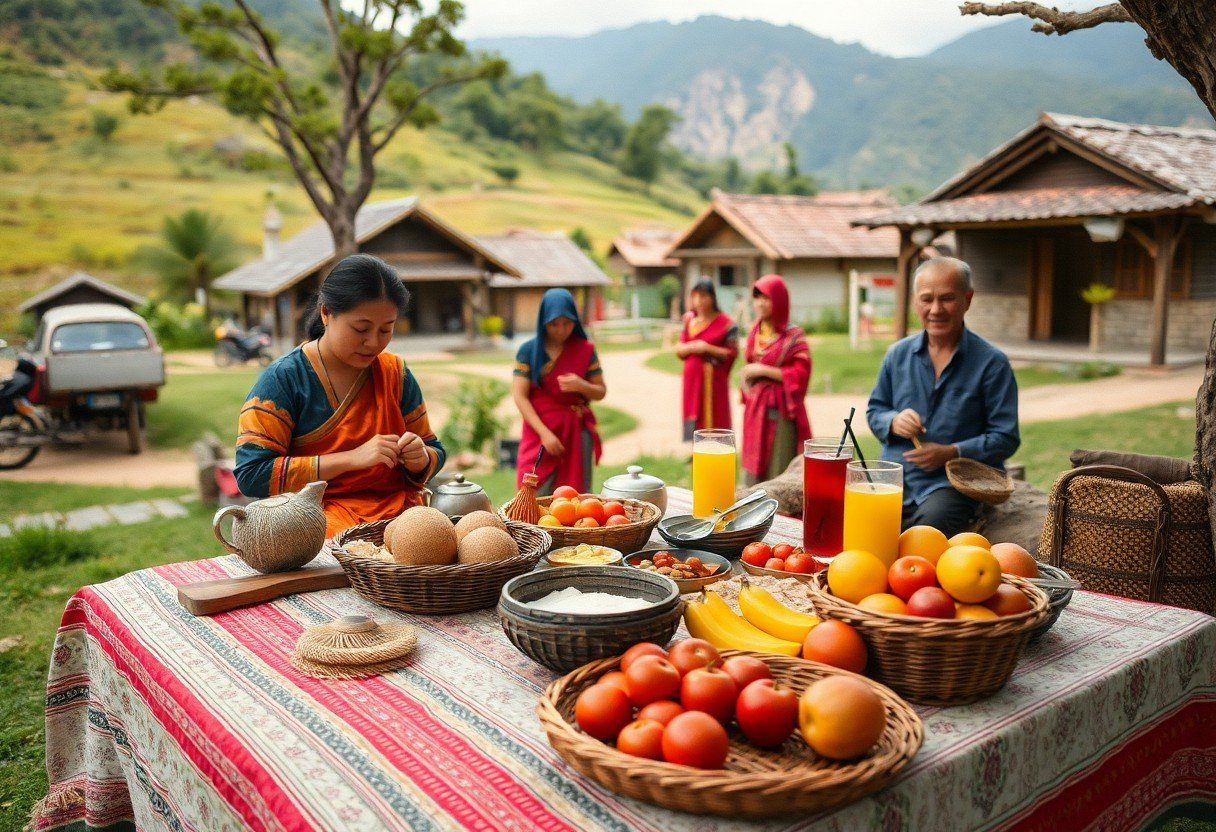
Understanding cultural nuances enhances your travel experience, allowing for deeper connections and respect for local traditions. Engaging with cultural differences can transform your journey from superficial sightseeing to meaningful encounters. Subtle practices, such as recognizing local festivals, dress codes, and daily routines, are vital for immersing yourself authentically in the community. Acknowledging these nuances not only enriches your experience but also demonstrates your respect for the people and places you visit.
Learning Essential Etiquette and Customs
Familiarizing yourself with local etiquette and customs sets the stage for respectful interactions. Simple gestures, such as greeting locals with appropriate greetings or adhering to dress codes in sacred spaces, signal your genuine interest in their culture. In Japan, for example, bowing as a form of greeting reflects respect, while in many Middle Eastern countries, removing shoes before entering a home is vital. Discovering and practicing these social customs fosters goodwill, paving the way for authentic connections.
Bridging Language Barriers for Genuine Interaction
Language barriers can hinder authentic communication, yet they can be overcome with effort and creativity. Utilizing basic phrases in the local language demonstrates respect and appreciation for the culture. Tools like translation apps or language learning platforms can aid in bridging these gaps, helping you to navigate conversations more easily. Engaging in simple dialogues, even if imperfect, encourages locals to share their stories, enhancing your cultural experience.
Try to learn a few key phrases in the local language before your trip. Knowing “hello,” “thank you,” and “please” can go a long way in fostering goodwill. Many communities appreciate your attempts, even if you stumble through pronunciations. Beyond phrases, consider using body language, visual aids, or translation apps to enrich interactions. Engaging with local dialects or slang can also break barriers, showing profound respect for the community’s identity. Embrace these opportunities to connect; they often lead to cherished memories and insights about daily life in your destination.
Sustainable Engagement: Building Authentic Relationships
Sustainable engagement thrives on genuine interactions that transcend transactional relationships. By investing time in understanding local cultures and values, you create meaningful connections that enrich your travel experience. Engage with community members, share stories, and listen to their perspectives. This mutual exchange deepens your understanding of their way of life while fostering goodwill, making your presence more beneficial to the community. Prioritizing respect and authenticity in your interactions forms the basis of responsible travel practices.
Supporting Local Economies Through Responsible Spending
Your travel spending can significantly impact local economies when directed wisely. Choose to support small businesses, artisans, and local markets rather than large, international chains. For instance, eating at family-run restaurants and purchasing handmade crafts ensures that a larger share of your money stays within the community, creating jobs and sustaining livelihoods. This approach not only enriches your travel experience but also encourages the preservation of local culture and traditions.
Finding and Engaging with Community-Based Experiences
Community-based experiences provide authentic insights into local customs and traditions. Look for tours led by local guides or workshops that allow you to learn traditional crafts, cooking techniques, or dance styles. Participating in community events or festivals also offers a unique opportunity to immerse yourself in cultural practices while establishing connections with residents. By actively seeking these experiences, you contribute to preserving cultural heritage and fostering respect between travelers and local communities.
Engaging with community-based experiences can lead to profound personal encounters. For example, joining a local family for dinner or participating in a traditional festival not only allows you to enjoy authentic cuisine and festivities but also places you within the heart of the local culture. Many programs emphasize collaboration with local leaders to ensure that these engagements are respectful and beneficial to the community. Whether it’s taking a pottery class in a small village or volunteering for a local conservation project, these activities often result in lasting friendships and memories, expanding your travel experience beyond mere sightseeing.
Transformative Encounters: Stories from the Field
Transformative encounters during travel can reshape your worldview, enabling you to grasp the complexities of cultural exchange. Engaging with diverse communities often leads to unexpected friendships and profound insights, making your journey not just a visit, but a life-changing experience. These stories underscore the importance of mindful travel, where each interaction holds the potential for a lasting impact on both visitors and hosts.
Personal Narratives that Change Perceptions
Your travels can unveil narratives that challenge stereotypes and broaden your understanding of different cultures. For instance, meeting a craftswoman in Bali who shares her life struggles and triumphs can shift your perspective on globalization and local traditions. These personal stories connect you deeply to the place and its people, creating empathy and appreciation that transcend mere observation.
Testimonials from Local Hosts on Visitor Interactions
Local hosts often share that positive interactions with visitors foster mutual respect and understanding. Many describe instances where a simple conversation led to shared meals, revealing truths that enrich both parties’ experiences. These testimonials highlight the power of storytelling in bridging cultural gaps and creating lasting relationships.
Hosts frequently emphasize the value visitors bring when they actively listen and engage with their stories. A family in Kenya shared that visitors who participated in daily chores not only gained insights into local life but also established trust and camaraderie. One host noted, “When visitors show genuine interest, it inspires us to share more about our culture, leading to a more profound connection and leaving lasting memories on both sides.” Such interactions reflect the potential for transformative journeys rooted in respect and openness, ultimately enriching the travel experience for everyone involved.
Advocating for Ethical Travel Practices
As a traveler, advocating for ethical travel practices extends your influence beyond personal experiences. Engaging in community discussions and supporting local initiatives fosters responsible tourism. Your choices, such as opting for eco-friendly accommodations and respecting local customs, can shape how regions perceive tourism. By prioritizing authentic interactions, you encourage a more sustainable travel model that benefits both you and the destination.
Resources and Organizations That Promote Respectful Travel
Numerous resources and organizations facilitate respectful travel practices, such as the Adventure Travel Trade Association and Responsible Travel. These platforms offer guidelines, workshops, and certifications aimed at promoting sustainable tourism. Additionally, accessing blogs and podcasts focused on ethical travel can inspire your journey and provide you with concrete steps to engage positively with local cultures.
Creating a Ripple Effect: Influencing Fellow Travelers
Your advocacy in ethical travel can inspire fellow travelers to adopt similar practices. By sharing your experiences through social media or travel forums, you serve as a role model, demonstrating the value of respectful engagement. Encouraging others to consider their impact, like supporting local artisans or participating in environmental conservation, can create a ripple effect that extends well beyond individual trips.
Creating a ripple effect means leveraging your travel stories and experiences to inspire others. When you enthusiastically share how choosing local guides enriched your journey or how following sustainable practices enhanced your connection to a destination, others may feel compelled to make conscious choices in their travels. Consider organizing group discussions or workshops where you can exchange insights with fellow travelers, emphasizing the importance of responsible tourism and its positive impact on communities. Your actions and words can significantly sway opinions and encourage a community of travelers committed to ethical exploration.
Final Words
Ultimately, embracing authentic travel practices enhances your cultural exchanges and fosters mutual respect with the communities you visit. By engaging meaningfully, supporting local economies, and being mindful of your impact, you cultivate enriching experiences that deepen your understanding of diverse perspectives. Approach every destination with curiosity and sensitivity, ensuring your journey contributes positively to the cultures you engage with. This commitment not only enriches your travel experience but also promotes sustainable tourism, facilitating genuine connections that transcend boundaries.
