
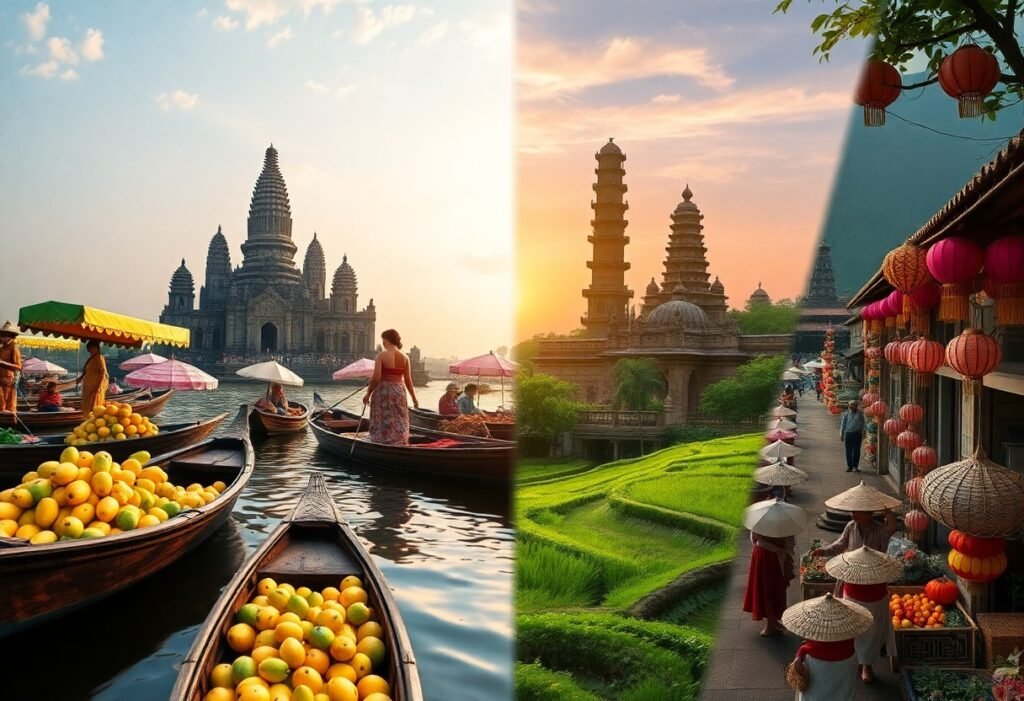
Most travelers find that engaging with local rituals, street food tours, and artisan workshops gives you the clearest insight into regional identity; prioritize must-see temples and heritage festivals, be cautious of scams and strong currents when visiting beaches, and seek out homestays to experience warm local hospitality while learning regional etiquette to deepen your understanding responsibly.
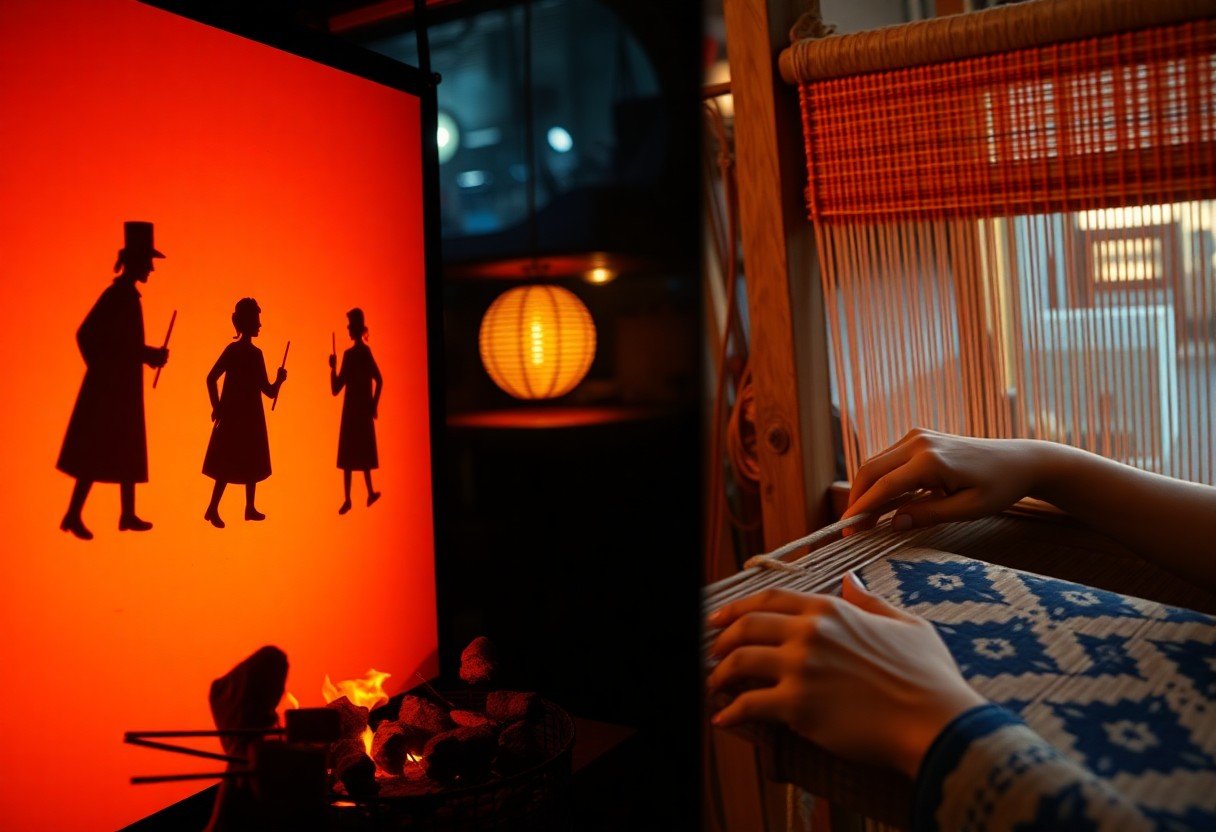
Key Takeaways:
- Sample street food and market life – taste regional specialties, learn food customs, and meet local vendors.
- Explore temples, pagodas, and spiritual ceremonies to appreciate religious diversity and historic architecture.
- Join festivals, traditional performances, craft workshops, or homestays for hands-on cultural exchange and to support local communities.
Immersive Culinary Experiences
Cities like Bangkok, Penang and Hanoi make culinary immersion unavoidable: you’ll sample pad Thai, laksa, pho, nasi goreng and mango sticky rice across markets and home kitchens. Tours and classes let you taste more than 20 regional variants and learn techniques, often for under $30. Seek high-turnover stalls and local instructors. Highlights include authenticity and affordability, while beware of ice, unpeeled fruit and raw shellfish if you have sensitivities.
Street Food Tours
Street food tours typically run 2-4 hours and let you sample 6-12 dishes while guides point out techniques, ingredients and cultural context. You can join night tours in Yaowarat (Bangkok), Gurney Drive (Penang) or Hanoi’s Old Quarter; prices range $10-$40. Choose tours led by locals and stalls with fast turnover for safety and flavor, and avoid stalls with questionable hygiene or standing water if you have a sensitive stomach.
Cooking Classes
Cooking classes often combine market visits, hands-on prep and a sit-down meal; most last 3-4 hours and cost $25-$70. You’ll master dishes like Thai green curry, Vietnamese pho broth or Malaysian rendang, using techniques such as mortar-and-pestle pounding and wok tossing. Small classes (6-12 students) give better feedback, and ask about allergy accommodations before booking.
Expect a market tour (45-90 minutes) to buy herbs and proteins, then 1.5-3 hours of hands-on cooking where you’ll prepare 3-6 dishes and eat them. Many schools in Chiang Mai, Hoi An and Bali provide printed recipes and photos; prices usually run $25-$70. You’ll learn flavor balance (sweet, sour, salty, bitter, spicy) and techniques like tamarind reduction or coconut milk layering. Disclose allergies, wear closed-toe shoes for safety, and confirm vegetarian or halal options in advance.
Traditional Arts and Crafts
Across the region you’ll find centuries-old techniques still taught in villages and city studios; for instance, Indonesian batik earned UNESCO Intangible Cultural Heritage status in 2009. Join a workshop or browse markets to trace materials from indigo to teak, and plan visits using curated lists like The Ultimate Southeast Asia Bucket List – Laure Wanders to prioritize authentic experiences and support local artisans.
Batik and Weaving Workshops
You can take 2-4 hour batik or weaving classes in Yogyakarta, Ubud or Chiang Mai where instructors show wax-resist, ikat and backstrap loom techniques. Expect to pay roughly $10-$40, leave with a handmade scarf or panel, and watch out for hot wax during dyeing. Workshops often teach natural indigo and mordant use, so you’ll learn both craft and the material science behind colorfastness.
Local Artisan Markets
Markets like Luang Prabang Night Market, Hoi An and Bangkok’s Chatuchak let you inspect hundreds to thousands of stalls selling textiles, silver and lacquerware; you’ll often negotiate prices by 10-30%. Seek stalls that show fiber content or maker details, and be mindful of pickpockets in crowded aisles while hunting for one-of-a-kind pieces that directly benefit families and cooperatives.
Go early for better stock and later for quieter bargaining; carry small bills and a reusable tote to avoid last-minute plastic. Check seams, dye bleed and labels-natural-dyed textiles often have slight color variation-and ask about production time and origin to confirm authenticity. If you want certified fair-trade or cooperative-made goods, request documentation or seller references, and avoid items with suspiciously uniform mass-production marks.
Cultural Festivals and Celebrations
Across Southeast Asia you’ll time travel through calendars: join loud street parties, solemn temple rites, and communal feasts. Festivals like Songkran (Apr 13-15), Bali’s Nyepi, and Vietnam’s Tet offer distinct rituals and food traditions; plan ahead because major holidays mean sold-out hotels, packed transport, and altered opening hours.
Songkran Water Festival
When Songkran arrives you’ll be soaked by strangers and friends alike as Thailand celebrates its New Year (typically Apr 13-15); Chiang Mai and Bangkok host massive water battles alongside temple merit-making, Buddha image processions and sand-stupa building. Protect electronics, use a waterproof bag, and be aware of slippery roads and motorcycle accidents during peak street revelry.
Diwali in Malaysia
In Malaysia Diwali (Deepavali) lights up Little India in Brickfields, Penang and other Indian-majority neighborhoods, with the country’s ~2 million Indian community hosting open houses, kolam (floor art) and oil-lamp rows; it’s observed as a public holiday, usually in Oct-Nov, so expect vibrant markets and busy streets.
For deeper immersion you can attend a rumah terbuka (open house) to sample murukku, laddu and savory curries, visit Sri Mahamariamman Temple in Kuala Lumpur for evening prayers, and watch cultural shows; plan travel early because street closures and heavy pedestrian traffic are common during peak Deepavali nights.
Spiritual Journeys
You can weave transformative rituals into your itinerary, from a 10-day Vipassana course in Myanmar or Thailand to Borobudur’s sunrise terraces; many travelers add these to curated lists like the Southeast Asia Bucket List: 32 Things To Do and See. Expect early mornings, modest dress codes, and moments that often shift perspective within days.
Temple Visits and Meditations
At Angkor Wat and Borobudur you’ll want to arrive before sunrise; Angkor’s main complex opens at 5 a.m. and Bagan’s plain holds over 2,000 monuments. When you enter a wat, remove shoes, cover shoulders and avoid loud conversation; many sites enforce strict photography rules. Guided meditations at Wat Pho or small pagodas typically run 30-60 minutes and are often led in English by resident monks or volunteers.
Local Spiritual Retreats
You can join a 10-day Vipassana (often donation-based) course, book a 3-7 day silent retreat in Ubud or the Thai islands, or arrange a 1-3 day monastery stay with a forest monk. Costs range from $0-$800 depending on donation model, accommodation and meals. Advance booking of 2-4 weeks is common for peak season, and some retreats require digital detoxes and fasting days.
If you have limited time, choose a 3-day silent retreat in Ubud or a weekend temple stay in Chiang Mai; studies show short, intensive retreats can reduce stress within a week. Pack lightweight modest clothing, insect repellent and a refillable water bottle; heat, early wake-ups and strict silence are common, so check cancellation policies and any medical restrictions before booking.
Local Music and Dance
You’ll encounter gamelan orchestras, piphat ensembles and street buskers across towns; Indonesian gamelan often features 10-25 musicians using metallophones and gongs, while Thai piphat centers on ranat and pi oboes. Attend temple ceremonies or night concerts to hear interlocking rhythms and see masked Khon or shadow puppet scores. Book popular shows early and stay hydrated in the tropical heat. See more recommendations at 31 Things to do in Southeast Asia.
Traditional Performances
You can watch Balinese Legong and Barong with ornate costumes, Khmer Apsara’s stylized hand gestures, Vietnamese water puppetry lasting 30-45 minutes, and Thailand’s Khon masked drama that may run 60-120 minutes. Front-row seats reveal subtle finger work and facial expression; open-air venues can expose you to strong sun or mosquitos, so pack sun protection and repellent. Seek performances at cultural centers or royal venues for the most authentic staging.
Interactive Dance Workshops
Many workshops run 60-90 minutes with groups of 5-20; you’ll often learn 6-12 basic steps, posture and rhythm while instructors correct hand positions. Prices generally fall between $5-30 depending on costume use and location. Wear comfortable clothing and sensible footwear, since repetitive footwork can strain knees-pace yourself and ask for breaks.
Choose Ubud for Balinese legong, Siem Reap for Khmer hand-gesture classes, or Bangkok for Thai classical training-each style emphasizes different techniques. Workshops frequently end with a short student performance and costume photos, and private lessons accelerate progress. Bring water and a small towel; participants with knee issues should request low-impact modifications before joining.
Nature and Wildlife Encounters
Venture into rainforests, mangroves and coral seas where you’ll track proboscis monkeys on Sabah’s Kinabatangan River, snorkel among over 1,400 fish species in Raja Ampat, or spot Komodo dragons in Komodo National Park – a dangerous but unforgettable encounter. You’ll also walk Taman Negara’s 530‑meter canopy walkway, cruise Khao Sok’s limestone karsts, and witness hornbills, macaques and pygmy elephants, gaining firsthand insight into habitats under pressure from tourism and development.
Eco-Tourism Experiences
You can choose community-run homestays in northern Laos, join guided mangrove restoration in Cambodia, or take night boat safaris on the Kinabatangan to see freshwater dolphins and proboscis monkeys. Dive operators in Sipadan and Raja Ampat run small-boat trips with strict reef rules to limit damage; look for lodges that donate a percentage of rates to conservation. The best trips balance access with positive local impact and minimal footprint.
Wildlife Conservation Programs
Volunteer options range from short turtle‑patrol shifts on Thailand’s islands to longer orangutan rehabilitation placements at Sepilok or BOS Foundation centers in Borneo and Sumatra; many programs offer stays from a week to several months. Expect training, strict hygiene rules and supervision – and avoid programs that allow direct contact with wild animals, a major biosecurity risk. Prioritize accredited projects with transparent funding and release records.
Typical activities include habitat restoration, nest monitoring, medicare for rescued animals and community education; for example, Apo Island’s community marine sanctuary (established 1982) boosted local fish stocks through patrols and reef protection. You’ll usually follow a daily rota, receive briefings on animal handling, and pay volunteer fees that cover food, lodging and materials – check that fees fund on‑site care rather than tourist entertainment to ensure your contribution is truly beneficial.
To wrap up
With these considerations, you can focus on immersive markets, temple rituals, culinary classes and community-led tours to deepen your cultural understanding; learn local phrases, support artisans, engage respectfully, and plan flexible itineraries so you experience authenticity without overwhelm. Seek knowledgeable local guides, prioritize slow travel, and balance popular sites with off-the-beaten-path encounters to make your journey through Southeast Asia more meaningful and sustainable.
