
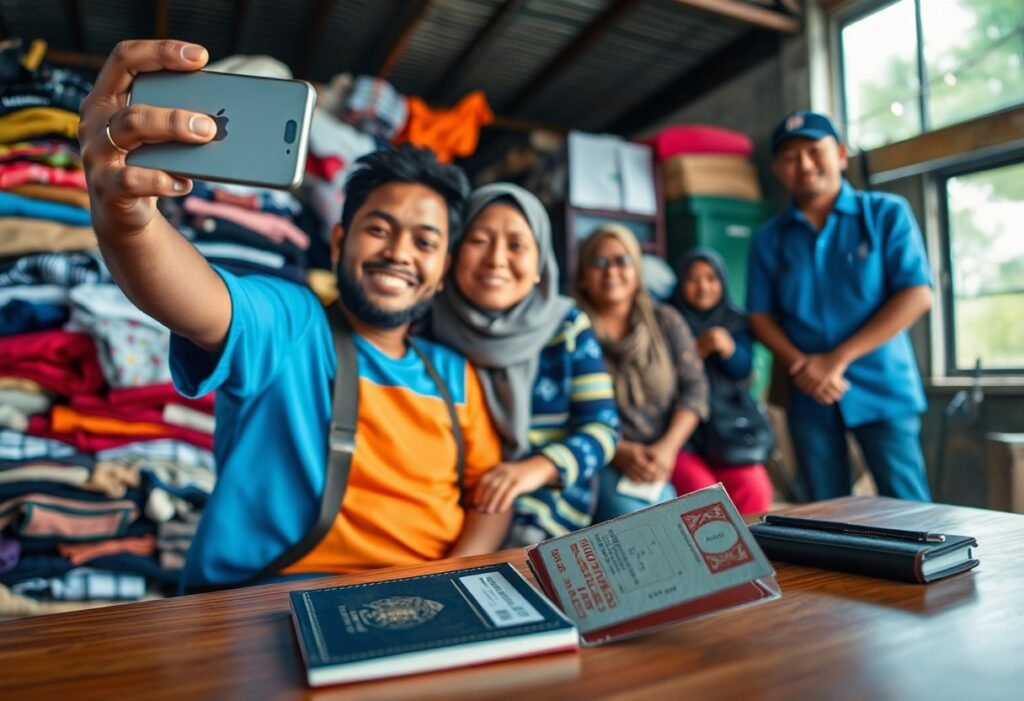
There’s a risk that good intentions lead to harm if you neglect preparation: unless you research local needs, obtain proper training and respect culture, your presence can cause unintended damage or waste resources. You should vet programs, plan sustainable tasks, and protect your health. Consult experienced sources like Avoid This Volunteer Mistake: Part 1 and prioritize ethical, lasting impact over short-term feel-good actions.
Key Takeaways:
- Research organizations and local needs to avoid supporting projects that create dependency or do harm.
- Match your skills to placements and prioritize sustainable, community-led initiatives over short-term, unskilled work.
- Prepare logistics, health precautions, legal documents, and cultural etiquette to stay safe and effective.
Understanding the Requirements
You must verify program requirements – many organizations require background checks, proof of vaccinations, or a minimum stay of 2-4 weeks. Some countries demand work permits or police clearances and failing to secure them can lead to fines or denied entry. Check partner NGO policies and read this guide: Voluntourism Mistakes to Avoid Before Going Abroad for common pitfalls.
Researching Visa and Legal Obligations
Confirm whether your role needs a work, volunteer, or tourist visa; countries like Thailand and Vietnam restrict unpaid labor and can impose fines or deportation for violations. Processing often takes 2-8 weeks, and you may need invitation letters, criminal checks, and proof of funds. Apply well in advance and verify local labor laws to avoid legal exposure.
Assessing Health and Safety Considerations
Prioritize vaccinations (e.g., yellow fever, typhoid, hepatitis A/B) and consult about malaria prophylaxis, since some medications must start 1-2 weeks before travel. Ensure your travel insurance covers at least $100,000 for medical emergencies and evacuation, and map the nearest hospital and emergency number for your placement.
Schedule a pre-travel medical appointment 4-6 weeks before departure to update vaccines and secure prescriptions; carry a signed medication list and copies of immunization records. Pack a compact first-aid kit, water-purification tablets, and a two-week supply of imperative meds. Verify hospital quality-remote projects can be >50 km from care and evacuations may exceed $10,000-and identify local mental-health or NGO support options before you go.
Choosing the Right Organization
When vetting organizations, check formal registration, ask for a written budget and confirm the existence of a local partner or office on the ground; programs like the Peace Corps mandate long-term placement (typically 27 months), showing a different model than short-term voluntourism. You should request references from at least two past volunteers, a breakdown of fees and what they cover, and evidence of how placements match community-identified needs rather than volunteer convenience.
Evaluating Impact and Transparency
Ask for concrete impact data: baseline numbers, annual beneficiaries served, and monitoring, evaluation, and learning (MEL) reports or third-party evaluations instead of only success stories. You should expect metrics (e.g., number of students taught, vaccination rates improved) and a plan for sustainability; if they can’t show year-over-year results or independent audits, treat their claims with skepticism and seek organizations that publish audited annual reports.
Avoiding Scams and Misleading Charities
Watch for red flags like requests for wire transfers to personal accounts, no verifiable address, instant placement guarantees, or pressure to pay nonrefundable fees immediately. You should be wary of voluntourism tied to unregulated orphanages-investigations have repeatedly shown these can incentivize child trafficking-so avoid programs that prioritize photos and short visits over long-term community benefit.
Verify legitimacy by checking national NGO registries, Charity Navigator or GuideStar listings, and WHOIS for domain age; ask for a written contract, receipts, and contact details for past volunteers and local partners. You should pay by traceable methods (credit card), confirm refund policies, and contact the local embassy or trusted community organizations to cross-check claims-these steps reduce risk of falling for fraudulent or exploitative schemes.
Preparing for Cultural Differences
When you arrive at a placement, prioritize learning how small actions affect relationships-what’s polite in one place can offend local partners in another (for example, showing the soles of your feet is taboo across parts of Southeast Asia). Use pre-trip briefings and resources like Common Mistakes to Avoid While Volunteering Abroad to identify local taboos, dress codes, and community expectations before you engage.
Learning Local Customs and Etiquette
Ask your hosts about greetings, dress, and meal habits; in many rural communities covering shoulders or removing shoes is expected. You should practice the local greeting-handshake, bow, or verbal phrase-before arriving, and observe how locals treat elders and officials. Prioritize consent for photos and avoid imposing your habits; small adjustments often yield big gains in trust and program effectiveness.
Recognizing Language Barriers
Expect that many beneficiaries won’t speak your language, so you should plan for interpreters, translated materials, and basic phrase-learning. Use offline translation apps, phrasebooks, or hire a community interpreter for meetings where consent, health advice, or safety instructions matter most to avoid misunderstandings that can harm beneficiaries.
You should build a communication strategy: create simple visuals, use the teach-back method, and brief interpreters on key terminology before sessions. Check comprehension by asking participants to repeat instructions back, and allocate at least 10-15% of project time and budget for translation, interpreter fees, and materials to improve outcomes and reduce risks.
Managing Expectations
You should match your hopes to on-the-ground realities: short-term stays rarely deliver systemic change, some projects need 6-18 months for measurable impact, and swapping quick fixes for locally driven plans prevents harm. Ask hosts for baseline data, exit strategies, and how your role fits long-term; decline tasks that create dependency. Prioritize capacity-building-training one local teacher can amplify benefits for 30+ students after you leave.
Setting Realistic Goals
Plan 1-3 SMART objectives before departure: define specific actions, timelines, and measurable outcomes (for example, deliver 8 weekly literacy sessions and train 4 local facilitators). Avoid vague aims like “help the community”; instead, set achievable outputs your host can sustain. Check progress weekly, document results, and adjust targets with local partners to prevent mismatched expectations.
Embracing Flexibility in Experience
Accept that your role will shift: you may be asked to provide logistics, translation, or maintenance rather than direct service. When tasks change, confirm scope and safety with supervisors-taking on work outside your training can be dangerous for both you and the community. Stay adaptable and view unexpected duties as opportunities to support local priorities.
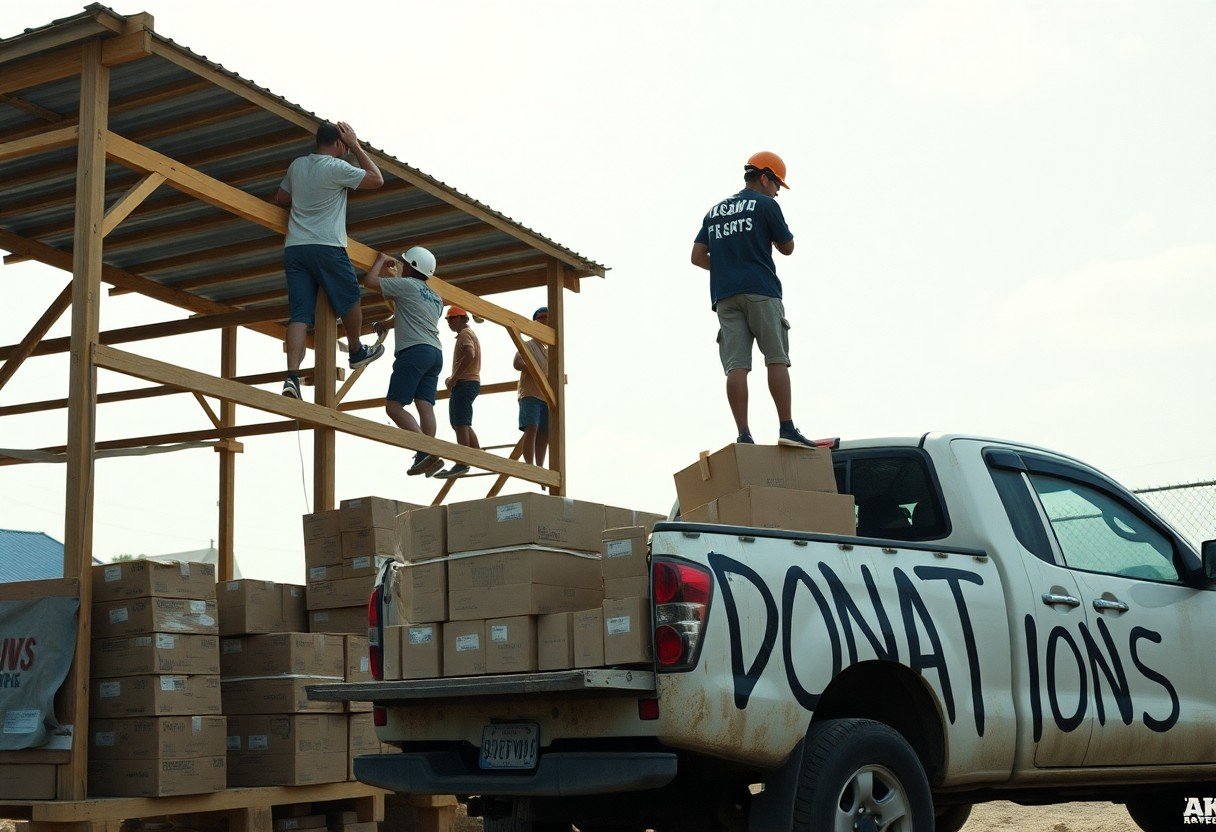
Prepare a three-step contingency approach: 1) clarify your permitted tasks and limits with hosts on day one, 2) list three transferable skills you can offer (teaching, basic construction, data entry) and how each contributes to sustainability, and 3) identify a local staff member for handover. If asked to perform clinical procedures or heavy labor beyond your training, refuse and request reassignment, keep your medical insurance current, and log any incidents for program accountability.
Building a Support Network
Establish practical supports early: exchange contacts with 3-5 peers, register a local emergency number, and schedule weekly 60-minute debriefs to process challenges. Identify one local mentor-staff or community leader-to consult on cultural and logistical questions. Isolation increases risk of burnout and operational errors; lack of vetted contacts is dangerous. Combining peer check-ins with local guidance stabilizes your placement and improves retention.
Connecting with Other Volunteers
Create a shared WhatsApp group, set a simple rota for coverage, and pair up for site visits so you’re never alone on risky tasks. Hold a 60-minute weekly reflection where each person names one success and one problem to solve; swapping shifts with 1-2 colleagues reduces no-shows and miscommunication. These routines quickly build mutual accountability and prevent burnout.
Engaging with the Local Community
Spend your first 10-14 days listening: attend at least three community meetings, shadow local staff, and ask open questions before proposing changes. Prioritize sourcing materials locally and formalize roles with community leaders to avoid creating dependency. Treat short placements as pilots rather than full solutions, because imposing quick fixes damages relationships.
Take measurable steps: learn 20-30 basic phrases in the local language, dedicate ~20% of your project time to capacity-building (training, documentation), and track simple metrics like attendance and number of local staff trained. Use these indicators to show progress and pivot if engagement isn’t producing sustainable results.
Prioritizing Personal well-being
You must treat your health as part of the project: aim for 7-8 hours sleep, limit volunteer shifts to 4-6 hours, and take one full day off each week. Monitor signs of burnout-persistent fatigue, irritability, insomnia-and act early. Carry a basic first-aid kit, keep vaccinations up to date, and register with your embassy or program’s health portal. Neglecting these steps can reduce effectiveness and increase personal risk.
Self-Care Strategies
Schedule simple routines you can maintain: 30 minutes of exercise 4 times weekly, 10 minutes of daily mindfulness, and a 30-minute nightly debrief. Pack sun protection and water, eat at least two fruit/vegetable servings per meal when possible, and set clear daily time limits on work. If you feel physically taxed, swap tasks or request lighter duties-adapting early prevents longer setbacks.
Seeking Guidance and Support
If issues arise, contact your onsite coordinator and your remote program manager within 24 hours; report safety incidents immediately and keep a written record. Use local resources-clinic, embassy, or police-and verify whether your program provides 24/7 support or mental-health referrals. Peers often provide practical coping tips; join a weekly debrief or peer group to reduce isolation and speed problem resolution.
Ask for at least three emergency contacts (onsite coordinator, program manager, local clinic) and save their numbers offline; document incidents within 48 hours and keep medical receipts for reimbursement within 30 days. When seeking help, ask: “Who covers care costs?”, “Is counseling confidential?”, and “What is the escalation path?” Knowing these answers reduces delays-insist on written procedures if verbal instructions are unclear.
Summing up
With this in mind, you should prioritize thorough research, cultural sensitivity, sustainable commitments, clear communication, proper medical and financial preparation, language learning, and alignment with ethical organizations to avoid harm and wasted effort; avoid imposing solutions, neglecting local leadership, and underestimating logistics so your contribution supports real, long-term community needs.
